Are Elliptical Machines Worth It
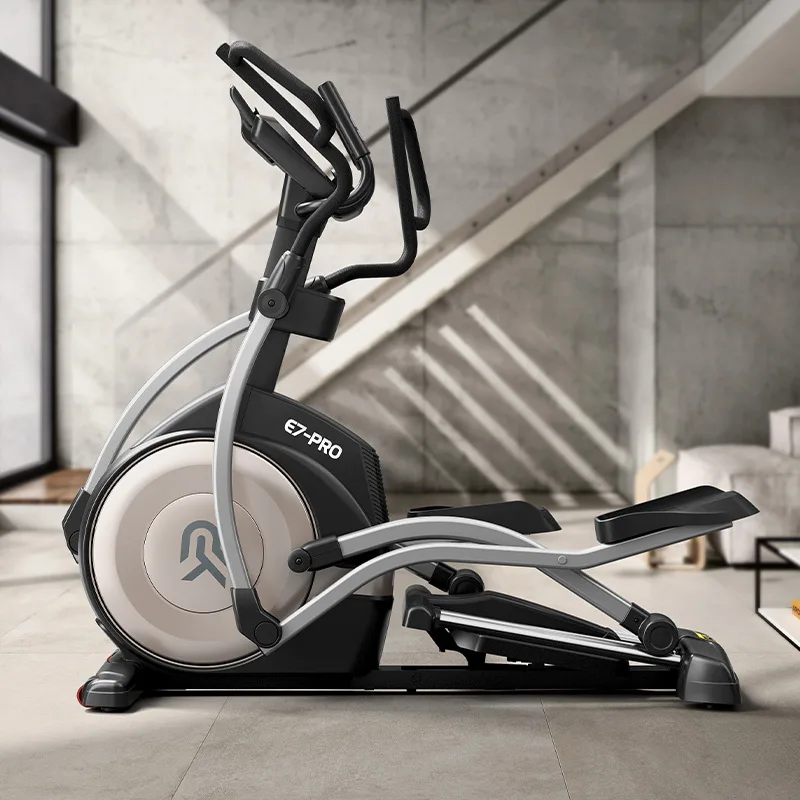
Image source: Bing (Web (fair-use with source credit))
Thinking about whether elliptical machines are worth it for your home gym is a smart move before you invest. They promise a low-impact, full-body workout that can help you burn calories and boost your cardio fitness, all from the convenience of your living room. But do they actually deliver on that promise for everyone?
Our research shows that while ellipticals offer distinct advantages, their value really depends on your personal fitness goals, available space, and budget. For instance, many models feature a stride length that can be adjusted, with some specifications indicating lengths up to 20 inches for a more natural feel. Let's break down if an elliptical is the right piece of equipment for you.
Quick Answer
Yes, elliptical machines are often worth it for home use, offering a low-impact, full-body cardio workout. They excel at calorie burning and improving cardiovascular health without stressing your joints. However, their effectiveness hinges on your fitness goals, available space, and budget.
If you need high-impact training or intense muscle building, other equipment might be a better fit.
Is an Elliptical Machine a Smart Home Gym Investment?
When you're looking to get fit at home, there are tons of options, and the elliptical machine often pops up as a popular choice. It’s a piece of cardio equipment designed to mimic climbing stairs, walking, or running without the jarring impact on your knees and ankles. This makes it a go-to for people with joint issues or those recovering from injuries.
But "popular" doesn't always mean "worth it" for every individual. We need to look at what you get for your money and your effort.
At its core, the decision comes down to aligning the machine's capabilities with your specific health and fitness objectives. Many ellipticals, for example, offer a variety of resistance levels, often controlled magnetically, allowing users to progressively challenge themselves. For context, a typical resistance range might go from 1 to 16 levels, giving you room to grow.
The Real Deal: Benefits of Using an Elliptical
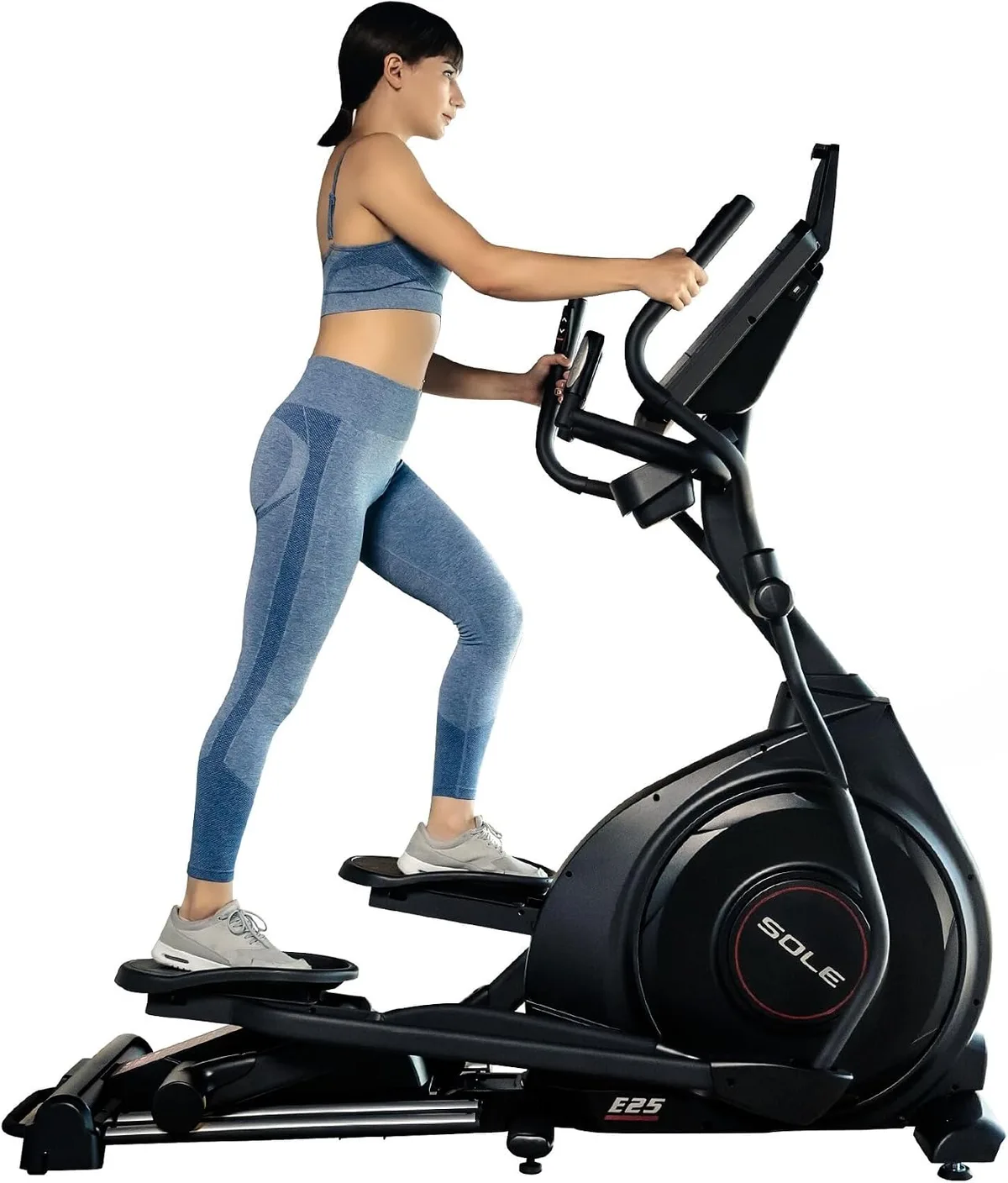
There's a solid list of reasons why ellipticals have become a staple in many home gyms. They pack a lot of punch when it comes to fitness benefits, especially if you’re looking for a way to get your heart rate up without feeling like you’re beating up your body.
Low-Impact Cardio Champion
This is probably the biggest draw. Unlike running on a treadmill or jumping rope, the elliptical's motion is smooth and gliding. Your feet stay planted on the pedals throughout the movement, which significantly reduces the stress on your knees, hips, and ankles.
This makes it ideal for anyone dealing with arthritis, recovering from joint injuries, or simply wanting to protect their joints for the long haul. Our research indicates that this reduced impact can lead to fewer workout-related injuries compared to high-impact activities.
Full-Body Engagement
That's right, you're not just working your legs. Most ellipticals have moving handlebars that allow you to engage your upper body simultaneously. By pushing and pulling these handles, you can activate your arms, shoulders, chest, and back muscles.
This means you’re getting a more comprehensive workout in a shorter amount of time. You can even choose to focus more on your lower body by just holding onto the stationary handles, or crank up the intensity on your arms by really pumping them.
Calorie Burn Powerhouse
Because ellipticals can offer a combination of lower and upper body engagement, they are excellent tools for burning calories. When you ramp up the resistance and stride length, you can significantly increase your calorie expenditure. Studies and manufacturer data often show that a moderate elliptical workout can burn as many calories as running at a similar pace, sometimes even more, especially when engaging the upper body.
For example, an hour of moderate elliptical use could potentially burn between 600 to 800 calories, depending on your weight and intensity.
The Downsides: When an Elliptical Might Not Be Worth It
While ellipticals have a lot going for them, it’s not always a perfect fit for everyone’s fitness journey. You’ve got to consider the practicalities and whether it truly aligns with what you want to achieve.
Space Hogs and Budget Busters
Let’s be real, ellipticals aren't small. They can take up a significant amount of floor space in your home, and if you live in a smaller apartment or home, this can be a major hurdle. You’ll need to make sure you have adequate room not just for the machine itself, but also for comfortable use.
How Much Space Does an Exercise Bike Need can give you an idea of how much room other cardio machines require. Beyond space, the cost is another factor. Decent quality ellipticals, especially those with durable construction and advanced features, can easily run into the hundreds, and often thousands, of dollars.
Cheaper models might be tempting, but they often compromise on build quality, stability, or the smoothness of the workout.
The Boredom Factor and Effectiveness
For some people, the repetitive, gliding motion of an elliptical can become monotonous. Unlike the variety of a gym class or the dynamic nature of outdoor activities, elliptical workouts can feel a bit same-y. This boredom can lead to shorter workouts or skipped sessions, ultimately reducing effectiveness.
While ellipticals are great for cardio and general fitness, they don't typically build the same kind of explosive power or peak cardiovascular fitness that activities like sprinting or HIIT on a treadmill might. They’re also not ideal for focused strength training; you won’t be building significant muscle mass on an elliptical alone.
How Ellipticals Stack Up Against Other Cardio Options
When you're eyeing up home fitness equipment, it’s wise to see how the elliptical compares to its cousins. Each machine has its own strengths and weaknesses, and knowing these helps you pick the one that best fits your life.
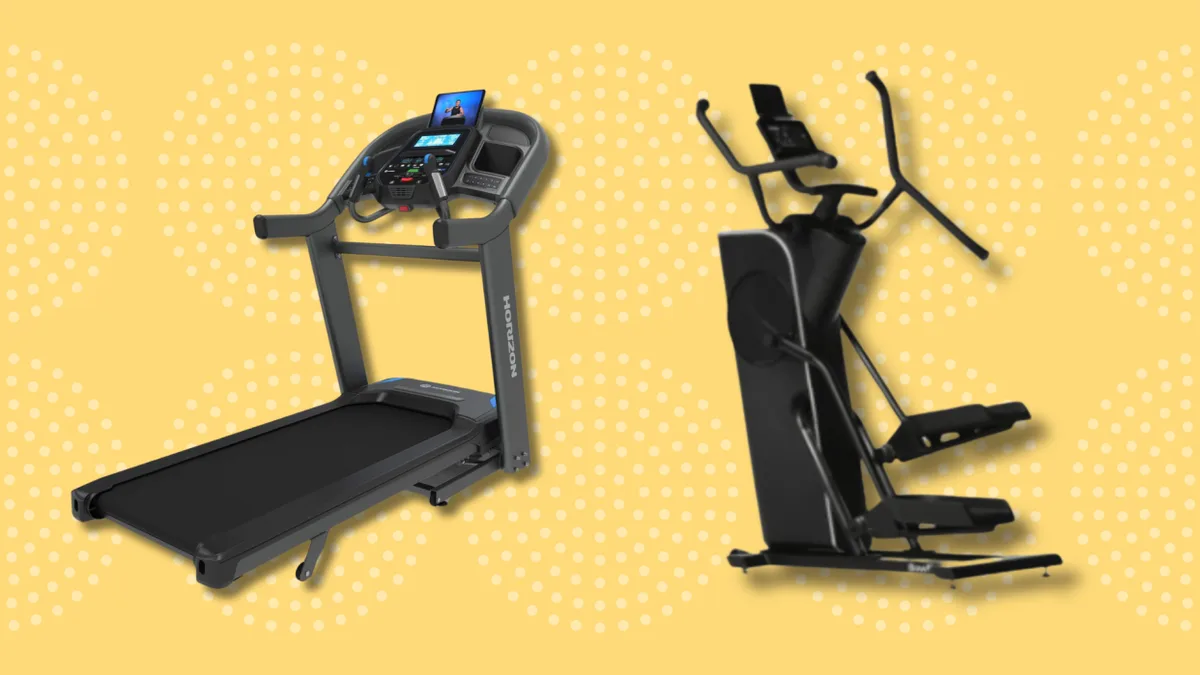
Elliptical vs. Treadmill
Treadmills offer a more natural running or walking motion, which is fantastic for improving bone density and mimicking outdoor activities. They’re also excellent for precise pace control and interval training. However, treadmills come with a much higher impact on your joints.
If you're dealing with knee pain or recovering from a fracture, a treadmill might not be the best choice. The elliptical, on the other hand, provides that cardio workout with far less joint stress. For a direct comparison of these two popular machines, you might find it helpful to see What Is the Difference Between an Exercise Bike and a Treadmill.
Elliptical vs. Stationary Bike
Stationary bikes, including upright and recumbent models, are also low-impact and great for cardiovascular health. Recumbent bikes offer excellent back support, making them ideal for people with back issues. However, they primarily target your lower body.
An elliptical, with its moving handlebars, offers a more comprehensive, full-body workout simultaneously. If your goal is to engage more muscle groups in a single session, the elliptical has an edge. You can explore the differences in What Is the Difference Between an Upright and Recumbent Exercise Bike.
Elliptical vs. Rowing Machine
Rowing machines are another fantastic full-body cardio option, working your legs, core, and upper body in a dynamic, fluid motion. They are exceptionally good for building core strength and back muscles. However, the form for rowing can be tricky to master, and improper technique can lead to lower back strain.
Ellipticals are generally more intuitive to use and may feel more comfortable for individuals new to cardio equipment. While both offer a robust workout, their movement patterns and primary muscle engagement differ significantly.
Who Benefits Most from an Elliptical Machine?
To really nail down if an elliptical is a smart buy for you, let's talk about who gets the most bang for their buck. It’s not just about having the equipment; it’s about whether it fits your life and goals.
Your Fitness Goals on an Elliptical
An elliptical is a stellar choice if your primary goals include:
- Improving cardiovascular health: It’s a solid way to strengthen your heart and lungs.
- Burning calories for weight management: The full-body engagement can help you torch more calories.
- Low-impact exercise: If joint pain is an issue, or you want to prevent future joint wear and tear, this is a major plus.
- Full-body conditioning: You can get a decent upper and lower body workout at the same time.
- Active recovery: After a tough workout or a long day, a light session can help with circulation and muscle soreness.
- Beginner-friendly cardio: The smooth motion is easy to learn and use.
Who Should Probably Skip It
On the flip side, an elliptical might not be your best bet if:
- You’re training for high-impact sports: Activities requiring explosive power, like sprinting or jumping, won't be directly trained.
- Your main goal is significant muscle hypertrophy (building large muscles): While it tones, it’s not the primary tool for serious muscle growth.
- You have very limited space and budget: Good quality ellipticals are an investment in both space and money.
- You find repetitive motion incredibly boring: If you struggle with monotony, you might not stick with it.
Making the Most of Your Elliptical Workout
Once you've decided an elliptical is right for you, the next step is figuring out how to use it effectively. It's not just about hopping on and pedaling; a little planning goes a long way to ensure you get the best results and avoid common missteps.
Getting Started: Assembly and First Use
Most ellipticals arrive partially assembled, but you'll likely have to attach some components yourself. Manufacturer specifications often provide estimated assembly times, which can range from 30 minutes to over an hour depending on the model's complexity. Always follow the instruction manual precisely.
When you first step on, start with a very low resistance and stride speed to get a feel for the motion. Ensure your feet are centered on the pedals and your posture is upright, with a slight bend in your knees. Resist the urge to hunch over or grip the handlebars too tightly.
Designing Effective Routines
To truly benefit, mix up your workouts. Don’t just stick to the same routine every single time.
- Vary Resistance: Gradually increase resistance as you get stronger. This challenges your muscles and boosts calorie burn.
- Incorporate Intervals: Alternate between high-intensity bursts (e.g., 1 minute at a high resistance/speed) and recovery periods (e.g., 2 minutes at a lower resistance/speed). This is known as High-Intensity Interval Training (HIIT) and is very effective for cardio fitness.
- Use Pre-Set Programs: Many ellipticals come with built-in programs designed for specific goals, like hill climbs, fat burn, or cardio endurance. These can add variety and challenge.
- Focus on Form: Pay attention to your posture. Keep your core engaged, shoulders back, and avoid leaning too heavily on the handlebars. Proper form maximizes muscle engagement and prevents strain.
- Adjust Stride: If your machine allows, experiment with stride length. A longer stride can engage your glutes and hamstrings more, while a shorter stride might feel more comfortable for some.
Remember, consistency is key. Aim for at least 150 minutes of moderate-intensity aerobic activity or 75 minutes of vigorous-intensity activity per week, as recommended by health guidelines. For an exercise bike, for example, How Often Should You Use an Exercise Bike and How Long Should You Ride an Exercise Bike offer insights into effective usage patterns that can translate to elliptical training.
Common Elliptical Machine Pitfalls to Avoid
Even with the best intentions, users can fall into traps that limit their workout’s effectiveness or even lead to minor issues. One common mistake is incorrect posture. Leaning too heavily on the handlebars or hunching your shoulders can reduce the workout's intensity and strain your back.
Always aim for an upright stance, keeping your core engaged.
Another frequent error is not varying the workout. Sticking to the exact same resistance and pace every single time means your body adapts, and progress stalls. Manufacturer specifications often highlight pre-set programs that can help prevent this by offering varied challenges.
You might also overlook the importance of proper setup, which can lead to squeaks or instability. A wobbly machine is not only annoying but can also be unsafe.
Is the Resistance Always Effective?
Not all resistance levels are created equal, and some users might find that the lower end of the spectrum is too easy, while the higher end is not challenging enough. This can depend on the machine's specific resistance system, like magnetic or air resistance. If you're finding it too easy, check if your machine has programs that automatically increase resistance, or consider manually adjusting it more frequently throughout your session.
Conversely, if the highest setting isn't enough, it might be time to consider upgrading or supplementing your workouts with other equipment.
What About Foot Placement and Stride?
Your feet should rest comfortably on the pedals, centered. If you consistently feel strain in your ankles or knees, check if you're overextending your stride or if the machine’s stride length is appropriate for your body. Some machines offer adjustable stride lengths, which can make a big difference in comfort and muscle engagement.
Proper foot placement ensures you're using the intended muscles and not putting undue pressure on your joints.
Elliptical Machine Costs: What to Expect
The price tag on an elliptical machine can vary wildly, and understanding this range helps set realistic expectations for quality and features. For a basic, functional model that gets the job done for light to moderate cardio, you might be looking at anywhere from $300 to $700. These machines will typically have essential features like basic consoles showing time, distance, and calories, and manual resistance adjustments.
As you move up in price, you start seeing improvements in durability, motor-driven or advanced magnetic resistance systems with more levels, and more sophisticated consoles with pre-set programs and heart rate monitoring. Models in the $800 to $1,500 range often offer smoother operation, better build quality, and more engaging workout options. High-end, commercial-grade ellipticals can easily exceed $2,000 or even $3,000, featuring robust construction, advanced programming, and sometimes even interactive training capabilities.
As of 2026, these premium options are increasingly incorporating smart features for connected fitness.
Basic vs. Advanced Features: What's Worth the Money?
- Basic Models ($300-$700): Good for occasional use, simple cardio. May have limited resistance levels and basic displays.
- Mid-Range Models ($800-$1,500): Offer better durability, more resistance options, pre-set programs, and often heart rate monitoring. Suitable for regular home use.
- Premium Models ($1,500+): Top-tier construction, advanced resistance systems, interactive displays, and potentially built-in workout apps or entertainment. Best for serious fitness enthusiasts.
Your Elliptical Questions, Answered
How long does setup take?
Assembly time can vary significantly based on the elliptical's complexity and your familiarity with tools. Most manufacturers estimate between 45 minutes to 2 hours. Always review the included manual and ensure you have the necessary tools before you begin.
Can ellipticals really work my whole body?
Yes, most ellipticals are designed for full-body engagement. The pedals move your legs in an elliptical motion, while the moving handlebars allow you to push and pull with your arms, engaging your upper body, chest, and back. You can also focus more on your lower body by holding onto stationary handles.
How much space do they need?
Ellipticals are not compact. They typically require a footprint of about 6 to 7 feet long and 2 to 3 feet wide, plus extra clearance around the sides and back for safe operation. Always measure your available space before purchasing.
How Much Space Does an Exercise Bike Need provides a good baseline for considering home gym equipment dimensions.
What if my elliptical starts making noise?
Noise is a common issue and can stem from various sources. Check for loose bolts or parts, ensure the floor is level, and inspect the pedals and handlebars. Some minor lubrication might be needed for moving parts, but always consult your owner's manual.
You might also find advice in articles like Why Is My Exercise Bike Pedal Making Noise helpful for general troubleshooting.
The Final Verdict: Is an Elliptical Worth It For You?
Ultimately, whether an elliptical machine is worth it boils down to a personal assessment of your fitness goals, living situation, and budget. If you're seeking a low-impact way to get your heart rate up, burn calories effectively, and engage multiple muscle groups without harshness on your joints, then an elliptical is a strong contender for your home gym. They offer a versatile cardio solution that can adapt to different fitness levels.
However, if you require high-impact training for specific sports, prioritize building significant muscle mass, or have very limited space and funds, other equipment might serve you better. Consider the commitment required for regular use; a high-quality elliptical is an investment, and like any investment, its value is realized through consistent use. If it fits your needs and you’ll use it regularly, an elliptical can certainly be a worthwhile addition to your home fitness routine.


10 Comments