What Is the Difference Between an Exercise Bike and a Treadmill
Treadmills and exercise bikes are the two most popular cardio machines sold today, which makes picking between them harder, not easier. So what is the difference between an exercise bike and a treadmill? In short, a treadmill is high-impact and weight-bearing, while an exercise bike is low-impact and joint-friendly.
The right pick comes down to your body, your routines, and your available floor space.
Our research shows that a 155-pound person burns roughly 300 calories per 30 minutes of running at 6 mph, versus about 260 calories for vigorous cycling. That's a real difference, but not the deciding one. The bigger gap is how your knees, hips, and ankles feel the next morning.
Here's the condensed version before we dig deeper.
Quick Answer
Treadmills simulate running with high-impact, weight-bearing motion. Exercise bikes provide low-impact cycling with a seated position. Treadmills burn more calories per minute and build bone density.
Bikes spare your joints and suit people with knee pain or balance concerns. Your body and lifestyle decide the winner.
Image source: Bing (Web (fair-use with source credit))
Why This Comparison Actually Matters for Your Home Gym
As of 2026, treadmills and exercise bikes still dominate home gym sales. Most people pick between them the way they pick a phone: they compare specs and ignore feel. That's a mistake.
Your joints, your posture, and your daily habits decide whether a treadmill or a bike becomes a daily ritual or a very expensive coat rack.
In our research, the biggest regret among buyers is buying for the workout they imagine, not the one they'll actually do. A treadmill promises outdoor running without the weather. A bike promises a smooth, quiet session while you catch up on shows.
Both deliver, but only if the machine matches how you genuinely like to move.
Space is another silent factor. A treadmill needs a clear footprint and often a dedicated power outlet. Most models weigh well over 200 pounds.
A bike is lighter, but still awkward to move once assembled. If you're in an apartment building, noise might be the tiebreaker. We'll cover that in the comparison table below.
The Treadmill, Broken Down: What It’s Really Like to Run Indoors
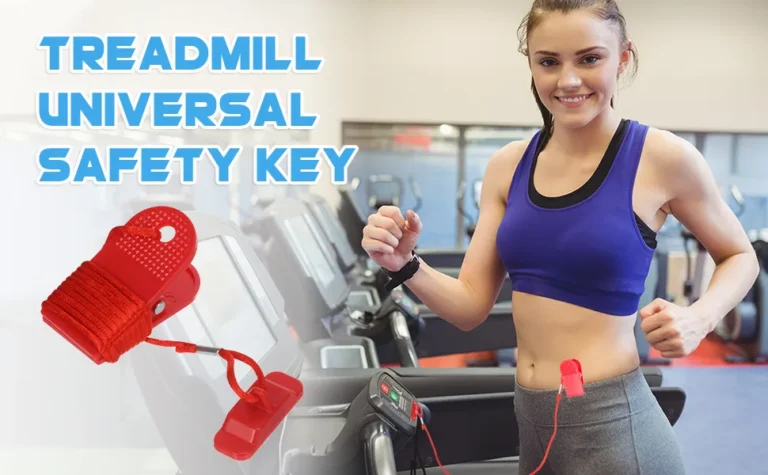
A treadmill is a motorized belt that lets you walk, jog, or run in place. Manual versions exist, but they're rare and harder to use. Motorized treadmills handle the speed for you, and most offer incline settings, pre-programmed workouts, and heart rate monitoring.
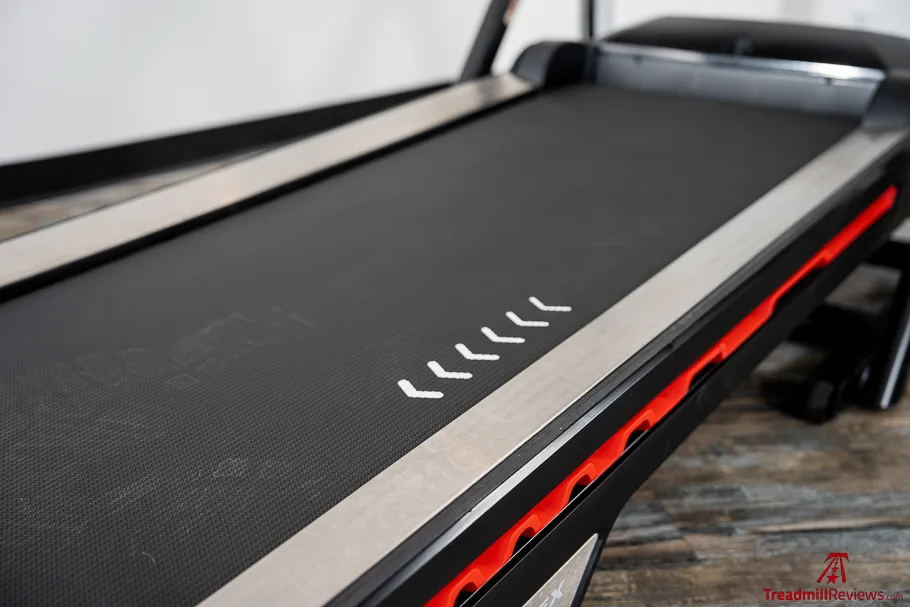
Image source: Bing (Web (fair-use with source credit))
The main selling point is that it's real, weight-bearing locomotion. Your foot lands, your body absorbs the shock, and your bones adapt to the stress. That's why running strengthens your skeleton in a way cycling simply can't.
It also burns more calories per minute than any other home cardio machine, which matters if your top priority is weight loss.
The trade-off is impact. Running repeatedly pounds your knees, shins, and lower back. For some people, that's manageable.
For others, it leads to overuse injuries within weeks. Consumer Product Safety Commission data indicates that treadmills also cause more emergency-room injuries than other exercise equipment, usually from falls, slips, or fatigue.
On the practical side, treadmills are bulky. A standard model runs about 70 inches long and 35 inches wide. Many fold up, but they're still heavy, often tipping the scales past 250 pounds.
Aggregate reviews report that belt noise and cushioning quality vary widely between models, so you really do get what you pay for.
The Exercise Bike, Broken Down: Low-Impact Doesn’t Mean Easy
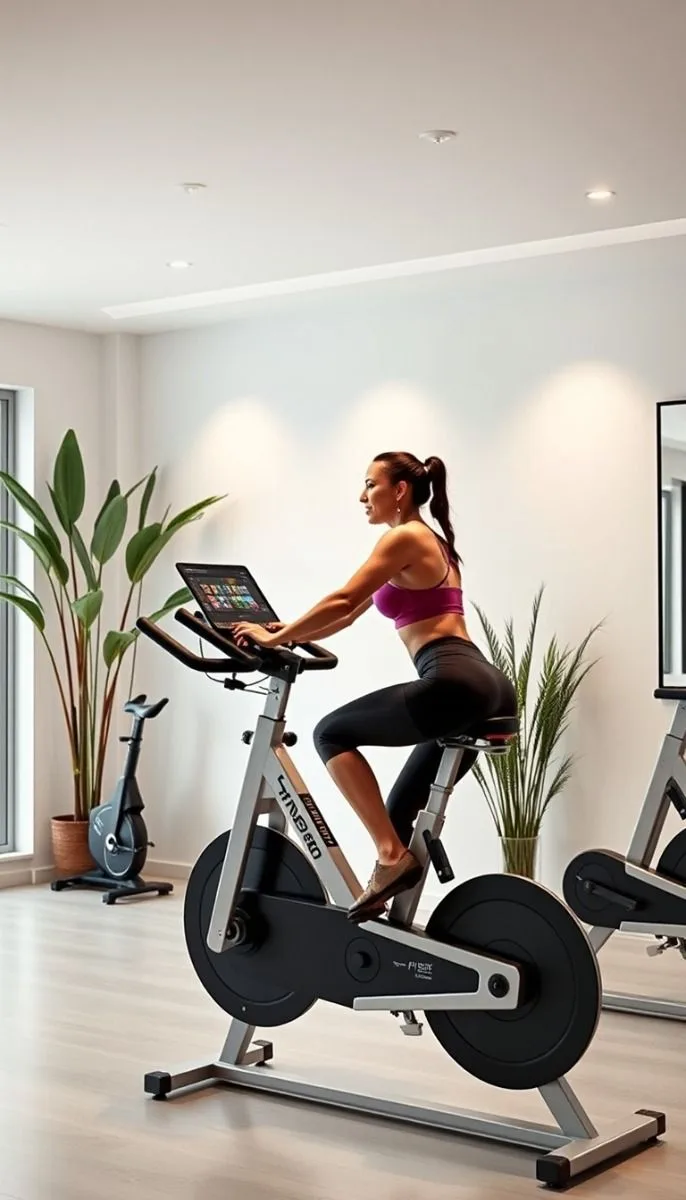
An exercise bike is a stationary cycle with adjustable resistance. There are three main styles: upright, recumbent, and indoor cycling, often called a spin bike. Upright bikes mimic a road bike with an aggressive post.
Recumbents place your legs out front and support your lower back. Spin bikes are heavier, sturdier, and built for intense, sweat-drenched sessions.
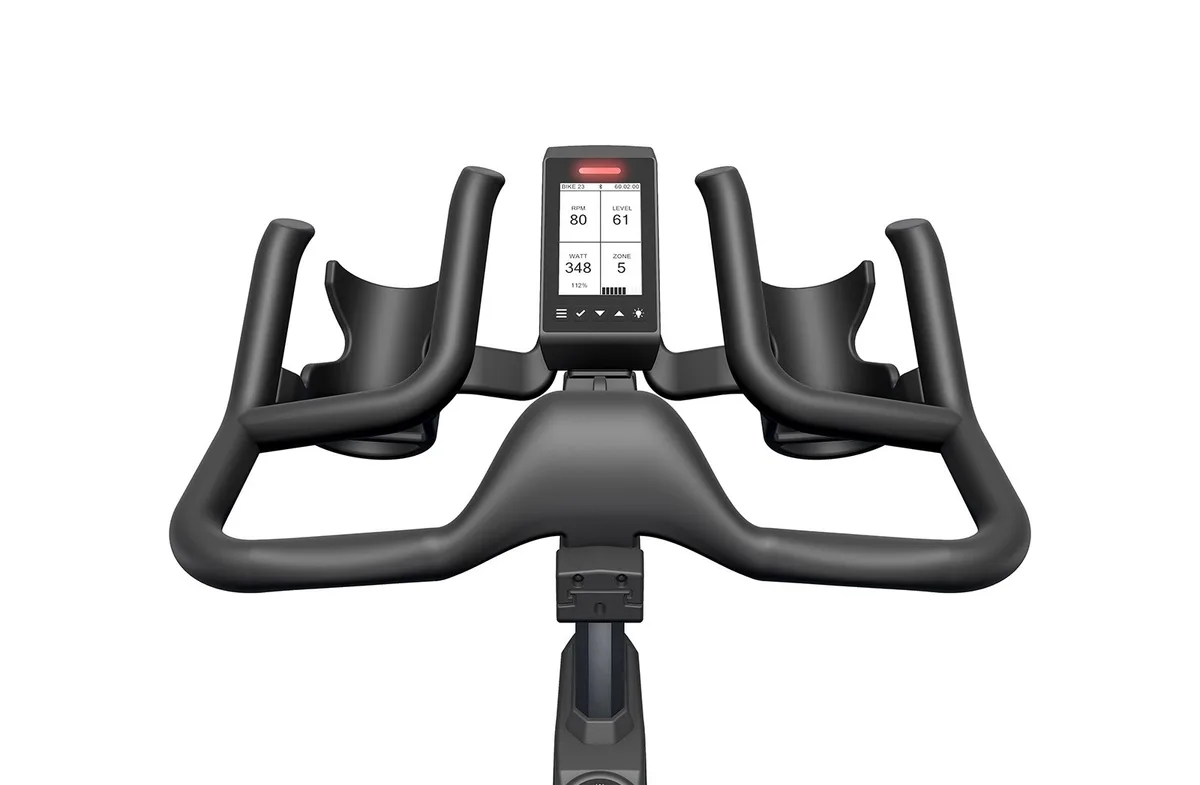
Image source: Bing (Web (fair-use with source credit))
The bike's superpower is that it removes impact almost entirely. Your feet stay on the pedals, and your weight rests on the saddle. That makes it the natural pick for someone with knee arthritis, past injuries, or balance concerns.
It's also far safer for seniors or anyone nervous about falling off a moving belt.
You can read, watch television, or follow a virtual class without breaking your rhythm. The low impact also means you can train hard day after day without the same wear and tear. Calorie burn is respectable, too.
A vigorous 30-minute session for a 155-pound person burns roughly 260 calories, and raising the resistance can push that number higher.
The downsides are honest ones. The most common complaint in verified buyer feedback is seat soreness, since stock saddles are often narrow and hard. Also, a bike works mostly your legs.
Your core and upper body stay passive unless you intentionally engage them. And if you're used to running, the seated motion can feel oddly restrictive for the first few sessions.
Exercise Bike vs. Treadmill: Side-by-Side Comparison
Here's where it all comes together. We put both machines head-to-head across the factors that actually shape your experience. Use the table to spot where your priorities line up.
| Factor | Treadmill | Exercise Bike |
|---|---|---|
| Impact | High, weight-bearing | Zero-impact |
| Calorie burn (30 min, 155-lb person) | ~300 calories running | ~260 calories vigorous |
| Main safety risk | Falls and slips off the belt | Saddle discomfort, falling if careless |
| Footprint | ~70" long x 35" wide | ~45" long x 20" wide |
| Noise level | Moderate to loud, persistent thumping | Quiet, mostly a gentle wheel hum |
| Ideal user | Runners, athletes, weight-loss seekers | Joint issues, seniors, readers, rehab patients |
The impact difference is the core divide. A treadmill forces your body to handle ground reaction forces that approach two to three times your body weight when running. A bike keeps your mass supported, so your joints only manage the circular motion of the pedals.
For weight loss, the treadmill holds a slight edge if you can tolerate the pounding. For consistency, the bike usually wins. Why?
Because it's easier to sit down and pedal for twenty minutes than to gear up mentally for a run. In our analysis, the machine you can use daily is ultimately the one that produces results.
Best For Each Use Case: Who Should Buy Which
If you're still stuck, match your situation to the scenarios below. There's a clear answer for most people, even if it's not the one they expected.
- Training for a road race or improving running form: go with the treadmill. You need to practice the exact motion of running.
- Knee, hip, or ankle pain that flares up when you run: choose the exercise bike. Low-impact cardio is much easier on aching joints.
- Goal is maximum calorie burn per minute, and your body tolerates impact: pick the treadmill.
- You want to watch shows, read, or join a relaxed class while working out: the bike wins, hands down.
- You're over 60 or worried about balance: a recumbent exercise bike is the safest choice.
- You live in an apartment with thin floors or shared walls: exercise bike. The noise difference is significant.
- You only have room and budget for one machine: the treadmill is more versatile, since you can walk, jog, or run at any pace.
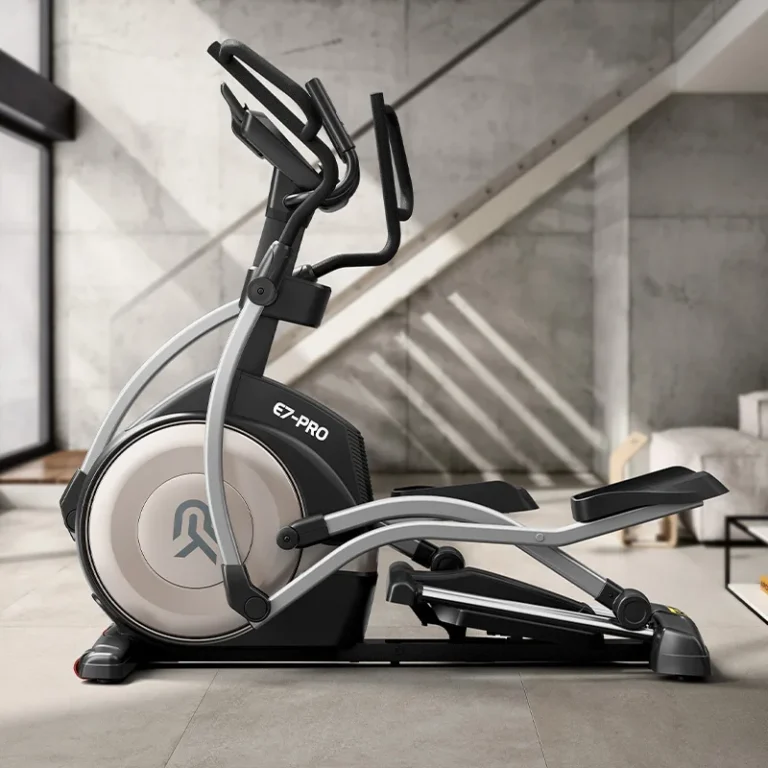
If neither machine feels quite right, remember that ellipticals and rowers blend the best of both worlds. They give you a full-body, low-impact workout without the bulk of a treadmill or the stationary feel of a bike. Comparing those options side by side can clarify what your body actually wants.
Common Mistakes to Avoid When Choosing or Using Either Machine
The most common mistake isn't picking the wrong machine. It's buying the one that looks better on paper and then discovering your body hates it within a week. If you have knee pain and buy a treadmill, you'll likely stop using it, and the machine becomes a $2,000 towel rack.
Another frequent error is ignoring your available floor space. A treadmill needs about 70 inches of length and clearance on all sides. Placing it against a wall risks hitting the wall with your hands while running.
A bike is more forgiving, but you still need room to mount and dismount safely. A rower has spatial demands of its own, so measure twice before buying.
Proper form matters more than most people realize. On a treadmill, that means landing mid-foot and keeping your shoulders relaxed. On a bike, it means adjusting the seat height so your knee has a slight bend at the bottom of the pedal stroke.
Aggregate reviews show that poor posture and wrong saddle height cause most of the joint pain that users blame on the equipment itself.
Finally, don't skip warm-ups on either machine. A cold body running at full speed stresses your Achilles tendon and calves. Likewise, hopping on a bike and immediately cranking high resistance can strain your quads and knees.
A five-minute easy pace on either machine prevents most of these issues. For safety context, Consumer Product Safety Commission data confirms that most treadmill injuries come from fatigue-related falls, not mechanical failure.
Expert Tips for Getting the Most Out of Your Cardio Machine
Squeezing real results from either machine takes more than showing up. Small adjustments separate a great session from a mediocre one. On a treadmill, use the incline instead of just speed for progressive overload.
Even a 2 percent grade changes the muscle recruitment pattern and boosts calorie burn noticeably.
On a bike, focus on cadence, not just resistance. Pedaling at 80 to 90 revolutions per minute, or RPM, keeps your knees happy while building cardiovascular endurance. Mashing a heavy gear at 50 RPM stresses your joints without improving your aerobic engine.
Interval sessions, alternating high effort with easy recovery, deliver the best time-to-result ratio on both machines.
Don't ignore recovery metrics either. Your heart rate should return to roughly 100 beats per minute within five minutes of finishing. If it takes longer, your effort level is likely too high for your current fitness baseline.
Many modern consoles track this, but a basic chest strap does the job just as well.
Maintenance is the boring part that keeps everything working. Wipe down the handles and screen after every use, and vacuum around the motor or flywheel weekly. For treadmills, check belt lubrication per the manufacturer's manual.
For bikes, verify that the seat post and pedals stay tight.
Skip the daily upkeep, and you'll be troubleshooting noise or stiffness within a few months of regular use. The same cleaning routine applies to a rower if you use one for cross-training.
Frequently Asked Questions
Which burns more calories, a treadmill or an exercise bike?
A treadmill burns more in most cases. A 155-pound person burns about 300 calories in 30 minutes of running at 6 mph, versus roughly 260 calories for vigorous cycling. The gap grows wider at higher speeds.
The bike can narrow the gap if you train hard with heavy resistance and high cadence.
Is a treadmill or exercise bike better for bad knees?
The exercise bike wins clearly. Its zero-impact pedal stroke spreads the load smoothly through your knee joint, and a recumbent bike takes it even easier. Treadmill running sends repeated shock waves of two to three times your body weight through your knees.
If you have osteoarthritis or patellar tracking issues, pick the bike.
Can I lose weight with just an exercise bike?
Yes, absolutely. Weight loss comes from a calorie deficit, and the bike can create one effectively. Consistency is its real strength.
You'll hit 300 calories per session more reliably on a bike because the low impact makes daily workouts possible. Pair that with a modest diet adjustment, and the results compound.
How much space do you really need for each machine?
A treadmill needs a footprint of about 70 inches by 35 inches, plus clearance around the sides. A bike needs roughly 45 inches by 20 inches, though spin bikes with wider flywheels take a bit more. If floor space is tight, a folding treadmill or a compact upright bike helps, but measure your room before ordering.
Is one machine safer for older adults?
The exercise bike is safer overall. The seated position removes fall risk, which is the primary danger on a treadmill. Recumbent bikes offer extra stability for anyone concerned about balance.
Treadmills require steady walking or running on a moving belt, which can be hazardous if your balance is compromised.
Final Recommendation: Which Machine Should You Buy?
Here's the short answer. If you can tolerate impact and want the most efficient calorie burn per minute, get a treadmill. If you have joint pain, balance concerns, or simply prefer a quieter, more forgiving workout, get an exercise bike.
For most people over 45, or anyone with a history of lower-body injuries, the bike is the smarter long-term investment. It encourages daily consistency without the threat of injury. For competitive runners, treadmill training is irreplaceable.
A test run on your target machine is always worth it, even if you buy second-hand afterward.
If you're still unsure, look at a third option. An elliptical or a rower gives you a low-impact, full-body session with a solid calorie burn. Our research highlights that rowers in particular challenge your upper body in ways neither a bike nor a treadmill can match.
That can break the boredom of doing the same movement pattern every day.
Whichever machine you choose, commit to a six-week trial before judging it. Your body adapts to new movement patterns slowly. Stick with one machine, schedule your sessions, and let the results speak for themselves.