How to Clean a Rowing Machine
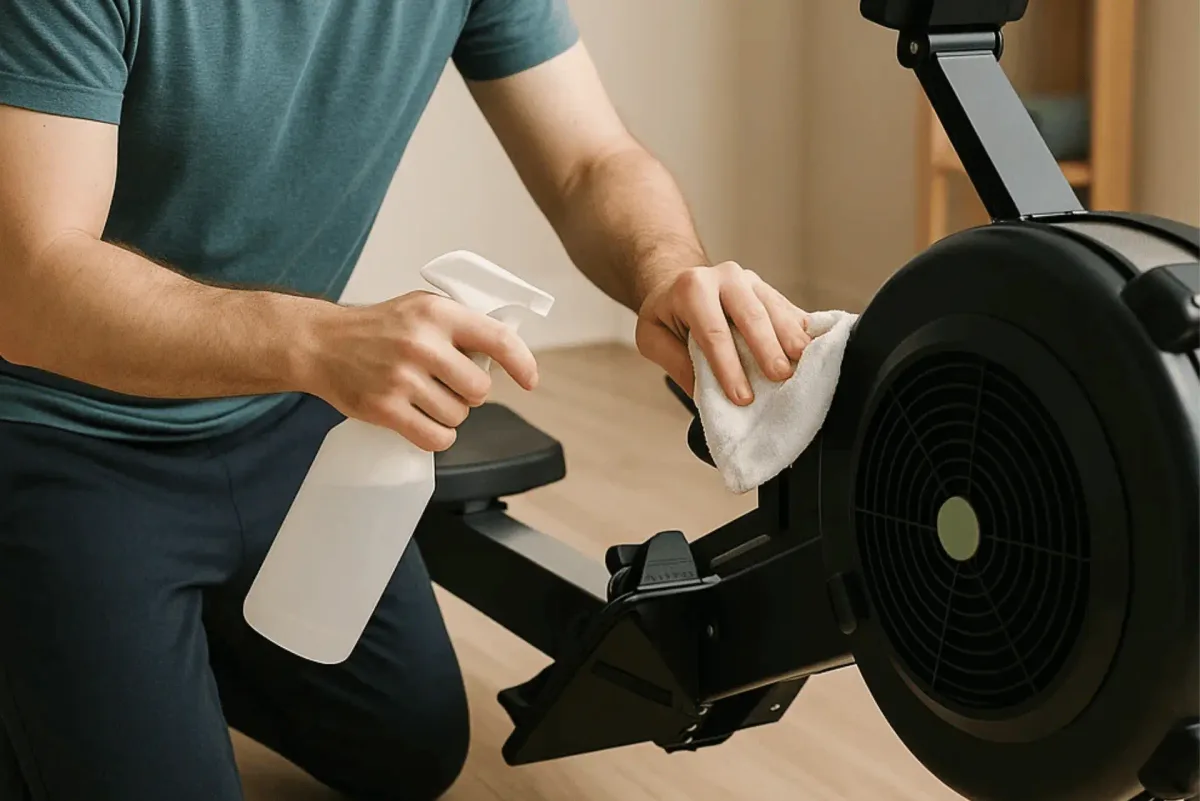
Image source: Bing (Web (fair-use with source credit))
Keeping your rowing machine in prime condition is just as important as your workout. A clean rower not only looks better but also performs better and lasts much longer. Ignoring regular upkeep can lead to performance issues, and in some cases, damage that's expensive to fix.
Manufacturer specifications often recommend regular cleaning to ensure optimal operation and user safety, with some guidelines suggesting weekly attention. In our research, we found that consistent, simple cleaning practices can prevent most common problems. Let's dive into how to get your rower sparkling.
What Kind of Rower Are You Cleaning?
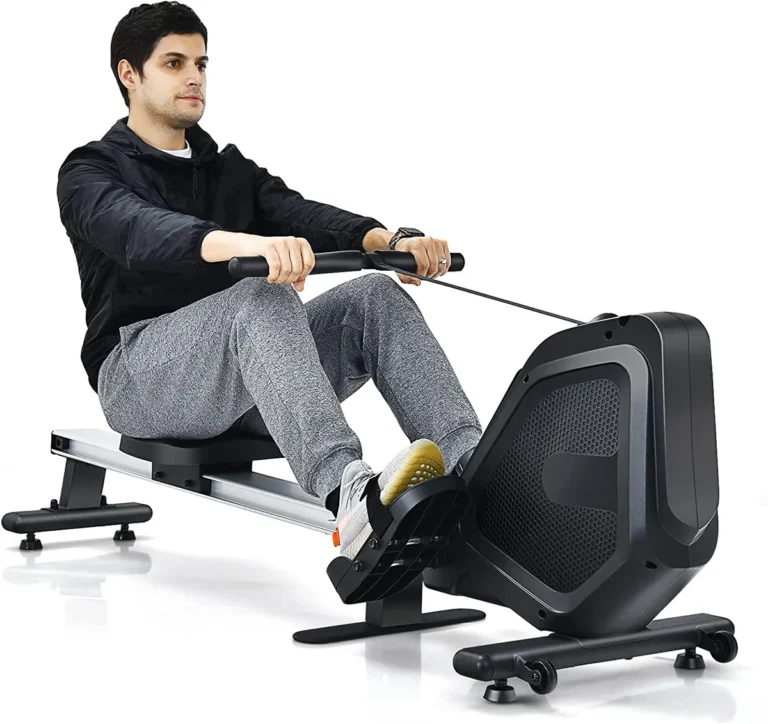
The first step to effectively cleaning your rowing machine is understanding its specific type, as this dictates the best approach and the components you'll focus on. Different resistance mechanisms require different care. For instance, air rowers need attention to their fan housing, while water rowers require management of their water tank.
Magnetic rowers, generally, need the least hands-on cleaning for their core resistance parts. As of 2026, most home rowing machines fall into these three main categories: air, water, or magnetic resistance. Knowing which one you have is key to following the right cleaning workflow.
Quick Weekly Wipe-Down: Your Rower's Best Friend
This routine cleaning is your essential first line of defense against sweat, dust, and grime. It's designed to be quick, taking only a few minutes, but makes a huge difference in keeping your rower hygienic and functional. Think of it as a post-workout refresh for your machine.
A regular wipe-down prevents buildup that can become stubborn and potentially damage components over time. It’s a small effort that yields significant benefits for your equipment’s longevity.
Here’s what to focus on during your weekly clean:
- Frame and Seat Rail: Use a damp cloth to wipe down the main frame. Pay close attention to the seat rail, ensuring it's free of dust and sweat residue. A clean rail means a smoother glide for your seat.
- Seat and Handle: These are high-contact areas. Wipe them down with a damp cloth to remove any sweat or oils. For tougher spots, a very mild soap solution can be used, followed by a clean damp cloth to rinse.
- Foot Straps and Footrests: Ensure these are clean and secure. Wipe them down with a damp cloth to remove sweat and dirt.
- Visible Dust: Quickly brush or wipe down any visible surfaces to remove accumulated dust.
Monthly Deep Clean: Tackling the Toughest Grime
Your monthly deep clean goes beyond the quick wipe-down to address areas that might need more thorough attention. This process helps maintain your rower's performance and prevents issues that can arise from neglected components. While the frequency might vary slightly based on how much you use your machine, a monthly deep clean is a solid benchmark for most home users.
It’s about getting into the nooks and crannies and ensuring every part is functioning optimally.
Air Rower Specifics: Fans and Frames
Air rowers utilize a fan to create resistance, and this component can accumulate dust and debris over time. Manufacturer specifications often recommend periodic cleaning of the fan housing to maintain airflow and smooth operation.
- Fan Housing: Dust and sweat can get inside the fan blades. Most air rowers have a cover that can be removed, typically with a few screws.
- Once the cover is off, use a vacuum cleaner with a brush attachment or a soft brush to gently clean the fan blades and the interior of the housing.
- Be careful not to force anything or bend the fan blades.
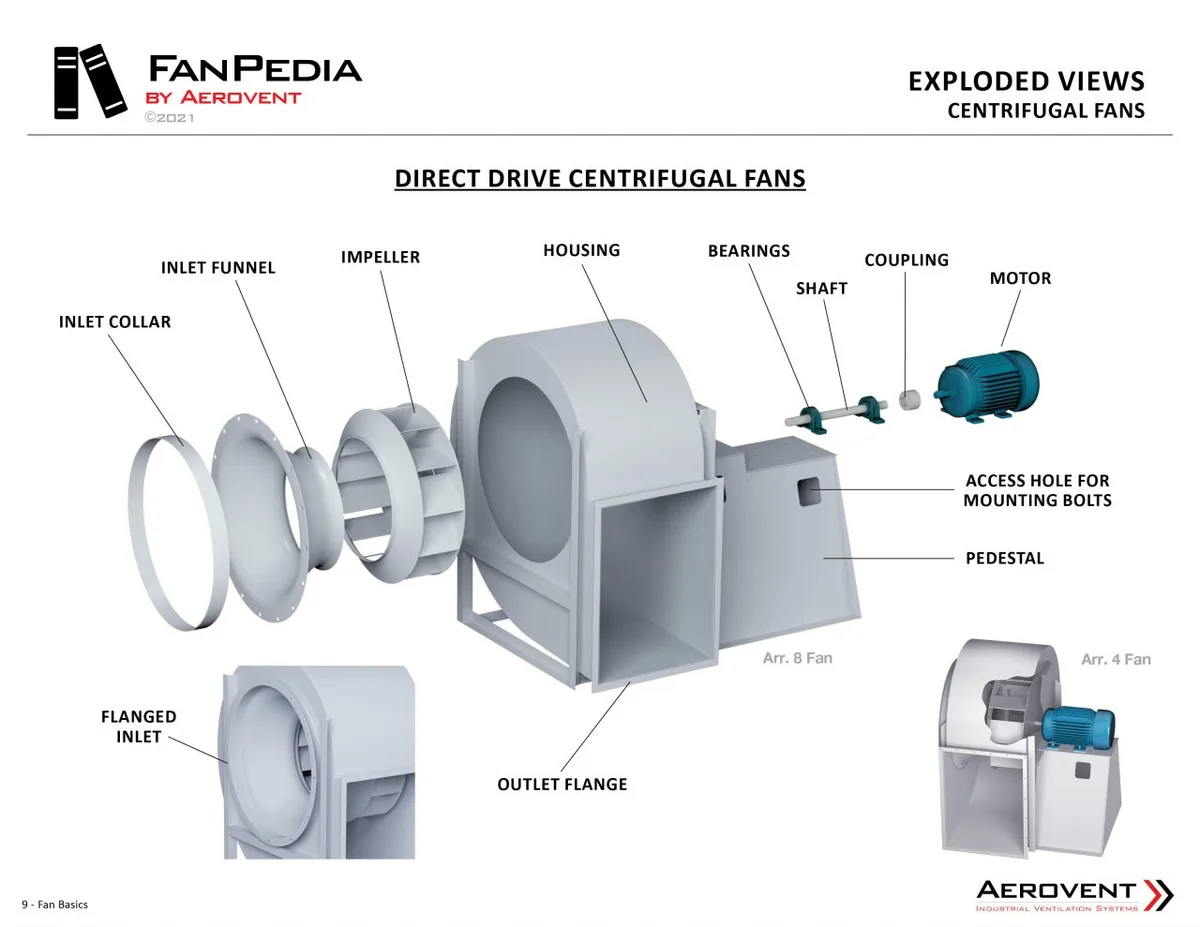
Image source: Bing (Web (fair-use with source credit))
- Seat Rail Lubrication: If your seat rail starts to feel stiff or squeaky, it might need a touch of lubrication. Crucially, always consult your owner's manual first. Some manufacturers recommend a specific type of lubricant applied sparingly to the rail itself, while others advise against it. Never spray lubricant directly onto the seat or into the mechanism. Keeping the seat rail clean is the primary step for smooth movement.
Water Rower Essentials: Tanks and Treatments
Water rowers offer a unique rowing feel thanks to their water-based resistance system. The primary concern here is maintaining the water quality within the tank to prevent bacterial growth and ensure a consistent rowing experience. Some water rower models are designed to be virtually maintenance-free for the tank for extended periods, but others require more regular attention.
- Water Treatment: Most water rowers come with specialized purification tablets or a liquid solution. These are essential for preventing algae and bacterial growth.
- Check your owner's manual for the recommended schedule for adding or replacing these treatments. Typically, this might be every 3-6 months, depending on usage and ambient conditions.
- Water Changes: Eventually, the water will need to be completely changed. This usually involves siphoning out the old water and refilling with fresh, treated water.
- Siphoning: Use a siphon pump designed for aquarium use or a simple hand pump. Place one end in the tank and the other in a bucket or drain.
- Refilling: Use clean tap water. Add the correct amount of water treatment solution before or immediately after filling, as per your manufacturer's instructions.
- Have towels ready, as siphoning and refilling can be a bit messy. This process is generally recommended every 6-12 months, but always defer to your machine's manual.

Image source: Bing (Web (fair-use with source credit))
Magnetic Rower Maintenance: The Simple Approach
Magnetic rowers are often the quietest and require the least amount of direct user maintenance for their resistance mechanism. The magnetic system is typically sealed and doesn't involve parts that collect dirt or require routine cleaning in the same way as air or water rowers. Your focus will be on the external components and ensuring a smooth glide.
- Exterior Cleaning: Simply wipe down the frame, seat rail, and footrests with a damp cloth, just as you would for other rower types.
- Resistance Check: You won't be "cleaning" the magnets, but you can ensure the mechanism is functioning smoothly by checking for any unusual noises or resistance changes that might indicate an issue requiring professional attention.
- Footrest Straps: Keep these clean and ensure they are securely fastened to your shoes each time you use the machine.
Avoiding Common Cleaning Mistakes
While cleaning your rowing machine seems straightforward, a few common errors can actually cause more harm than good. Understanding these pitfalls can save you time, effort, and potential repair costs. For instance, using the wrong cleaning agents is a frequent mistake that can damage surfaces.
Always remember that your rower is made of various materials, plastics, metals, and sometimes composites, each requiring specific care.
- Using Harsh Chemicals: Avoid abrasive cleaners, solvents, bleach, or ammonia-based products. These can damage the paint finish, discolor plastics, and even corrode metal parts over time. Stick to mild soap and water or cleaners specifically designed for fitness equipment.
- Over-Wetting Components: Never drench your rower with water. Excessive moisture, especially on electronic consoles or metal parts, can lead to corrosion, electrical issues, or mold growth. Always use a damp, not soaking wet, cloth, and dry components thoroughly afterward.
- Ignoring the Owner's Manual: Every rower model has unique components and maintenance needs. Relying on generic advice without consulting your specific owner's manual is a common oversight. The manual is your most authoritative source for what to use, what to avoid, and how often to perform maintenance. Manufacturer specifications often detail precise cleaning protocols.
- Neglecting Drying: After wiping down any part of your rower with a damp cloth, always follow up with a dry cloth. This is especially crucial for metal components to prevent rust and water spots.
Expert Tips for Lasting Rower Performance
Beyond routine cleaning, a few extra steps can significantly enhance your rowing machine's longevity and your overall workout experience. These tips focus on proactive care and smart usage that complements your cleaning schedule. Think of these as bonus insights from those who know rowing machines best.
Aggregate reviews and manufacturer guidelines consistently highlight that consistent, albeit simple, upkeep is key.
- Post-Workout Wipe: Make it a habit to do a quick, 30-second wipe-down of the seat rail and handle immediately after each workout. This single habit drastically reduces the need for deep cleaning later.
- Proper Storage: If you need to store your rower, especially if it's a foldable model, ensure it's clean and dry before folding. Storing a machine with residual moisture can lead to mold or rust.
- Listen to Your Machine: Any new squeaks, rattles, or unusual resistance changes are signals. Often, they indicate a need for cleaning or tightening a bolt, but sometimes they can point to a more significant issue requiring professional inspection.
- Inspect Regularly: Beyond cleaning, take a moment during your deep clean to visually inspect all parts. Check for any signs of wear and tear, loose connections, or damage. Early detection is key to preventing minor issues from becoming major problems. As of 2026, many modern rowers offer self-diagnostic features, but a manual check is still invaluable.
Maintenance: Long-Term Optimization
Consistent cleaning is the foundation of long-term rower performance. Think of it as preventative care that stops small issues from becoming big, expensive ones. Regular attention ensures your machine remains reliable, smooth, and effective for your workouts, year after year.
This approach aligns with manufacturer recommendations that often suggest more than just basic cleaning for optimal longevity.
Beyond simple wiping, consider these aspects:
- Bolt and Screw Checks: Vibrations from regular use can loosen hardware over time. During your monthly deep clean, give visible bolts and screws a quick check to ensure they are snug. Don't overtighten, especially on plastic components, but ensure nothing is significantly loose.
- Component Wear: Keep an eye out for any signs of unusual wear on parts like the seat, foot straps, or even the drive belt (on some models). Early detection of fraying or cracking allows for timely replacement before it affects your workout or causes a safety concern.
- Storage Considerations: If you need to store your rower, especially for extended periods, ensure it's clean and completely dry before folding. Storing a machine with residual moisture can lead to rust or mold. For models that fold, ensure the locking mechanisms are clear of debris.
Final Recommendation: Decision Guide
Choosing the right cleaning approach boils down to your rowing machine's type and how often you use it. The core principle, however, remains consistent: regular, gentle cleaning is always better than infrequent, aggressive scrubbing. By understanding the nuances of air, water, and magnetic rowers, you can tailor your maintenance routine effectively.
Here’s a quick rundown to help you decide on your approach:
- For Air Rowers: Prioritize cleaning the fan housing monthly to ensure smooth airflow. Weekly wipe-downs of the frame and seat rail are essential.
- For Water Rowers: Focus on the water tank's cleanliness. Monthly checks of water treatment levels and a full water change every 6-12 months are key. Always follow manufacturer guidelines for water treatment.
- For Magnetic Rowers: These are the simplest. Stick to weekly wipe-downs of external surfaces. The resistance mechanism is typically sealed and requires minimal direct cleaning.
Regardless of your rower type, always consult your owner's manual for specific product care instructions. Using the correct cleaning agents and methods ensures your machine operates efficiently and safely for countless workouts to come.
Frequently Asked Questions
How often should I clean my rowing machine?
For most users, a quick wipe-down of high-contact areas like the handle and seat rail should be done weekly, ideally after each workout. A more thorough deep clean, addressing components like the fan housing or water tank, is recommended monthly.
Can I use household cleaners on my rowing machine?
It's best to avoid most standard household cleaners. Harsh chemicals like bleach, ammonia, or abrasive solvents can damage the rower's finish, plastics, and metal components. Stick to mild soap and water or cleaners specifically formulated for exercise equipment.
What if my water rower's water looks cloudy?
Cloudy water in a water rower usually indicates a need for more frequent water treatment or a full water change. Ensure you're using the correct purification tablets or solution as recommended by the manufacturer. Algae or bacterial growth can cause cloudiness.
My rowing machine is squeaking. What should I do?
A squeak often means something needs lubrication or tightening. Check your owner's manual for specific lubrication points, which might include the seat rail. Ensure all bolts and screws are snug.
If the squeak persists after checking these, it might indicate a more serious mechanical issue.
How long does it take to clean a rowing machine?
A quick weekly wipe-down usually takes 2-5 minutes. A monthly deep clean can take anywhere from 15-30 minutes, depending on the type of rower and how thorough you are. Changing the water in a water rower might take slightly longer, perhaps 20-40 minutes.