How Much Does a Rowing Machine Weigh
When you're looking at getting a rowing machine, there's a spec that often gets overlooked until you're trying to move it: its weight. Asking "how much does a rowing machine weigh" is actually a smart move because that number tells you a lot about its stability, portability, and even its build quality. It’s more than just a number on a spec sheet; it’s a practical consideration for your home gym setup and workout experience.
In our research, manufacturer specifications commonly list machine weights ranging from about 30 pounds for lightweight hydraulic models all the way up to 150 pounds or more for robust magnetic or water rowers. Understanding this range helps you plan for delivery, setup, and how you'll manage the machine in your living space, directly impacting your overall satisfaction. Let's dive into why this detail is so important.
Quick Answer
Rowing machines typically weigh between 50 and 150 pounds. Lighter models around 30-70 lbs are often hydraulic, while heavier machines in the 70-120+ lb range include air, water, and magnetic rowers. Heavier machines offer better stability, while lighter ones are easier to move.
Why Rowing Machine Weight Matters
The weight of a rowing machine isn't just a statistic; it's a key factor that directly influences several aspects of your ownership and workout experience. Think of it as a foundational element that impacts how the machine performs and how easily you can integrate it into your home.
Stability During Workouts: A heavier machine generally translates to greater stability. When you're pushing hard through a high-intensity interval or pulling with significant force, you want a rower that feels planted and doesn't wobble. A stable base ensures a safer and more effective workout, allowing you to focus entirely on your form and exertion rather than compensating for movement. Aggregate reviews often highlight that users prefer machines that feel solid underfoot.
Portability and Storage: On the flip side, if you have limited space or plan to move your rower regularly, its weight becomes a primary concern. Lighter machines, especially those with built-in transportation wheels, are much easier to maneuver. This is crucial if you need to stash it away after use or move it between different rooms. Conversely, very heavy machines might require two people to move or could be a struggle if you have stairs to contend with.
Build Quality Indicator: Generally, a higher machine weight can suggest more robust construction and higher-quality materials. Manufacturers often use denser metals or more substantial components in heavier models, which can contribute to increased durability and a longer lifespan. While not a hard and fast rule, it's a common correlation to consider, especially when comparing models within similar price brackets.
Delivery and Setup Logistics: Knowing the weight beforehand is essential for planning delivery and setup. You'll know if you need to enlist help to get it into your home or if you can manage it yourself. This foresight can prevent unexpected struggles or the need to schedule additional assistance, ensuring a smoother overall purchase process.
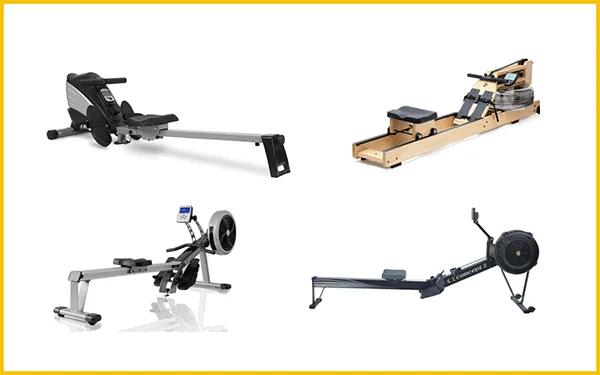
Image source: Bing (Web (fair-use with source credit))
Understanding Rowing Machine Weight Ranges by Type
The physical weight of a rowing machine varies significantly based on its core mechanism and construction. Different types are designed with different priorities in mind, and their weight reflects this. Understanding these distinctions can help you narrow down your choices based on your specific needs for stability, portability, and workout feel.
As of 2026, these general ranges hold true across most major manufacturers.
Here's a breakdown of the typical weights you'll find for each main category:
Air Rowers: These machines use a fan or impeller to create resistance. The resistance increases with your rowing speed.
- Typical Weight: 50 to 100 pounds.
- Why: They often feature lighter frames but can have larger footprints due to the fan housing. Their construction prioritizes airflow and smooth resistance over sheer mass.
Water Rowers: These mimic the feel of rowing on actual water by using a water-filled tank and a paddle-like impeller.
- Typical Weight: 60 to 120 pounds (this often doesn't include the weight of the water in the tank, which can add another 20-40 pounds when full).
- Why: The water tank itself adds considerable weight. The frame also needs to be sturdy to support the tank and withstand powerful strokes.
Magnetic Rowers: These use a system of magnets to create adjustable resistance, offering a quiet and smooth operation.
- Typical Weight: 70 to 150 pounds or more.
- Why: Magnetic systems, along with the necessary flywheel and housing, tend to be the heaviest. This increased mass contributes to their renowned stability and the broad range of resistance they can offer.
Hydraulic/Piston Rowers: These use hydraulic cylinders to generate resistance. They are often the most compact and lightweight option.
- Typical Weight: 30 to 70 pounds.
- Why: Their simpler mechanism and smaller frames make them inherently lighter. This makes them a popular choice for those prioritizing easy storage and mobility.
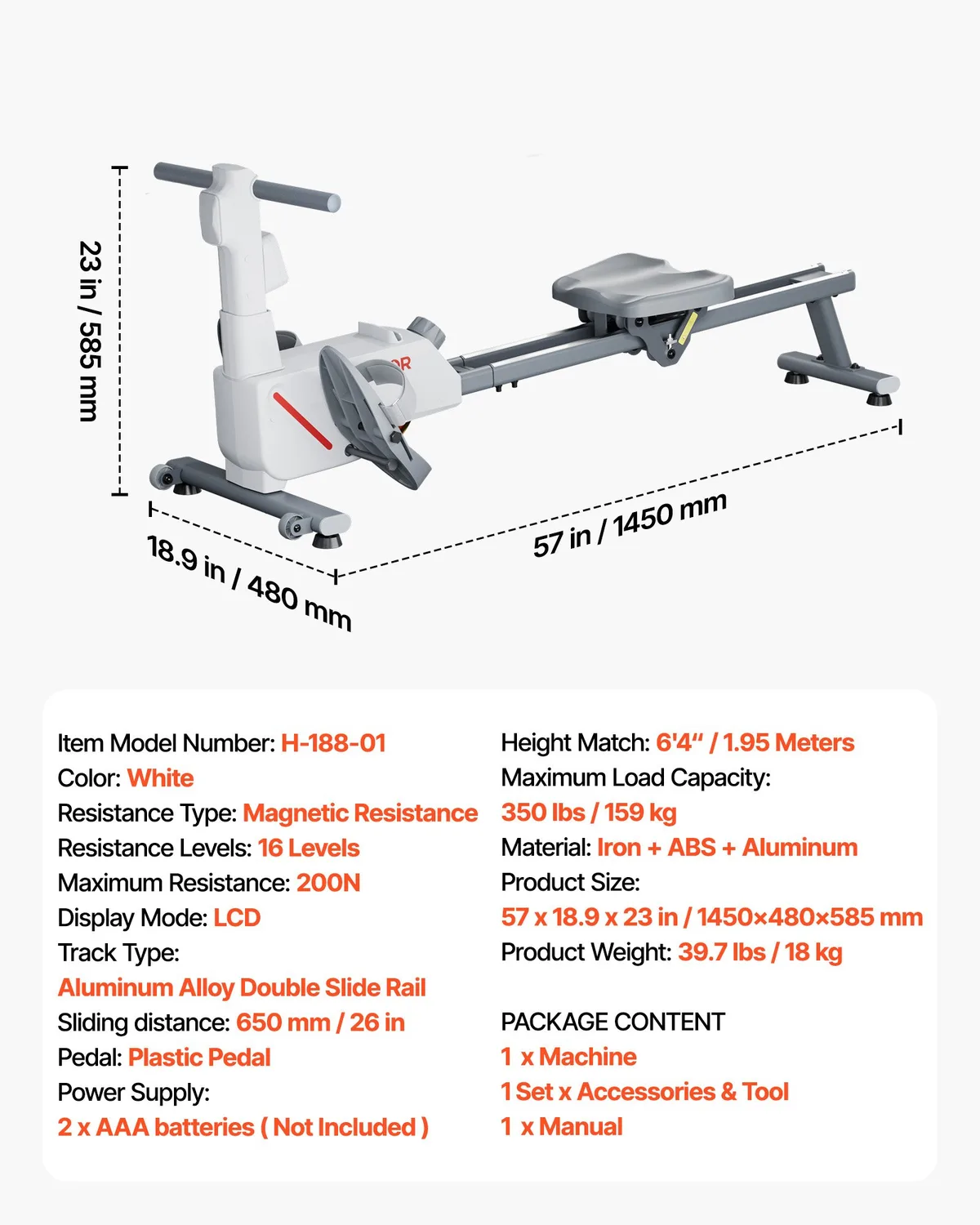
Image source: Bing (Web (fair-use with source credit))
How Weight Affects Your Workout Experience
The weight of a rowing machine isn't just about moving it; it directly impacts how you feel during your workout and how the machine performs under stress. It's a crucial attribute that influences both the physical sensation and the practicality of using the equipment day in and day out.
Stability and Performance
A heavier rowing machine generally offers superior stability. When you’re digging deep into a high-intensity interval, the forces you exert can cause lighter machines to shift or even slide slightly. This can be distracting and, more importantly, compromise your form and safety.
Machines that weigh upwards of 70-100 pounds, like many robust magnetic or water rowers, tend to feel more grounded. This solid foundation allows for more powerful strokes and a consistent workout rhythm, as the machine stays put no matter how hard you pull. For anyone seeking a truly immersive and stable rowing experience, prioritizing a machine with significant heft is often a wise decision.
Portability and Storage Solutions
While weight contributes to stability, it's the flip side of the coin when it comes to moving and storing the equipment. If your home gym space is multi-purpose, or if you simply want to tuck your rower away after a session, weight is a critical factor. Lightweight hydraulic rowers, often falling in the 30-70 pound range, are the easiest to lift and move.
Many also feature folding designs for compact storage. Even heavier machines can be manageable if they come equipped with effective transportation wheels. For instance, a 100-pound air rower with well-placed wheels can be rolled out of the way with relative ease, whereas a similarly weighted machine without them might become a permanent fixture.
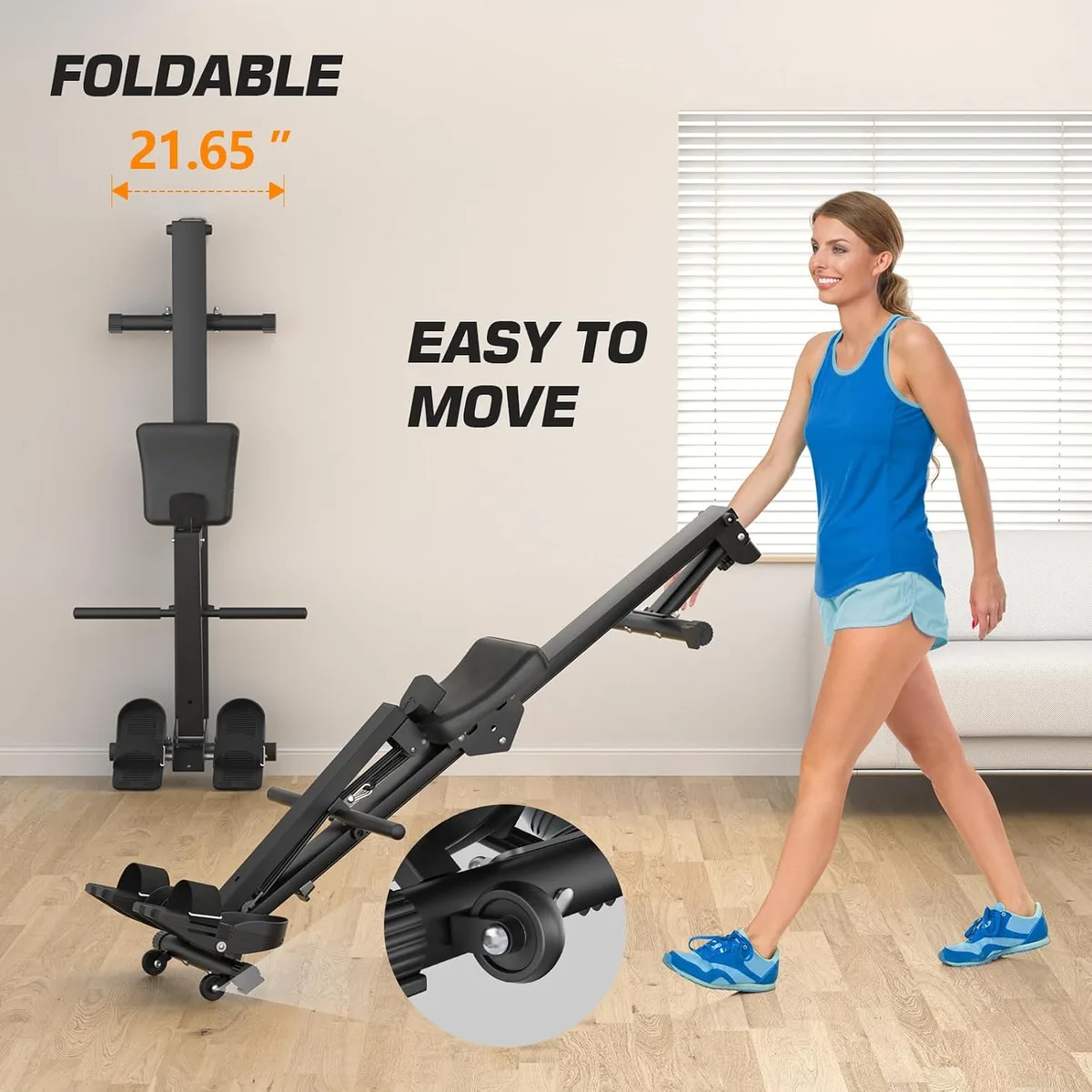
Image source: Bing (Web (fair-use with source credit))
Choosing the Right Weight for Your Home Gym
When you're selecting a rowing machine, its weight isn't just a number; it's a characteristic that needs to align with how you'll use it. Your living situation and personal strength play a big role in determining whether you should lean towards a lighter or a heavier model. Think about your daily routine with the machine.
For Those Prioritizing Mobility and Compact Storage
If portability and space-saving are your top priorities, you'll want to look at rowing machines on the lighter end of the spectrum. Hydraulic rowers, typically weighing between 30 and 70 pounds, are often the go-to for individuals who need to move their equipment frequently. These are ideal for apartment dwellers or those who use a room for multiple purposes.
Many models in this weight class also feature folding frames, allowing them to be stored upright for storage in a closet or corner. Even some lighter air rowers, in the 50-pound range, can be manageable if they have good transportation wheels. This choice makes your home gym flexible and less intrusive on your living space.
If you're also considering other compact fitness gear, looking into options like 12 Best Compact Elliptical Machine can help you assess space requirements.
For Those Seeking Ultimate Stability and Durability
On the other hand, if you have a dedicated space for your home gym and your primary concern is a rock-solid workout, a heavier machine is likely a better fit. Magnetic and water rowers, which commonly weigh between 70 and 150 pounds (or more for water rowers with their tanks full), offer superior stability. This substantial weight anchors the machine firmly to the floor, minimizing any wobble or vibration, even during your most intense training sessions.
For serious athletes or those who enjoy high-intensity workouts, this stability is paramount. It contributes to a safer, more effective session where you can focus entirely on your performance. These robust machines often feel more durable and built to last, similar to how one might consider 12 Best Dumbbells for Home Gym for a solid, long-term fitness setup.
For Fitness Beginners and Seniors
For individuals who are new to rowing or are seniors, the weight of a machine can impact ease of use and confidence. Lighter machines, generally under 70 pounds, are easier to get on and off, and less intimidating to set up. However, a machine that is too light might lack the stability needed for a smooth workout.
Finding a balance is key. Many manufacturers offer magnetic rowers in the 70-100 pound range that provide a good mix of stability and relative ease of handling. These often have adjustable resistance that’s simpler to manage than the raw speed-based resistance of air rowers.
If you’re exploring other cardio options, consider how weight impacts ease of use for specific user groups, such as with 12 Best Elliptical Machine for Seniors.
How to Choose the Right Weight
Selecting the right weight for your rowing machine involves a direct assessment of your personal circumstances and workout preferences. It’s about matching the machine’s physical attributes to your lifestyle and fitness goals. This decision hinges on a few key questions you should ask yourself.
What's Your Space Like?
Consider the available space where the rower will be used and stored. If it's a shared living area or a room that needs to be cleared after workouts, a lighter machine (30-70 lbs) that's easy to move or fold is essential. If you have a dedicated home gym, a heavier machine (70-150+ lbs) can provide better stability without the need for frequent relocation.
For smaller spaces, models like 12 Best Compact Elliptical Machine also require careful consideration of their dimensions and weight for practical use.
How Will You Move It?
Think about your physical capacity and whether you'll have help. A 100-pound machine might be manageable for some, but a struggle for others, especially if it needs to be carried up stairs. Look for features like built-in transportation wheels, which can make even heavier units easier to shift.
If moving the machine is a daily or weekly task, prioritize lighter options or those specifically designed for portability.
What Kind of Workout Do You Want?
Heavier machines often offer a more stable and robust feel, which many users prefer for intense cardio and strength-building rowing. Lighter machines can sometimes feel less planted, especially during powerful strokes. If you aim for maximum stability and a feel akin to on-water rowing, a heavier water or magnetic rower is typically better.
If your focus is on a smooth, accessible cardio workout with easy storage, a lighter hydraulic or air rower might suffice.
What's Your Budget?
While weight isn't the only cost factor, heavier, more robust machines made with premium materials can sometimes come with a higher price tag. Conversely, the lightest hydraulic models are often among the most budget-friendly options, making them accessible for a wider range of consumers. Always balance the weight considerations with your overall budget.
Frequently Asked Questions About Rowing Machine Weight
Does a heavier rowing machine mean better quality?
Generally, a heavier rowing machine suggests more robust materials and a sturdier build, which can contribute to better quality and durability. However, design also plays a significant role; a well-engineered lighter machine can still be high-quality.
How much does a water rower weigh?
Water rowers typically weigh between 60 to 120 pounds, not including the water in the tank, which can add an additional 20-40 pounds when full. The water tank itself is the primary reason for their increased weight.
Are lighter rowing machines less stable?
Yes, lighter rowing machines, especially those under 70 pounds, can be less stable than heavier models. This can be noticeable during intense workouts, but many lighter machines compensate with thoughtful design and anti-slip feet.
Should I get a folding rower if I have limited space?
If space is a major concern, a folding rower is an excellent choice. Many folding models are also lighter in weight, making them easier to store upright in a closet or corner when not in use.
What is the average weight of a magnetic rower?
Magnetic rowers generally weigh between 70 and 150 pounds, often on the heavier side due to the magnetic resistance system and flywheel. This weight contributes to their quiet operation and stable performance.