How Much Space Does a Rowing Machine Need
So, you're thinking about getting a rowing machine to boost your fitness, but you're wondering, "How much space does a rowing machine need?" It’s a smart question to ask before you buy. Fitting one into your home gym, living room, or spare corner requires more than just knowing the machine's folded size.
You need to consider the full range of motion for a comfortable workout, plus adequate clearance for safe use and storage. Manufacturer specifications for machines often list a footprint, but that's just the start of understanding your true space requirements. Let's look at what you really need to plan for.
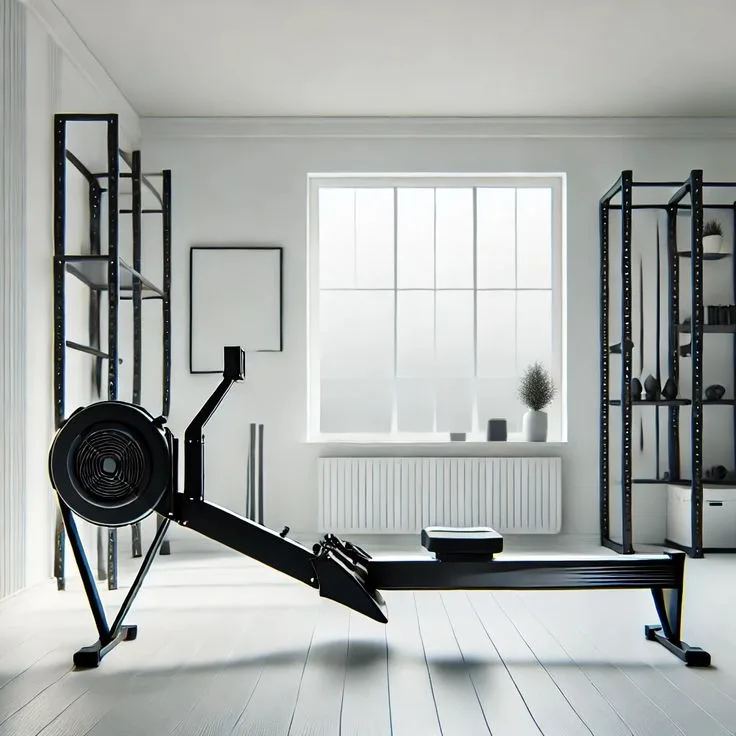
Image source: Bing (Web (fair-use with source credit))
Quick Answer
A rowing machine typically needs about 6 to 9 feet (1.8 to 2.7 meters) in length for use. You also need 2 to 3 feet (0.6 to 0.9 meters) of clearance behind the machine. Total space for rowing is machine length plus clearance.
Storage can reduce floor footprint, but full rowing space is always required when in use.
The Real Footprint: Machine Size vs. Workout Room
When we talk about the "footprint" of a rowing machine, it's easy to get a bit confused. Most people first think of the dimensions listed on the box or the product page. These usually refer to the machine when it's lying flat and ready for a workout.
For example, our research indicates air rowers can often extend to 9 feet (2.7 meters) or more in length, while some magnetic models might be as short as 6 feet (1.8 meters).
But that's just the machine itself. You've got to factor in your own body and movement. Think about pulling that handle all the way back; you don't want to hit a wall, your TV, or a bookshelf.
This means you need extra space not just for the machine’s length, but for your rowing stroke to happen comfortably.
Measuring Your Rowing Space: What to Account For
Let's get practical. How do you actually figure out if your chosen spot is big enough? You’ll need a tape measure.
- Machine Length: First, find the maximum length of the rowing machine when it's fully extended for use. Check manufacturer specs, as some machines vary slightly even within the same type.
- Rowing Clearance: This is crucial for safety and comfort. Add at least 2 to 3 feet (0.6 to 0.9 meters) to the back of the machine’s length. This buffer zone gives you room to extend your arms and body fully during the stroke.
- Side Clearance: While most rowers aren't wide, having a foot or so of space on either side can make it easier to get on and off, and less claustrophobic.
- Total Length Needed: So, the basic formula is: Machine Length + Rowing Clearance = Total Length Required. For a 7-foot rower with 3 feet of clearance, you're looking at a 10-foot long space.
Image source: Web (Bing) / canva.com (Web image (fair-use with source credit))
This calculation ensures you have enough room to actually row effectively, not just squeeze the machine into a tight spot.
Different Rowers, Different Space Needs: A Quick Look
The type of rowing machine you choose significantly impacts the space it needs. They're not all built the same, and some are definitely more compact than others.
| Rower Type | Typical In-Use Length | Typical Width | Rowing Clearance Behind (approx.) | Space-Saving Features |
|---|---|---|---|---|
| Air Rowers | 7-9 ft (2.1-2.7 m) | ~2 ft (0.6 m) | 2-3 ft (0.6-0.9 m) | Some can stand upright for storage. Often longest. |
| Water Rowers | 6.5-8 ft (2-2.4 m) | ~2 ft (0.6 m) | 2-3 ft (0.6-0.9 m) | Many fold or store vertically. Visually impactful. |
| Magnetic Rowers | 6-7 ft (1.8-2.1 m) | ~1.5 ft (0.45 m) | 2-3 ft (0.6-0.9 m) | Often fold in half or store upright. Shorter overall. |
| Hydraulic Rowers | 4-6 ft (1.2-1.8 m) | ~1.5 ft (0.45 m) | 2 ft (0.6 m) | Typically the most compact, simple folding. |
Key takeaway: If space is tight, magnetic or hydraulic rowers often offer more compact dimensions and better folding/storage options. Air and water rowers tend to be longer but can sometimes be stored vertically. Always check the specific model's specs.
Storing Your Rower: Making the Most of Limited Space
This is where the magic happens for folks with smaller homes or multi-use rooms. Storage is often as critical as the in-use space.
- Upright Storage: Many modern rowers, especially magnetic and water models, are designed to be stood on end. This drastically reduces the floor space required to near zero. However, you must confirm your ceiling height is sufficient. A standard 8-foot ceiling might be fine for some, but others might require more. Always measure the height of the rower in its upright position and add a few inches for safety.
- Folding: Some rowers have a clever folding mechanism, often where the seat rail folds up to meet the front. This makes them much easier to tuck away in a corner or slide under a bed or sofa. Remember, though, that while it shrinks the storage footprint, you still need the full rowing clearance when you unfold it to use it.
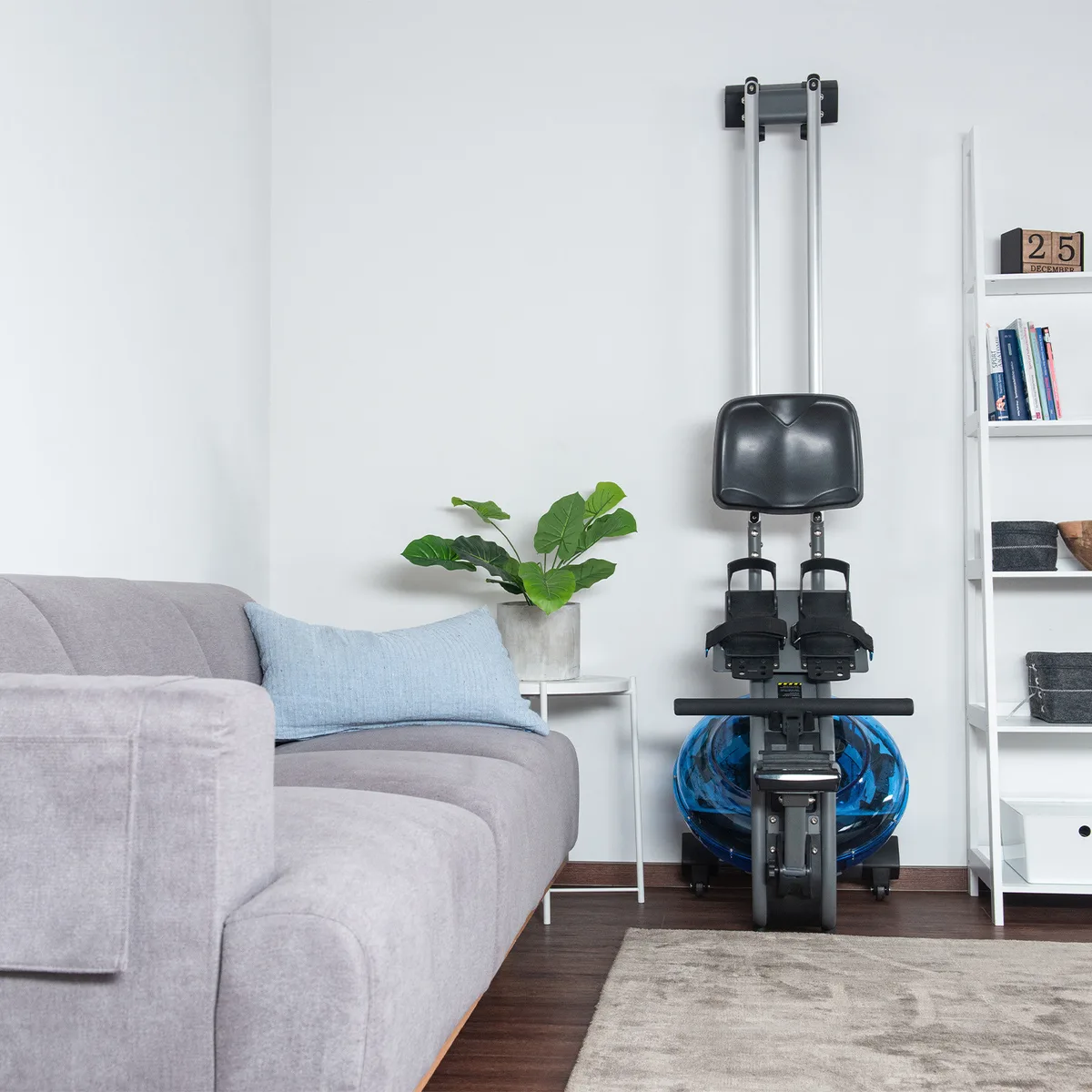
Image source: Bing (Web (fair-use with source credit))
- Under Furniture: For very compact rowers, you might be able to slide them under a sturdy bed frame or couch. Just ensure it’s easily accessible and won't be damaged. This is less common but possible for smaller models.
Key Considerations for Choosing a Rower's Spot
Beyond just measuring the dimensions, a few other things can make or break your rowing experience in a specific space.
- Ceiling Height: As mentioned, this is critical if you're considering upright storage. Even if you’re not storing it vertically, some people like a bit of extra headroom for a more natural feel, especially on the final pull.
- Flooring: While not directly about space, consider what’s under the rower. A mat can protect your floors and help keep the machine from shifting, but it adds a tiny bit to the overall footprint.
- Accessibility: Is the spot easy to get to? You don’t want to have to move a bunch of furniture just to get to your rower. Think about the path from your door to the rowing machine’s intended home.
- Ventilation: A well-ventilated area is always best for any exercise equipment to prevent moisture buildup and keep your workout comfortable. This might influence where you can place it, even if you have the space.
The overall goal is to ensure you have enough room to both row safely and store the machine conveniently, fitting it seamlessly into your home.
Frequently Asked Questions About Rowing Machine Space
How long is a typical rowing machine?
Rowing machines typically range from 6 to 9 feet (1.8 to 2.7 meters) in length when set up for use.
Do I need space behind the rowing machine?
Yes, you absolutely need clearance behind the machine. Add about 2 to 3 feet (0.6 to 0.9 meters) for your comfortable rowing stroke.
Can I store a rowing machine upright?
Many models, especially magnetic and water rowers, are designed for upright storage. Always check the specific model's height and your ceiling clearance.
What's the minimum width for a rowing machine?
Most rowing machines are about 1.5 to 2 feet (0.45 to 0.6 meters) wide. Additional side clearance of about 1-2 feet is beneficial.
How much space does a folded rowing machine need?
A folded rowing machine takes up less floor space, but you still need the full rowing clearance when it's unfolded and ready for a workout.



3 Comments