How Much Horsepower Should a Treadmill Have
Figuring out how much horsepower should a treadmill have usually starts with a spec sheet that makes zero sense. You see a giant "4.0 HP" sticker and assume you're getting a beast. Then you realize it's actually a 2.5 CHP motor marketed using peak horsepower.
That confusion is exactly why so many people either overpay or buy something that can't keep up.
In our research, the number that really matters is the continuous horsepower rating (CHP), not the flashy marketing number. As of 2026, most home treadmills range from 1.5 CHP for walkers up to 4.0 CHP for dedicated runners. The right pick depends on your body weight, workout style, and how often you'll train.
Let's walk through how to find your precise number.
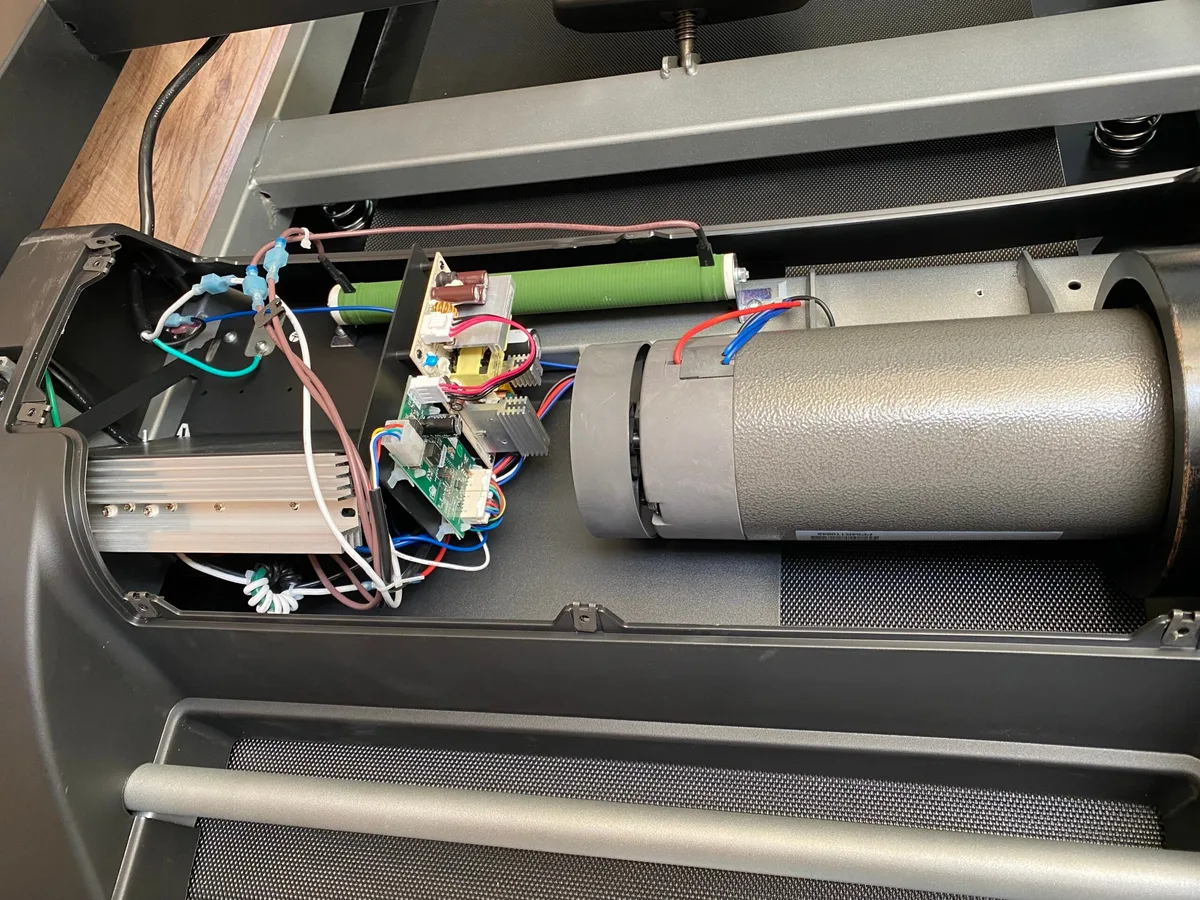
Image source: Bing (Web (fair-use with source credit))
The Quick Answer: How Many HP Does Your Treadmill Actually Need?
Most home users need a treadmill with at least 2.5 CHP. Walkers can get away with 1.5 to 2.0 CHP. Joggers need 2.0 to 2.5 CHP.
Runners and heavy users should aim for 3.0 CHP or more. Always choose continuous horsepower, not peak horsepower.
CHP vs. Peak HP: Why Treadmill Spec Sheets Mislead You
Here's what the sticker doesn't tell you. CHP stands for continuous horsepower, the power the motor can sustain for an entire workout. Peak horsepower is the maximum burst power, often 50% to 70% higher, that lasts a few seconds before the motor overheats.
Marketing teams love peak HP because a 1.75 CHP motor can claim "3.5 HP" on the box. It's technically true, but it has nothing to do with daily performance.
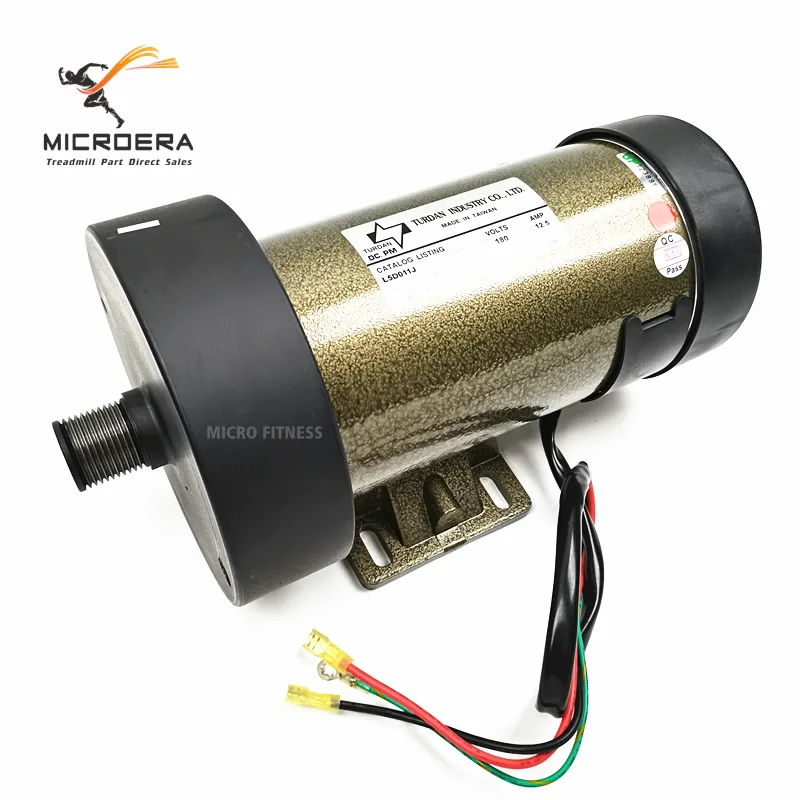
Image source: Bing (Web (fair-use with source credit))
Per Underwriters Laboratories standards for fitness equipment, the continuous rating is the one that reflects real, ongoing load. That's why every trusted manufacturer spec sheet defaults to CHP. It tells you whether the motor can hold a steady belt speed through a 45-minute run without slowing down or burning up.
What about the duty cycle?
The duty cycle is the percentage of time a motor can run at full load before resting. A motor rated at 10% duty can run six minutes out of every hour at max output. That's fine for a cheap walking treadmill where you rarely push hard.
But if you're running, you need a motor rated close to 100% continuous duty. Look for that spec line before you buy. Most budget treadmills omit it for a reason.
Why the marketing number is so aggressive
Peak horsepower gets measured at the electrical surge when the motor starts. It's a real reading, just irrelevant. Your treadmill doesn't operate at that surge once the belt is moving.
So when you compare two machines, ignore the big bold number on the front. Flip to the spec page and find the CHP. That's the honest number.
The Three Questions That Determine Your Treadmill Horsepower
Before you look at any price tag, answer these three questions. They'll narrow your minimum CHP range faster than any review.
Question 1: What's your body weight?
The motor doesn't just spin the belt. It helps move your entire body weight from a dead stop, every single stride. Heavier users demand more torque.
A 150-pound walker and a 250-pound runner put wildly different loads on the same motor. A solid rule from manufacturer specifications: take your weight, add 20% as a safety buffer, and match that total to the machine's maximum user weight. That buffer prevents premature wear.
Question 2: Are you walking, jogging, or running?
Walking is the easiest workload. Jogging roughly doubles the force on the belt with every foot strike. Running multiplies it further.
That's why a 1.5 CHP treadmill can feel fine for a brisk walk but stall instantly when you try to jog. Match the motor to the hardest thing you'll regularly do, not what you want to grow into.
Question 3: How often and how long are you on the machine?
A treadmill used twice a week can survive on a lighter motor. The same machine used daily for hour-long sessions needs extra headroom. Heat builds up in the motor over time.
If you train six days a week, sizing up by at least 0.5 CHP keeps the motor cool and lasting years longer.
Use This Decision Tree to Find Your Minimum CHP
Now plug your answers into this simple workflow. It's the same logic we use when ranking any treadmill against its spec sheet.
Step 1: Match your workout type to a base CHP
- Walking only: 1.5 to 2.0 CHP
- Light jogging: 2.0 to 2.5 CHP
- Regular running: 2.5 to 3.0 CHP
- Sprinting or interval training: 3.0 CHP minimum
Step 2: Adjust for body weight
If you weigh more than 200 pounds, move up one full tier. If you weigh more than 250 pounds, move up two tiers. The motor needs extra torque to accelerate your weight with each stride.
Skipping this step is the #1 reason heavier users report treadmill stalls.
Step 3: Add power for incline work
Incline isn't free. Running at a 10% grade adds roughly 15% more load on the motor. If you plan on hill training, add 0.5 CHP to your final number.
Same goes for you HIIT fans, the stop-start bursts are brutal on a small motor.
Step 4: Confirm the duty cycle rating
Find the motor duty cycle in the manual. If it's not listed, assume it's low. For running or daily heavy use, look for a motor rated for continuous duty.
If the spec sheet says "commercial grade" but the wiring is 120V with a 15-amp plug, treat that claim with suspicion.
Real-World Scenarios: Who Needs What Motor
Let's make this concrete. These are the profiles we see most often in our research, and the CHP they should target.
| User profile | Body weight | Workout style | Recommended minimum |
|---|---|---|---|
| Casual walker | 150 lbs | 3 walks a week, 30 minutes | 1.5 CHP |
| Light jogger | 180 lbs | 4 days a week, 20-minute jogs | 2.0 CHP |
| Daily runner | 200 lbs | 5 days, 45 minutes, some incline | 2.5 to 3.0 CHP |
| Heavy runner | 270 lbs | 6 days, interval training | 3.5 CHP minimum |
The casual walker
If you walk 20 minutes a few times a week and stay under 180 pounds, a 1.5 CHP treadmill gets the job done. Just don't expect it to handle faster speeds or steep hills. It's built for casual movement, not workouts that leave you gasping.
The daily runner
This is the sweet spot for most serious home athletes. A 2.5 CHP motor handles running speeds up to about 10 MPH without strain. It's the most common recommendation we give, and it's why the best-selling home treadmills cluster around this size.
The heavy interval trainer
Your weight and training style demand torque, not just speed. At 250-plus pounds with sprint intervals, you're hitting the belt with hundreds of pounds of force. A 3.5 CHP motor gives you the torque headroom to avoid stalls and overheating.
Yes, it costs more. So does replacing a burned-out motor after 14 months.
If a treadmill motor doesn't feel like the right equipment for your joints, there are lower-impact options that might serve you better. An elliptical gives a similar cardio workout without the pounding, and it runs on a much simpler drive system. We've covered whether an elliptical is worth the investment in detail elsewhere on the site.
The motor math still applies, but the impact math changes completely.
Horsepower Mistakes That Cost You Money (and a Burned-Out Motor)
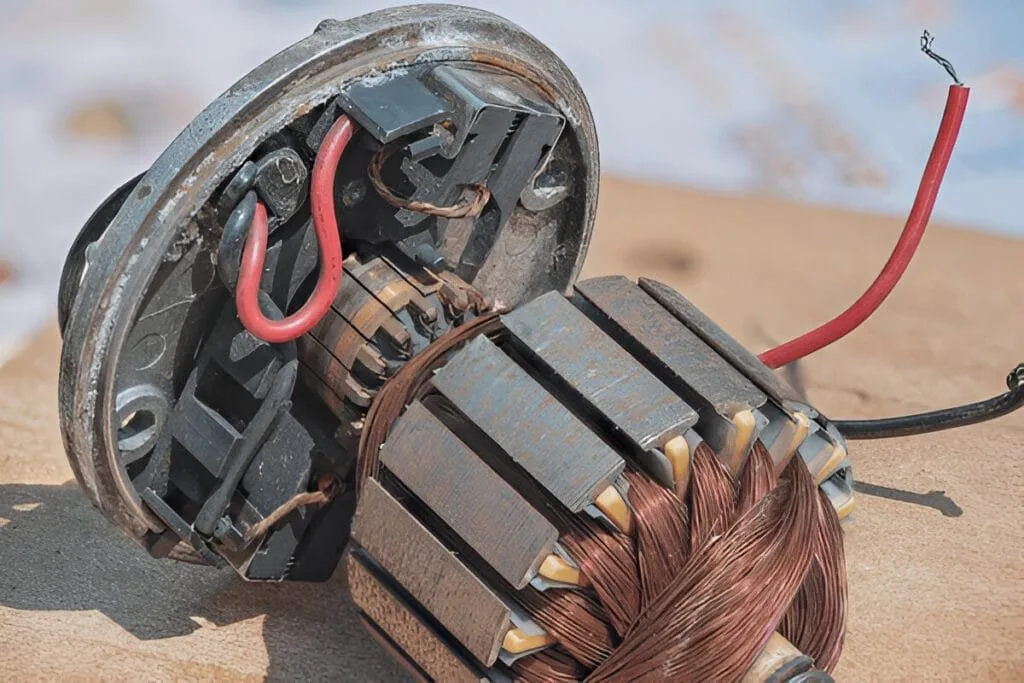
Image source: Bing (Web (fair-use with source credit))
The most expensive mistake in our research is trusting the big number on the box. A motor marketed as 4.0 HP might be a 2.25 CHP underneath. That difference shows up a year later when the belt stalls at your top speed.
The second mistake is buying a walking treadmill for running workouts. If you're planning to jog or sprint, a 1.5 CHP motor will burn out fast. You'll hear it struggling, the speed will sag, and eventually the thermal cutout kicks in.
Aggregated buyer feedback shows this pattern daily.
Skipping the stall test is another one. Before you buy, step on the belt, set the speed to 3 MPH, and increase the incline to maximum. If the belt slows or the motor whines, walk away.
That's the nearest thing to a real-world torque test you can do in a store.
Finally, don't ignore maintenance. A dusty motor runs hotter and dies sooner. Keep the vents clear and check the belt tension every few months.
The same applies to any cardio equipment you own. That's why we encourage routine upkeep for your home gym gear.
Treadmill Horsepower FAQs
Can a 1.5 CHP treadmill handle jogging?
No, not reliably. A 1.5 CHP motor is built for walking speeds under 4 MPH. Jogging adds repeated impact force that drives the motor into overload.
It might work for a few weeks, but the motor will overheat. If you plan to jog, start at 2.0 CHP minimum.
Does incline require more horsepower?
Yes. Incline forces the motor to work harder because it's lifting your body weight and driving the belt uphill simultaneously. Running at a 10% grade adds roughly 15% extra load.
If your training includes hills, add 0.5 CHP to your usual minimum.
What does a motor warranty tell you about durability?
A long motor warranty signals confidence. Treadmills with a 5-year or lifetime motor warranty usually use higher-grade components. A 90-day motor warranty tells you the manufacturer expects early failure.
Check whether the warranty covers parts and labor, or just parts. That detail matters.
Is 3.0 CHP overkill for a home user?
For most walkers and light joggers, yes. A 3.0 CHP motor is overkill for casual use. But if you weigh over 200 pounds, run daily, or train on incline, it's the right safety margin.
You're paying extra for torque headroom that extends motor life.
Final Verdict: Match the Motor to Your Body and Routine
The right treadmill horsepower isn't a single number. It's a decision tree with three branches. Match the continuous horsepower to your body weight, your workout intensity, and your weekly frequency.
If you're a casual walker, 1.5 to 2.0 CHP works. If you run regularly and weigh under 200 pounds, 2.5 CHP is your floor. If you're heavier, lean on hills, or train hard daily, step up to 3.0 CHP or more.
That extra cost buys motor longevity and consistent belt speed.
The main trade-off with a bigger motor is price and electricity draw. A 3.5 CHP treadmill costs more upfront and uses more power. But replacing a burned-out motor often costs similar to just buying the right machine the first time.
One more thing: a treadmill isn't the only way to get your cardio. If your joints complain or the motor math feels heavy, consider a lower-impact machine instead. Comparing your options before you commit saves money and keeps you consistent for the long haul.
Take your weight, add a buffer, and size the motor for the hardest workout you'll actually do. That's the formula that never fails.