How to Start a Treadmill Workout
So you've decided to start a treadmill workout. Great call. But if you're standing in front of that console feeling a little lost, you're not alone.
Learning how to start a treadmill workout doesn't require special talent. It takes a smart plan and a bit of patience.
Here's a concrete standard to guide you. The U.S. Department of Health and Human Services recommends at least 150 minutes of moderate cardio per week for most adults.
That's 30 minutes, five days a week. A treadmill is one of the easiest ways to hit that number, but only when you approach it correctly. Let's walk through exactly how.
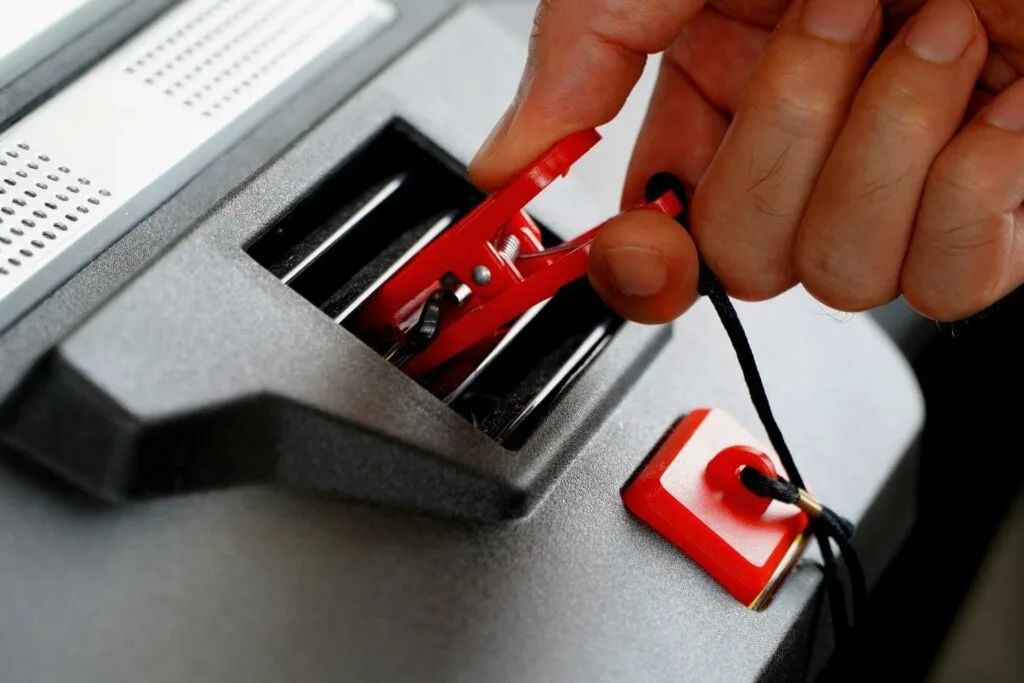
Image source: Bing (Web (fair-use with source credit))
Quick Answer
Here is how to start a treadmill workout: warm up for 5 minutes at 2 to 3 mph. Then walk 15 to 20 minutes at a brisk 3 to 3.5 mph pace. Add a 1% incline to mimic outdoor walking.
Cool down for 5 minutes at a slow speed. Use the safety clip every time.
Why Starting Right on a Treadmill Matters More Than You Think
The treadmill looks simple. Walk on, press start, go. But how you begin determines whether you'll stick with it or quit after three sessions.
It also decides whether you finish pain-free or nursing a sore knee.
Our research into exercise science shows that beginner treadmill problems come from a few common habits. People grip the handrails. They set the speed too high.
They skip the warm-up. None of these are intentional, but they're easy to do when no one teaches you the basics.
The belt moves under you, so your body doesn't push itself forward like it would outdoors. That's easier on your joints, but it changes your stride. Without attention to form, you can develop awkward movement patterns that lead to lower back pain, shin splints, or tight hips.
Getting the fundamentals right also sets you up for predictable progress. You'll know what pace feels manageable, how long you can sustain it, and when to increase the challenge. That's how you build a routine that lasts.
For context, the treadmill and the elliptical are both solid cardio options, but they're not identical. The treadmill requires more impact tolerance. An elliptical offers a full-body option with less stress on the knees.
Understanding that difference helps you choose the right machine for your body.
What a Safe Beginner Treadmill Workout Actually Looks Like
A safe beginner session has three phases: warm-up, main set, and cool-down. Each one matters. Skipping any of them increases your risk of injury or discomfort.
The warm-up takes 5 to 10 minutes. You start at a very slow walking pace, around 2 to 3 mph, then gradually increase speed and add a small incline. The goal is to raise your heart rate slowly and get blood flowing to your legs.
The main set is where the work happens. For a true beginner, that's 15 to 20 minutes of brisk walking or a walk-jog combo. You don't need to run.
You just need to keep moving at an effort that feels like a 3 or 4 out of 10.
The cool-down takes 5 minutes. You slow back down, let your heart rate settle, then step off only once the belt is fully stopped. This helps prevent dizziness and muscle cramping.
Here's a simple template to follow:
| Phase | Duration | Speed | Incline | Feel |
|---|---|---|---|---|
| Warm-up | 5–10 min | 2–3 mph | 0–1% | Easy, can chat |
| Main set | 15–20 min | 3–4 mph | 1–2% | Moderate, breathy |
| Cool-down | 5 min | 2 mph | 0% | Very easy |
| Total | 25–35 min | — | — | — |
Adjust the numbers based on your fitness level. The point isn't to hit a specific speed. It's to finish the full routine comfortably.
If 15 minutes feels hard, drop to 10. If it feels easy, add 2 minutes per session until you reach a confident baseline.
The American College of Sports Medicine emphasizes gradual progression over instant intensity. That's exactly what this template does.
Your First Treadmill Workout, Step by Step
Let's walk through the entire session in order. Follow these steps the first few times and you'll feel confident by the third visit.
Before You Step On: Safety and Setup
Place the treadmill on a flat, stable surface with about six feet of clearance behind it. Check that the area is dry. Make sure the power cord is secure.
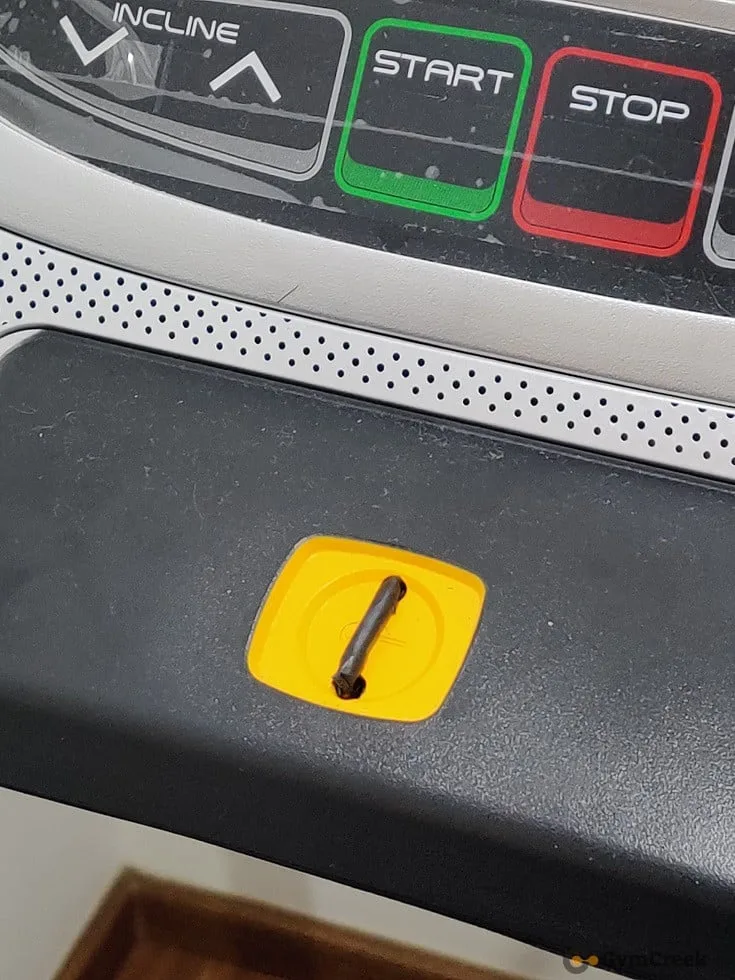
Clip the safety key to your shirt. Most modern treadmills won't start without it. Others will start, but they'll stop immediately if you pull the key.
This is a real safety feature, not a gimmick. If you fall, the key yanks out and the belt halts. Use it every time.
Wear proper athletic shoes. Flip-flops, dress shoes, or bare feet are a fast track to blisters and poor support. Running shoes or cross-training shoes work best.
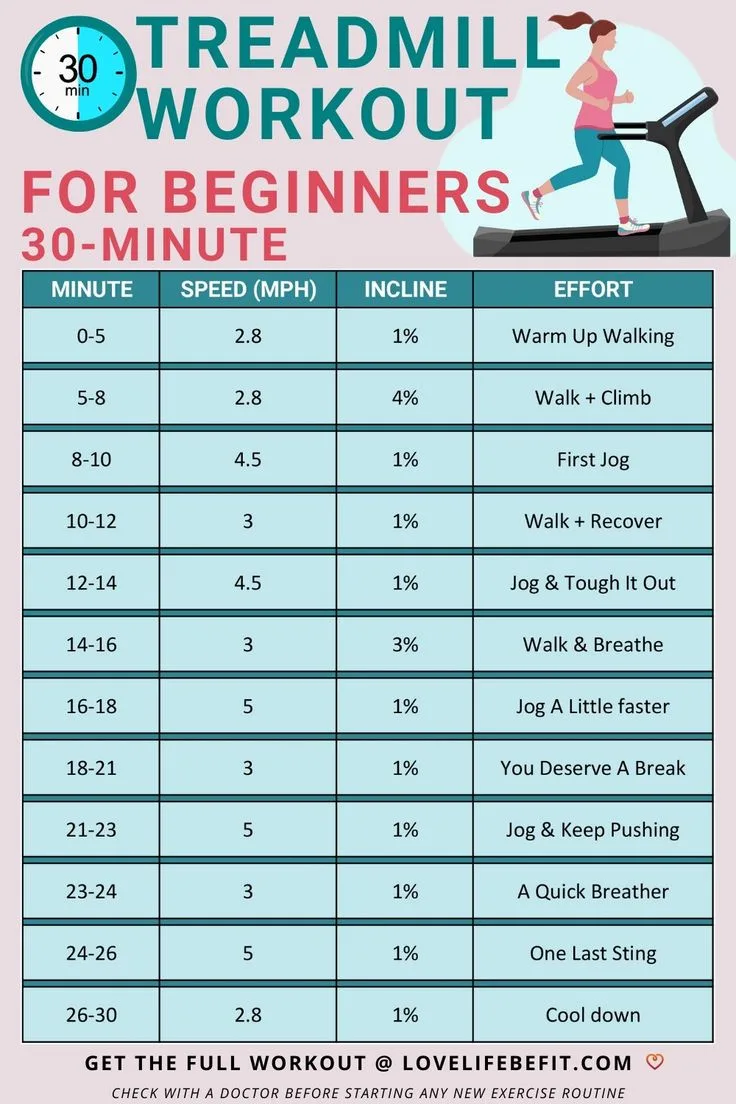
Image source: Bing (Web (fair-use with source credit))
The Warm-Up (5–10 Minutes)
Start the belt at 2 mph. Keep both feet moving. This is not the time to test your sprint speed.
Let your arms swing naturally. Don't hold the handrails unless you truly need them for balance. Most people lock their elbows and lean forward, which ruins the walking rhythm.
Aim for a relaxed, upright posture.
After 3 minutes, bump the speed to 2.5 mph. After another 2 minutes, try 3 mph if it feels comfortable. Your body should feel warmer, but not out of breath.
The Main Workout (15–20 Minutes)
Now you're ready for the actual work. Increase the speed to a brisk pace between 3 and 3.5 mph. Add a 1% incline.
This small incline mimics the natural resistance of walking outdoors on flat ground.
For the first two sessions, walk at this steady pace. Keep your effort at a level where you can say a full sentence but wouldn't want to recite it on stage. If you're gasping, slow down.
If you want to try light jogging, walk for 3 minutes, then jog for 1 minute at 4 to 4.5 mph. Alternate this way for the full 15 minutes. This interval pattern builds endurance without going overboard.
The Cool-Down (5 Minutes)
Set the speed back to 2 mph. Set the incline back to 0%. Walk slowly and let your breathing settle.
Don't step off until the belt has completely stopped. A moving belt can throw you off balance. Once it's stopped, hold the handrails and step off carefully.
Finish with a few standing stretches. Reach for your toes to loosen the hamstrings. Pull one heel toward your glutes for the quads.
Hold each for about 20 seconds.
Common Beginner Mistakes and How to Avoid Them
Even experienced gym-goers make these treadmill mistakes. Knowing them upfront saves you frustration and a few aches.
Holding the handrails the whole time. This is the biggest one. Gripping the rails makes you lean forward and shortens your stride. It also takes weight off your legs, so you burn fewer calories and build less strength.
Use the rails only when stepping on or off, or if you briefly feel unstable.
Looking down at your feet. It's natural to want to watch where you're stepping. But looking down for more than a few seconds strains your neck and rounds your shoulders. Keep your head up.
Your feet will stay on the belt just fine.
Starting too fast. Beginners often set the speed at 5 or 6 mph because they think that's a normal running pace. It's not. Start slow and increase gradually.
Your lungs and legs need time to warm up.
Skipping the safety clip. It feels awkward, but it's there for a reason. Consumer Product Safety Commission data shows that treadmills are linked to tens of thousands of emergency room visits each year. Don't become a statistic.
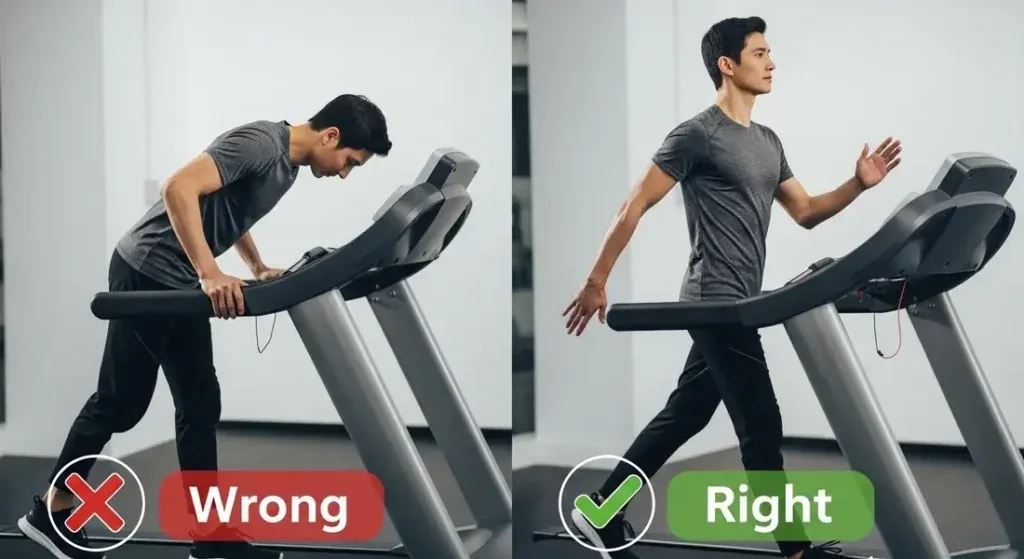
Image source: Bing (Web (fair-use with source credit))
Stepping off while the belt is moving. This is how people take a tumble. Always reduce the speed to 2 mph or lower, let the belt stop, then step off. It's a simple habit that prevents the most common treadmill accident.
Setting the incline too high. Inclines are great for building strength. But a 10% incline on your first session is a recipe for calf cramps. Keep it at 0% to 1% for the first couple of weeks.
Wearing the wrong shoes. You wouldn't run a race in slippers. The same logic applies here. Worn-out soles or unsupportive sneakers can cause foot pain and knee issues.
Replace them if they're more than a year old.
How to Progress Without Overdoing It
Once you've completed two or three comfortable sessions, it's time to think about progress. But "more" isn't automatically better. There's a smart way and a reckless way.
The smart way follows the 10% rule. Increase your total weekly time or distance by no more than 10% per week. So if you walk 90 minutes per week in week one, aim for 99 minutes in week two.
This dramatically lowers your risk of overuse injuries like shin splints and runner's knee.
Pick one progress goal. For most beginners, that's either longer duration at a walking pace or higher speed with interval jogging.
For duration, add 2 to 3 minutes per session each week. For speed, don't jump from 3 mph to 5 mph overnight. Increase by 0.5 mph increments, and only after you've handled the current pace for two sessions without strain.
Incline progression follows a similar pattern. Start at 0%. After two weeks, add 1%.
Each week after that, add another 1% up to about 5%. Remember, incline and speed both increase difficulty. If you raise one, keep the other steady.
Pay attention to how your body feels the next day. Mild muscle soreness is fine. Sharp pain, clicking joints, or persistent tightness means you pushed too hard.
Back off and recover.
As you progress, you might wonder how the treadmill compares to a stationary bike. Many people rotate between the two to keep things interesting. That comparison is worth exploring once you've built a solid base.
The biggest progress mistake is making a big leap when you feel great. You're on day five, so you do 40 minutes instead of 20. That leap is exactly how beginners pull something.
Stick to the plan. The progress will come.
Treadmill Safety and When to Check With a Doctor
Most healthy beginners can hop on a treadmill without medical clearance. But a few situations deserve a professional opinion first. If you have heart disease, high blood pressure you can't control, chronic joint pain, or a history of dizziness, check with your doctor before starting.
That's standard advice from the American College of Sports Medicine.
Warning signs during your workout are non-negotiable. Stop immediately if you feel chest pain, pressure, unusual shortness of breath, lightheadedness, or pain that radiates down your arm. These symptoms warrant medical attention, not a few more minutes of cardio.
The safety clip is your best friend. Clip it to your shirt before pressing start. If you stumble, the belt stops instantly.
Keep the area behind the treadmill clear. Never let kids or pets near the moving belt.
Hydration matters more than people think. Treadmill workouts indoors can dehydrate you quickly. Keep a water bottle within reach and sip every few minutes.
If your gym's cardio room runs warm, start at a slower pace than normal. Heat plus exercise is a quick route to nausea or fainting.
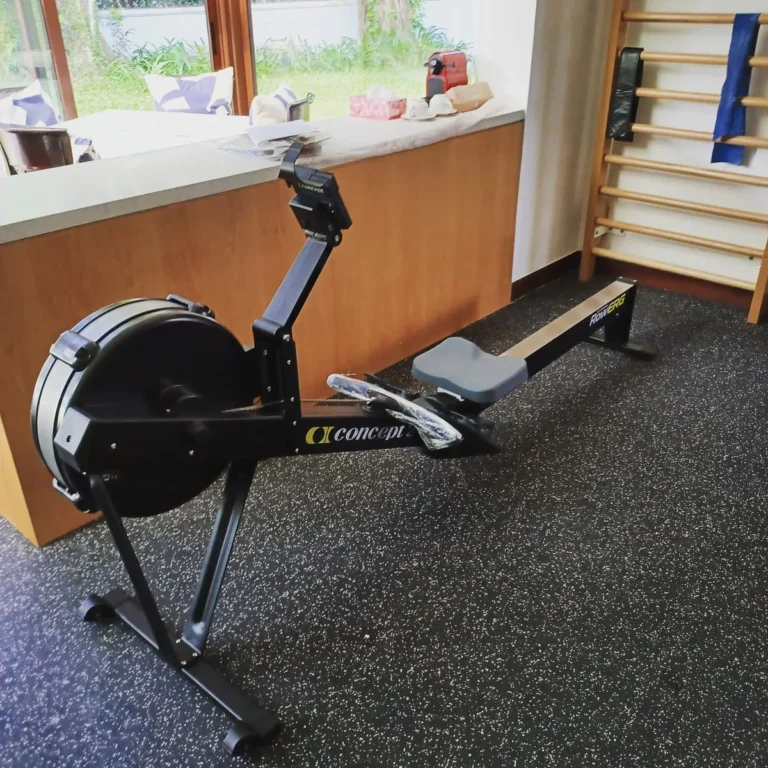
One more consideration: if you're recovering from an injury, a treadmill isn't always the best starting point. Low-impact options like a stationary bike or an elliptical machine are often gentler on the joints. Rowing machines work too, though they use different muscle groups.
As of 2026, the elliptical remains a popular choice for people easing back into exercise.
Treadmill Workout FAQs
How long should my first treadmill workout be?
Keep it to 25 or 30 minutes total, including a 5-minute warm-up and a 5-minute cool-down. That leaves 15 to 20 minutes of steady walking. Don't worry about running.
Your only goal is to finish feeling comfortable and slightly energized.
What is the best speed for a beginner?
A walking speed between 2.5 and 3.5 mph is ideal. Start at 2 mph for the warm-up, then gradually work up to a brisk pace. If you can't hold a conversation, you're going too fast.
Should I use an incline when starting?
Keep the incline at 0% or 1% for the first two weeks. A 1% grade mimics outdoor walking and helps your legs adapt to gentle resistance. Steep inclines too early can strain your calves and Achilles tendons.
Increase gradually once you're comfortable.
Can I lose weight just by walking on a treadmill?
Yes. Walking at a moderate pace for 30 minutes burns roughly 150 to 200 calories, depending on your weight. Even a walking workout helps with weight loss when you do it consistently.
Match that with a sensible diet, and you'll see steady results.
How often should I use a treadmill each week?
Most beginners do well with 3 to 4 sessions per week. That gives your body rest days between workouts, which is when your muscles rebuild. Rest days help prevent overuse injuries.
For reference, similar recovery schedules apply to machines like the elliptical for beginners.