Is Garmin Fenix 8 Worth It: Honest Buying Guide
Yes, the Garmin Fenix 8 is worth it for serious athletes who need rugged training tools, maps, and long battery life.
The Garmin Fenix 8 is more than a fitness tracker. It is a premium multisport smartwatch built for runners, hikers, cyclists, swimmers, divers, and anyone who wants deep training data without charging every night. After comparing its features, battery claims, health tools, software, and price with competing watches, this guide will help you decide whether the Garmin Fenix 8 fits your life or simply offers more power than you need.
Garmin Fenix 8: What You Get for the Price
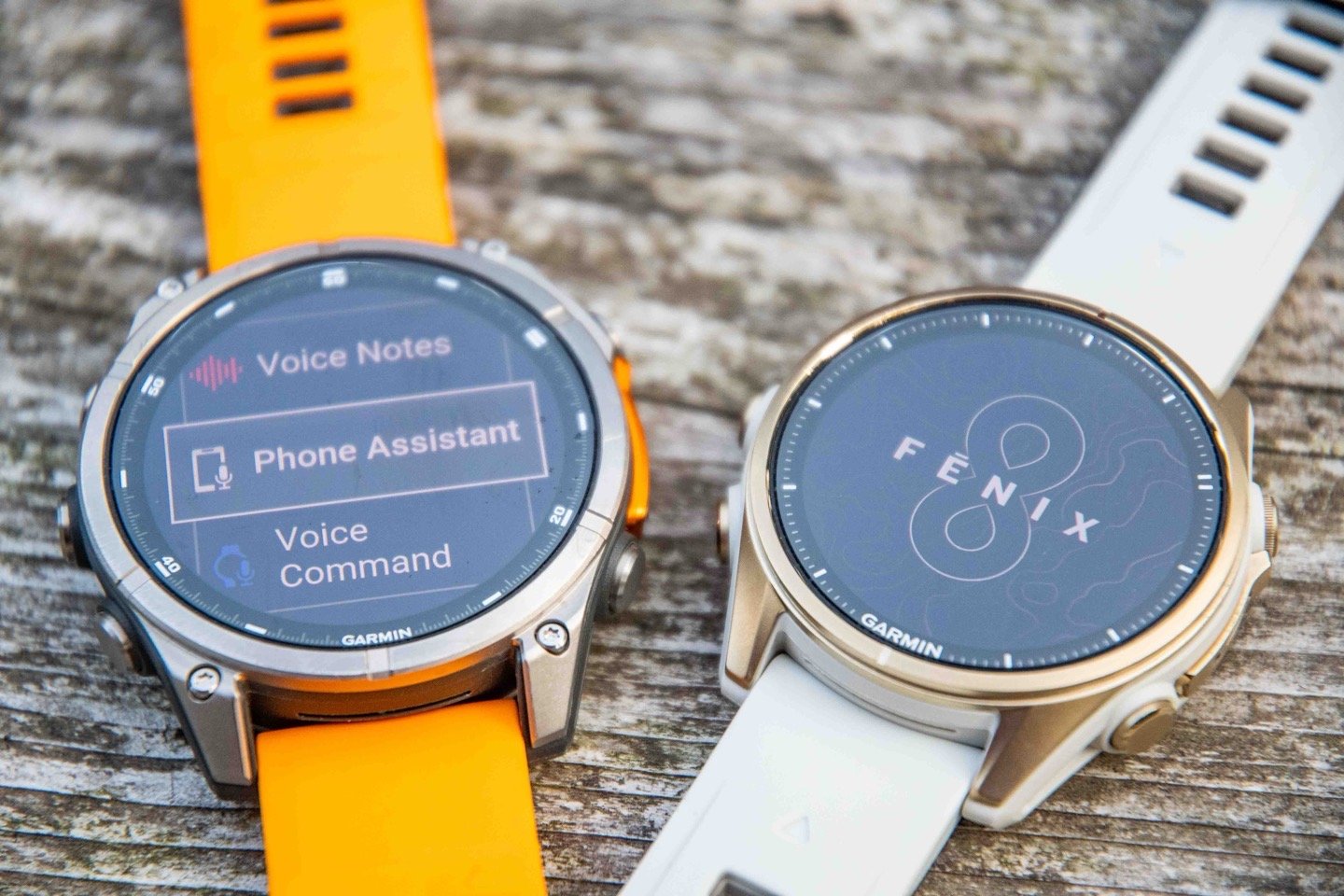
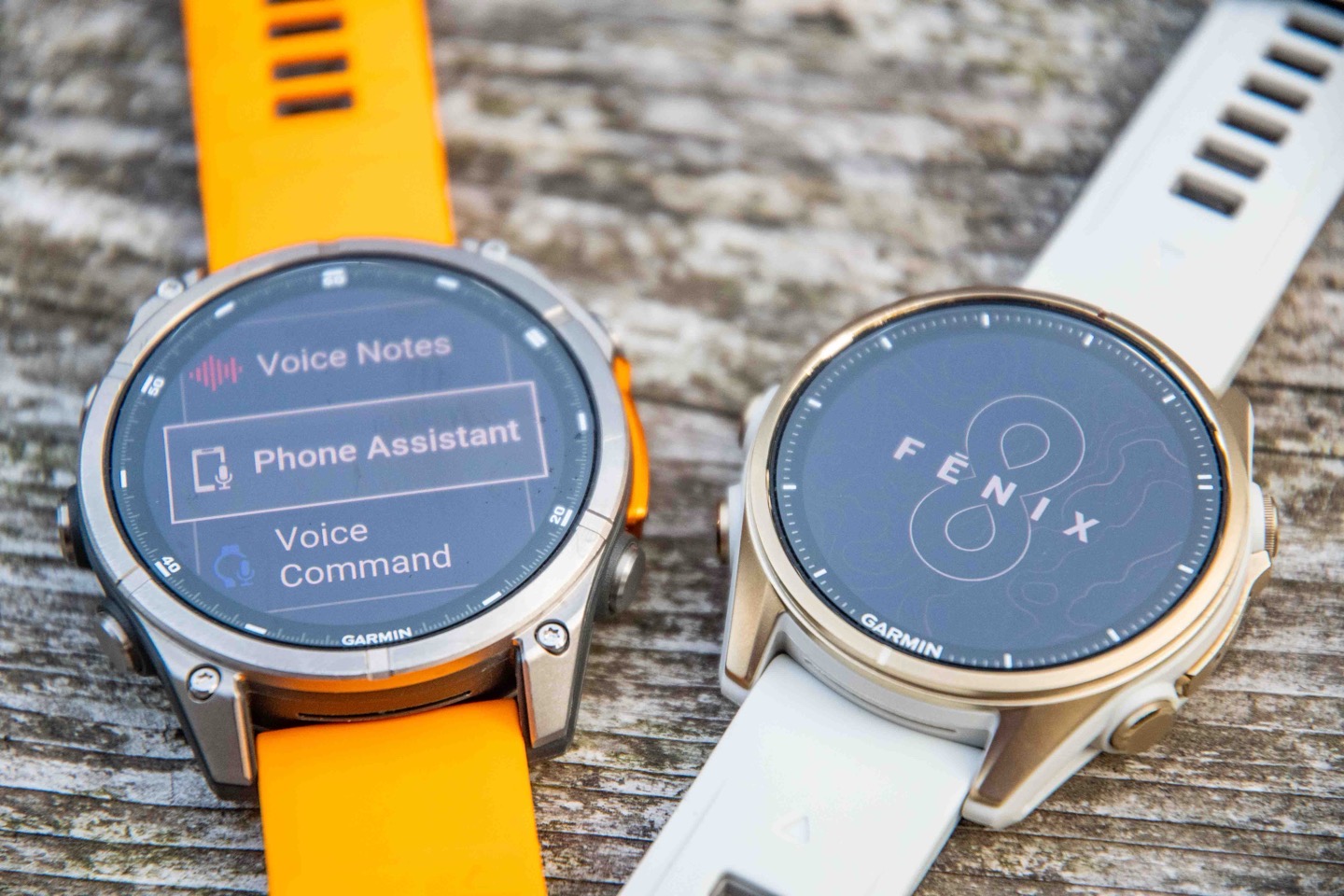
The Garmin Fenix 8 is Garmin’s flagship outdoor sports watch. It combines detailed training tools with navigation, smart features, health tracking, and a tough design.
The watch comes in several versions:
• AMOLED models in 43 mm, 47 mm, and 51 mm sizes
• Solar models in 47 mm and 51 mm sizes
• Sapphire editions with more scratch-resistant glass
• Standard models with Garmin’s regular glass options
Pricing depends on the case size, display, glass, and solar charging. In the United States, the Fenix 8 starts near $1,000 and can rise to about $1,200 or more. Discounts may lower the price during major shopping events, but it remains one of the most expensive sports watches available.
That high price is easier to understand when you view the Fenix 8 as several devices in one. It can act as a running watch, hiking GPS, bike computer, dive computer, sleep tracker, strength coach, and daily smartwatch.
Still, not every buyer needs that much power. The Garmin Fenix 8 is worth it mainly when you will use its advanced tools on a regular basis.
What Is New on the Garmin Fenix 8?
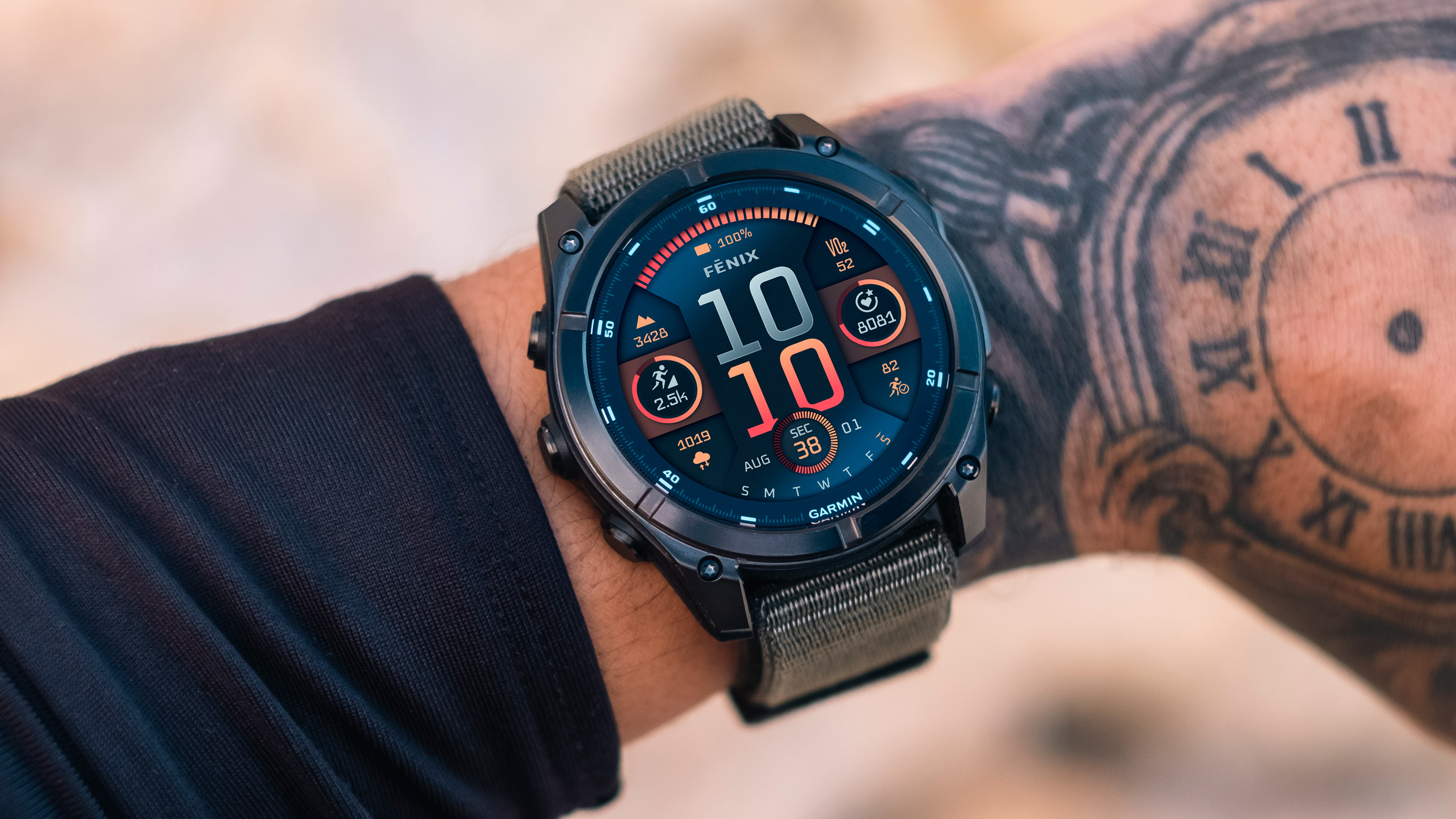
The Fenix 8 brings several major changes over the Fenix 7 series. The most visible upgrade is the addition of a bright AMOLED display on select models.
Garmin also added a built-in speaker and microphone. You can use them for phone calls and voice features when the watch is connected to a compatible smartphone. The watch also supports voice commands for some actions, which can be useful when your hands are wet, cold, or busy.
Other important improvements include:
• Better dive support with a depth rating of up to 40 meters
• A redesigned user interface
• Built-in LED flashlight on many models
• New strength and training features
• More detailed mapping tools
• Improved navigation and route guidance
• Hill Score and Endurance Score
• More advanced recovery and training insights
• Waterproof buttons designed for diving
• ECG support on compatible models and in supported regions
The Fenix 8 is not a total reinvention. It still follows Garmin’s proven formula: excellent GPS, strong battery life, deep sports data, and a durable body. The upgrades make the watch feel more modern, but many Fenix 7 users may not need to upgrade unless they want AMOLED, diving tools, or the newer training features.

Garmin Fenix 8 AMOLED vs. Solar
Choosing the right display is one of the most important decisions. The AMOLED and Solar versions feel like different watches, even though they share many core features.
AMOLED display
The AMOLED version has rich colors, deep blacks, and sharper graphics. Maps look easier to read, and notifications feel more like those on a premium smartwatch.
AMOLED is a strong choice if you:
• Spend a lot of time indoors
• Want the clearest screen
• Prefer a modern smartwatch look
• Read maps and workout data often
• Do not mind charging more often
The trade-off is battery life. Garmin rates the Fenix 8 AMOLED battery at up to about 10 days for the 43 mm model, 16 days for the 47 mm model, and 29 days for the 51 mm model in smartwatch mode. GPS use, music, maps, pulse oximetry, and the always-on display can reduce those numbers.
Solar display
The Solar model uses a lower-power memory-in-pixel display with a solar charging ring. It is easier to read in direct sunlight and can last longer between charges.
The Solar version is a better fit if you:
• Spend long days outdoors
• Hike, camp, or work away from outlets
• Prefer long GPS sessions
• Want a screen that stays visible without using much power
• Care more about endurance than bright colors
Solar charging does not mean the watch never needs a charger. The charging benefit depends on strong sunlight, watch position, temperature, and how much of the day you spend outdoors. Think of solar as a helpful top-up, not free unlimited power.
For many outdoor users, the Fenix 8 Solar is worth it because battery anxiety can ruin a long trip. For office workers and casual runners, the AMOLED model may feel more enjoyable every day.
Garmin Fenix 8 Battery Life
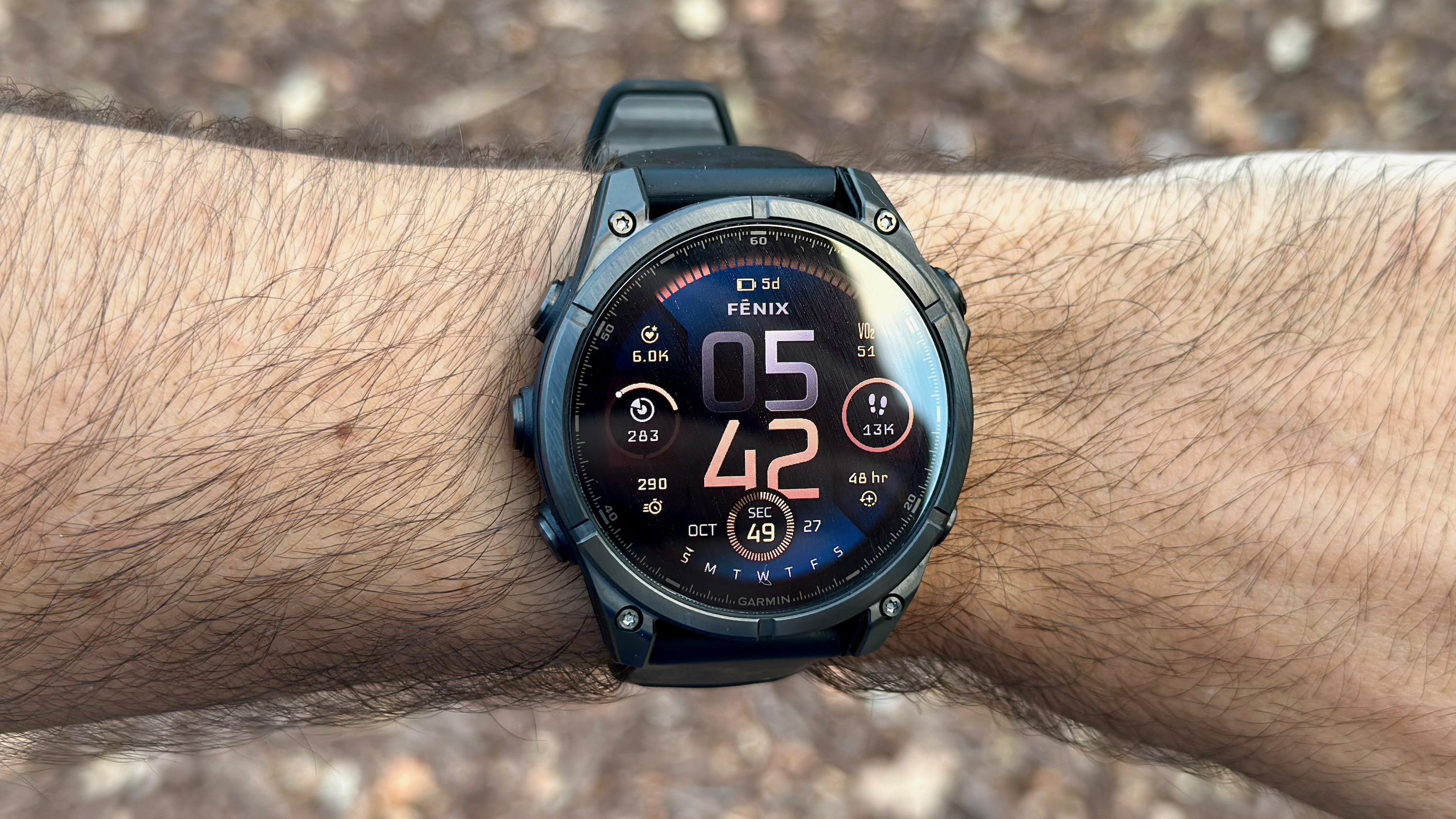
Battery life is one of the strongest reasons to buy the Fenix 8. Garmin lists up to 10 to 29 days of smartwatch use for the AMOLED models, depending on size and settings. Solar models can offer longer endurance, especially in bright outdoor conditions.
Real battery life varies. GPS tracking, music playback, maps, Wi-Fi, the always-on display, sleep tracking, and pulse oximeter readings all use more power.
A realistic use pattern may look like this:
• Daily smartwatch use: Several days to multiple weeks, based on model and settings
• Frequent GPS workouts: Less battery life than the headline claim
• Multi-day hiking: Best with the 51 mm model or Solar version
• Sleep tracking: Usually manageable without daily charging
• Music and navigation: Noticeably higher power use
The 51 mm model gives you the largest battery, but it is also the biggest and heaviest option. It may feel bulky on a smaller wrist or during sleep.
One practical lesson is not to buy the biggest model only for its battery. If the watch feels uncomfortable at night, you may stop wearing it. A smaller watch that stays on your wrist can provide better long-term health data than a large watch left in a drawer.

Fitness and Training Features
The Garmin Fenix 8 is designed for people who want more than steps and basic calorie estimates. It can track many activities, including running, cycling, swimming, hiking, skiing, rowing, strength training, golf, and multisport events.
For runners, the watch offers tools such as:
• Training readiness
• Training status
• Race prediction
• Recovery time
• Daily suggested workouts
• Running dynamics
• Wrist-based running power
• Pace guidance
• ClimbPro
• Structured workouts
• Lactate threshold estimates with compatible sensors
Training readiness combines factors such as sleep, recovery, recent exercise load, heart rate variability, and stress. It should not be treated as a medical decision tool. It is better viewed as a traffic light that helps you decide whether to push, maintain, or rest.
The Fenix 8 also adds Endurance Score and Hill Score. Endurance Score looks at how well you handle longer efforts over time. Hill Score focuses on uphill ability and climbing performance. These features can motivate you, but they are most useful when you train consistently.
For cyclists, the watch supports power meters, heart rate sensors, cycling dynamics, and compatible bike accessories. Hikers can use topographic maps, route planning, elevation data, storm alerts, and navigation features.
The depth of the data is impressive. The challenge is that the watch can show so much information that new users may feel overwhelmed. Start with a few metrics that matter to your goal. More data does not always lead to better training.

Health and Wellness Tracking
The Garmin Fenix 8 tracks many everyday health signals. These include heart rate, resting heart rate, stress, sleep, respiration, blood oxygen estimates, body battery, floors climbed, and activity levels.
Sleep tracking can show sleep stages, sleep score, sleep coach information, naps, and overnight heart rate data. These features can help you notice patterns, such as poor sleep after late workouts or stressful days.
Heart rate variability status can also provide useful recovery information. It works best when you wear the watch consistently at night. A single poor reading does not prove that you are sick or overtrained.
Some Fenix 8 models support ECG readings in approved regions. However, ECG availability can depend on the exact model, software, country, and regulatory approval. It is not a replacement for a doctor or clinical heart test.
The pulse oximeter can estimate blood oxygen levels, but readings may change because of movement, fit, skin temperature, and circulation. Garmin states that its health features are not intended to diagnose or treat medical conditions.
This is an important limit. The Fenix 8 can help you spot trends, but it cannot explain every symptom. If you have chest pain, fainting, severe shortness of breath, or another urgent concern, seek medical care rather than relying on a watch reading.

Maps, GPS, and Outdoor Navigation
Navigation is one area where the Garmin Fenix 8 stands out from many mainstream smartwatches. It supports detailed maps, turn guidance, elevation information, saved locations, and route navigation.
Multi-band GPS improves accuracy in difficult areas such as:
• Dense cities
• Forests
• Narrow valleys
• Mountain trails
• Areas with tall buildings
GPS accuracy still depends on the environment. No watch can produce perfect results under heavy tree cover or beside steep rock walls. Even so, the Fenix 8 is a strong choice for people who often leave familiar roads.
The watch can guide you along planned routes and help you return to your starting point. Topographic maps are useful for hiking, trail running, and backcountry travel. Some map features may depend on the model, region, subscription, or downloaded content.
Before a trip, download maps and routes while you have a strong internet connection. Also carry a paper map, phone, or other backup for remote travel. A watch is helpful gear, but it should not be your only safety tool in the wilderness.

Durability and Comfort
The Fenix 8 is built for demanding use. It has a rugged case, water resistance, tough glass options, and buttons designed for outdoor activity. Sapphire editions provide better scratch resistance than standard glass models.
The watch is suited to:
• Trail running
• Hiking
• Camping
• Skiing
• Swimming
• Cycling
• Kayaking
• Diving within its stated limits
The tough build is a major benefit, but it adds weight. The 51 mm model can feel large during sleep, strength training, or daily work. The 43 mm model is more comfortable for smaller wrists, but it has a smaller battery and screen.
Fit matters for heart rate accuracy. The watch should sit firmly above the wrist bone without being painfully tight. A loose fit can cause poor readings, especially during intervals or strength workouts.
A common mistake is buying the most expensive Sapphire Solar model without considering comfort. The best Fenix 8 is the one you will wear during workouts, sleep, travel, and normal days.

Smartwatch Features
The Fenix 8 works with Android phones and iPhones, although some functions vary by platform. It can show notifications, weather, calendar alerts, alarms, and incoming calls.
Other smart features include:
• Contactless payments through Garmin Pay
• Music storage and playback
• Safety and tracking tools
• App support through Garmin’s ecosystem
• Wi-Fi on compatible models
• Smartphone notifications
• Voice features with a connected phone
It is not as smooth or app-focused as an Apple Watch or Samsung Galaxy Watch. The Fenix 8 is built first as a sports watch. Its smart features are useful, but they are not the main attraction.
iPhone users should also understand that Garmin watches have less control over messages and phone functions than an Apple Watch. Android users may get more notification interaction, depending on the phone and software.
If your top priority is messaging, apps, voice assistants, and deep phone integration, another smartwatch may offer a better experience. If your priority is training and battery life, the Fenix 8 has a clear advantage.
Garmin Fenix 8 Compared With Other Watches
The Garmin Fenix 8 competes with several premium sports watches and smartwatches.
Garmin Fenix 8 vs. Apple Watch Ultra
The Apple Watch Ultra offers a bright display, smooth app support, strong iPhone integration, and useful safety tools. The Fenix 8 usually wins on battery life, training depth, button control, mapping, and cross-platform use.
Choose the Apple Watch Ultra if you use an iPhone and want a smartwatch first. Choose the Fenix 8 if you want a sports watch that can also handle basic smartwatch duties.
Garmin Fenix 8 vs. Garmin Epix Pro
The Epix Pro is similar to the AMOLED Fenix 8 and may offer a better deal when discounted. The Fenix 8 adds newer software, a microphone and speaker, dive features, and design updates.
If you do not need those upgrades, the Epix Pro can be a smart value choice.
Garmin Fenix 8 vs. Garmin Forerunner 965
The Forerunner 965 is lighter and often costs less. It has an AMOLED display, detailed maps, and strong running features.
The Fenix 8 is better for rugged outdoor use, longer battery options, stronger construction, and activities such as diving and skiing. A road runner may prefer the Forerunner 965, while an all-season outdoor athlete may prefer the Fenix 8.
Garmin Fenix 8 vs. COROS Vertix 2S
The COROS Vertix line offers long battery life and strong outdoor training tools. Garmin generally provides a broader health platform, more smartwatch functions, deeper mapping options, and a larger feature ecosystem.
COROS may appeal to athletes who want a simpler interface and long endurance. The best choice depends on the sports you track and the software you prefer.
Who Should Buy the Garmin Fenix 8?
The Garmin Fenix 8 is worth considering if you fit one or more of these groups:
• You train for marathons, triathlons, ultras, or long cycling events
• You hike or camp far from power outlets
• You need maps and reliable outdoor navigation
• You want detailed recovery and training data
• You enjoy several different sports
• You want a rugged watch for daily wear
• You need strong battery life
• You prefer physical buttons during workouts
The Garmin Fenix 8 is especially useful for people who want one watch for both normal life and demanding adventures. It removes the need to switch between a running watch, hiking GPS, and daily smartwatch.
The watch may be too much for someone who only wants step counts, occasional runs, sleep tracking, and phone notifications. A less expensive Garmin model can provide those basics with less cost and less complexity.
Who Should Skip the Garmin Fenix 8?
The Garmin Fenix 8 may not be worth it for every buyer.
Consider another watch if:
• You want the lowest possible price
• You mainly need basic fitness tracking
• You want a small and light watch
• You use an iPhone and want full Apple integration
• You need a large app library
• You dislike learning complex menus
• You do not use maps, advanced training, or outdoor tools
The Fenix 8 also may not be ideal if you want a thin watch for formal clothing. Its rugged design looks excellent on a trail, but it can feel large with business clothes or while sleeping.
Another issue is the learning curve. Garmin gives you many metrics and settings. That freedom is powerful, but it can take time to set up screens, alerts, workouts, and data fields.
How to Get Better Value From the Garmin Fenix 8
A premium watch delivers better value when you use its main features. Before buying, list the activities you do in a normal month.
Ask yourself:
-
How often do I use GPS?
-
Do I need maps on my wrist?
-
Will I use recovery and training data?
-
Do I spend long periods outdoors?
-
Do I want AMOLED or maximum battery life?
-
Will I wear the watch overnight?
-
Would a cheaper Garmin meet my needs?
Buy based on your answers, not on the longest feature list. If you run three times a week and hike once a month, a mid-range Forerunner may be enough. If you train daily, travel outdoors, and need long GPS sessions, the Garmin Fenix 8 becomes easier to justify.
Buying an older model at a discount can also be smart. Garmin’s previous watches remain capable for many users. Newer does not always mean better value.
Common Mistakes to Avoid
Several mistakes can make the Garmin Fenix 8 feel disappointing.
First, do not assume the advertised battery life will match every use case. Always-on AMOLED mode, frequent GPS, music, maps, and pulse oximeter tracking can reduce battery life.
Second, do not choose a case size without trying it on. A large watch may look impressive but feel uncomfortable during sleep or exercise.
Third, do not treat every health metric as a medical fact. Wearable data is useful for trends, not diagnosis.
Fourth, do not turn on every feature at once. Start with sleep, heart rate, training load, and the activity profiles you actually use. This keeps the watch easier to understand and may improve battery life.
Finally, remember that Garmin’s platform is strongest when you use the Garmin Connect app. It may take time to learn the reports, graphs, and training suggestions, but the information becomes more useful as you build a history.
Is Garmin Fenix 8 Worth It for Running?
Yes, the Garmin Fenix 8 is worth it for serious runners who want advanced training data, maps, recovery tools, and long battery life. It supports structured workouts, race predictions, training readiness, running dynamics, and pace guidance.
For casual runners, it may be excessive. A Garmin Forerunner 265, Forerunner 965, or another mid-range model can track runs well for less money and with a lighter design.
The Fenix 8 makes more sense for runners who also hike, ski, cycle, swim, or compete in long events. It is a versatile training partner rather than a single-purpose running watch.
Is Garmin Fenix 8 Worth It for Hiking?
The Garmin Fenix 8 is worth it for hikers who use maps, navigation, elevation data, weather tools, and long GPS sessions. Its rugged design and battery options are helpful on multi-day trips.
The 51 mm Solar version is the strongest choice for maximum endurance, while the AMOLED model offers easier map viewing and brighter colors. Remember that solar charging works best in strong sunlight and cannot replace normal charging in every situation.
For simple day hikes on known trails, the Fenix 8 may be more technology than you need. For backcountry routes, changing weather, and remote travel, its navigation tools can provide real value.
Is Garmin Fenix 8 Worth It for Everyday Use?
The Garmin Fenix 8 can work well as an everyday watch. It tracks sleep, stress, heart rate, activity, notifications, workouts, and daily recovery.
Its main everyday drawbacks are size, weight, and price. The AMOLED version looks more like a premium smartwatch, while the Solar version favors outdoor readability and battery life.
If you want a watch that blends fitness and daily use, the Fenix 8 is a strong option. If you mainly want calls, apps, and messages, an Apple Watch or Samsung Galaxy Watch may feel more natural.
Frequently Asked Questions About Is Garmin Fenix 8 Worth It?
Is the Garmin Fenix 8 worth the money?
The Garmin Fenix 8 is worth the money for athletes and outdoor users who will use its advanced training, navigation, durability, and battery features. It is not the best value for basic step tracking, occasional exercise, or simple notifications.
How long does the Garmin Fenix 8 battery last?
Battery life depends on the model and settings. Garmin rates the AMOLED versions for roughly 10 to 29 days in smartwatch mode, while Solar versions can last longer under suitable outdoor conditions.
Is the Garmin Fenix 8 better than the Apple Watch Ultra?
The Fenix 8 is usually better for battery life, structured training, physical buttons, maps, and multisport use. The Apple Watch Ultra is usually better for iPhone integration, apps, calls, and a polished smartwatch experience.
Can you swim and dive with the Garmin Fenix 8?
Yes, the Fenix 8 supports swimming and diving within its stated limits. Garmin lists dive support to depths of up to 40 meters, but users should follow proper dive training and safety practices.
Does the Garmin Fenix 8 have ECG?
Some Fenix 8 models support ECG in approved regions and under specific software conditions. Availability can vary by country, model, and regulatory approval, so check Garmin’s current regional support details before buying.
Is the Garmin Fenix 8 good for sleep tracking?
Yes, it provides sleep duration, sleep stages, sleep score, naps, overnight heart rate, and other recovery information. The watch works best when worn consistently and should not be used to diagnose sleep or medical conditions.
Which Garmin Fenix 8 size should you buy?
Choose 43 mm for a smaller wrist, 47 mm for a balanced everyday option, and 51 mm for the longest battery life. Try to prioritize comfort because a watch you wear every night will produce more useful long-term data.
Conclusion
The Garmin Fenix 8 is worth it when you need a rugged, long-lasting sports watch with serious training tools, maps, health insights, and support for many activities. Its AMOLED and Solar options let you choose between a brighter display and longer endurance.
It is less appealing for casual users, small-wristed buyers, and people who mainly want phone apps or basic fitness tracking. Before buying, compare the Fenix 8 with the Forerunner 965, Epix Pro, Apple Watch Ultra, and discounted older Garmin models.
Choose the size and display that match your real habits, not the model with the longest feature list. Explore Garmin’s current specifications and user reviews, then share your own experience or questions in the comments.