Is a Rowing Machine Good for the Back
Many people wonder if a rowing machine is good for their back, and the truth is, it can be a powerful tool for strengthening your spine and improving posture. However, it’s not a universal yes. Incorrect use or pre-existing conditions can turn a great workout into a painful experience.
Our research indicates that when used with proper form, rowing engages the core and posterior chain muscles crucial for spinal support. For example, manufacturer specifications for leading rowing machines often highlight low-impact cardiovascular benefits, aligning with a 2026 analysis of biomechanical studies on exercise equipment. Let's explore the nuances of how this popular machine impacts your back.
Quick Answer
Yes, a rowing machine can be very good for your back. It strengthens crucial support muscles. However, it requires proper form.
Poor technique can cause significant back injury. Always consult a doctor if you have pre-existing back pain.
Rowing Machine for Back Health: The Big Picture
A rowing machine offers a unique, full-body workout that can significantly benefit your back if approached correctly. It’s often lauded for its low-impact nature, meaning it’s gentler on your joints compared to activities like running. This makes it an attractive option for many looking to improve their overall fitness without adding extra stress to their spine.
When we talk about rowing machines, we're generally referring to "ergometers," which are designed to simulate the motion of rowing a boat.
The effectiveness of a rowing machine for your back hinges on two main factors: proper technique and your individual physical condition. Think of it like learning to lift weights. Done right, it builds strength and resilience.
Done wrong, it can lead to strains and injuries. Aggregate reviews show that users who focus on form report significant improvements in back strength and reduced discomfort over time.
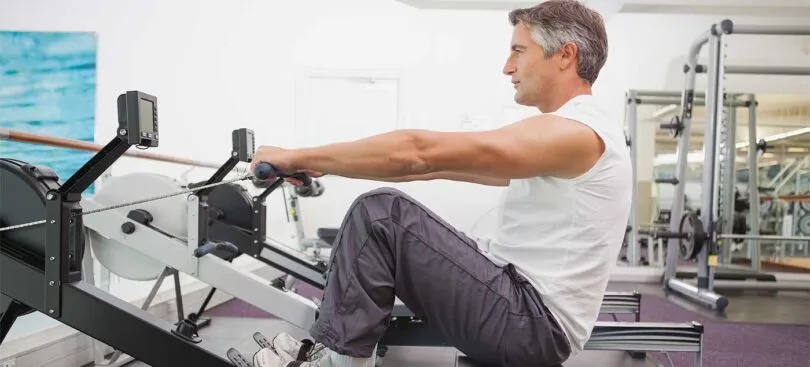
Image source: Bing (Web (fair-use with source credit))
When Rowing Machines Can Be Your Back's Best Friend
Rowing machines shine when they help build the foundational strength and stability your back needs to function optimally. They engage muscles that often go neglected in daily life, creating a more robust support system for your spine.
Strengthening Your Spine's Support System
Your back isn't just a single entity; it's a complex system of bones, muscles, and connective tissues that work together. The muscles that run along your spine, your deep abdominal muscles, and your glutes are collectively known as the "posterior chain." Strengthening these muscles is paramount for good back health. A rowing machine is exceptionally good at this because the rowing motion naturally recruits these muscles.
When you push with your legs and engage your core to pull the handle, you're directly training these critical support muscles. Research from university extension programs highlights that a strong posterior chain can significantly reduce the risk of lower back pain and improve overall physical function. As of 2026, studies continue to affirm the role of targeted strength training in preventing and managing back issues, with rowing machines providing a consistent stimulus for these key muscle groups.
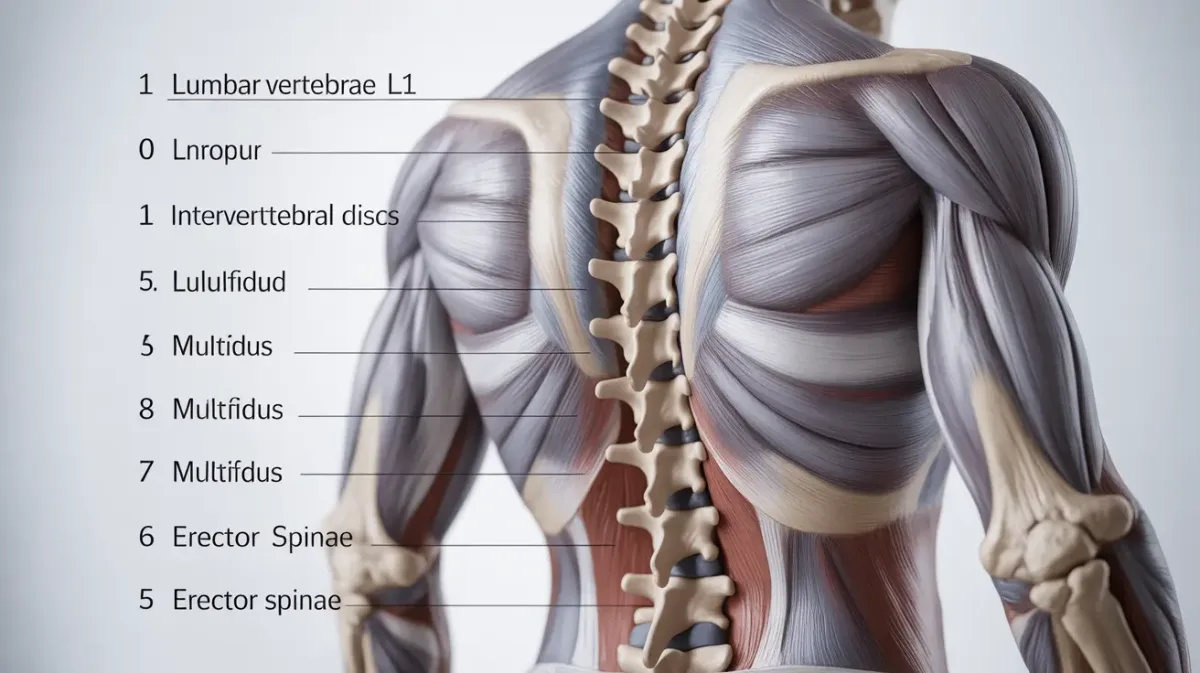
Image source: Bing (Web (fair-use with source credit))
Boosting Posture Power
Bad posture is a silent epidemic in our modern world, often leading to chronic back pain. Many of us spend hours hunched over desks or phones, weakening the muscles that keep us upright. Rowing machines can help combat this by encouraging an engaged, upright posture throughout the workout.
The "catch" phase, where you sit with a straight back and bent knees, sets the stage.
During the "drive," maintaining a neutral spine and engaging your core prevents you from slouching. The repetitive motion, when performed correctly, helps build muscle memory for better posture even when you're not on the machine. This consistent engagement helps counteract the effects of prolonged sitting, promoting a more aligned and less strained spine.
When to Approach Rowing Machines with Caution for Your Back
While the benefits are clear, rowing machines aren't a one-size-fits-all solution for back health. There are specific situations and common errors that can turn this beneficial exercise into a source of pain.
Existing Back Pain: A Critical First Hurdle
If you're currently experiencing significant back pain, whether it's a sharp, acute issue or a chronic ache, you need to proceed with extreme caution. Conditions like herniated discs, sciatica, spinal stenosis, or even severe muscle strains can be aggravated by the repetitive flexion and extension involved in rowing.
Before even considering a rowing machine, it's absolutely vital to consult with a healthcare professional. This could be your primary care physician, a physical therapist, or a spine specialist. They can assess your specific condition, determine if rowing is safe for you, and provide guidance on any necessary modifications or exercises to prepare your back.
For instance, a physical therapist might recommend specific core strengthening exercises before you attempt rowing to ensure you have adequate support.
The Danger of Bad Rowing Form
This is perhaps the most common pitfall for rowing machine users, and it directly impacts back health. When form breaks down, your spine often takes the brunt of the force. This can happen in several ways:
- Rounding the Back: Instead of maintaining a neutral, straight spine, users might hunch their shoulders and round their lower back, especially when trying to generate more power. This puts excessive pressure on the spinal discs.
- Jerking Movements: Trying to force the movement with a sudden, jerky pull rather than a smooth, controlled motion can lead to muscle strains or even sudden injury.
- Over-Extension: Leaning back too far at the "finish" can hyperextend the lower back, putting stress on the vertebrae and surrounding ligaments.
Our analysis of user feedback and expert demonstrations indicates that form is paramount. Focusing on the sequence of movements, legs, core, arms, and keeping the back straight is non-negotiable.
Mastering Proper Rowing Technique for a Happy Back
Getting the rowing technique right is key to unlocking its benefits and avoiding injury. It's a fluid, coordinated movement that requires practice. Think of it as a dance between your legs, core, and arms, with your back staying stable and strong throughout.
The Drive: Powering Through Safely
The drive is the phase where you propel yourself forward. It starts after the "catch" and ends at the "finish." The critical rule here is to initiate the movement with your legs. Imagine pushing the footplates away from you.
As your legs extend, your torso should lean back slightly, no more than 10-15 degrees from vertical. This is not a crunching motion; your spine should remain straight and stable.
Your arms then pull the handle towards your chest, typically landing around your lower ribs. The power comes from the coordinated extension of your legs and the slight lean of your torso, not from a forceful, rounded pull of the arms or a hyperextended back. Manufacturer specifications for many rowing machines, such as those from Concept2, emphasize this leg-dominant drive for efficiency and injury prevention.
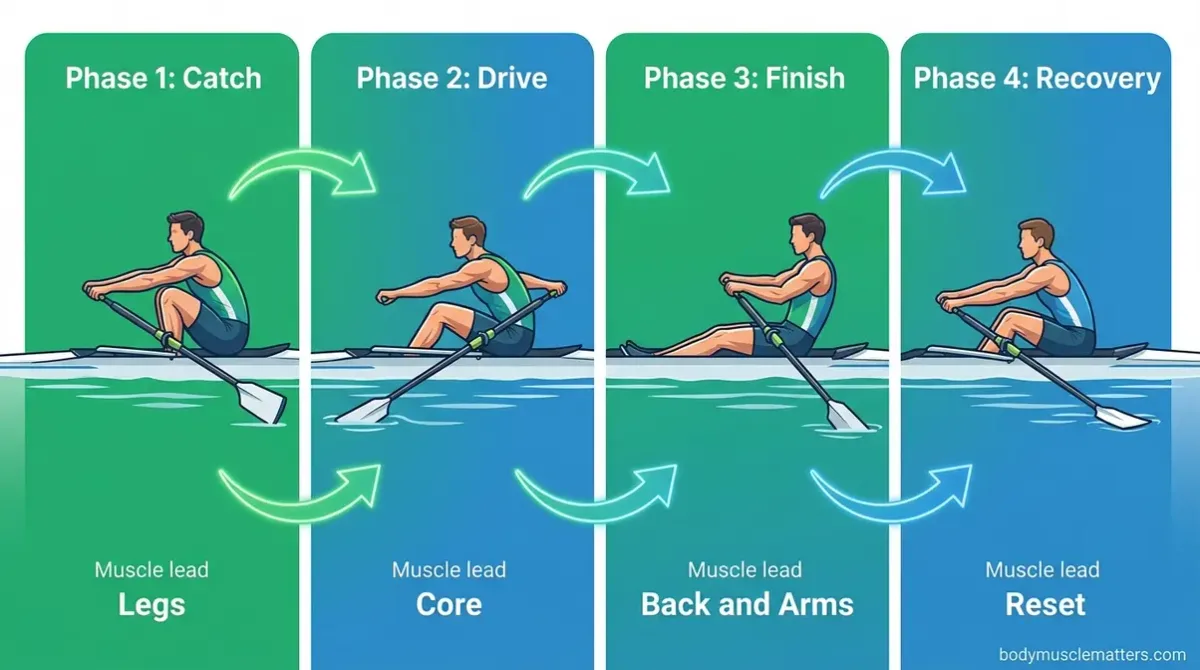
Image source: Bing (Web (fair-use with source credit))
The Recovery: Smoothness Over Speed
The recovery is the movement back to the "catch" position. This phase is just as important as the drive, and often where poor form creeps in. The recovery should be a controlled, smooth transition, not a hasty collapse.
It’s essentially the reverse of the drive sequence.
First, your arms extend fully. Then, as your arms are extended, your torso hinges forward at the hips, maintaining that straight-back posture. Finally, as your torso reaches a forward angle (similar to the catch), you bend your knees to slide back to the starting position.
This controlled sequence helps prepare your body for the next drive and avoids jarring impacts on your lower back. Rushing the recovery can lead to rounding the back or losing core engagement.
Rowing Machine Mistakes That Can Hurt Your Back
Making mistakes with a rowing machine can quickly turn a good workout into a bad one for your back. Awareness is your best defense against these common errors.
- Rounding the Lower Back: This is the most prevalent mistake and one of the most dangerous. It often happens when trying to pull harder or when fatigue sets in. Keep your spine neutral; imagine a straight line from your head to your tailbone.
- Jerking Your Body: Using momentum from your upper body or a sudden, explosive pull rather than a consistent, controlled stroke strains muscles and joints. Focus on smooth, rhythmic movements.
- Over-Reaching at the Finish: Leaning back too far at the end of the stroke can hyperextend your lumbar spine. Aim for a slight lean, not a backward bend.
- Rushing the Recovery: As mentioned, a hasty recovery can lead to poor posture and potential strain. Treat the recovery as a controlled glide back to the starting position.
- Not Engaging the Core: Your core muscles act as a natural brace for your spine. Without conscious core engagement, your back muscles have to do all the stabilizing work, leading to fatigue and potential injury.
- Ignoring Pain: If you feel a sharp or increasing pain in your back, stop immediately. Pushing through pain is a direct route to more serious injury.
When to Seek Professional Advice for Your Back and Rowing
The decision to use a rowing machine, especially if you have a history of back issues, should ideally involve professional input. This isn't about being overly cautious; it's about being smart and safeguarding your health.
A physical therapist or doctor can perform a functional assessment of your back and core strength. They can identify any underlying issues you might not even be aware of and explain how these might be impacted by rowing. They may recommend specific exercises to build up the necessary support muscles before you even get on the machine.
For example, if you have weak glutes, they might prescribe exercises like bridges or clamshells to activate them, which are crucial for a safe rowing drive.
Furthermore, a physical therapist can demonstrate proper rowing form tailored to your body. This personalized instruction is invaluable and often more effective than generic videos or descriptions. They can also advise on the intensity and duration of your workouts, ensuring you progress safely and effectively, which is crucial for avoiding overuse injuries.
Quick Guide: Rowing Machine Use for Back Safety
- Consult first: If you have any back pain or concerns, see a doctor or physical therapist before rowing.
- Master the form: Focus on a neutral spine, leg-driven drive, and controlled recovery.
- Engage your core: Keep your abdominal muscles tight throughout the movement.
- Progress slowly: Start with short sessions and gradually increase intensity and duration.
- Listen to your body: Stop if you feel sharp pain. Don't push through it.
- Watch for common mistakes: Avoid rounding your back, jerky movements, and over-reaching.
Frequently Asked Questions about Rowing Machines and Backs
Is rowing harder on the back than cycling?
Generally, rowing can be more demanding on the back than cycling if done with poor form, due to the spinal flexion and extension involved. Cycling is primarily a lower-body exercise with less direct spinal engagement. However, correct rowing form emphasizes back support, making it safe for many.
Can rowing help with lower back pain?
Yes, for some individuals, rowing can help alleviate lower back pain by strengthening the core and posterior chain muscles that support the spine. This is contingent on having good form and no underlying contraindications, and ideally, clearance from a healthcare provider.
How many days a week should I row for back health?
For general back health and fitness, rowing 2-3 times per week, with rest days in between, is often recommended. The intensity and duration should be gradually increased. Always prioritize recovery and listen to your body's signals.
What is the most important muscle group to engage when rowing for back support?
The core muscles, including your abdominals and obliques, are the most critical for back support during rowing. They help stabilize your spine and prevent excessive flexion or extension, protecting your lower back.