Is a Rowing Machine Good for Beginners
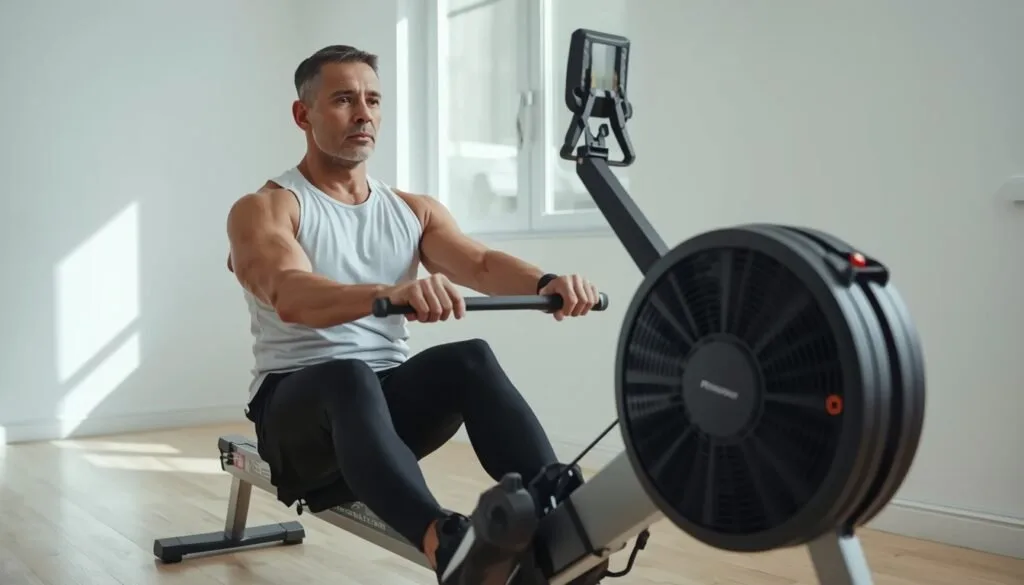
Image source: Bing (Web (fair-use with source credit))
Is a rowing machine good for beginners? This question often pops up when you're looking to kickstart a fitness journey or add a new piece of cardio equipment to your home gym. Rowing machines offer a fantastic full-body workout, but before you jump on, it's smart to understand if it’s the right fit for your current fitness level and goals.
Our research dives into what makes a rower a great option for newcomers, alongside crucial considerations to ensure you start safely and effectively.
Rowing machines provide a unique blend of cardio and strength training, engaging up to 86% of your muscles with each stroke. For instance, a single workout can challenge your legs, core, and upper body simultaneously, unlike many other machines. We'll walk you through how to assess if this versatile piece of equipment aligns with your needs, helping you make an informed decision right from the start.
Quick Answer: The Rowing Machine for Newcomers
Yes, a rowing machine can be excellent for beginners, offering a low-impact, full-body workout. It builds cardiovascular health and muscle strength without the harsh joint impact of running. Key considerations include learning proper form to avoid injury and choosing a resistance type that suits your preference.
Is Your Body Ready for a Rower? First Checkpoints
Deciding if a rowing machine is your next fitness step starts with a quick self-assessment. It's not just about wanting a good workout; it's about making sure the type of workout fits you. Many people jump into new equipment without considering these fundamental questions, which can lead to frustration or even injury.
Do You Have Specific Health Concerns?
If you've got existing injuries, especially to your back, knees, or shoulders, or if you have any heart conditions, it's crucial to talk to your doctor first. While rowing is generally low-impact, improper form can strain your lower back. Similarly, certain pre-existing conditions might require modifications or make other forms of exercise a safer starting point.
A medical professional can provide personalized advice based on your health history.
What Are Your Fitness Goals?
Think about what you want to achieve with your exercise routine. Are you aiming for significant weight loss, building lean muscle, improving cardiovascular endurance, or simply getting more active overall? Rowing machines excel at all of these.
They burn a high number of calories, engage major muscle groups, and significantly boost heart health. If your primary goal is pure muscle hypertrophy (bulking up), you might need to supplement rowing with targeted strength training, but for general fitness and conditioning, it’s a top contender. For a broader look at cardio options, you can explore 12 Best Elliptical Machine for Beginners.
The Rowing Machine Workout: What to Expect
Once you've determined a rower might be a good fit, understanding how it works and what to expect from the actual workout is next. It’s more than just pulling a handle; there’s a rhythm and a technique involved that makes it so effective. Getting a handle on this early will make your experience much more rewarding.
How a Rower Actually Works
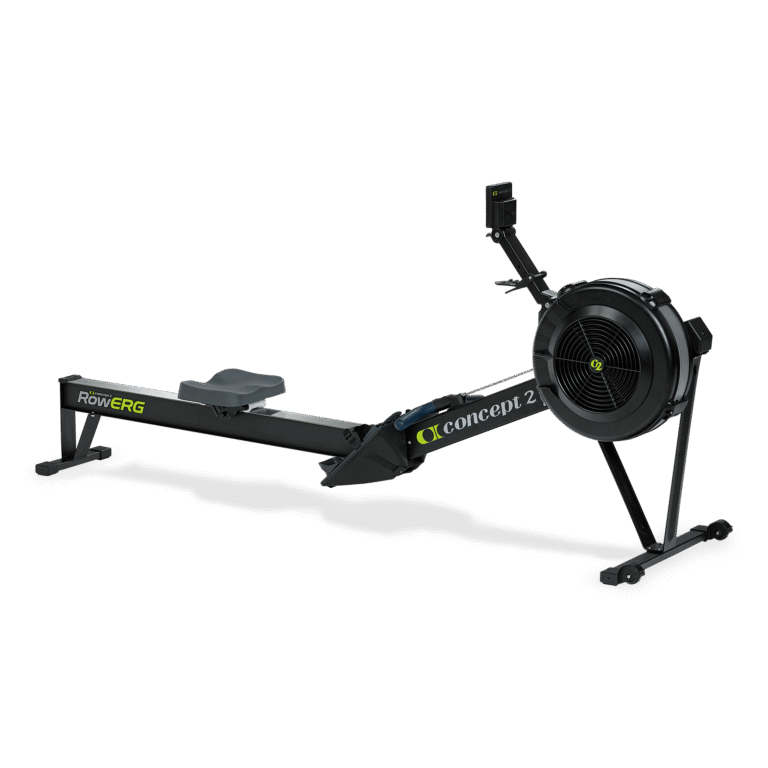
At its core, a rowing machine, often called an ergometer or "erg," simulates the motion of rowing a boat. You sit on a sliding seat, place your feet in secure straps, and pull a handle connected to a flywheel. The resistance generated by the flywheel is what you push against.
As you pull the handle and slide back, you engage your legs, core, and arms. The workout intensity is controlled by how hard you push and pull, and often by adjustable resistance settings on the machine itself.
Key Rowing Machine Components to Know
Understanding the basic parts of a rowing machine helps demystify its operation and lets you appreciate the engineering behind the workout.
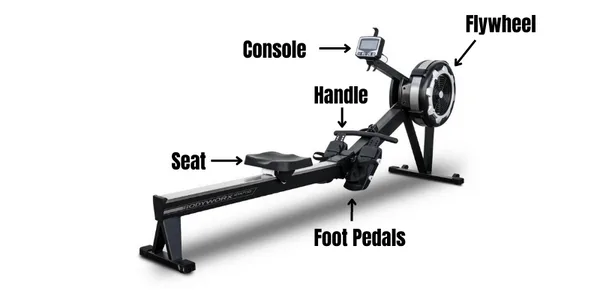
- Seat: This is where you sit. It slides back and forth on a rail, allowing for the full range of motion in your legs and hips.
- Footrests: You secure your feet here. They're usually adjustable to accommodate different shoe sizes and provide a stable base for your push.
- Handle: This is what you grab. It’s connected to the resistance mechanism via a chain or strap.
- Resistance Mechanism: This is the heart of the rower, creating the "water" or "air" you're pushing against. Common types include air, magnetic, water, and hydraulic. Each offers a slightly different feel.
- Monitor/Display: This screen shows your workout data, like distance, time, pace (often per 500 meters), strokes per minute, and calories burned.
The Big Picture: Benefits vs. What Could Go Wrong
Every piece of fitness equipment has its upsides and potential downsides, and rowing machines are no different. For beginners, weighing these factors is key to setting realistic expectations and ensuring you're choosing the best option for your health and fitness journey.
Upsides of Starting with a Rower
Rowing machines are incredibly efficient. Our research shows they provide a comprehensive, low-impact cardiovascular workout that also builds significant strength.
- Full-Body Engagement: You work your legs (quads, hamstrings, glutes), core (abs, obliques, lower back), and upper body (back, shoulders, arms) all at once.
- Low Impact: Unlike running, rowing is gentle on your joints, making it ideal for people with knee or hip issues, or those looking for a less jarring cardio option.
- High Calorie Burn: Due to the extensive muscle engagement, rowers are fantastic for burning calories and supporting weight loss efforts.
- Improved Posture: The exercise strengthens the muscles that support your spine, which can help correct poor posture developed from sitting.
- Scalable Intensity: You can make the workout as easy or as hard as you like by simply adjusting your effort.
For those considering other low-impact cardio, exploring 12 Best Compact Elliptical Machine might also be beneficial.
Potential Downsides for Beginners
While rowing is broadly beneficial, a few things can trip up beginners if not addressed.
- Learning Curve for Form: Proper technique is vital for efficiency and injury prevention. It takes practice to get the stroke right.
- Risk of Back Strain: If your form is incorrect, particularly with rounding your back or over-reaching, you can put undue stress on your lower back.
- Motivation: Like any cardio machine, staying motivated long-term can be a challenge. Using the monitor's programs or setting personal goals can help.
- Noise: Air rowers, while popular for their smooth feel, can be quite loud, which might be a consideration if you have close neighbors or live in an apartment.
Getting Started on the Rower: Your First Steps
So, you’ve decided a rowing machine is for you. Great! Now comes the practical part: learning how to use it effectively and safely.
This isn't about just hopping on and going; a little preparation goes a long way.
Learning Proper Rowing Form is Key
This is arguably the most important step for any beginner. Bad form not only makes your workout less effective but also significantly increases your risk of injury, particularly to your lower back. Focus on these key phases of the stroke:
- The Catch: Start with your knees bent, shins roughly vertical, and arms extended. Your back should be straight, leaning slightly forward from the hips.
- The Drive: This is where the power comes from. Push with your legs first, then lean back slightly from your hips, and finally, pull the handle towards your chest.
- The Finish: Your legs should be extended, your torso leaning back slightly, and the handle pulled to your upper chest/collarbone area.
- The Recovery: This is the return motion. Extend your arms first, then lean your torso forward from the hips, and finally, bend your knees to return to the catch position.
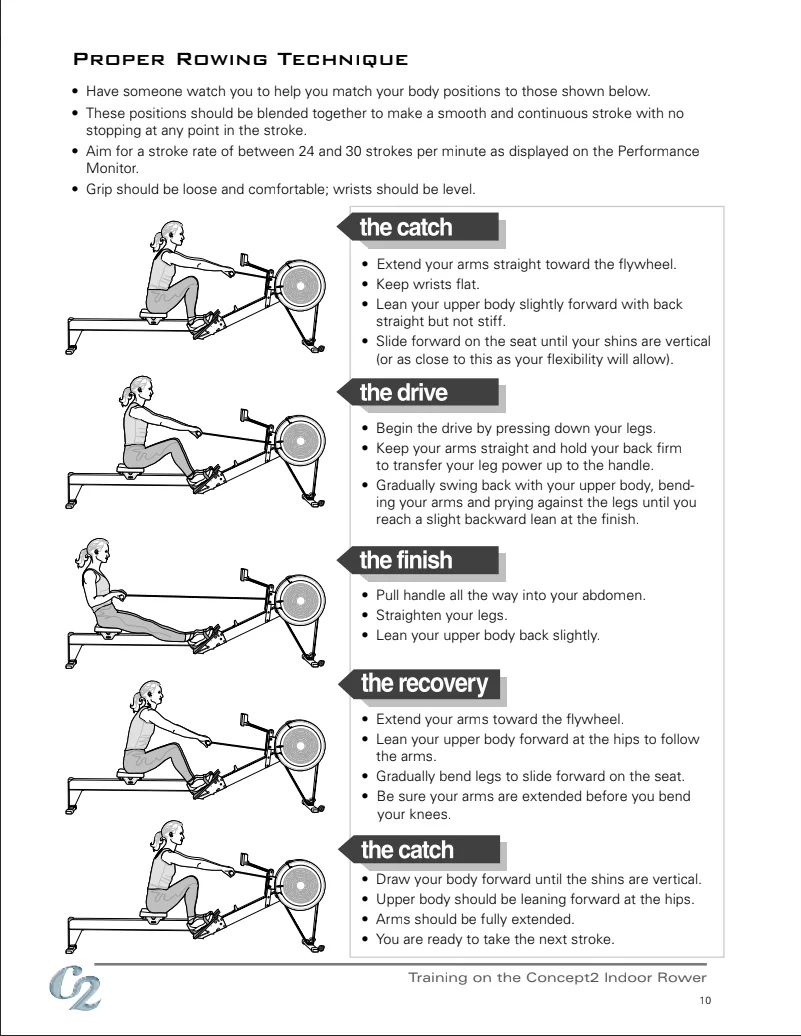
Think "legs, body, arms" on the way back (drive) and "arms, body, legs" on the way forward (recovery). It’s a smooth, continuous motion. Many rowing machines come with basic instructions, and manufacturer websites often have video tutorials.
For a deeper dive into the biomechanics and proper technique, you might consult resources from organizations like World Rowing, the international governing body for the sport.
Building Your First Rowing Workouts
When you’re just starting, keep your workouts short and focus on form. Don’t worry about speed or distance initially.
- Duration: Aim for 10-15 minutes for your first few sessions.
- Intensity: Use a light resistance setting. Your focus should be on feeling the movement and getting the sequence right. You should be able to hold a conversation easily.
- Frequency: Start with 2-3 times a week, allowing your body time to recover between sessions.
- Monitor: Use the machine's display to track your stroke rate (strokes per minute, or SPM) and ensure it’s steady. For beginners, a SPM between 20-25 is often recommended.
As you get more comfortable, you can gradually increase the duration, intensity, and frequency of your workouts.
Who's a Rowing Machine REALLY For?
Understanding who benefits most from a rowing machine helps you determine if it’s the right tool for your specific fitness needs and lifestyle. It's a versatile machine, but its strengths shine brightest for certain individuals.
Great Fits for Beginners
- The "Just Starting Out" Individual: If you’re new to exercise or returning after a long break, the low-impact nature and full-body engagement are fantastic for building a solid fitness base without overwhelming your body.
- Those Seeking a Balanced Workout: If you want to improve both cardiovascular health and build functional strength simultaneously, rowing is hard to beat. It's an efficient way to check multiple fitness boxes.
- People with Joint Concerns: Individuals who find running or high-impact activities hard on their knees, hips, or ankles often find rowing to be a much more comfortable and sustainable cardio option.
- Home Gym Enthusiasts: For those building a home gym, a rower offers a complete workout in a relatively compact footprint, especially if you opt for a foldable model. You can find many options, including 12 Best Compact Elliptical Machine if space is a major concern.
When a Rower Might Not Be the Best Choice
- Pure Strength Athletes: If your primary goal is maximal strength or bodybuilding, you'll likely need to focus more on weightlifting. While rowing builds muscle, it's not the most efficient path to extreme muscle mass. You might consider looking into 12 Best Dumbbells for Beginners for dedicated strength work.
- Those with Specific Spinal Issues: While generally safe, individuals with certain acute spinal injuries or conditions should consult a medical professional and may find other forms of exercise more suitable.
- If Noise is a Major Issue: As mentioned, air rowers can be loud. If you live in a building with strict noise regulations and can't use headphones, a magnetic or water rower might be a quieter alternative, though they still make some sound.
Rowing Machine FAQs for New Users
How long does setup take?
Setup time varies by model but generally takes between 30 minutes to an hour for most home rowers. You'll typically just need to attach a few main components, like the front and rear frames or the console. Always check the manufacturer's instructions for your specific model, and have a Phillips head screwdriver and possibly a wrench handy.
What resistance type is best for beginners?
For beginners, magnetic resistance rowers are often recommended because they offer smooth, quiet operation and easily adjustable, consistent resistance levels. Air rowers provide a more dynamic workout that increases with your effort but can be noisier. Water rowers mimic the feel of rowing on water and are also relatively quiet but can be more expensive.
Hydraulic rowers are typically found on more budget-friendly models and can be effective but sometimes offer less consistent resistance.
How often should I use a rowing machine as a beginner?
As a beginner, aim for 2-3 sessions per week, with at least one rest day in between. Focus on proper form and shorter durations (10-20 minutes) initially. As your fitness improves, you can gradually increase the frequency to 4-5 times per week and extend your workout duration.
Can rowing help me lose weight?
Absolutely. Rowing is a phenomenal calorie-burning activity due to its full-body engagement. When combined with a balanced diet, consistent rowing workouts can significantly contribute to weight loss goals.
You can track your progress using the machine's calorie counter, though remember it's an estimate. For other effective weight loss tools, check out 12 Best Elliptical Machine for Weight Loss.
Do I need special shoes?
No, you don't need special shoes. Most workout shoes with good grip and support will work fine. The foot straps on the rower will keep your feet secure.
Avoid open-toed shoes or anything that might easily slip out.
Your Decision: Should You Row?
Ultimately, whether a rowing machine is good for beginners hinges on your personal circumstances, goals, and willingness to learn proper form. If you're looking for an efficient, low-impact, full-body workout that can be scaled to your fitness level, a rower is an excellent choice. Just remember to prioritize technique over intensity when you're starting out, and consult with a healthcare provider if you have any pre-existing health conditions.
It’s a powerful tool for building fitness and can be a truly rewarding addition to your exercise routine.