Is Rowing Machine Cardio or Strength Training
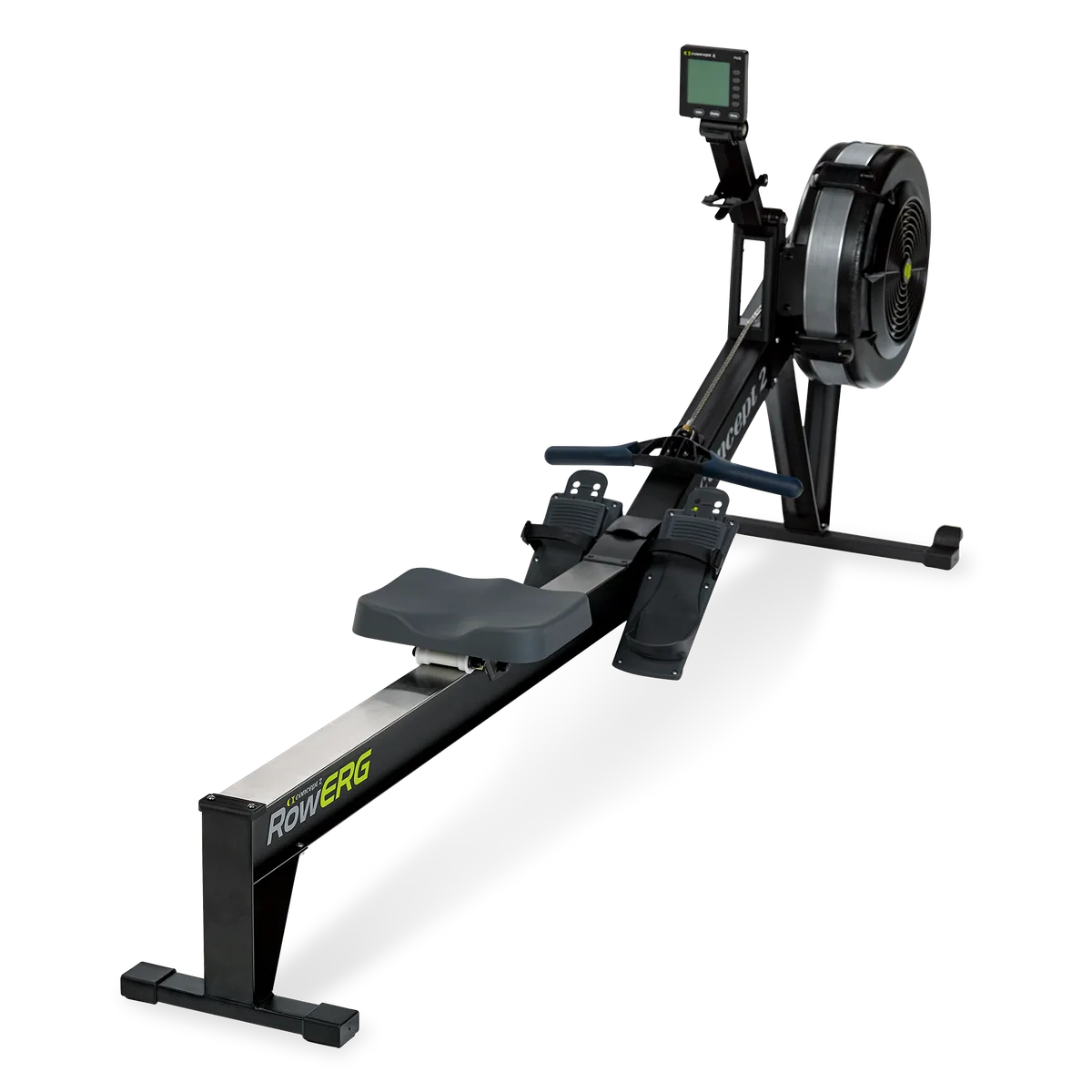
Image source: Bing (Web (fair-use with source credit))
Rowing Machine: Cardio or Strength? Your Workout Decision Guide
Ever wondered if your rowing machine workout is getting your heart pumping for cardio or building serious muscle? It's a common question, and the truth is, it can absolutely be both, but how you use the machine makes all the difference. Understanding these nuances means you can tailor your sessions to hit your specific fitness goals.
Manufacturer specifications for most rowing machines, like those from Concept2, highlight a wide range of resistance levels and monitor data. This variability allows for vastly different workout intensities. We'll break down exactly how to leverage your rowing machine for either cardiovascular conditioning or strength development, ensuring you get the most out of every stroke.
When Does Rowing Feel Like Cardio?
Rowing machines are fantastic for cardiovascular conditioning because they engage a large portion of your body in a rhythmic, continuous motion. When you focus on a steady pace and moderate intensity, you're essentially giving your heart and lungs a serious workout. This type of training is what builds endurance and improves your body's ability to use oxygen efficiently.
The Heart Rate Connection
During a rowing workout, if your goal is cardio, you're aiming for a sustained elevated heart rate. For most individuals, this typically falls within 60-85% of their maximum heart rate. This range is where you build aerobic capacity.
For example, a 30-minute steady-state row can significantly boost your cardiovascular health and help with weight management.

Calorie Burn and Endurance Focus
The continuous engagement of muscles like your legs, core, and arms during rowing burns a considerable number of calories. A rowing machine workout, when focused on cardio, can torch upwards of 400-600 calories per hour, depending on your intensity and body weight. This makes it a powerhouse for fat loss and overall stamina improvement.
If you’re training for a race or looking to improve your general fitness, sustained rowing at a moderate pace is your best bet.
When Does Rowing Lean Towards Strength?
While rowing is often praised for its cardio benefits, it also offers significant advantages for building muscular endurance and toning. It's not about lifting heavy weights, but rather about performing a high number of repetitions with controlled resistance. This pushes your muscles to work harder over longer periods, increasing their stamina and definition.
Muscle Engagement and Resistance
A rowing stroke activates key muscle groups: your quadriceps and hamstrings in the drive phase, your core for stability, and your back, shoulders, and biceps in the pull. When you increase the resistance, you demand more from these muscles with each stroke. This sustained effort, especially in shorter, more powerful bursts, starts to build strength, particularly in the muscles responsible for the powerful leg drive.
Think of it as a different kind of strength training, focused on endurance and functional movement.
Building Muscular Endurance
Muscular endurance is your muscles' ability to sustain repeated contractions against resistance for an extended period. Rowing excels here because it mimics compound movements. By performing many "reps" of the rowing stroke with significant resistance, you challenge these muscle groups.
This leads to improved muscle tone and a greater ability to perform physical tasks without fatigue. For instance, athletes often use rowing to supplement strength training for sports requiring explosive power and lasting stamina.
How to Shift Your Rowing Workout
The beauty of a rowing machine is its adaptability. It’s not rigidly one or the other; you can consciously shift your focus between cardio and strength by tweaking a few key variables. This flexibility means you can design workouts that perfectly match your training plan for the day or week.
Adjusting Resistance Levels
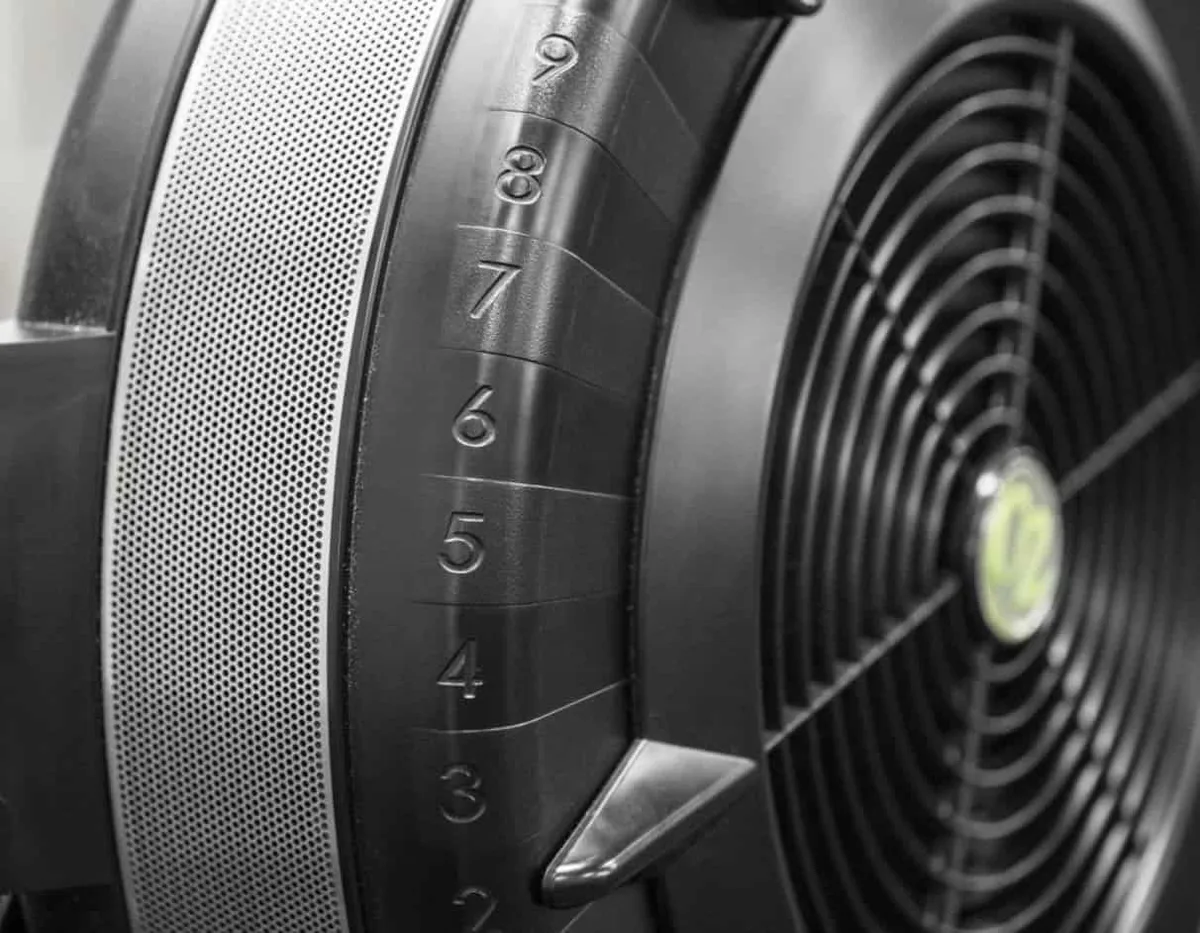
The resistance on a rowing machine is a primary lever you can pull to change the nature of your workout. For cardio, you'll typically use a lower to moderate resistance setting. This allows for a higher stroke rate and sustained effort.
To lean into strength, you'll want to increase the resistance significantly. This makes each stroke harder, forcing your muscles to work with more force, much like using heavier weights in a gym. Some air resistance machines have a damper setting, while magnetic resistance typically has numbered levels.
Changing Your Stroke Cadence and Power
The rhythm and force of your strokes also play a crucial role. For cardio, aim for a higher stroke rate, generally between 25-35 strokes per minute (SPM). The focus is on smooth, continuous movement.
To emphasize strength, you'll reduce your SPM, perhaps to 20-24 SPM, but generate significantly more power with each stroke. This means a slower, more deliberate, and forceful pull, mimicking the controlled effort of strength exercises.
Incorporating Intervals
Interval training is a powerful way to blend cardio and strength. You can alternate short bursts of high-intensity rowing (increased resistance, maximal power, lower SPM) with longer periods of lower-intensity, steady-state rowing (moderate resistance, steady pace, higher SPM). For example, a strength-focused interval might be 30 seconds of maximum effort at a high resistance, followed by 90 seconds of recovery rowing.
This type of training effectively builds both cardiovascular capacity and muscular power.
Common Rowing Mistakes to Avoid
While rowing is a fantastic exercise, doing it incorrectly can limit your results and even lead to injury. Many people make a few common errors without realizing it. Being aware of these pitfalls will help you get the most out of your machine and stay safe.
Form and Posture Pitfalls
The most frequent mistake is improper form, which often stems from not understanding the rowing stroke's mechanics. Key issues include:
- Rounding your back: This puts undue stress on your spine. Always maintain a neutral, straight back.
- Pulling with your arms only: The power should come from your legs. Your arms are the final pull.
- Slouching: Proper posture engages your core and prevents strain. Sit up tall.
Learning the correct sequence, catch, drive, finish, recovery, is vital. Manufacturer documentation and online guides from organizations like Concept2 often provide detailed form breakdowns.
Pushing Too Hard, Too Soon
Another common error is trying to do too much, too soon, especially when focusing on strength. This can lead to burnout or injury. If you're increasing resistance or trying high-intensity intervals, start gradually.
For instance, if you’re new to rowing, don't jump straight into 30-second maximal effort sprints. Build up your base endurance first, then progressively increase the intensity and resistance.
Who Benefits Most from Rowing?
Rowing machines are incredibly versatile, making them a great addition to almost any fitness routine. However, certain individuals and goals align particularly well with the benefits rowing offers, whether you're prioritizing your heart health or looking to build lean muscle.
For Cardiovascular Health Seekers
If your primary goal is to improve your heart health, boost stamina, and burn calories, rowing is an excellent choice. It provides a sustained, moderate-intensity aerobic workout that strengthens your cardiovascular system. For those looking to improve their aerobic capacity, consistent rowing sessions are highly effective.
It's also a fantastic option for individuals who need a low-impact alternative to running or jumping exercises, making it suitable for a wide range of fitness levels. You might also find compact ellipticals helpful for similar low-impact cardio.
For Those Seeking Full-Body Toning
Rowing machines offer a unique advantage for full-body toning because they engage so many muscle groups simultaneously. While it’s not a replacement for heavy weightlifting for significant muscle hypertrophy, it excels at building muscular endurance and creating lean muscle definition. If you’re looking for an exercise that works your legs, core, back, and arms in a single session, rowing is hard to beat.
For those interested in building overall functional strength, consider pairing rowing with light dumbbells.
Rowing Machine Specs That Matter
Understanding the technical aspects of your rowing machine can significantly impact your workout. Different types of resistance offer varied experiences, and knowing what the numbers on your monitor mean helps you train smarter. As of 2026, most machines provide key metrics that are essential for tracking progress, whether your focus is cardio or strength.
Understanding Resistance Types
The primary way a rowing machine provides resistance varies. Air resistance machines, like those often seen in competitive settings, use a fan or impeller. The faster you move, the more air resistance you create, meaning your effort directly correlates to resistance.
Water resistance machines mimic the feel of rowing on open water, using a paddle in a tank of water; they offer a smoother, quieter experience and the sound of water is often described as calming. Magnetic resistance machines use magnets to create a drag, offering precise, adjustable levels that are often electronically controlled. Hydraulic resistance is typically found on more basic models and uses pistons, often providing a more limited range of resistance.
Key Performance Metrics (Watts, SPM, Pace)
Your rowing machine's monitor displays vital data.
- Watts (Power Output): This measures the actual power you're generating, typically in watts. Higher watts mean you're pushing harder. This metric is excellent for both cardio and strength, as it directly reflects your effort.
- SPM (Strokes Per Minute): This indicates your rowing cadence. For cardio, a higher SPM (25-35) is common. For strength focus, a lower SPM (20-24) with higher power is more effective.
- Pace (e.g., Minutes per 500m): This shows how quickly you can cover a set distance. Lower pace times indicate greater speed and efficiency, a key indicator for cardio performance.
Making Your Rowing Choice: A Quick Guide
Your decision to prioritize cardio or strength on the rowing machine depends entirely on your personal fitness goals. If your aim is to enhance cardiovascular fitness, maintain a steady pace with a resistance setting that allows for a higher stroke rate, typically 25-35 SPM. This continuous effort keeps your heart rate elevated in the aerobic zone, maximizing calorie burn and improving endurance.
Conversely, if your goal is to build muscle tone and increase strength endurance, you'll want to increase the resistance significantly. Focus on a lower stroke rate, around 20-24 SPM, but drive each stroke with more power. This simulates the resistance challenges of weight training, pushing your muscles to adapt.
People seeking similar full-body toning might also consider adjustable dumbbells.
Is Rowing Machine Cardio or Strength Training? A Decisive Answer
Fundamentally, a rowing machine workout is a blend of both cardio and strength training. It's a full-body exercise that engages major muscle groups while simultaneously elevating your heart rate. The primary classification, cardio or strength, hinges on how you manipulate the machine's resistance, your stroke rate, and the duration and intensity of your session.
- For Cardio: Emphasize sustained effort, higher stroke rates (25-35 SPM), and moderate resistance. Aim for longer durations to build aerobic capacity and burn calories.
- For Strength: Increase resistance, lower stroke rates (20-24 SPM), and focus on powerful, controlled strokes. This builds muscular endurance and tone.
By understanding these distinctions, you can tailor your rowing sessions to meet specific fitness targets, whether that’s improving your heart health or developing lean muscle.
Frequently Asked Questions About Rowing Workouts
How often should I use a rowing machine for cardio?
For optimal cardiovascular benefits, aim for at least 150 minutes of moderate-intensity cardio per week. This could be 30 minutes, five days a week. Listen to your body and allow for rest days to prevent overtraining.
Can rowing build significant muscle mass?
Rowing is excellent for building muscular endurance and toning, but it's less effective for dramatic muscle hypertrophy (growth) compared to heavy weightlifting. To build significant muscle mass, you'd typically need to incorporate other strength-focused exercises, possibly using dumbbells for strength training.
What is the most important metric to track on a rower?
While watts and pace are excellent for gauging intensity, strokes per minute (SPM) is crucial for controlling your workout's nature. Higher SPM generally leans towards cardio, while lower SPM with higher power engagement leans towards strength.
Is rowing machine good for beginners?
Yes, rowing machines are very beginner-friendly due to their low-impact nature. However, learning proper form is essential to maximize benefits and avoid injury. Many resources are available to guide new users.
Can I use a rowing machine for weight loss?
Absolutely. Rowing is a highly effective calorie-burning exercise. Combining consistent rowing workouts with a balanced diet is a powerful strategy for weight loss.
Consider it alongside other effective exercise bikes for weight loss.