Why Is My Elliptical Machine Squeaking
That unwelcome squeak from your elliptical machine can turn a peaceful workout into an auditory annoyance. Fortunately, most of these noises stem from common, fixable issues rather than serious mechanical failures. We've researched the primary causes and solutions to help you restore silence to your home gym.
Understanding the potential points of friction and wear on your elliptical is key to diagnosing and resolving squeaks. As of 2026, manufacturer specifications generally indicate that regular maintenance, including lubrication and bolt checks, can prevent up to 80% of common operational noises. Let’s find out where that squeak is coming from and how to stop it.
Quick Answer
Your elliptical machine is likely squeaking due to loose bolts, a lack of lubrication on moving parts, or debris causing friction. Identifying the exact source is the first step to fixing it. Common culprits include pedal arms, wheels, and frame connections.
Isolating the Squeak: Your First Step to Silence
The most crucial part of silencing a squeaking elliptical is pinpointing the origin of the sound. This helps determine the exact fix needed. It's like a doctor listening to your symptoms before prescribing treatment.
Where is the Noise Coming From?
You'll want to pay close attention to where the noise seems loudest. Does it sound like it's coming from:
- The pedals or where they attach to the machine's arms?
- The wheels that help the pedals glide, or the track they run on?
- Any joints or connections in the main frame?
- The handlebars or arm supports themselves?
Try standing on the pedals and applying pressure, or have someone else operate the machine while you listen carefully.
Common Squeak Sources
Based on aggregate user feedback and manufacturer guidelines, the most frequent causes for an elliptical machine squeaking include:
- Dry pivot points: Metal parts rubbing together without sufficient lubrication.
- Loose hardware: Bolts and nuts can vibrate loose over time, creating play and noise.
- Debris interference: Small particles of dust, dirt, or sweat can get trapped in moving mechanisms.
- Worn components: While less common for simple squeaks, some parts might need replacement if heavily used.
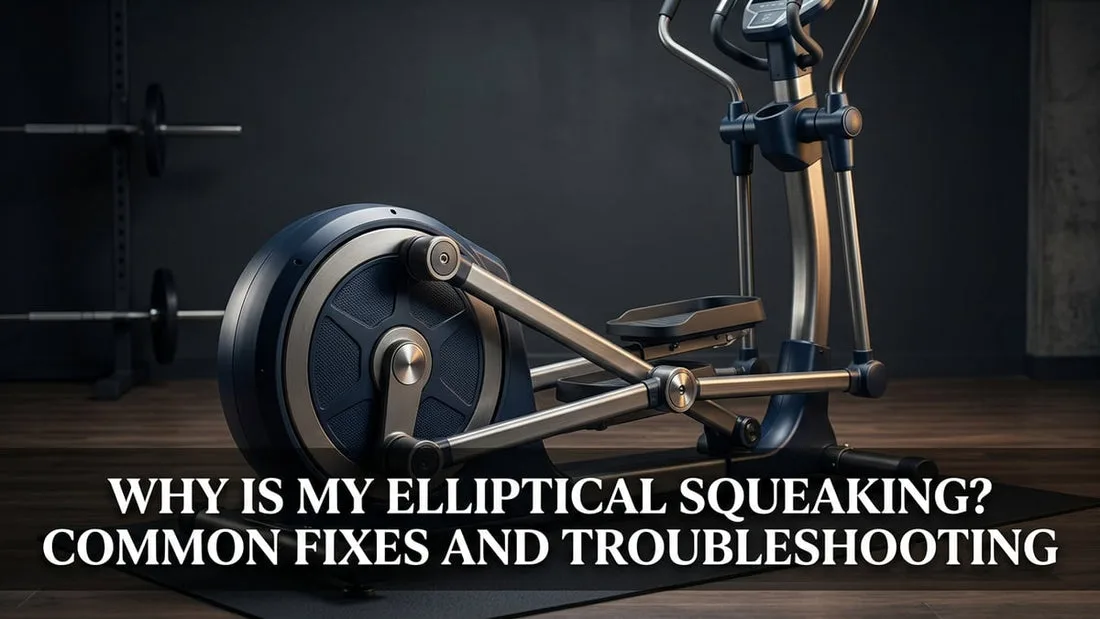
Image source: Bing (Web (fair-use with source credit))
Quick Fixes: Tighten and Lubricate
Often, that persistent squeak can be resolved with simple adjustments and a bit of maintenance. These are the most common and easiest solutions to try first. Think of it as essential upkeep that keeps your equipment running smoothly.
How to Tighten Loose Bolts and Nuts
Vibrations from regular use can cause the various bolts and nuts connecting your elliptical’s components to loosen over time. This creates slight movement, which can manifest as a squeak or creak.
- Gather your tools: You'll typically need a wrench set or the Allen keys that came with your elliptical.
- Inspect visually: Look for any bolts that appear slightly out of place or are accessible.
- Snug them up: Gently tighten any loose bolts or nuts. Don't use excessive force, as you don't want to strip the threads or damage the frame. Just make them firm.
- Test: Operate the machine briefly to see if the noise has subsided.

Image source: Web (Bing) / stickpng.com (Web image (fair-use with source credit))
Lubricating Key Moving Parts
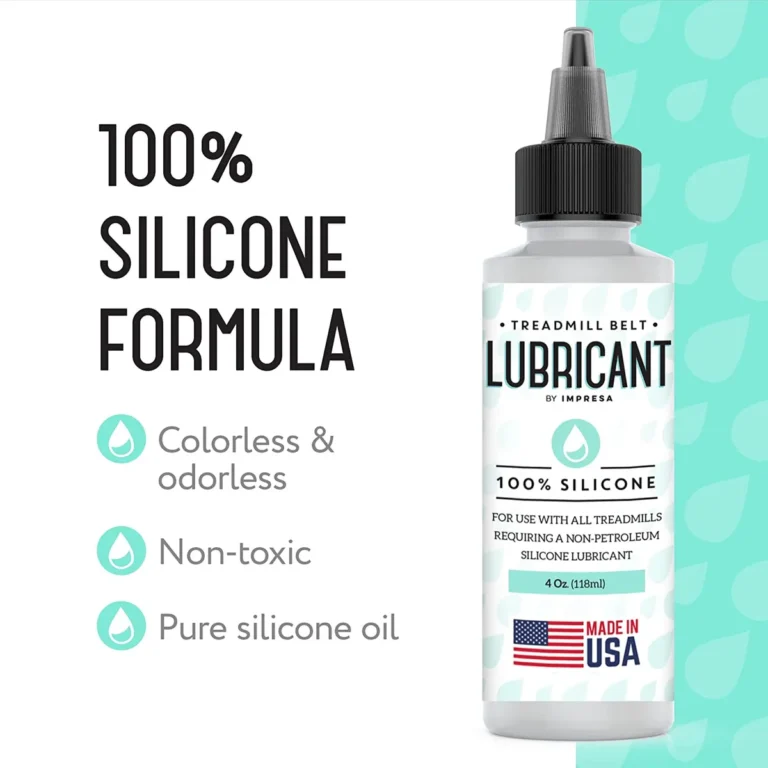
Lack of lubrication is a prime suspect for squeaking. Metal-on-metal contact without a lubricant like silicone spray or lithium grease creates friction and noise.
- Identify lubrication points: Check your owner's manual for specific recommended lubrication spots. These are typically pivot points, joints, and where moving arms connect.
- Apply lubricant: Use a silicone spray or a high-quality lubricant designed for fitness equipment. Spray a small amount directly onto the connection points or pivot areas.
- Work it in: Move the corresponding parts of the elliptical back and forth for 30-60 seconds. This helps distribute the lubricant evenly.
- Wipe excess: Clean up any drips or excess lubricant to prevent dust attraction.
This process is similar to how one might [maintain an exercise bike], ensuring all its moving parts function as intended.
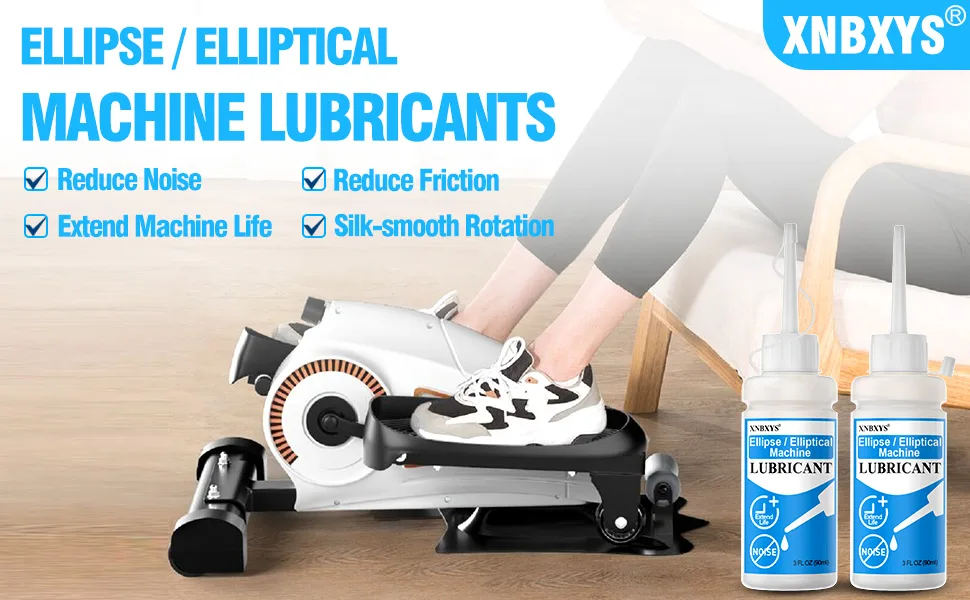
Image source: Bing (Web (fair-use with source credit))
Deeper Dives: Tackling Specific Squeaks
If tightening and basic lubrication didn't solve the issue, it's time to investigate the specific components that might be causing the noise. This requires a bit more focused attention.
Pedal and Pedal Arm Squeaks
Squeaks originating from the pedal area are quite common. This can be due to the direct forces applied to these parts during every workout.
- Check Pedal Bolts: Ensure the bolts that attach the pedals to the crank arms are tight. Sometimes, a pedal can wiggle loose.
- Inspect Pedal Arms: Examine where the pedal arms connect to the main body of the elliptical. These pivot points often need lubrication. Apply lubricant and cycle the arms to work it in.
- Pedal Bearings (Advanced): If your pedals are removable, and the noise persists, the actual pedal bearings might be dry or worn. This is a more involved fix, sometimes requiring partial disassembly. Similar to how an exercise bike pedal can develop noise, these areas are subject to significant stress.
Wheel and Track Noise Investigation
For ellipticals that utilize a gliding motion on wheels along a track, noise can develop in this system. Dirt or wear here can cause friction and an unpleasant sound.
- Clean the Track: Wipe down the track with a damp cloth to remove any dust, sweat residue, or debris. A clean surface is essential for smooth operation.
- Inspect Wheels: Look closely at the wheels. Are they rolling freely? Is there any debris stuck in them? Gently clean them if necessary.
- Lubricate Wheels/Track: Depending on your model, the wheels themselves or the track might benefit from a light application of lubricant. Check your user manual for specific recommendations on what type of lubricant to use here, as some tracks are designed for dry operation or specific greases.
Addressing Frame and Arm Squeaks
Noise can also come from the structural components of the elliptical, such as the main frame or the arm supports. These are often related to the connection points where different parts of the frame meet.
- Frame Joints: Locate any points where sections of the frame are bolted together. Check and tighten these bolts as described earlier.
- Arm Connections: Ensure the arm supports are securely fastened to the machine's body. Loose connections here can cause movement and squeaking with each stroke.
- Handlebar Grips: Sometimes, the rubber or foam grips on the handlebars can rub against the metal frame, especially if they've shifted. Ensure they are seated correctly. If the noise continues, a very small amount of lubricant applied to the underside of the grip might help.
Troubleshooting Common Mistakes to Avoid
When trying to silence your elliptical, it’s easy to make a misstep that could worsen the problem or even damage the machine. Being aware of these common errors can save you time and frustration.
What Lubricants NOT to Use
Not all lubricants are created equal, and using the wrong type can do more harm than good.
- Avoid Standard Oil: Regular motor oil or other petroleum-based oils can degrade certain rubber or plastic components on your elliptical. They can also attract a lot of dust, creating a gritty paste that exacerbates friction.
- Steer Clear of Penetrating Oils (like WD-40 for long-term use): While great for loosening rusty parts, penetrating oils evaporate relatively quickly. They don't provide the lasting lubrication needed for continuous motion and can leave a residue that attracts dirt.
- Stick to Silicone Spray or Lithium Grease: These are generally recommended for fitness equipment as they provide durable lubrication and are less likely to damage materials. Always check your elliptical's manual for specific recommendations.
Overtightening vs. Undetightening
Finding the right balance when tightening bolts is crucial.
- Undetightening: As we’ve discussed, loose bolts are a direct cause of squeaks. If parts can move freely, they will likely rub and create noise.
- Overtightening: Applying too much force can strip the threads of the bolt or the receiving nut/hole. This permanently damages the component and can even crack plastic parts or bend metal. It also makes future adjustments or disassembly much harder. The goal is a snug, firm fit, not extreme tightness.
When to Seek Professional Help or Manufacturer Support
If you’ve gone through the troubleshooting steps of tightening and lubricating, and the squeak persists, it might be time to consider external assistance. Some issues require specialized knowledge or tools that aren't typically found in a home toolkit.
- Consult Your Owner's Manual: Before anything else, check your elliptical's specific user manual. It will often have a dedicated section for troubleshooting common noises and may point out specific parts or procedures relevant to your model.
- Warranty Check: If your elliptical is still within its warranty period, contact the manufacturer. They can provide specific advice, send replacement parts, or arrange for a technician to visit. This can save you money compared to out-of-pocket repairs.
- Professional Repair Technician: For persistent or complex squeaks, especially if you're uncomfortable disassembling parts of the machine, a qualified fitness equipment repair technician is your best bet. They have the experience and tools to diagnose and fix a wider range of issues, from bearing replacements to frame alignment problems.
- Manufacturer Support: If you can't find parts or instructions in your manual, reaching out to the manufacturer's customer support line can provide direct assistance. They can often guide you through specific fixes or recommend authorized service centers.
Frequently Asked Questions About Squeaky Ellipticals
What type of lubricant is best for my elliptical?
Our research and manufacturer guidelines indicate that silicone spray or lithium-based grease are generally the most suitable lubricants for elliptical machines. Avoid standard motor oils or petroleum-based lubricants, as they can degrade plastic and rubber components and attract excess dust. Always consult your elliptical's owner's manual for specific product recommendations for your model.
How often should I lubricate my elliptical?
Consistent maintenance is the key to preventing squeaks and ensuring smooth operation. For a typical home elliptical, lubricating key pivot points and moving parts every 3 to 6 months is a good practice. If you use your machine daily or for extended periods, you might need to check and lubricate it more frequently, perhaps monthly.
Can a squeaking elliptical damage itself if ignored?
While a minor squeak might seem harmless, letting it persist can indeed lead to further issues. Over time, continuous friction from unlubricated or loose parts can cause premature wear. This could mean components like bearings or bushings wear out faster than intended, potentially leading to more expensive repairs down the line.
Addressing the noise early is always the most cost-effective approach.
Is it normal for a new elliptical to squeak?
Generally, a brand-new elliptical should operate quietly and smoothly right out of the box. If you hear squeaks shortly after assembly or within the first few workouts, it usually points to one of two things. First, double-check that all bolts and screws were tightened correctly during the setup process.
Second, sometimes the initial use can cause components to settle, and a quick re-tightening or a small amount of lubricant may be needed.
Can I use grease on the wheels of my elliptical?
Whether you can use grease on your elliptical's wheels depends heavily on its specific design. Some wheel systems are designed to run dry, while others require a light application of a particular lubricant. Always refer to your elliptical's owner's manual for guidance on wheel and track maintenance.


11 Comments