Why Is My Treadmill Console Not Working
If you're asking why is my treadmill console not working, you're not alone. It's one of the most common treadmill issues, and the fix is often simpler than you'd think. More often than not, it's a power problem, a loose safety key, or a tripped circuit breaker, not a dead console.
Per the National Electrical Code, most home treadmills need a dedicated 120-volt, 15-amp circuit. As of 2026, that's still the standard for residential fitness equipment. Before you spend money on any parts, let's walk through the checks that solve about 80% of these issues.
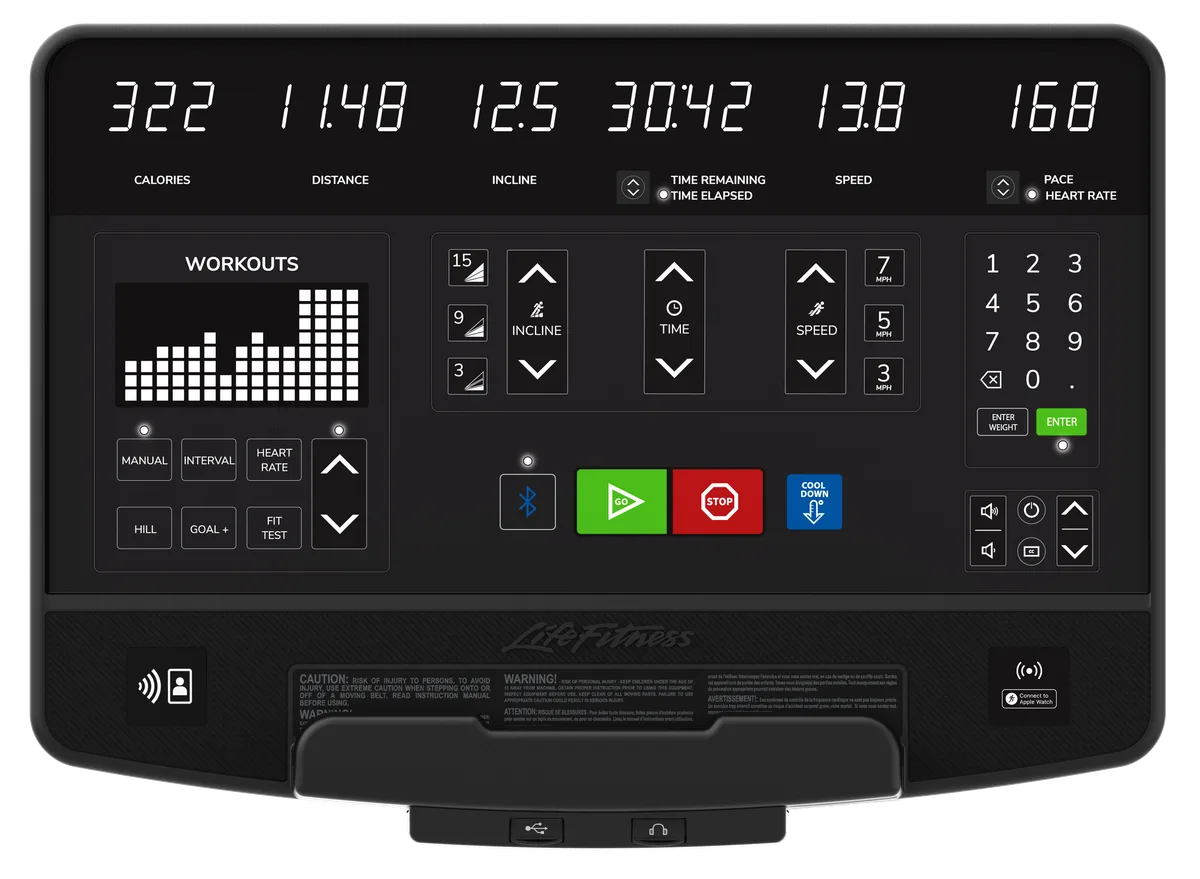
Image source: Bing (Web (fair-use with source credit))
The Short Version: Why Your Console Went Dark
A treadmill console goes dark for three main reasons: power interruption, a disengaged safety key, or a hardware failure. The first two are free and quick to fix. The third one might cost you, but only if you skip the cheap checks first.
Here's what usually happens, in order of likelihood:
- The treadmill isn't plugged in properly, or the outlet has no power.
- The safety key (that magnetic clip) isn't fully seated, so the console stays locked.
- The GFCI outlet tripped, cutting power to the belt and screen.
- A power surge fried the control board, which sits behind the display.
- A wire inside the treadmill loosened, often after moving it.
Notice what's missing? The treadmill doesn't "just die" on a whim. There's always a trigger.
Your job is to find the trigger before assuming the worst, and the next section shows exactly where to look.
If the console is completely black, start with the external power checks. If it lights up but won't respond, jump to the error code and wiring steps later in this guide. And if you recently moved the treadmill, treat loose cables as the prime suspect, not the control board.
A moving truck shakes everything loose, and that's a very common story.
Check These First: Power, Safety Key, and the 30-Second Reset
This is the fastest troubleshooting path, and it works for nearly every brand, including NordicTrack, ProForm, Sole, and Horizon. You don't need any tools for these first checks, and each one takes less than a minute.
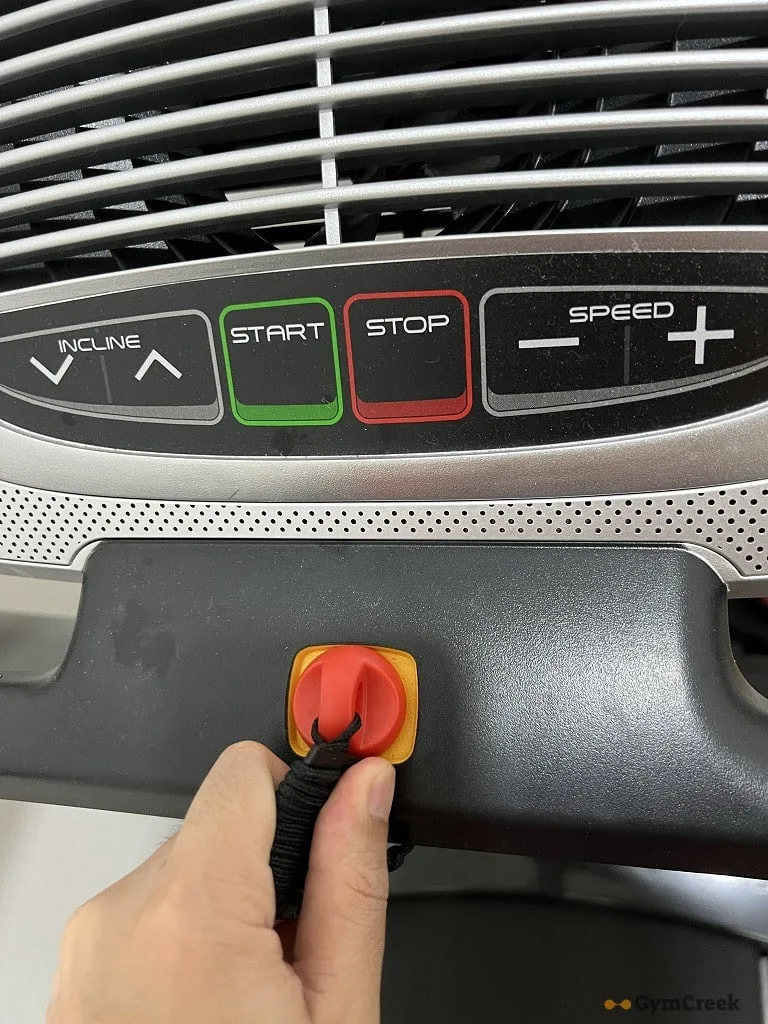
Image source: Bing (Web (fair-use with source credit))
Step 1: Check the wall outlet. Unplug the treadmill and plug in a lamp or phone charger. If that doesn't light up, the outlet is dead. Reset the circuit breaker or the built-in GFCI button on the outlet itself.
Step 2: Inspect the power cord. Look for frayed wires, kinks, or a loose connection where the cord meets the treadmill frame. A bad cord can cause power loss that feels like a console failure.
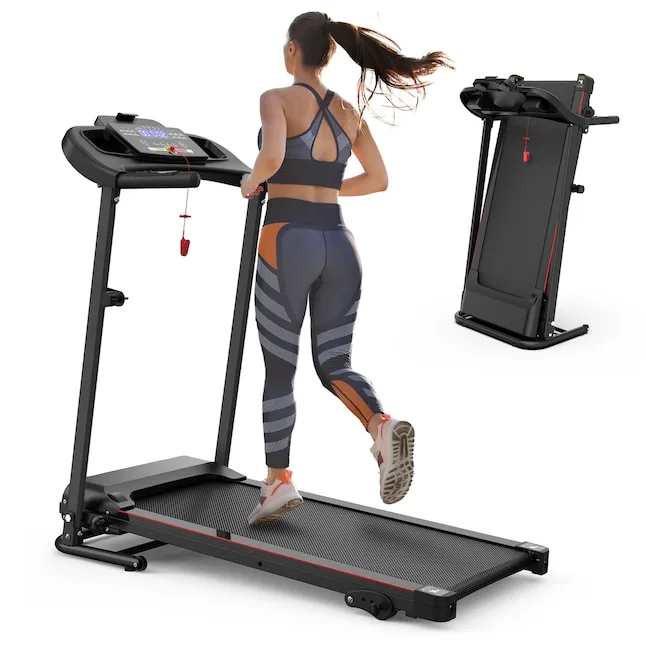
Step 3: Confirm the safety key is fully inserted. The console won't power on without it. Pull it out, push it back in until you hear a click, and check that the metal contacts are clean. A dusty or corroded key is a common culprit.
Step 4: Do the 30-second reset. Unplug the treadmill from the wall. Wait a full 30 seconds, then plug it back in. This clears the console's memory and resets the control board, which can fix strange errors and unresponsive screens.
Step 5: Power on and listen. If you hear a beep and the display wakes up, you're done. If it stays dark, move on to the symptom-based checks below.
These five steps resolve the majority of dead console cases. If yours didn't, don't panic. The next section walks through each symptom and tells you exactly what it means.
Your machine is trying to tell you something, and error codes are actually a good thing.
Follow the Symptoms: Dead Screen, Unresponsive Buttons, or Error Codes
The quickest way to diagnose a treadmill console is to match your symptom to the cause. Here's the "if this, then that" logic that experienced repair techs use.
If the screen is completely black and the treadmill beeps when you press start: The console has power, but the display is failing. This usually points to a loose ribbon cable or a failing display panel, not a dead motor.
If the screen is black and the treadmill is totally silent: Check the wall outlet and the safety key again. If both are fine, the control board isn't receiving power. That means a blown fuse or a tripped breaker inside the treadmill frame.
If the console lights up but buttons don't respond: The control board is alive, but it's not reading inputs. This often happens after a static shock or a power surge. The 30-second reset from the previous section fixes this about half the time.
If it doesn't, the membrane buttons may be worn out.
If you see an error code, like E1, E2, or E6: Look up the code in your owner's manual. A code always points to a specific component, like the speed sensor or the incline motor. For example, E1 is frequently a safety key issue, while E6 often means a motor communication failure.
Don't guess, and don't replace parts blindly. The manual is your diagnostic map.
If the screen flickers or dims when you step on the belt: Your outlet might not be supplying enough power. A treadmill needs a dedicated circuit, and if it shares one with a fridge or a space heater, you'll see voltage drops. Test the outlet with a multimeter to confirm you're getting 110 to 120 volts.
Error codes are your friend because they narrow the problem to one part. The alternative, random guessing, wastes money on parts you don't need. Patience here pays off.
What's Under the Console: Control Board, Cables, and Internal Connections
When external checks pass and symptoms persist, you'll need to look inside. This is where the real diagnosis happens, but it's also where you need to be careful. Always unplug the treadmill before removing any covers.
The console connects to the rest of the treadmill through a few key components:
- The console board sits directly behind the display. It processes button presses and shows data on the screen.
- The motor controller (MCU) is usually mounted on the lower frame. It sends power to the drive motor based on signals from the console.
- The ribbon cable links the console board to the motor controller. It's flat, wide, and plugs in with a locking latch. This cable is a common failure point after a move or a sharp twist of the treadmill frame.
- The wiring harness bundles multiple small wires into one sleeve. Connectors can wiggle loose over time, especially if the belt shakes a lot during runs.
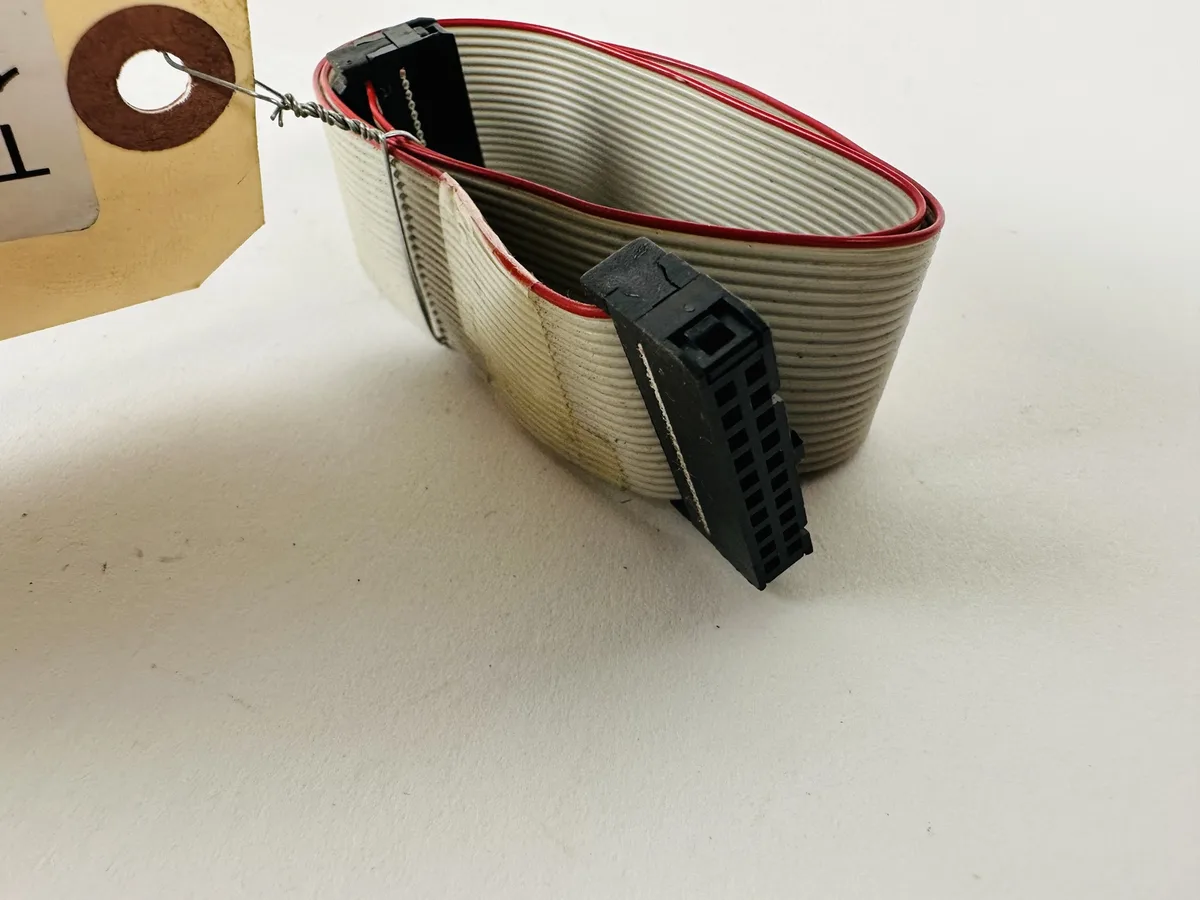
Image source: Bing (Web (fair-use with source credit))
How to inspect these safely: Remove the console cover and the motor hood. Look for loose connectors, bent pins, or burn marks. Reconnect any loose cables and see if the console wakes up.
Also, smell for burnt electronics. That odor means a component already failed.
A visual check can identify a loose cable in minutes. If you see scorch marks or a popped capacitor on the control board, that board needs replacement. If the board looks clean and cables are seated, the fault is deeper, and you're getting into professional territory.
Don't force any connectors, and take photos before you unplug anything so you can reassemble correctly.
DIY Repair vs. Service Call: Know the Limit and the Real Cost
Now that you know the likely parts, let's talk about whether you should fix this yourself or call someone. The honest answer depends on your comfort level and the actual component.
| Scenario | DIY Difficulty | Estimated Cost | Time Needed |
|---|---|---|---|
| New safety key | Easy | $5–$15 | 1 minute |
| Replace membrane buttons | Moderate | $20–$50 | 1–2 hours |
| Reseat ribbon cable | Moderate | $0 | 30 minutes |
| Replace motor controller | Hard | $100–$250 | 2–3 hours |
| Replace console board | Hard | $150–$300 | 2–3 hours |
| Full service call | N/A | $75–$150 + parts | 3–7 days |
What DIY repair is best for: Replacing the safety key, cleaning connectors, reseating the ribbon cable, and swapping the console board if you're comfortable with a screwdriver and zip ties. These are straightforward and well-documented in most owner's manuals.
What you should not DIY: Anything involving the motor controller if you don't understand high-voltage components, or any repair inside the motor housing without experience. One wrong move can shock you or fry another board. Also, opening sealed consoles may void your warranty, so check the manual first.
When to call a professional: If you've done the reset, inspected the cables, and the console still won't power on, get a technician. A diagnostic visit is often worth the $75 because they'll pinpoint the exact failure and tell you whether a new board is cheaper than a new treadmill. Also, if your treadmill is under warranty, call the manufacturer before touching anything.
For the total cost perspective, compare the repair price to your treadmill's value. A $300 board repair on a $500 treadmill isn't worth it. Put that money toward a new machine instead.
That's the kind of honest math that saves you the most.
Common Treadmill Troubleshooting Mistakes (and How to Avoid Them)
A few errors keep coming up again and again in verified buyer reports and treadmill service forums. Avoid these, and you'll save yourself time, money, and a lot of frustration.
- Skipping the outlet test first. Many people order a new control board before checking the wall socket. A dead outlet or a tripped GFCI creates the exact same symptom as a fried board. That test costs you two minutes and zero dollars.
- Ignoring the safety key. The console looks dead, so you assume a hardware crash. Sometimes the key just slipped out of position, or the metal contacts are dirty. Clean them with a dry cloth and reseat the key.
- Forgetting to unplug before inspecting. You lift the motor hood while the treadmill is still plugged in. That's how people get shocked. Always disconnect the power cord first, and wait a few minutes for capacitors to discharge.
- Guessing on error codes. Every brand uses different codes. What means "safety key" on one model might mean "motor fault" on another. Look up the exact code in your owner's manual before buying any parts.
- Shipping the whole treadmill back for a $15 fix. Aggregate reviews show that most console failures are simple power issues. Spending hundreds on a service call when a new safety key solves it is a waste.
Treadmill Console FAQs
Why is my treadmill console not working even though the treadmill turns on?
That combination usually means the belt motor gets power, but the console doesn't. Check the ribbon cable connecting the console to the motor controller first. It loosens during normal use, and reseating it fixes the issue most of the time.
Also, inspect the safety key, because a half-inserted key can sometimes let the belt run but keep the screen locked.
How much does it cost to replace a treadmill console?
A replacement console board typically runs between $100 and $250 for most mid-range brands. The control board, which is a separate part, often costs $50 to $150. Labor adds another $75 to $150 if you hire a technician.
Before you buy, confirm your treadmill's model number and check if it's still under warranty.
Can a power surge damage a treadmill console?
Yes, a power surge can fry the control board in a split second. That's why manufacturer specs recommend plugging your treadmill into a dedicated outlet with surge protection, not a basic power strip. The 30-second reset clears minor glitches, but a surge that pops a capacitor leaves permanent damage.
You'll often smell burnt electronics if the board is toast.
How do I reset my treadmill console?
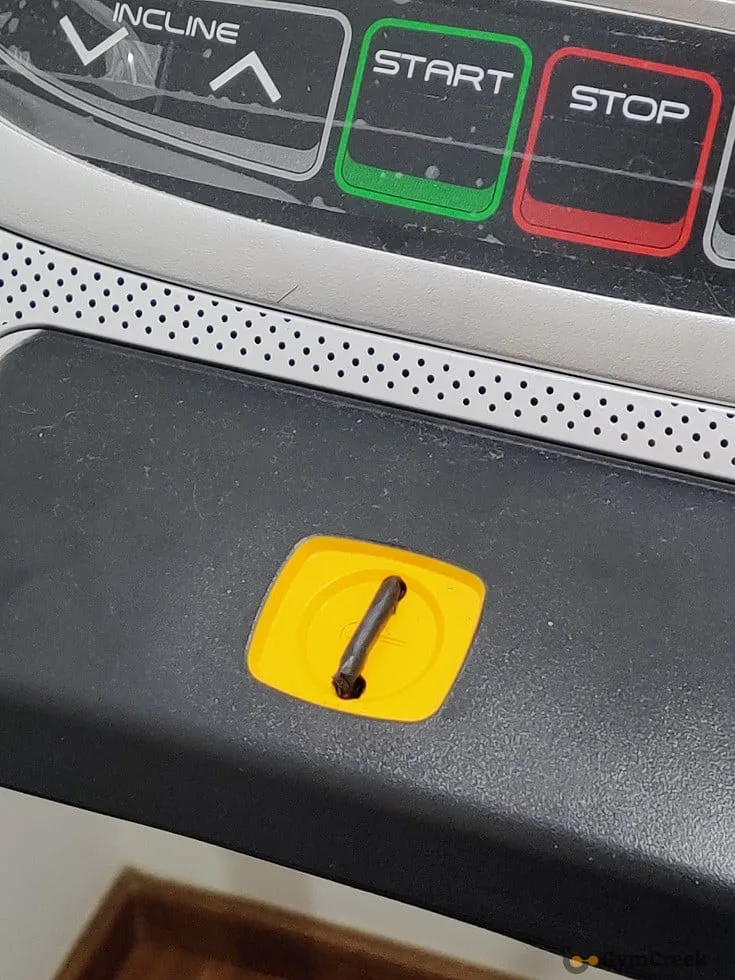
Unplug the treadmill from the wall and wait a full 30 seconds. Plug it back in and press the power button. If that doesn't work, some models have a small reset pinhole near the console.
Use a paperclip to press it. Still dead? Check the circuit breaker and the GFCI outlet before assuming the console needs replacement.
When should I just buy a new treadmill instead of fixing it?
Follow the 50% rule. If the repair cost is more than half the price of a comparable new treadmill, replace the machine. Also, consider your treadmill's age.
A five-year-old budget treadmill with a dead console is usually not worth repairing. A newer, higher-end model often justifies the cost of a new board.