Are Spin Bikes Worth It
Are spin bikes worth it? That's the question we've heard from friends, family, and readers who keep staring at a lonely bike in someone's living room. The honest answer is that it depends on your habits, your budget, and your space.
A spin bike can be a brilliant investment, or it can be an overpriced rack for jackets.
Before you buy, look at the numbers. As of 2026, studio spin classes run anywhere from $20 to $40 each, while home spin bikes range from $150 to $2,500, plus optional subscription fees. The CDC's public health guidance recommends at least 150 minutes of moderate-intensity cardio a week, and indoor cycling makes that easy to hit.
But the real test comes down to one simple thing: will you actually ride it three times a week?
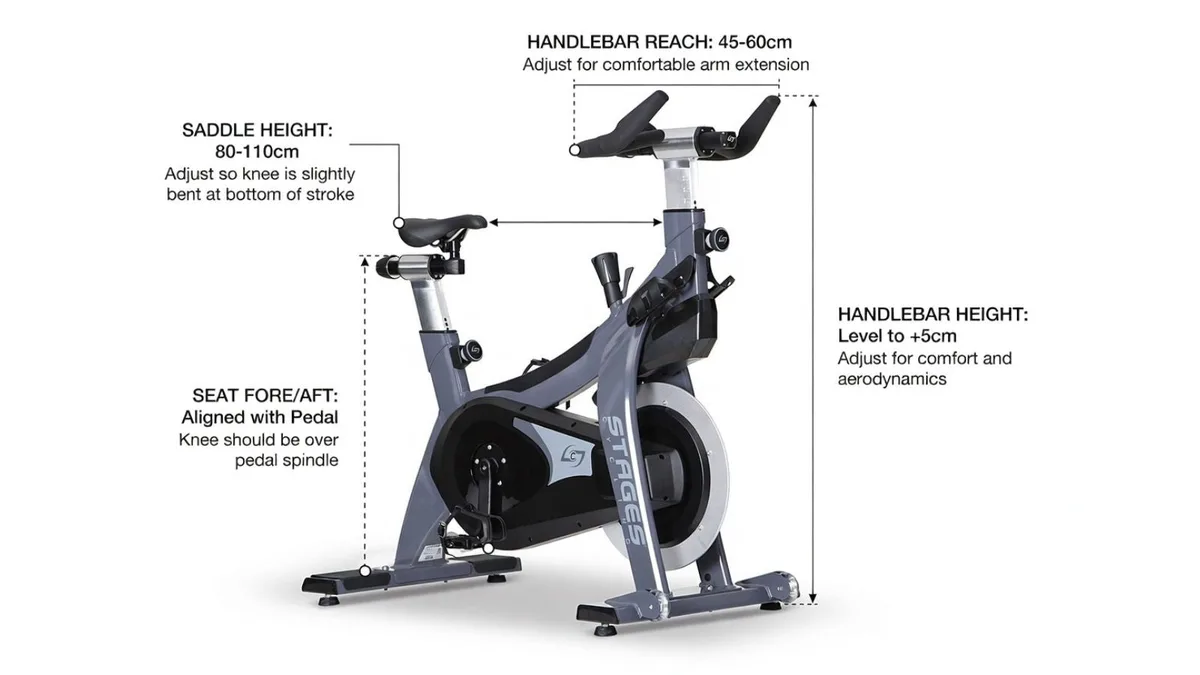
Image source: Bing (Web (fair-use with source credit))
Spin Bikes Are Worth It If… And Not Worth It If…
So, yes, a spin bike is worth it if you already ride consistently. The value only appears when the bike actually gets used. A $40 class three times a week costs about $6,240 a year after a delivery fee?
Wait, no, we mean about $6,240. Time out. Let's recalculate.
Actually, $40 times three per week times 52 weeks equals $6,240. That's a big number.
Buy one if you already attend spin classes at least twice a week and want to skip the commute. Buy one if you love the structure of on-demand classes and need a reliable workout at home. Buy one if you have a dedicated spot for it and a household that will also use it.
If any of those apply, a home bike can break even within a year.
Skip it if you're starting from zero and just like the idea of cycling. Skip it if you've never stuck with a home workout routine before. Skip it if you'd rather do strength training or prefer running outside.
The cheapest spin bike is still expensive if it's never ridden. If you're torn between a bike and a rower, our breakdown of whether a rower earns its keep is worth a read before you commit.
The Real Cost Breakdown: Bike Price + Subscription Fees vs. Studio Classes
The biggest mistake people make is comparing a $500 bike to a $25 class. That comparison ignores the subscription fees, the accessories, and the fact that the bike sits in your home for years.
Let's look at a typical mid-range setup as of 2026. A decent spin bike costs around $500, and a popular subscription runs $44 a month. Clip-in shoes add $120, a mat adds $40, and you'll probably grab dumbbells later for arm sections.
Studio classes, by contrast, charge per visit, no gear required.
Here's the side-by-side math for someone riding three times a week:
| Cost comparison | Home spin bike setup | Studio spin classes |
|---|---|---|
| First year total | About $1,388 | About $3,900+ |
| Second year total | About $528 | About $3,900+ |
| Three-year total | About $2,444 | About $11,700+ |
| Biggest hidden cost | Subscription renewals | Class pack price creep |
The math changes if you use a free app or a bike with no subscription. Budget-friendly ellipticals are another option if you want cardio without monthly fees. But either way, the studio habit is the real expense, not the bike.

Image source: Bing (Web (fair-use with source credit))
What You Actually Need in a Spin Bike (And What's Just Hype)
A spin bike doesn't need to look like a spaceship to give you a great workout. The core features that matter are the flywheel, the resistance system, the adjustability, and the fit.
Flywheel weight matters more than most people think. Heavier flywheels, usually 30 to 50 pounds, spin more smoothly and feel closer to riding a real bike. Lighter flywheels under 20 pounds can feel jerky and make it harder to keep a steady cadence.
Our research on buyer feedback shows most riders prefer at least a 30-pound flywheel.
Resistance falls into two types: magnetic and felt pad. Magnetic resistance is quieter, smoother, and needs almost zero maintenance. Felt pad resistance costs less but wears out and needs replacement over time.
If you live in an apartment or share walls, magnetic is the safer choice.
Adjustability is the part people ignore until it hurts. Look for a seat that moves up and down and forward and back, plus handlebars that adjust too. A bike that doesn't fit your height can cause knee and back strain within a week.
Smaller space needs matter too, because these machines take up more room than the photos suggest.
Ignore the hype around giant touchscreens and live leaderboards. They're fun, but they're also what drives the price toward $2,000. You can mount your own tablet and still get the same workout from a basic bike with a good frame.
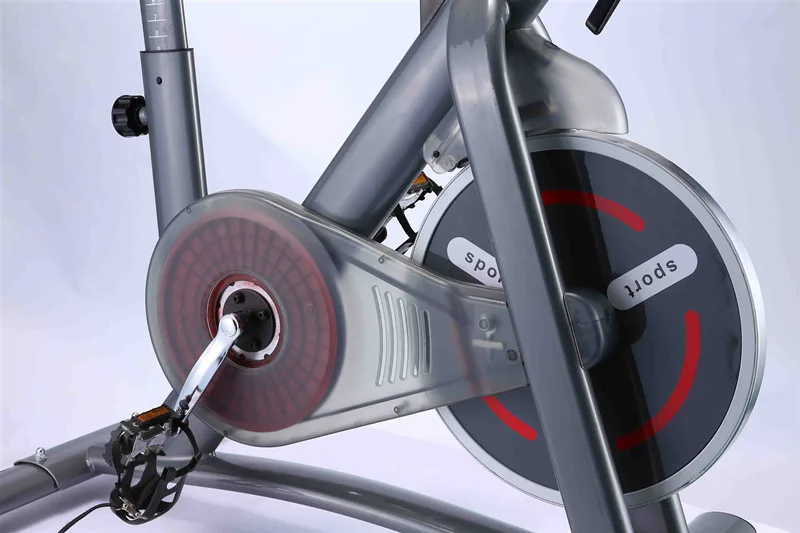
Image source: Bing (Web (fair-use with source credit))
Step-by-Step Decision Guide: How to Know If a Spin Bike Is Right for You
If you're still unsure, work through this quick scoring guide. Grab a scrap of paper and rate yourself from 1 to 5 on each question.
How often do you work out at home right now?
Give yourself 5 points if you already do at-home workouts at least three times a week. Give yourself 1 point if you've never finished a home workout program. Be honest here.
A bike won't magically build the habit.
How much space can you dedicate to the bike?
A spin bike needs a permanent footprint of about 4 feet by 2 feet, plus clearance around it. If you'd have to fold it away or move furniture every time, score yourself low. If you have a corner that's ready today, score high.
What's your monthly fitness budget?
If you're already spending $100 or more on classes or gym fees, a bike makes financial sense. Score 5. If you're tight on cash and the premium bike plus subscription would stress you out, score low and consider a cheaper model.
Do you actually enjoy indoor cycling?
This is the easiest question. If you love riding in classes or on a stationary bike at the gym, score 5. If you'd rather run, lift, swim, or row, score low.
Don't buy a bike just because it looks good in photos.
Now add up your score. If you scored 16 or higher, a spin bike is likely a solid investment. If you scored between 10 and 15, it's a toss-up, so focus on a budget-friendly model.
If you scored below 10, skip it and look at beginner-friendly cardio machines that might better match your actual routine.
Common Mistakes to Avoid When Buying a Spin Bike
First-time buyers make the same handful of errors over and over. Knowing them beforehand can save you money and frustration.
Buying the cheapest bike on a marketplace. Bargain bikes under $200 often have wobbly frames, weak resistance, and poor build quality. Multiple reviews report noisy rides and premature wear within six months. It's better to buy a solid used bike from a known brand than a new no-name one.
Ignoring the bike's max rider weight. Most spin bikes list a weight capacity around 250 to 350 pounds. Check it before buying. Exceeding that limit can stress the frame and cause breakdowns, or worse, lead to injury.
Skipping clip-in pedals and shoes. Standard toe cages feel flimsy once you're pushing real watts. Clip-in pedals let you pull as well as push, which is a huge part of effective spinning. Factor another $120 to $150 into your budget.
Assuming subscriptions are optional. Some smart bikes don't show accurate metrics unless you pay for a monthly plan. Read the fine print. If you refuse to pay a subscription, buy a bike with built-in metrics or a simple console.
Forgetting maintenance. Spin bikes need regular cleaning and occasional chain or resistance pad care. It's basic upkeep, not a major project. Staying on top of it keeps the bike quiet and prevents expensive repairs.
If you own other fitness gear, the same mindset applies to keeping your equipment running smoothly.