Is Traeger Ironwood XL Worth It: Honest Buying Guide
Yes, the Traeger Ironwood XL is worth it for serious backyard cooks who need space and control.
Is Traeger Ironwood XL worth it? The answer depends on how often you cook, how much food you make, and whether smart controls matter to you. This large pellet grill offers strong temperature control, plenty of cooking space, and useful features that make long cooks easier.
After reviewing its design, cooking capacity, pellet use, maintenance needs, and real-world limits, I find the Traeger Ironwood XL best for families, frequent hosts, and barbecue fans. It is less appealing for casual cooks who only grill a few burgers on summer weekends.

Is Traeger Ironwood XL Worth It for Most Home Cooks?
The Traeger Ironwood XL is worth it when you want one cooker for smoking, roasting, baking, grilling, and large meals. Its biggest advantage is space. You can cook several pork shoulders, racks of ribs, whole chickens, or dozens of burgers without crowding the grates.
The grill also uses wood pellets as fuel. An auger moves pellets into a fire pot, where they burn and create heat and smoke. An electric controller manages the process, so you do not need to adjust vents like you would with a classic charcoal smoker.
The Ironwood XL is not a cheap grill. Its value comes from convenience, capacity, and repeatable results rather than from the lowest price. If you cook once a month, a smaller pellet grill may offer better value.
Who should consider it?
The Traeger Ironwood XL makes sense for:
• Families that cook large meals
• People who host backyard gatherings
• Barbecue fans who enjoy brisket and pulled pork
• Cooks who want app-based temperature control
• Anyone who prefers easy, steady cooking over fire management
• Users who want room to cook different foods at once
Who may want something else?
It may not suit:
• Small patios with limited space
• People who want strong direct-flame searing
• Buyers with a tight budget
• Cooks who dislike pellet storage and electrical parts
• Anyone who wants a simple grill with almost no maintenance
Is Traeger Ironwood XL worth it for a small household? Usually, not unless you value extra space or plan to cook in batches. The grill can handle small meals, but a smaller model may heat faster and cost less.

Traeger Ironwood XL Cooking Area and Capacity
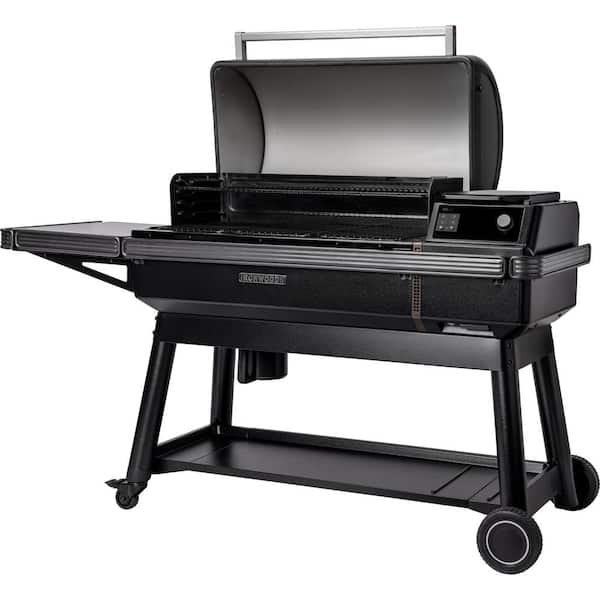
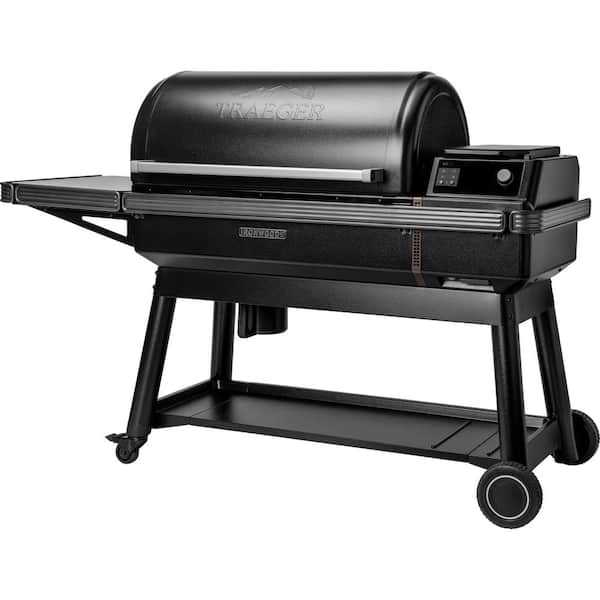
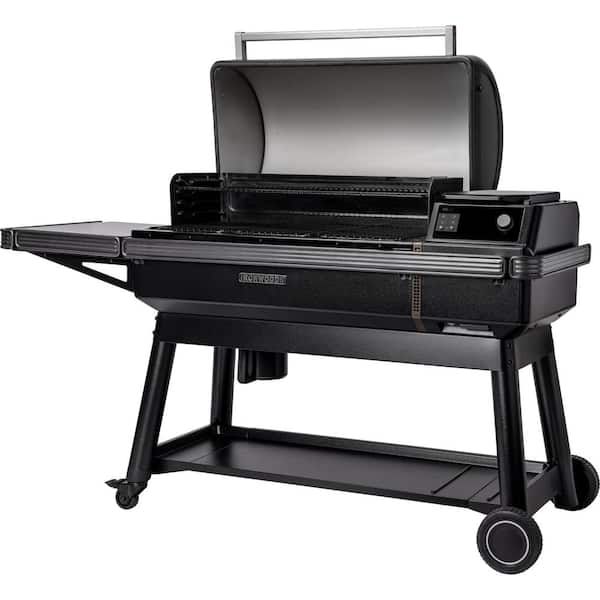
The Traeger Ironwood XL provides about 924 square inches of total cooking space. That is enough room for large barbecue cooks and party-size meals. The exact usable space can vary by rack position and the type of food you place inside.
Capacity is one of the clearest reasons to consider the Ironwood XL. A smaller grill may force you to cook ribs one after another. The XL gives you room to cook ribs, chicken, vegetables, and sides during the same session.
You can use the space in several ways:
• Smoke multiple pork shoulders for a party
• Cook a full packer brisket with room around it
• Roast several whole chickens
• Prepare burgers and hot dogs for a group
• Cook meat on one rack and vegetables on another
• Batch-cook food for weekly meal prep
The large chamber also helps during holidays. Turkey, ham, potatoes, and vegetables can share the grill. Still, more space does not always mean faster cooking. A full grill may take longer to recover heat after you open the lid.
Size matters more than many buyers expect
The Ironwood XL is a large outdoor appliance. Measure your patio before ordering. Check the width, depth, lid clearance, and space needed to open the hopper and remove the grease tray.
You should also think about stairs and doorways. A grill can arrive in heavy packaging, and moving it may require two adults or a cart. This is an easy detail to miss when shopping online.
Is Traeger Ironwood XL worth it for a large family? Yes, the cooking area can save time and reduce the need for multiple cooking rounds. For one or two people, the extra room is more of a luxury than a need.
:max_bytes(150000):strip_icc()/sea-traeger-ironwood-xl-pellet-grill-nsimpson-1135-ddf7dbcb6d224a1e9deb1ceedf868406.jpeg)
Cooking Performance and Temperature Control
The Ironwood XL uses an electronic controller to manage heat. You choose a temperature, and the grill feeds pellets to the fire as needed. This makes it much easier to hold a steady cooking temperature than with many charcoal grills.
Traeger pellet grills are designed for low-and-slow cooking. They work well for brisket, ribs, pork shoulder, chicken, salmon, and roasted vegetables. They can also bake foods such as pizza, bread, and desserts.
The Ironwood XL reaches temperatures up to about 500°F, depending on conditions and the cooking surface. That range supports many cooking styles, but it does not behave like a dedicated gas grill or steakhouse broiler.
What it does well
The Ironwood XL is strong at:
• Long smoking sessions
• Slow roasting
• Holding a selected cooking temperature
• Cooking several foods at once
• Baking and roasting with wood-fired flavor
• Remote temperature checks through the app
Wind, cold weather, rain, and frequent lid opening can affect performance. Pellet grills also need clean airflow. Ash buildup, damp pellets, or a dirty fire pot can cause poor heating.
What it does not do perfectly
The main weakness is high-heat searing. Pellet grills use indirect heat, so the cooking surface may not create the same dark crust as a hot cast-iron pan or powerful gas burner.
You can still sear steaks on the Ironwood XL. Preheat the grill fully, use a cast-iron griddle or grill surface, and avoid placing too much cold food inside at once. For the best crust, many cooks finish steaks in a hot skillet.
Is Traeger Ironwood XL worth it for steak lovers? It can work, but it should not be your only reason to buy the grill. Its real strength is controlled smoking and roasting.
Smoke Flavor: Is It Strong Enough?
The Ironwood XL creates a mild wood-fired flavor that suits many foods. You can choose different pellet flavors, such as hickory, oak, mesquite, apple, or cherry. Each blend changes the aroma more than the basic cooking method.
Smoke flavor depends on temperature, food size, cooking time, pellet type, and airflow. Lower temperatures often create more visible smoke. However, visible smoke is not the only measure of good barbecue. Thick white smoke can taste harsh, while clean, light smoke gives a better result.
The grill includes a Super Smoke setting designed to increase smoke production within a certain temperature range. This feature can help with ribs, pork, salmon, and other foods that benefit from extra smoke.
How to get better smoke flavor
Use these simple habits:
• Start with dry, fresh pellets
• Choose a pellet flavor that matches the food
• Avoid opening the lid often
• Give large cuts enough time to absorb smoke
• Use a reliable internal meat thermometer
• Keep the grill clean so airflow stays steady
Wood pellets do not all produce the same result. Cheap or old pellets may burn poorly and create less flavor. Store pellets in a dry, sealed container.
Is Traeger Ironwood XL worth it for smoke flavor? Yes, if you prefer clean, moderate smoke. If you want a very strong smoke profile, a traditional offset smoker may suit you better, but it requires much more work.
:max_bytes(150000):strip_icc()/sea-traeger-ironwood-xl-pellet-grill-nsimpson-1134-0c6c51fc3d9442a9a75f2977931084ba.jpeg)
Smart Features and WiFIRE App
One of the Ironwood XL’s biggest selling points is its WiFIRE technology. The app lets you monitor the grill from your phone and, depending on the feature set and software version, adjust settings, view recipes, and receive alerts.
Remote access is useful during long cooks. You can check the grill while preparing side dishes, watching a game, or resting indoors. The app can also help you track meat probe temperatures.
Smart features do not remove the need for basic cooking skills. You still need to check pellet levels, inspect the grill, and confirm food temperatures. A phone alert cannot fix an empty hopper or a blocked fire pot.
Benefits of the app
• Monitor grill temperature from a phone
• Track internal meat temperature
• Receive alerts during a cook
• Follow guided recipes
• Adjust heat without standing beside the grill
• Check progress during overnight cooking
Wi-Fi performance depends on your home network and the grill’s location. Thick walls, weak signals, and outdoor distance can cause connection problems.
Is Traeger Ironwood XL worth it for WiFIRE? It is valuable for busy cooks and overnight smoking. If you never want to use an app, you may pay for a feature you rarely need.
Pellet Use and Operating Cost
Pellets are convenient, but they add an ongoing cost. The grill burns pellets at different rates based on the cooking temperature, weather, food load, and how often you open the lid.
Low-temperature smoking generally uses fewer pellets than high-temperature cooking. Cold or windy weather may increase fuel use because the grill works harder to maintain heat. A full hopper can support a long cook, but exact cooking time varies.
Your total cost includes more than the grill:
• Wood pellets
• Drip tray liners, if you use them
• Replacement temperature probes
• Cleaning tools
• Grill covers
• Optional racks, griddles, or other accessories
• Electricity for the controller and fan
Pellets should remain dry. Moist pellets can swell, crumble, and clog the auger. Buy only the amount you can store safely.
Compared with charcoal, pellets offer better automation and cleaner handling. Compared with gas, they may cost more per cooking session and take longer to start. The right choice depends on whether convenience or low fuel cost matters most.
Is Traeger Ironwood XL worth it when you include pellet costs? For frequent users, the convenience can justify the expense. For rare users, fuel and accessory costs may make a smaller grill a smarter purchase.
:max_bytes(150000):strip_icc()/sea-traeger-ironwood-xl-pellet-grill-nsimpson-1136-1b6801f792ab4fd4a6737905f7532197.jpeg)
Cleaning, Maintenance, and Durability
A pellet grill needs more care than many gas grills. Grease, ash, and food debris collect inside the cooking chamber. If you ignore them, the grill may produce poor heat, excess smoke, or grease flare-ups.
Clean the grill after several cooks, especially after fatty foods. Remove the grates and inspect the drip area. Empty ash from the fire pot when needed, and keep the grease management system clear.
A practical maintenance routine includes:
• Scrape heavy buildup from the grates
• Vacuum loose ash from the fire pot
• Clean the inside of the cooking chamber
• Check the grease channel and bucket
• Inspect the gasket and lid seal
• Keep the pellet hopper dry
• Check the temperature probe for residue
• Cover the grill when it is not in use
Do not vacuum hot ash. Wait until the grill is fully cool. Use a vacuum designed for ash or fine debris, and follow the manufacturer’s safety instructions.
The Ironwood XL has a sturdy design, but no outdoor grill lasts forever without protection. Rain, snow, salt air, and direct sun can shorten the life of metal and electronics. A fitted cover and sheltered location can help.
Is Traeger Ironwood XL worth it if you dislike cleaning? Think carefully. The grill is easier to operate than an offset smoker, but it still needs regular care.

Common Problems and Limitations
The Ironwood XL is not perfect. Understanding its limits can help you decide if it fits your cooking style.
It needs electricity
The controller, auger, fan, and igniter need power. A power outage can stop a cook. For long barbecue sessions, use a safe outdoor-rated extension cord and avoid unstable power sources.
It can struggle with wet pellets
Pellets absorb moisture quickly. They may break apart and clog the feed system. Keep them in a sealed container, not in an open bag beside the grill.
Temperature readings may differ
The built-in display measures temperature at a specific point. The grate temperature can vary from one area to another. An independent probe placed near the food can provide a more useful reading.
It is not a true open-flame grill
The Ironwood XL can cook at high heat, but it does not provide the same direct flame control as charcoal. If you mainly cook thin steaks, chops, and burgers, another grill may be better.
It takes time to start and cool down
A pellet grill needs time to ignite, preheat, and complete its shutdown cycle. It is not as instant as turning on a gas burner.
Is Traeger Ironwood XL worth it despite these limits? For smoking and large meals, yes. For fast weeknight grilling, the answer is less clear.
:max_bytes(150000):strip_icc()/sea-traeger-ironwood-xl-pellet-grill-nsimpson-1138-f06acce5d69d49d9a96c0981afbf4452.jpeg)
Traeger Ironwood XL vs. Other Grill Types
Comparing grill types makes the buying decision easier.
Ironwood XL vs. a gas grill
Gas grills start quickly and provide strong heat. They are excellent for burgers, steaks, and simple weeknight meals. The Ironwood XL offers more smoke flavor and better long-cook automation, but it takes longer to heat.
Ironwood XL vs. a charcoal grill
Charcoal creates a bold flavor and strong searing heat. It also requires more hands-on control. The Ironwood XL is easier for steady cooking, but charcoal may produce a deeper grilled taste.
Ironwood XL vs. an offset smoker
An offset smoker can create a rich smoke profile and a traditional barbecue experience. It demands frequent fire management, fuel adjustments, and attention. The Ironwood XL is far more convenient for new or busy cooks.
Ironwood XL vs. a smaller pellet grill
A smaller pellet grill costs less and uses less fuel. It may also fit better on a small patio. The XL wins when you need extra cooking room or often prepare food for a crowd.
Is Traeger Ironwood XL worth it compared with these options? It offers the best balance for people who want smoke flavor, large capacity, and simple temperature control. It is not the best tool for every cooking method.
How Much Should You Pay?
The Ironwood XL is a premium pellet grill, so price matters. Retail prices can change due to sales, bundles, seasonal promotions, and regional availability. Always compare the current price with included accessories and warranty coverage.
A good value assessment includes:
• The grill’s current selling price
• Included meat probes and racks
• Shipping or delivery fees
• Warranty terms
• Cost of a cover
• Cost of pellets
• Availability of replacement parts
• Price of optional accessories
Avoid judging value only by the sticker price. A cheaper grill may require more manual work or offer less cooking space. A premium grill may cost more but save time over many years.
I recommend setting a total budget before shopping. Include the cover, pellets, storage container, thermometer, and cleaning tools. This prevents the common mistake of spending the entire budget on the grill and having nothing left for basic accessories.
Is Traeger Ironwood XL worth it at full price? It can be, but sales improve the value. If you are not in a hurry, watching for holiday promotions may make the purchase easier to justify.
Practical Tips for Better Results
A few habits can make the Ironwood XL more reliable and your food more consistent.
Before the first cook
Follow the initial burn-in instructions. This removes manufacturing residue and helps you learn the controller. Check that the grill sits on a stable, heat-safe surface.
During the cook
Use an internal thermometer. Do not rely only on time or the grill display. Meat size and weather can change cooking time by several hours.
For large cuts, cook to tenderness rather than a fixed clock time. Brisket and pork shoulder are ready when they feel soft when probed, not simply when they reach one exact number.
For food safety, poultry should reach 165°F. Ground meats should reach a safe internal temperature, and leftovers should be cooled and stored promptly. A food thermometer is one of the most useful tools in your barbecue kit.
After the cook
Let the grill complete its shutdown cycle. Do not unplug it immediately after cooking. Remove grease and ash on a regular schedule, and check the hopper before the next session.
One mistake I often see in pellet-grill cooking is opening the lid too often. Each peek releases heat and smoke. Trust the process, use a probe, and keep the lid closed as much as possible.
When the Ironwood XL Is a Smart Buy
The Traeger Ironwood XL is a smart buy when it solves a real cooking problem. Extra capacity can matter more than extra features if you host often.
Choose it when:
• You cook large cuts several times each month
• You want remote monitoring
• You prefer mild wood-fired flavor
• You need a grill for family events
• You want less fire management
• You have room for a large outdoor cooker
• You accept regular cleaning and pellet costs
It is especially useful for people who want to prepare food ahead of time. You can smoke meat during the day, hold it safely, and serve it when guests arrive.
The grill also suits beginners who feel intimidated by charcoal or offset smokers. It does not make barbecue automatic, but it removes many early frustrations.
Is Traeger Ironwood XL worth it for a beginner? It can be, provided the buyer understands that convenience does not replace practice. Learning pellet quality, meat temperatures, resting time, and cleaning habits still matters.
When You Should Skip the Ironwood XL
A different grill may be better if you mostly cook quick meals. The XL takes space, costs more, and relies on pellets and electricity.
You may want to skip it if:
• You mainly grill burgers and steaks
• You have very little outdoor space
• You dislike app-based appliances
• You want the lowest operating cost
• You need a grill that starts instantly
• You prefer direct flame cooking
• You rarely cook for more than two people
A two-burner gas grill may be more practical for simple dinners. A kettle charcoal grill may offer better value for traditional grilling. A smaller pellet grill may cover your needs without the extra size.
Is Traeger Ironwood XL worth it for occasional use? Usually, it is difficult to justify unless the large capacity, design, or smart features are important to you.
Frequently Asked Questions About Is Traeger Ironwood XL Worth It?
Is the Traeger Ironwood XL good for beginners?
Yes, the Ironwood XL is beginner-friendly because its controller manages pellet feeding and temperature. New users still need to learn food safety, pellet storage, cleaning, and proper use of a meat thermometer.
Can the Traeger Ironwood XL sear steaks?
It can sear steaks, but it does not match the direct heat of a charcoal grill or dedicated gas sear burner. For a better crust, use a cast-iron surface or finish the steak in a hot skillet.
How much food can the Traeger Ironwood XL cook?
The Ironwood XL offers about 924 square inches of cooking space. It can handle large cuts and group meals, but the exact capacity depends on food shape, rack placement, and the space needed for heat circulation.
Does the Traeger Ironwood XL use a lot of pellets?
Pellet use changes with temperature, weather, food load, and lid openings. Low smoking temperatures usually use fewer pellets than high-heat cooking, while cold and windy conditions can increase consumption.
Can you leave the Traeger Ironwood XL outside?
Yes, it is made for outdoor use, but it should be protected from rain and harsh weather. Use a suitable cover, keep pellets dry, and place the grill on a stable surface with safe clearance.
Does the Ironwood XL need Wi-Fi?
No, the grill can cook without Wi-Fi. WiFIRE adds remote monitoring and control, but basic cooking still works through the grill’s controller.
Is the Traeger Ironwood XL easy to clean?
It is easier to manage than many offset smokers, but it still needs routine cleaning. Remove grease and ash regularly, and never vacuum the grill while it is hot.
Conclusion
Is Traeger Ironwood XL worth it? For frequent cooks, large families, and backyard hosts, it can be an excellent investment. Its large cooking area, steady temperature control, wood-fired flavor, and smart monitoring make long cooks less stressful.
The main trade-offs are its premium price, pellet costs, electrical design, large footprint, and limited direct-flame searing. Choose it for smoking, roasting, baking, and group meals rather than quick steakhouse-style grilling.
Before buying, measure your space, calculate the full ownership cost, and compare the current price with competing pellet grills. If the features match your cooking habits, explore current deals and share your Ironwood XL experience in the comments.