How Long Does a Treadmill Last
You’re probably here because your treadmill is making a weird noise, or you’re shopping for a used one and wondering if it’s a good deal. So let’s answer the question directly. How long does a treadmill last?
It depends on four things: build quality, how many miles it sees, the weight it carries, and how well you maintain it. There is no fixed expiration date.
Treadmill lifespan is measured in motor hours and component wear, not calendar years. Manufacturer specifications and aggregate owner reports show a wide range. Entry-level home machines may last three to five years.
A well-maintained commercial unit can run for over 15 years. The ASTM F2116 safety standard covers testing, not durability. So we rely on service records and real-world usage data to set expectations.
Quick Answer
A home treadmill lasts 3 to 10 years on average. Entry-level models last 3 to 5 years. Mid-range models last 5 to 8 years.
Premium home models last 10 to 15 years. Commercial treadmills last 15 to 25 years. Proper maintenance and lighter use extend every lifespan.
There’s No Single Number — It Depends on These Four Things
The biggest mistake people make is treating mileage and age as the same thing. A treadmill that sits in a guest room for eight years isn’t “worn out.” A treadmill used for two hours a day in a busy household can be totally done in two years.
Here are the four variables that decide lifespan:
- Usage volume. Total miles or run-hours is the truest measure. A treadmill logging 500 miles a year will outlast one logging 2,000 miles.
- Build tier. A 3.0 CHP motor with a 3-inch roller will outlast a 1.5 CHP motor with 1.5-inch rollers. You get what you pay for.
- User weight. Heavier users put more stress on the belt, deck, and motor. The frame and cushioning absorb more impact with every step.
- Maintenance. Regular lubrication, belt tension, and cleaning are the single biggest factor you can control.
What Actually Wears Out First (And What You Can Slow Down)
A treadmill doesn’t die all at once. It wears out in a predictable order, and knowing that order helps you plan fixes before they become emergencies.
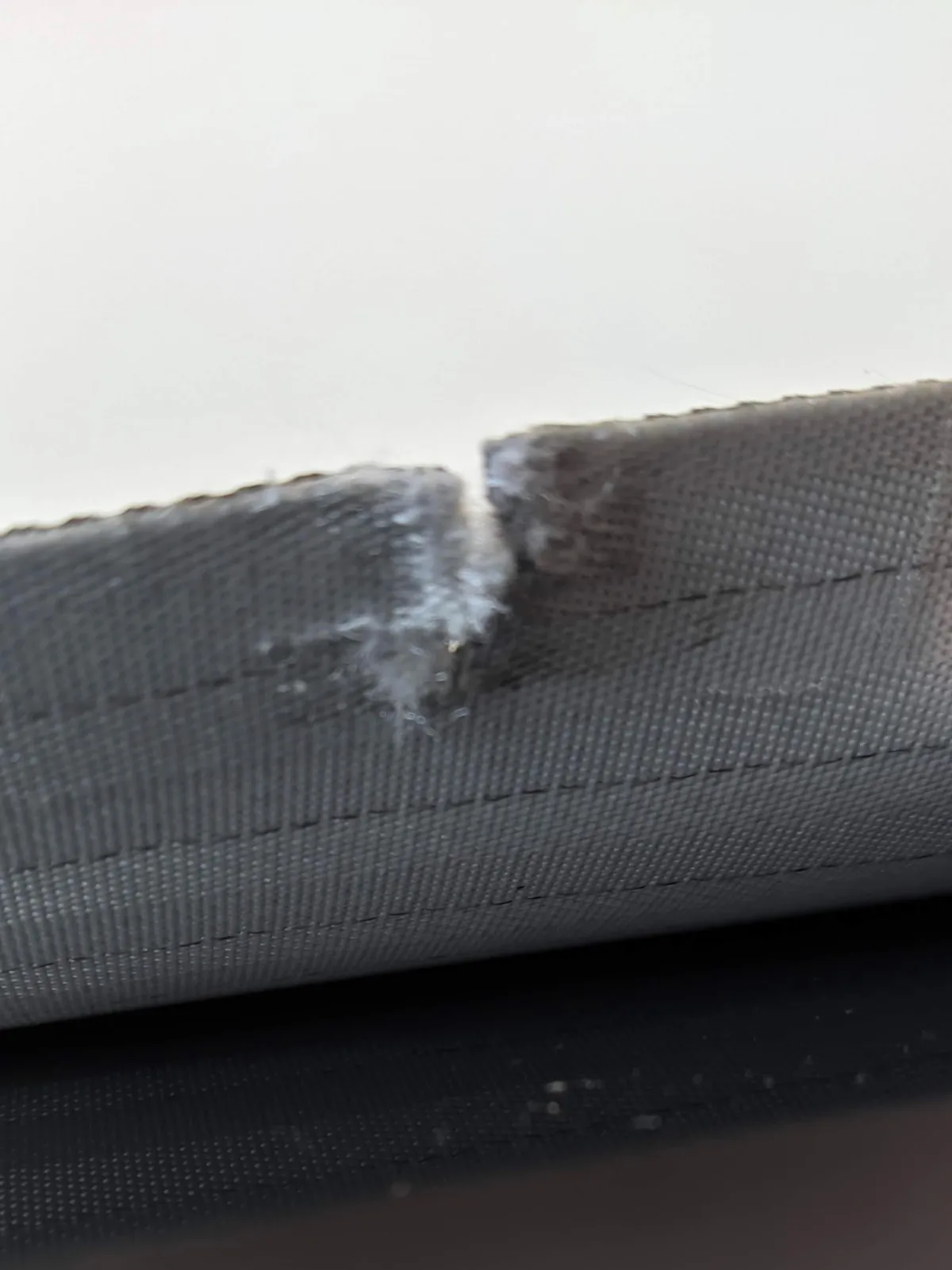
Image source: Bing (Web (fair-use with source credit))
The belt and deck wear as a team. The walking belt is a loop made of polyester or nylon. The deck is the coated board underneath. Every step creates friction between belt and deck.
Heat builds up. That heat breaks down the surfaces over time. The deck develops grooves.
The belt frays or stretches.
The drive motor wears second. Look for continuous horsepower (CHP) when comparing. Running requires at least 2.5 CHP. Walking works fine at 1.5 CHP.
An undersized motor will overheat and fail early.
Roller bearings and the console follow. Rollers spin constantly, and worn bearings make a rumbling sound. Sweat corrodes electronics over time. A failing console is often a symptom of humidity damage or power surges, not normal wear.
The frame is the last part to fail. It can last decades if the treadmill is properly assembled and sits on a level surface.
How Long Each Treadmill Tier Lasts — Hours, Miles, and Years
The best way to predict lifespan is by category. Aggregate repair data and owner surveys line up closely on these numbers.
| Treadmill Tier | Expected Lifespan | Typical Miles | Best For |
|---|---|---|---|
| Entry-Level Home | 3–5 years | 1,000–3,000 | Walking, light jogging |
| Mid-Range Home | 5–8 years | 3,000–5,000 | Regular jogging, multiple users |
| Premium Home | 10–15 years | 5,000–10,000 | Daily running, serious training |
| Commercial Gym-Grade | 15–25+ years | 20,000+ | All-day heavy use |
Walking pads and under-desk treadmills are the exception. Their small motors and lightweight frames usually last just 2 to 4 years. They aren’t built for running.
The 5-Minute Check That Tells You If Yours Is Almost Done
You don’t need a technician to figure out the general condition of your treadmill. Run through these five tests yourself.
Image source: Bing (Web (fair-use with source credit))
Belt test. Walk on it. Does it slip briefly when you start a stride? Fraying on the edges is also a sign the belt is finished.
Deck test. Unplug the machine. Lift the belt and run your hand along the deck. Deep grooves or a rough, sticky texture mean the deck needs replacement.
A worn deck will destroy a new belt quickly.
Motor test. Listen while the treadmill runs. A quiet hum is fine. Grinding, clicking, or a burning smell means motor damage.
Frame test. Run at your normal pace. Does the console wobble seriously? Does the base thump or feel unstable?
A solid frame should stay rock steady.
Electronics test. Watch for flickering, random error codes, or abrupt stops. Persistent electrical issues are often a sign of a failing control board.
If you fail two or more tests, replacement is usually smarter than repair.
The 50–70% Rule: Repair vs. Replace
There’s a simple financial guideline. Compare the repair quote to the cost of a new, comparable treadmill.
- Repair cost under 50% of replacement value. Fix it.
- Repair cost between 50% and 70%. Consider the treadmill’s age and health. A newer mid-range model may be worth saving. An older entry-level model isn’t.
- Repair cost over 70%. Replace it. Put that money into new equipment with a fresh warranty.
Typical repair costs to benchmark as of 2026:
- Belt replacement: $150, $400
- Deck replacement: $200, $500
- Motor brushes: $100, $250
- Control board: $300, $800
Safety matters more than cost. A cracked frame, a motor that emits a burning smell, or faulty wiring can cause injury or fire. Per the CPSC recall database, electrical and mechanical failures are leading causes of treadmill-related incidents.
When safety parts fail, replacement is the only responsible call.
Mistakes That Quietly Shorten a Treadmill’s Life
Most treadmills die from neglect, not age. These six mistakes are the most common causes of premature failure.
- Skipping belt lubrication. Friction is silent until it’s loud. A simple silicone lube schedule can double belt and deck life.
- Over-lubricating. Extra lube catches dust and turns into an abrasive paste. Use exactly what the manual says.
- Replacing the belt without inspecting the deck. A new belt on a scored deck fails in months. Always check the deck first.
- Ignoring power issues. A treadmill needs its own 15-amp circuit. Power surges and shared circuits damage electronics fast.
- Running on carpet without a mat. Carpet fibers get pulled into the motor. Vibration damages circuit boards. A $30 mat prevents both.
- Storing in a hot garage. Heat dries out lubrication, and humidity corrodes metal parts. Indoor storage is always better.
Avoid these mistakes and your treadmill will land at the top of the lifespan range. For a comparable low-impact cardio option that avoids belt wear altogether, our elliptical vs. rowing machine comparison explains the trade-offs. And for upkeep principles that apply across cardio machines, this elliptical maintenance guide covers the basics.
FAQs: Used Treadmills, Warranty Math, and “Is It Worth Fixing?”

Image source: Web (Bing) / kr.pinterest.com (Web image (fair-use with source credit))
Does a treadmill expire even if it barely gets used?
Not like food or batteries, but it still degrades. Lubricant hardens. Rubber dries out.
Roller bearings can corrode in damp spaces. A treadmill stored clean and dry will still work for many years. But before heavy use, expect to service the belt and check the deck.
What do warranty terms actually cover?
Frame and motor warranties are the valuable ones. They run 10 years to lifetime on mid-range and premium models. Parts coverage is shorter, usually 2 to 5 years.
Labor is often only 1 year. Read the exclusions carefully. A lifetime frame warranty doesn’t cover the belt, deck, console, or service fees.
How many hours per year is “heavy use” for a home machine?
Over 300 hours per year counts as heavy use. Average owners log 100 to 150 hours. Serious runners can hit 500 hours or more.
At that pace, the belt and deck need service every two years instead of five. Compare your volume against recommended weekly cardio sessions to gauge your own wear rate.
Is a 10-year-old high-end treadmill better than a new budget one?
Usually yes, but condition matters more than age. A healthy 10-year-old premium model with a 3.0 CHP motor will outperform a new entry-level unit. Electronics are the risk.
If parts are discontinued, the premium model becomes a paperweight. That’s a real problem, so compare repair costs and part availability carefully.
Can I just flip the deck and double the lifespan?
Sometimes. Many decks are reversible, designed to be flipped when one side wears out. Check both sides first.
If the top is grooved but the underside is smooth, flipping works. If the deck is cracked or deeply gouged, replacement is the only option. Also make sure the motor, rollers, and electronics are still healthy before investing in new parts.
How do I know if a used treadmill is worth buying?
Ask for the motor hours and maintenance records. Run it for at least five minutes. Walk and run at your normal pace.
Watch how the belt tracks, listen to the motor, and feel the frame. Expect to spend $150 to $400 on a new belt and $200 to $500 on a deck if the owner skipped maintenance. A used premium machine with documented care is a decent deal.
A worn budget model is usually not worth the risk.
Run the five-minute check on any machine before you commit. Compare the repair costs against the replacement value. Then decide whether the treadmill earns its space in your home.
A machine you’ll use daily is worth fixing at 60% of replacement cost. A machine that gathers dust is not worth fixing at 30%. That simple logic works for every repair estimate and every used-treadmill negotiation you’ll ever face.
Keep the belt lubed, the deck dry, and the motor cool, and your treadmill will reward you with years of smooth runs.