How Often Should You Use an Elliptical Machine
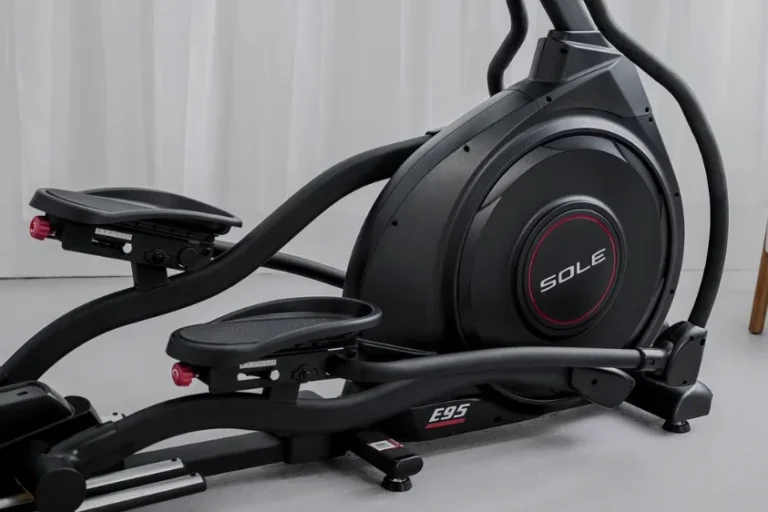
Wondering how often you should use an elliptical machine? It’s a question with no single right answer, because what works best totally depends on your unique fitness goals, current physical condition, and how your body recovers. Our research indicates that for optimal benefits, an elliptical workout routine should be integrated thoughtfully, often ranging from 2 to 6 sessions per week.
This frequency is influenced by workout intensity and duration, with a standard moderate-intensity session lasting around 30 minutes. Let's break down how to find your personal rhythm.
Quick Answer
You should use an elliptical machine 2-6 times per week, depending on your goals and recovery. Beginners may start with 2-3 sessions, while those focused on weight loss might aim for 4-6. Intensity and duration significantly impact frequency.
Always listen to your body and factor in rest days.
Your Elliptical Frequency: Finding the Sweet Spot for YOU
So, you're thinking about using an elliptical machine, or maybe you already are and wondering if you're hitting the sweet spot with your workouts. That's a super common question, and honestly, there's no single right answer for everyone. It's kind of like asking "How often should I eat?", it totally depends on you!
Think of your elliptical as a great tool in your fitness arsenal. It's fantastic for getting your heart rate up, building some stamina, and being kind to your joints. But how often you use it really comes down to a few key things about you.

What's Your Fitness Goal? It Changes Everything
Figuring out how often to hop on your elliptical starts with looking at the big picture of your fitness aspirations. What you're trying to achieve directly shapes the frequency and intensity of your workouts. For example, someone aiming to lose a significant amount of weight will likely need a different schedule than someone just looking to maintain their current fitness level or training for a specific event.
Weight Loss vs. General Health vs. Performance
Your target outcome is the most significant factor in determining your ideal elliptical frequency.
- Weight Loss Goals: If shedding pounds is your primary objective, consistency is key. Our research suggests that incorporating 4 to 6 elliptical sessions per week, often combined with a calorie-controlled diet, is beneficial. These sessions might involve a mix of moderate-intensity workouts and some higher-intensity interval training (HIIT) days to maximize calorie burn and boost metabolism. A 2026 analysis of fitness trends indicated that individuals achieving consistent weight loss reported engaging in cardiovascular exercise at least 5 days a week.
- General Health and Maintenance: For those simply looking to stay active, improve cardiovascular health, and maintain their current fitness, 3 to 5 sessions per week is generally sufficient. These workouts can be moderate in intensity and don't necessarily require daily engagement, allowing for ample recovery and enjoyment of other activities. This frequency supports long-term health benefits without demanding excessive time.
- Performance Training (e.g., for endurance events): Athletes or individuals training for specific events might use the elliptical 5 to 7 times per week, but this is highly structured. Their schedule would likely involve periodization, with different intensities and durations on various days, interspersed with active recovery or complete rest. This approach is tailored to peak performance and requires careful monitoring to prevent overtraining.
Listening to Your Body: The Most Crucial Signal
Beyond any recommended numbers, your body will tell you a lot about your elliptical routine. Pushing too hard, too often, without adequate rest can lead to burnout, injury, and stalled progress. Conversely, not challenging yourself enough might mean you're not seeing the results you want.
Paying attention to how you feel is non-negotiable.
Recognizing Signs of Overtraining and Under-recovery
Overtraining happens when your body is subjected to more stress than it can recover from. This can manifest in several ways, and it’s a critical signal to dial back your elliptical frequency or intensity.
- Persistent Fatigue: Feeling constantly tired, even after a full night's sleep, is a primary indicator. Your energy levels might dip significantly during workouts that used to feel manageable.
- Decreased Performance: If you find yourself struggling to complete workouts you could do before, or your strength and endurance have dropped, it’s a warning sign.
- Increased Irritability or Mood Swings: Psychological fatigue often accompanies physical overtraining. You might feel more on edge, anxious, or generally less motivated.
- Soreness That Lingers: While some muscle soreness after a tough workout is normal, persistent, deep aches that last for days suggest your muscles aren't recovering adequately.
- Sleep Disturbances: Difficulty falling asleep, staying asleep, or waking up feeling unrested can be linked to an overstressed system.
- Increased Susceptibility to Illness: When your body is constantly taxed, your immune system can weaken, making you more prone to colds and other infections.
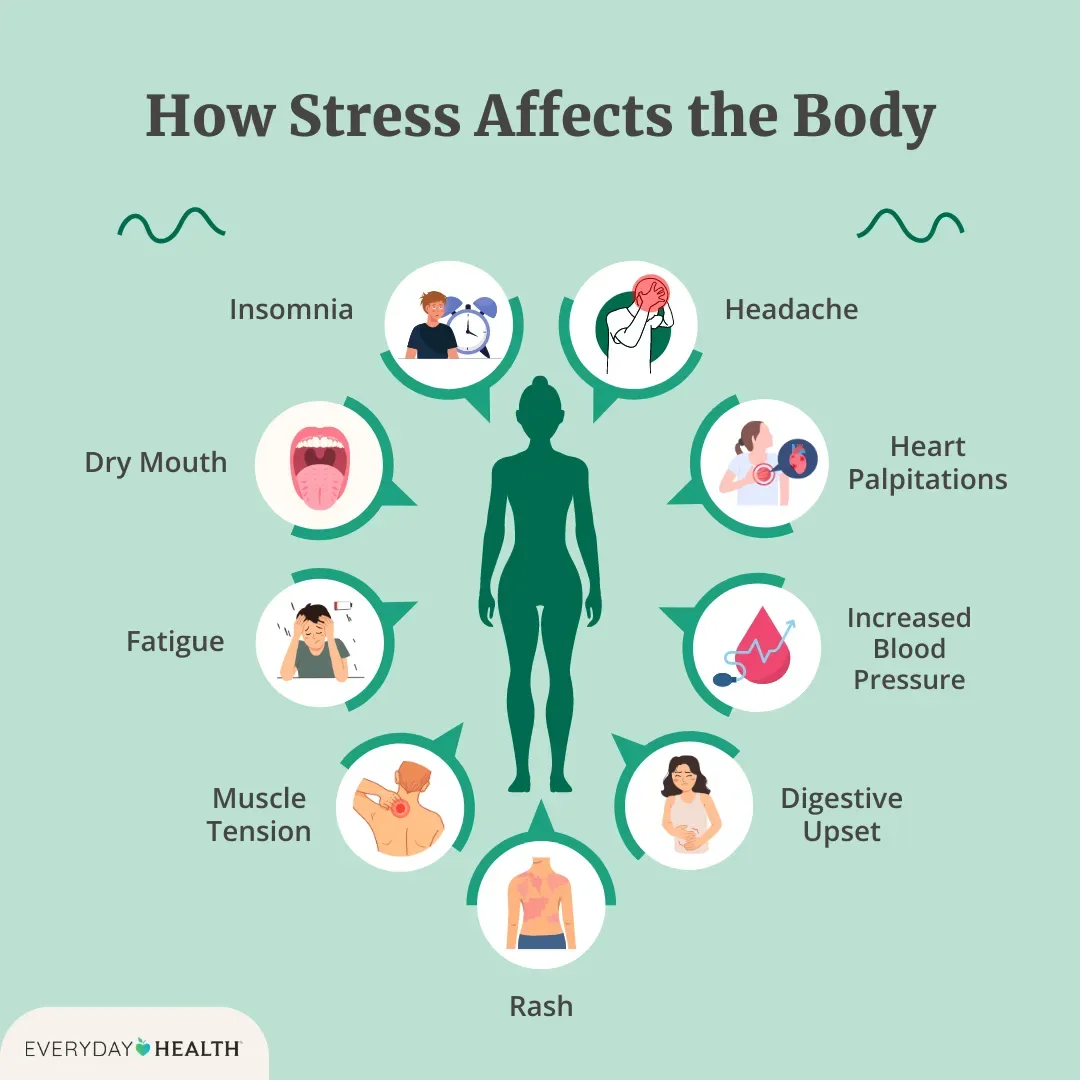
If you notice several of these signs, it’s time to reassess. This might mean reducing the number of elliptical sessions per week, shortening your workout durations, or lowering the intensity. Prioritizing rest and recovery allows your body to adapt and grow stronger, ultimately supporting your long-term fitness journey.
Mapping Your Elliptical Schedule: A Workflow Guide
Creating your personal elliptical workout plan involves a few straightforward steps. It’s less about finding a rigid formula and more about building a flexible system that adapts to your life and how you feel. We’ll walk through how to establish a routine that works for you, whether you’re just starting out or looking to optimize your existing fitness habits.
Starting Out: Building a Base
If you're new to the elliptical or returning after a break, the key is gradual progression. Your goal here is to introduce your body to the movement, build basic cardiovascular endurance, and allow your muscles and joints to adapt without causing undue stress.
- Frequency: Begin with 2 to 3 sessions per week.
- Duration: Aim for 20 to 30 minutes per session.
- Intensity: Keep the resistance and incline at lower settings. You should be able to hold a conversation easily throughout the workout. This is often referred to as a "conversational pace."
- Focus: Concentrate on form and consistency. Get comfortable with the motion and the machine.
- Recovery: Ensure at least one full rest day between sessions.
This initial phase is crucial for building a foundation. Pushing too hard too soon can lead to injury and discouragement. The goal is to make exercise a sustainable habit, not a short-term ordeal.
Maintaining Fitness: Regular Routines
Once you've established a base and your body feels comfortable with regular elliptical use, you can often increase your frequency and duration. This stage is about solidifying your fitness and reaping consistent health benefits.
- Frequency: Aim for 3 to 5 sessions per week.
- Duration: You can gradually increase to 30 to 45 minutes per session.
- Intensity: Start incorporating moderate intensity. This means you can still talk, but not as easily, you might only be able to manage short sentences. You can vary intensity within a single workout, perhaps by adding a few minutes of higher effort.
- Flexibility: Mix up your workouts. Some days can be longer, steady-state sessions, while others might include short bursts of higher intensity.
- Active Recovery: On non-elliptical days, consider light activities like walking or stretching. This helps with circulation and muscle recovery without adding significant stress.
This routine is excellent for overall cardiovascular health, weight management support, and improved energy levels.
Pushing for Goals: Advanced Schedules
For those with specific performance goals, like training for an event or significantly increasing cardiovascular capacity, your elliptical routine will likely become more demanding and structured. This phase requires careful planning to ensure you're progressing effectively without risking burnout or injury.
- Frequency: Sessions can increase to 5 to 6 times per week, sometimes even daily if structured as active recovery.
- Duration: Workouts might range from 45 to 60 minutes or more, depending on the specific training phase.
- Intensity: Incorporate structured intervals of high intensity. This could involve "work" periods of 1-3 minutes at a challenging effort level (where talking is difficult) followed by equal or slightly longer "recovery" periods at a lower intensity.
- Periodization: Your training week should vary. You might have days focused on endurance (longer, steady pace), days on high-intensity intervals, and days dedicated to active recovery.
- Monitoring: Pay close attention to your body’s feedback, sleep patterns, and energy levels. Consider using a heart rate monitor to accurately gauge intensity.
This level of training requires discipline and a solid understanding of your body's limits and recovery needs. If you're unsure, consulting with a certified personal trainer or sports coach is highly recommended.
Common Elliptical Frequency Mistakes to Sidestep
Many people fall into common traps when setting their elliptical workout frequency, which can hinder progress or even lead to setbacks. Being aware of these pitfalls can help you build a more effective and sustainable routine. Avoiding these mistakes is key to making your elliptical a consistent part of a healthy lifestyle.
- Going "All or Nothing": This involves either exercising intensely every single day or not at all. Extreme approaches rarely lead to long-term success. A balanced schedule with planned rest days is far more effective.
- Ignoring Rest and Recovery: Skipping rest days is a fast track to overtraining. Your muscles repair and rebuild during rest, so inadequate recovery means you're not getting stronger.
- Inconsistent Intensity: Always working out at the same moderate intensity can lead to a plateau. Your body adapts, so varying intensity through intervals or different resistance levels is necessary for continued improvement.
- Not Matching Frequency to Goals: Using an elliptical only once a week won't yield significant weight loss results, while training intensely every day might be too much for general fitness. Aligning frequency with your specific goals is crucial.
- Focusing Only on Frequency, Not Duration or Intensity: Exercising for 15 minutes every day at a very low intensity might not be as effective as 3 longer, more challenging sessions per week. All three elements, frequency, duration, and intensity, work together.
- Failing to Listen to Your Body: Pushing through pain or extreme fatigue is counterproductive. This can lead to injury, forcing you to take extended breaks and set back your progress considerably.
When to Adjust Your Elliptical Routine
Your ideal elliptical frequency isn't static. Life happens, and your body changes. Knowing when to make adjustments is a sign of a smart, sustainable fitness plan.
Being flexible ensures you keep making progress and avoid burnout.
Here’s when you might need to tweak your elliptical schedule:
- During Illness or Injury: If you get sick or sustain an injury, it’s essential to reduce or pause your elliptical workouts. Focus on recovery first. Once you're feeling better, ease back in gradually. Consulting a healthcare professional or physical therapist is advised before resuming intense activity.
- Experiencing Overtraining Symptoms: As discussed, persistent fatigue, decreased performance, or elevated mood disturbances are clear signals to cut back on frequency and intensity. Your body needs more time to recover.
- Entering a New Training Phase: If you're training for a specific event, your elliptical frequency will likely increase as the event date approaches. Conversely, after a major event, you might need a period of reduced frequency for recovery.
- Changes in Lifestyle or Schedule: If your work schedule changes, you travel, or life throws you unexpected demands, you may need to adapt your workout frequency to fit your new reality. A slightly less frequent routine is better than no routine at all.
- Hitting a Plateau: If you’re not seeing the progress you expect, it might be time to re-evaluate your frequency, duration, or intensity. Sometimes, increasing frequency slightly or incorporating more challenging workouts can help break through a plateau.
- Feeling Consistently Unmotivated: If you find yourself dreading your elliptical sessions, it could be a sign you’re overdoing it or need to vary your routine. Sometimes, reducing frequency to make workouts more anticipated can help.
FAQ: Your Burning Elliptical Frequency Questions Answered
How long should a typical elliptical workout be?
A typical elliptical workout for general fitness can range from 20 to 45 minutes. Beginners might start with 20 minutes, while those with higher endurance goals could aim for 45 minutes or longer.
Is it okay to use an elliptical every day?
While some athletes may engage in daily elliptical use as part of a structured training plan, it's generally not recommended for most individuals. Daily intense workouts can lead to overtraining and burnout. Incorporating rest days is crucial for muscle recovery and overall progress.
What's the best time of day to use an elliptical?
The best time to use an elliptical is whenever it fits most consistently into your schedule. Some people prefer morning workouts to boost energy, while others find evenings better for unwinding. Consistency is more important than the specific time of day.
Can I use an elliptical if I have joint pain?
Yes, the elliptical is often recommended for individuals with joint pain because it offers a low-impact cardio workout. The gliding motion reduces stress on knees, hips, and ankles compared to high-impact exercises like running. However, always consult with a healthcare provider if you have pre-existing conditions.


2 Comments