How Much Space Do Dumbbells Need
So, you've decided to get serious about your home workouts, and dumbbells are on your radar. Awesome! But then the question pops up: "How much space do dumbbells need?" It's a totally valid question, and one that can trip people up if they're not careful.
Let's break it down, not with confusing charts, but with what you'd figure out if we were standing in your living room trying to make it work.
It's not just about the weight of the dumbbells themselves, it's also about how you're going to store them. This is where things get interesting, because there isn't a single "one-size-fits-all" answer. Manufacturer specifications for common upright dumbbell racks, for instance, often list dimensions around 3 feet wide by 2 feet deep, but you need to account for access.
Quick Answer
Dumbbells need space based on their type and storage method. Adjustable dumbbells with stands might fit in 2 ft x 1.5 ft, while a few fixed pairs need about 3 ft x 3 ft with clearance. A full set demands 5 ft x 5 ft or more.
How Much Space Do Dumbbells Really Need?
This question doesn't have a single number answer because it hinges entirely on your dumbbell collection and how you plan to store it. Are we talking about a single pair of adjustable dumbbells, or are you building a full home gym with every weight from 5 lbs to 100 lbs? The space requirements for each are dramatically different.
We also need to consider not just the static footprint of the storage solution, but also the dynamic space needed to safely lift and replace those weights. A common mistake is only measuring the rack itself, forgetting the elbow room required for actual use.
Why Visualizing Dumbbell Storage is Key
Trying to guess how much space dumbbells will take up is a recipe for clutter. Visualizing, whether through sketching, using painter's tape on your floor, or looking at examples, is the best way to avoid surprises. It helps you see how equipment fits into your existing space and how you'll move around it.
This isn't just about aesthetics; it's about functional workout flow and safety. Imagine trying to grab a heavy dumbbell with a wall inches from your face. That's a situation proper visualization prevents.
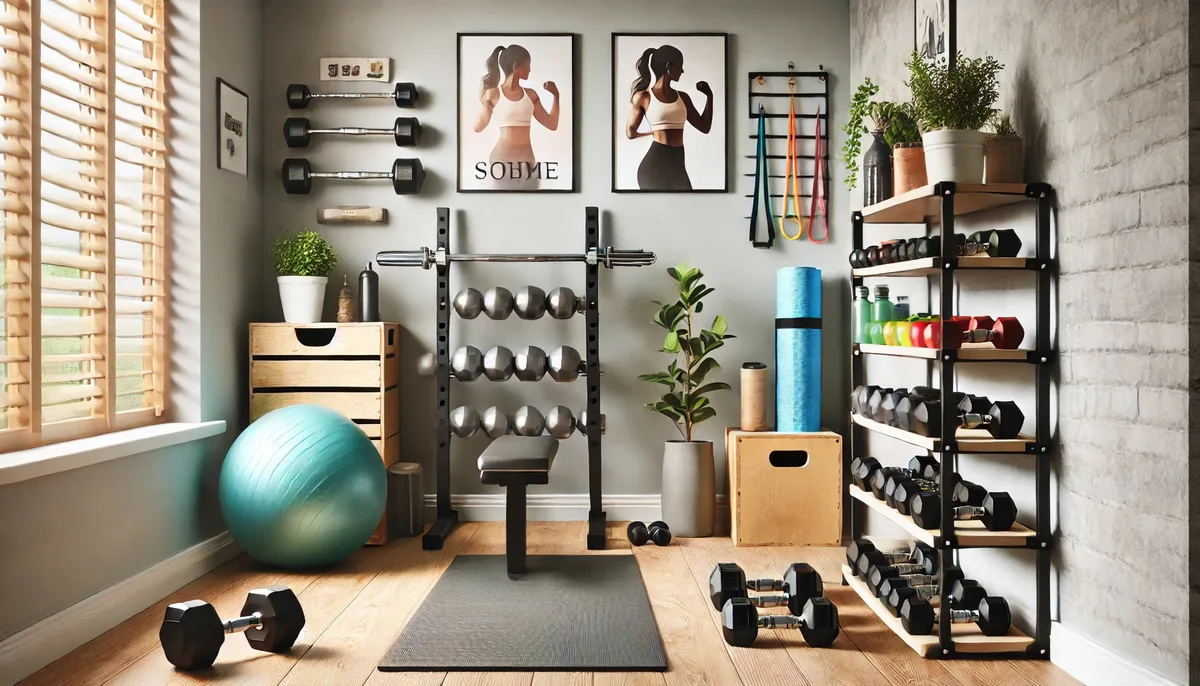
Image source: Bing (Web (fair-use with source credit))
Adjustable Dumbbells: The Space Savers
Adjustable dumbbells are fantastic for home gyms, especially if space is at a premium. The beauty of these is their versatility; one pair can replace an entire rack of fixed weights. When assembled and ready for use, a typical set might occupy a footprint of about 1.5 feet wide by 1 foot deep.
Most adjustable dumbbell systems come with a compact stand or cradle specifically designed to hold them neatly when not in use.
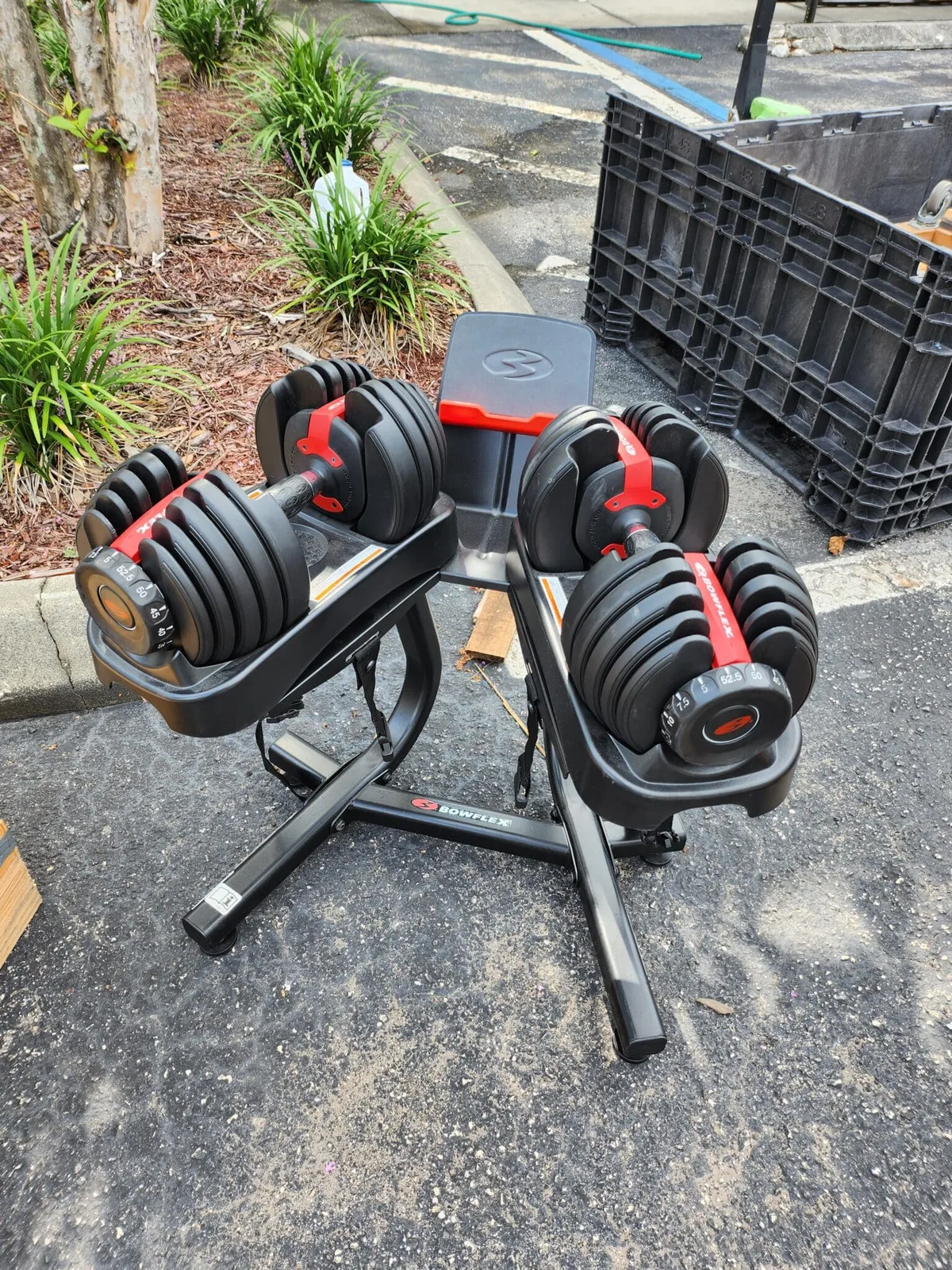
Image source: Bing (Web (fair-use with source credit))
When broken down or stored on their cradle, they take up minimal room, often fitting easily under a bed, inside a closet, or tucked away in a corner. This makes them ideal for multi-purpose rooms or smaller living areas. Their self-contained nature means you don't need extensive shelving or a large rack, significantly reducing the overall space commitment compared to traditional fixed weights.
If you're new to weight training or have limited space, these are often the first recommendation. They simplify organization and keep your workout area tidy with minimal fuss. If you're considering different types of home cardio equipment, understanding the space needs of other items, like how much space an exercise bike needs, is equally important for efficient layout planning.
Fixed Weight Dumbbells: Planning for Scale
For those dedicated to a diverse weightlifting routine, fixed weight dumbbells are the classic choice. However, they demand more thoughtful space planning. A few pairs, perhaps ranging from 5 lbs to 30 lbs, can usually be managed with a small, upright rack.
These racks typically have two or three tiers and might measure around 2 feet wide and 1 to 2 feet deep.
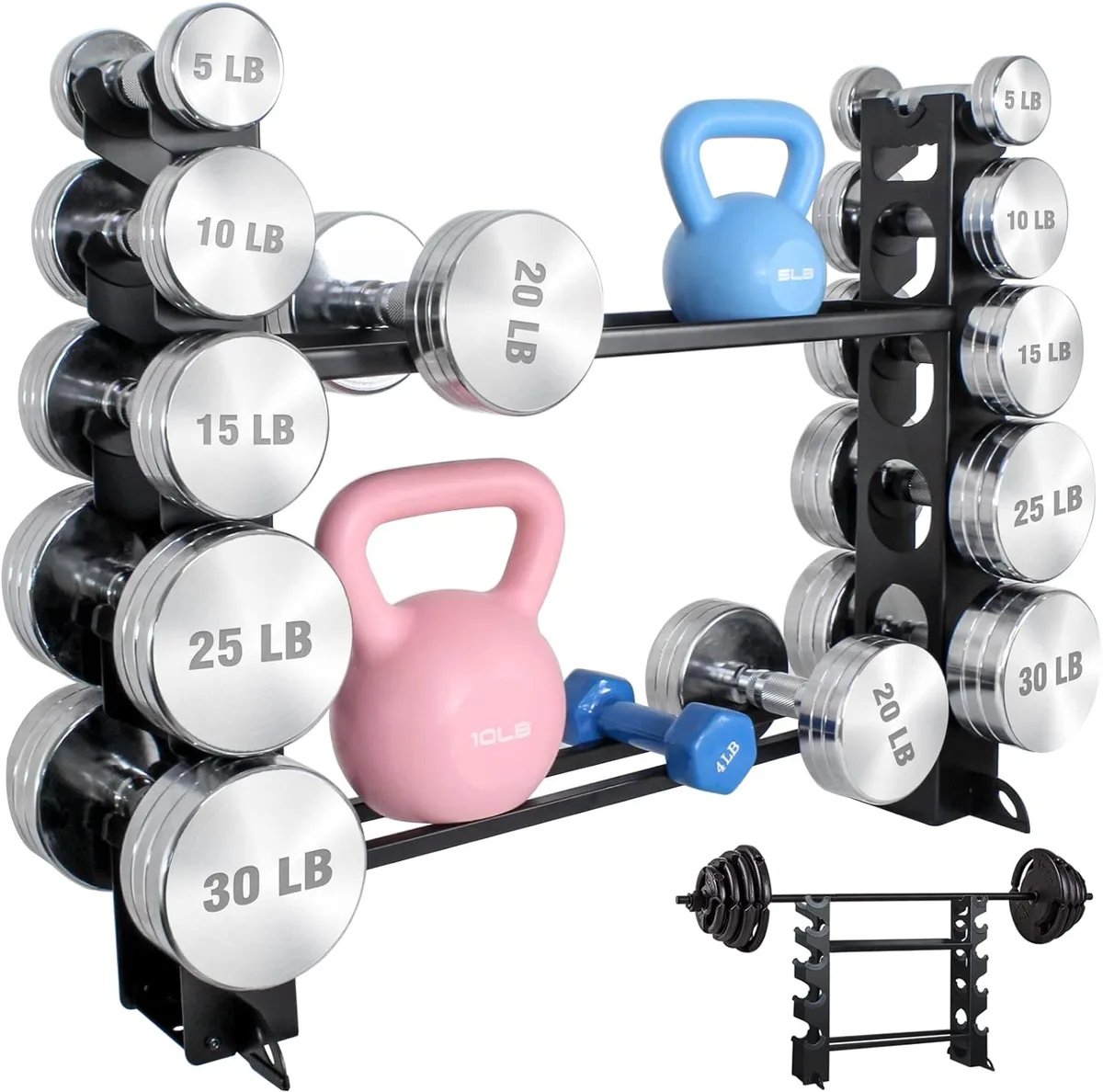
Image source: Bing (Web (fair-use with source credit))
As your collection grows, so does the space requirement. If you're aiming for a comprehensive set, say from 5 lbs all the way up to 50 lbs or even heavier, you’ll need a larger, more substantial rack. These units can easily span 3 to 5 feet in width and 1.5 to 3 feet in depth, depending on the number of pairs they are designed to hold.
Crucially, you must factor in access space: at least 3 to 4 feet of clear area in front of the rack is essential for safely picking up and putting down weights without obstruction. This front clearance is non-negotiable for preventing injury and ensuring you can actually use your equipment. For those who might also be considering other forms of strength training, understanding the space needs of various machines, like what is the difference between an upright and a recumbent exercise bike, can help you visualize how different pieces of equipment might fit together in a larger home gym layout.
Smart Storage Solutions for Every Space
Finding the right storage for your dumbbells can make or break your workout area. It’s not just about fitting them in; it’s about making them accessible, safe, and neat. Whether you have a dedicated home gym room or are squeezing workouts into a corner of your living room, there’s a solution.
- Compact Corner Nooks: For smaller collections or limited spaces, a simple, upright rack for fixed weights works well. It uses vertical space efficiently. Make sure the width accommodates your heaviest pairs comfortably and that you have enough elbow room to reach them.
- Under Furniture: Adjustable dumbbells, or even flat weight plates, can often slide discreetly under beds or couches. Always check the height clearance first to ensure they fit without scraping.
- Dedicated Dumbbell Racks: If you have a serious collection of fixed weights, a specialized dumbbell rack is usually the best investment. These are designed to stack weights vertically, maximizing storage density. A common style resembles a ladder, offering height without an excessive floor footprint relative to its capacity.
- Wall-Mounted Shelves: For ultimate floor space conservation, consider sturdy wall shelves. This can be an excellent option, but it requires ensuring your walls can support the considerable weight of dumbbells. Always use appropriate mounting hardware and research the weight limits for your chosen shelves.
Common Dumbbell Space Mistakes to Sidestep
When setting up a home gym, it's easy to overlook the practicalities of dumbbell storage. Many people focus solely on the equipment itself and forget the space required to use it safely and efficiently.
- Ignoring Access Clearance: The most common error is not accounting for the space needed to use the dumbbells. You need several feet in front of your rack to comfortably pick up and put down weights, especially heavier ones. Just measuring the rack's footprint isn't enough.
- Underestimating Total Volume: A full set of fixed dumbbells takes up significantly more volume than a single pair of adjustable ones. People often underestimate how much shelf space or floor area a complete set will actually occupy.
- Poor Placement: Storing dumbbells too close to other equipment or in high-traffic areas can lead to tripping hazards or make your workout flow awkward. Think about how you move between exercises.
- Overcrowding Racks: Stuffing too many dumbbells onto a rack, or placing them incorrectly, can be unstable and make them hard to retrieve. This also puts unnecessary strain on the rack itself. Always adhere to manufacturer weight limits.
- Not Considering Future Growth: If you plan to expand your dumbbell collection, ensure your initial storage solution can accommodate future additions or that you have a plan for upgrading.