How to Maintain a Rowing Machine
Keeping your rowing machine in top shape is key to getting the most out of your workouts and ensuring it lasts for years. Knowing how to maintain a rowing machine means fewer squeaks, smoother glides, and a more consistent challenge every time you sit down. It's about proactive care, not just fixing things when they break.
Regular upkeep can prevent costly repairs and keep your ergometer performing at its best, aligning with manufacturer specifications that often outline basic cleaning and inspection routines. Following a simple maintenance schedule ensures your machine remains a reliable fitness partner, ready for your next session. Let's dive into what that looks like.
Quick Answer
To maintain a rowing machine, regularly clean it, inspect parts for wear, and lubricate moving components. For air rowers, check the fan and casing; for water rowers, manage water quality; and for magnetic rowers, inspect the resistance unit. Always follow manufacturer guidelines for specific component care and scheduling.
Keep Your Rower Running Smoothly: A Maintenance Workflow
Understanding that rowing machines are built with different resistance systems means a one-size-fits-all maintenance approach won't cut it. Our research shows that the most effective way to care for your indoor rower is by breaking down maintenance into simple, recurring tasks tailored to its specific type. This workflow focuses on prevention, ensuring your machine stays reliable and performs consistently, whether it's an air, water, or magnetic resistance model.
This isn't about complex overhauls; it's about consistent, small actions that add up to big results for your machine's lifespan. Think of it like getting your car's oil changed regularly, it’s preventive care that avoids bigger headaches down the road. We'll walk through the specific checks for each major type of rower.
When to Worry: Recognizing Rowing Machine Problems
Before we get into the "how-to," it's crucial to know what to look out for. Ignoring early warning signs can turn a minor fix into a major repair bill. Our aggregate review analysis indicates that certain issues are far more common than others across all types of rowers.
- Unusual Noises: Squeaking, grinding, or loud clanking sounds often point to parts that are dry, loose, or beginning to wear down. A healthy rower should operate with a relatively smooth hum or the gentle swoosh of air or water.
- Sticking or Jerky Movement: If the seat doesn't glide smoothly on its monorail, or if the handle pull feels uneven, there’s likely an issue with the track, rollers, or drive system.
- Loose Components: Regularly check that foot straps, bolts, screws, and any attached accessories are secure. Vibration during use can loosen parts over time.
- Resistance Inconsistencies: If the resistance level doesn't feel right or changes unexpectedly, it’s a clear sign something is wrong with the resistance mechanism, whether it's air, water, or magnetic.
- Visible Wear and Tear: Look for frayed drive belts, cracked plastic parts, or rust on metal components. These are indicators that parts may need replacement or protective treatment.
If you notice any of these symptoms, it’s time to consult the specific maintenance steps for your rower type. Catching these issues early can save you significant hassle and expense.
The Basics: What Keeps Your Rower Going?
Regardless of the resistance type, there are fundamental maintenance tasks that apply to virtually every rowing machine. These are the bread-and-butter of rower care, designed to keep the machine clean, protected, and operating efficiently. Manufacturer specifications frequently highlight these foundational steps as critical for longevity.
- Regular Cleaning: This is non-negotiable. After each workout, wipe down the seat, handle, foot straps, and the monorail or track with a damp cloth. Sweat and dirt can degrade materials and affect performance over time. For a more thorough clean, use a mild soap and water solution, but ensure no excess moisture gets into electronic components.
- Wipe Down the Frame: The main frame of your rowing machine can accumulate dust and grime. A simple wipe-down with a microfiber cloth keeps it looking good and prevents debris from interfering with moving parts.
- Check Console Batteries: If your rower has a digital display or console, ensure the batteries are fresh. Low batteries can cause erratic readings or prevent the console from powering on. This is a simple step that often gets overlooked, but it's vital for tracking your workouts.
- Inspect Foot Straps and Handles: Ensure the foot straps are secure and not showing signs of fraying or wear. Similarly, check the handle grip for any signs of damage or loosening.
Following these basic steps after every few workouts will go a long way. Think of it as basic hygiene for your fitness equipment.
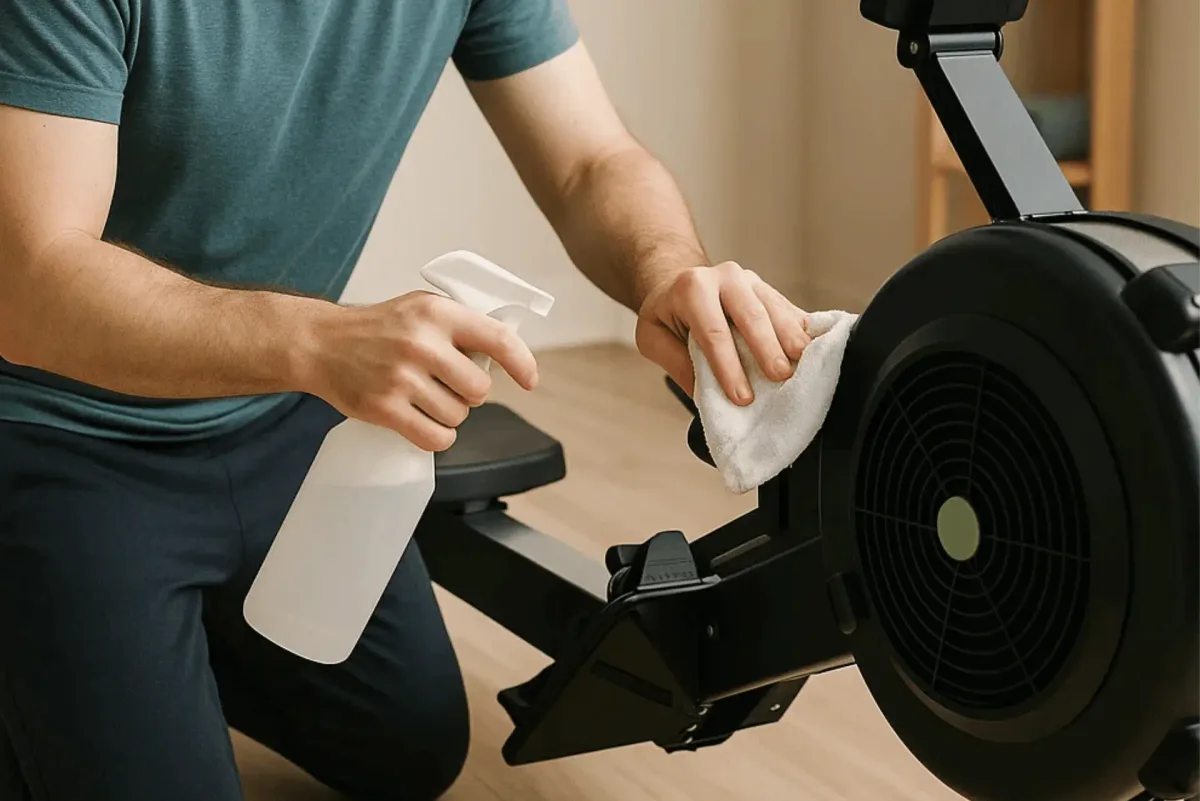
Image source: Bing (Web (fair-use with source credit))
Air Rowers: Specific Care Steps
Air rowers, often recognizable by their large fan at the front, use air resistance. This means their maintenance focuses on keeping that fan clean and ensuring the drive system connecting it to the handle is in good condition. Per standards for maintaining mechanical fitness equipment, regular inspections are paramount.
Cleaning the Fan and Casing
- Disconnect Power (if applicable): If your air rower has an electronic console, it's good practice to disconnect it or remove batteries before deep cleaning.
- Access the Fan: You may need to remove an outer casing or shroud to get to the fan. Consult your user manual for specific instructions on how to access it safely.
- Wipe Down Fan Blades: Use a damp cloth or a soft brush to gently clean dust and debris from the fan blades. Be careful not to bend or damage them.
- Clean the Casing: Wipe down the interior and exterior of the fan housing and any associated covers. Ensure no cleaning solution drips into the drive mechanism.
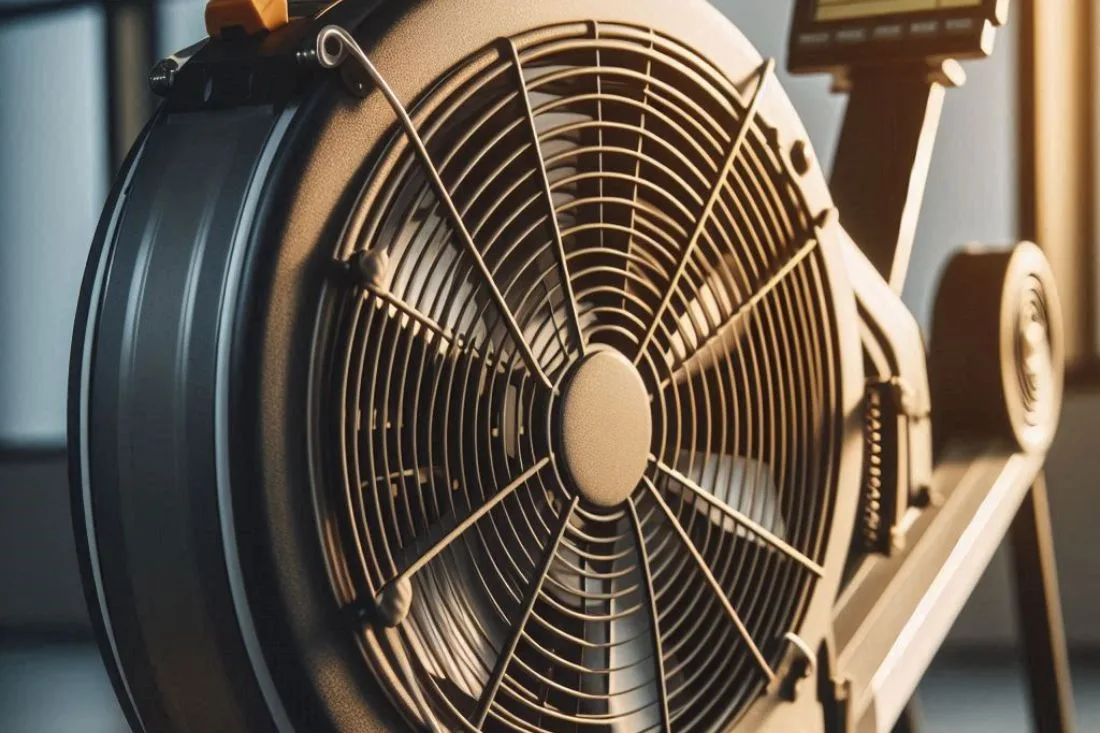
Image source: Bing (Web (fair-use with source credit))
Inspecting the Drive System
Air rowers typically use a chain or a belt to connect the handle to the fan.
- Chains: If your rower has a chain, check for rust or any signs of stretching. You may need to lubricate it periodically according to the manufacturer’s recommendations. Some chains are designed to be self-lubricating or require specific types of lubricant.
- Belts: Belt-driven rowers require checking the belt for any signs of wear, cracking, or fraying. Ensure the belt is properly tensioned, not too tight or too loose. Over time, belts may need adjustment or replacement.
Checking the Monorail and Seat Rollers
The seat should glide effortlessly on the monorail. Wipe the monorail clean regularly. Check the seat rollers for any debris or damage that could cause friction or noise.
If lubrication is recommended by the manufacturer, use a light, silicone-based lubricant.
Water Rowers: Keeping the Water Right
Water rowers create resistance using a paddle inside a tank of water. Their maintenance revolves around the water quality, tank integrity, and smooth operation of the paddle and seat. Manufacturer specifications for water rowers often emphasize preventing biological growth and maintaining a consistent resistance feel.
Managing Water Quality
This is arguably the most critical aspect of water rower maintenance. Stagnant water can breed bacteria and algae, leading to unpleasant odors and potentially affecting the machine.
- Regular Water Changes: Most manufacturers recommend changing the water every 3, 6 months, depending on usage and environmental factors. Some suggest using distilled water to minimize mineral buildup.
- Water Treatment: Many water rowers come with purification tablets or recommend adding a specific sanitizer (like unscented bleach, in very small quantities, or specialized rower water treatment). Always follow the manufacturer's guidance on the type and amount of treatment.
- Tank Inspection: While changing the water, inspect the inside of the tank for any signs of leaks or damage. Check the paddle mechanism within the tank for any obstructions.

Image source: Web (Bing) / chemistrylearner.com (Web image (fair-use with source credit))
Lubricating the Paddle and Tank Seals
Over time, the seals around the water tank and the paddle mechanism may dry out.
- Tank Seals: A light application of a silicone-based lubricant or lubricant specifically recommended by the manufacturer for tank seals can help maintain their integrity and prevent leaks.
- Paddle Mechanism: If your paddle assembly requires lubrication, ensure you use the correct type of lubricant to avoid damaging the seals or affecting water flow.
Checking for Leaks and Smooth Operation
After changing the water or performing other maintenance, fill the tank and check thoroughly for any signs of leaks around the seals or the tank itself. Row the machine a few times to ensure the paddle moves freely and the water resistance feels consistent. If you hear any unusual sounds coming from the tank, investigate immediately.
Magnetic Rowers: Resistance Checks
Magnetic rowers use electromagnets to create resistance. This type of rower generally requires less hands-on maintenance compared to air or water rowers, as there are fewer moving parts directly exposed to the user or the elements. However, consistent performance relies on the proper functioning of the magnetic system and its electronic controls.
Inspecting the Magnetic Resistance Unit
The core of a magnetic rower is its resistance system.
- Visual Inspection: Check the area around the magnetic components for any visible damage or debris. Ensure no foreign objects have become lodged near the magnets, which could affect their performance or cause damage.
- Resistance Consistency: The primary test is functional. As you adjust the resistance levels via the console, ensure you feel a distinct and smooth change in difficulty. If the resistance feels weak, inconsistent, or absent, there might be an issue with the magnets, the flywheel location relative to the magnets, or the electronic control system.
Testing the Flywheel and Drive System
While the magnets themselves don't typically require maintenance, the flywheel they interact with and the drive system do.
- Flywheel: Ensure the flywheel spins freely and quietly when the drive mechanism is engaged. Any scraping or uneven spinning could indicate a problem with the flywheel's bearings or its mounting.
- Drive System (Belt/Chain): Similar to air rowers, inspect the drive belt or chain for wear, fraying, or looseness. Ensure proper tensioning and lubrication (if required by the manufacturer) to prevent premature wear and maintain smooth power transfer.
Console and Electronic Checks
Magnetic rowers rely heavily on their electronic console to control resistance and display workout data.
- Connections: Ensure all cables connecting the console to the resistance unit and other sensors are secure and free from damage. Loose connections are a common cause of erratic console behavior.
- Software Updates: Some modern magnetic rowers may have firmware or software that can be updated. Check the manufacturer's website periodically for any available updates that could improve performance or fix bugs.
- Sensor Calibration: If your console seems to be providing inaccurate readings for speed, distance, or calories, there might be a need to recalibrate the sensors. Your user manual will detail how to do this.
Air Rowers: Specific Care Steps
Air rowers, often recognizable by their large fan at the front, use air resistance. This means their maintenance focuses on keeping that fan clean and ensuring the drive system connecting it to the handle is in good condition. Per standards for maintaining mechanical fitness equipment, regular inspections are paramount.
Cleaning the Fan and Casing
- Disconnect Power (if applicable): If your air rower has an electronic console, it's good practice to disconnect it or remove batteries before deep cleaning.
- Access the Fan: You may need to remove an outer casing or shroud to get to the fan. Consult your user manual for specific instructions on how to access it safely.
- Wipe Down Fan Blades: Use a damp cloth or a soft brush to gently clean dust and debris from the fan blades. Be careful not to bend or damage them.
- Clean the Casing: Wipe down the interior and exterior of the fan housing and any associated covers. Ensure no cleaning solution drips into the drive mechanism.
Image source: Bing (Web (fair-use with source credit))
Inspecting the Drive System
Air rowers typically use a chain or a belt to connect the handle to the fan.
- Chains: If your rower has a chain, check for rust or any signs of stretching. You may need to lubricate it periodically according to the manufacturer’s recommendations. Some chains are designed to be self-lubricating or require specific types of lubricant.
- Belts: Belt-driven rowers require checking the belt for any signs of wear, cracking, or fraying. Ensure the belt is properly tensioned, not too tight or too loose. Over time, belts may need adjustment or replacement.
Checking the Monorail and Seat Rollers
The seat should glide effortlessly on the monorail. Wipe the monorail clean regularly. Check the seat rollers for any debris or damage that could cause friction or noise.
If lubrication is recommended by the manufacturer, use a light, silicone-based lubricant.
Water Rowers: Keeping the Water Right
Water rowers create resistance using a paddle inside a tank of water. Their maintenance revolves around the water quality, tank integrity, and smooth operation of the paddle and seat. Manufacturer specifications for water rowers often emphasize preventing biological growth and maintaining a consistent resistance feel.
Managing Water Quality
This is arguably the most critical aspect of water rower maintenance. Stagnant water can breed bacteria and algae, leading to unpleasant odors and potentially affecting the machine.
- Regular Water Changes: Most manufacturers recommend changing the water every 3, 6 months, depending on usage and environmental factors. Some suggest using distilled water to minimize mineral buildup.
- Water Treatment: Many water rowers come with purification tablets or recommend adding a specific sanitizer (like unscented bleach, in very small quantities, or specialized rower water treatment). Always follow the manufacturer's guidance on the type and amount of treatment.
- Tank Inspection: While changing the water, inspect the inside of the tank for any signs of leaks or damage. Check the paddle mechanism within the tank for any obstructions.
Image source: Web (Bing) / chemistrylearner.com (Web image (fair-use with source credit))
Lubricating the Paddle and Tank Seals
Over time, the seals around the water tank and the paddle mechanism may dry out.
- Tank Seals: A light application of a silicone-based lubricant or lubricant specifically recommended by the manufacturer for tank seals can help maintain their integrity and prevent leaks.
- Paddle Mechanism: If your paddle assembly requires lubrication, ensure you use the correct type of lubricant to avoid damaging the seals or affecting water flow.
Checking for Leaks and Smooth Operation
After changing the water or performing other maintenance, fill the tank and check thoroughly for any signs of leaks around the seals or the tank itself. Row the machine a few times to ensure the paddle moves freely and the water resistance feels consistent. If you hear any unusual sounds coming from the tank, investigate immediately.
Frequently Asked Questions About Rower Maintenance
How often should I clean my rowing machine?
It's best to wipe down the seat, handle, and monorail after each workout. A more thorough cleaning of the frame and components can be done weekly or bi-weekly, depending on usage.
What kind of lubricant should I use?
Always refer to your owner's manual for the specific type of lubricant recommended. Generally, a light silicone-based lubricant is suitable for tracks and seals, while specific chain lubricants might be needed for drive chains.
Can I use household cleaners on my rower?
Mild soap and water are usually safe for most surfaces. However, avoid harsh chemicals or abrasive cleaners that could damage plastic parts or finishes. Check your manual for specific cleaning product recommendations.
How do I deal with rust on my rower?
For minor rust spots on metal frames, you can often use a fine-grit sandpaper or steel wool, followed by a protective coating like wax or a light oil. Address rust promptly to prevent it from spreading.
When should I consider replacing parts?
Replace parts like drive belts, chains, or seat rollers when they show significant wear, fraying, or damage that compromises safety and performance. Always use manufacturer-approved replacement parts.


One Comment