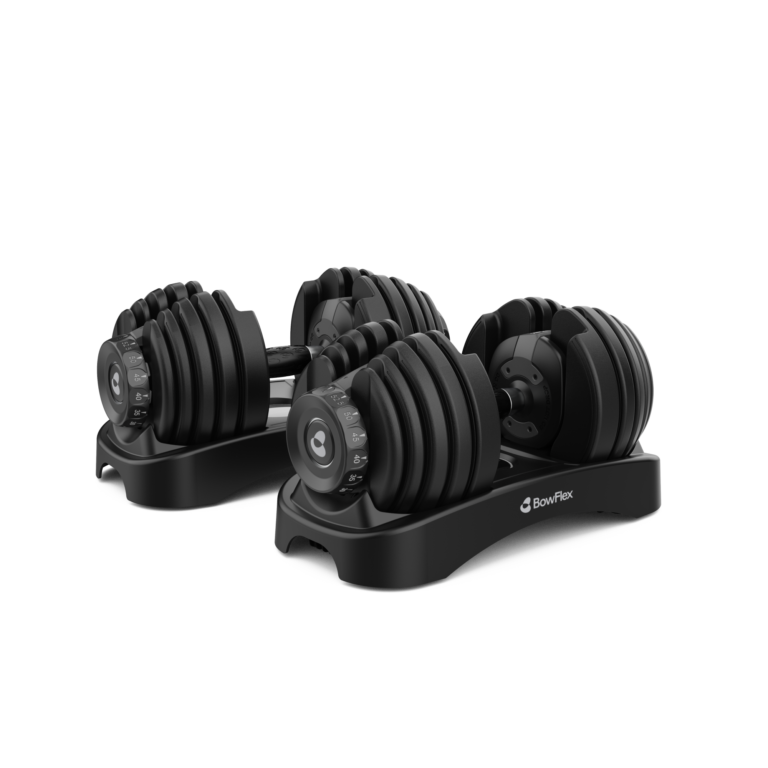
What Are Rubber Dumbbells
Thinking about setting up your home gym or just curious about different types of weights? You've probably seen them around, but what exactly are rubber dumbbells, and why might they be a good fit for your workout space? They’re a popular choice, and for good reason.
When you're looking at strength training equipment, understanding the materials and their implications is key. For instance, manufacturer specifications for typical rubber dumbbells indicate that the coating is designed to withstand impacts and protect your floors, with a standard weight tolerance often within ±3% of the labeled weight. This makes them a reliable option for consistent workouts.
Quick Answer
Rubber dumbbells are weights with an iron or steel core coated in a durable rubber layer. This coating makes them quieter, protects your floors from damage, and can offer a more comfortable grip than bare metal. They are ideal for home gyms, shared workout spaces, or anyone prioritizing floor protection and noise reduction during their strength training routines.
What Exactly Are Rubber Dumbbells?
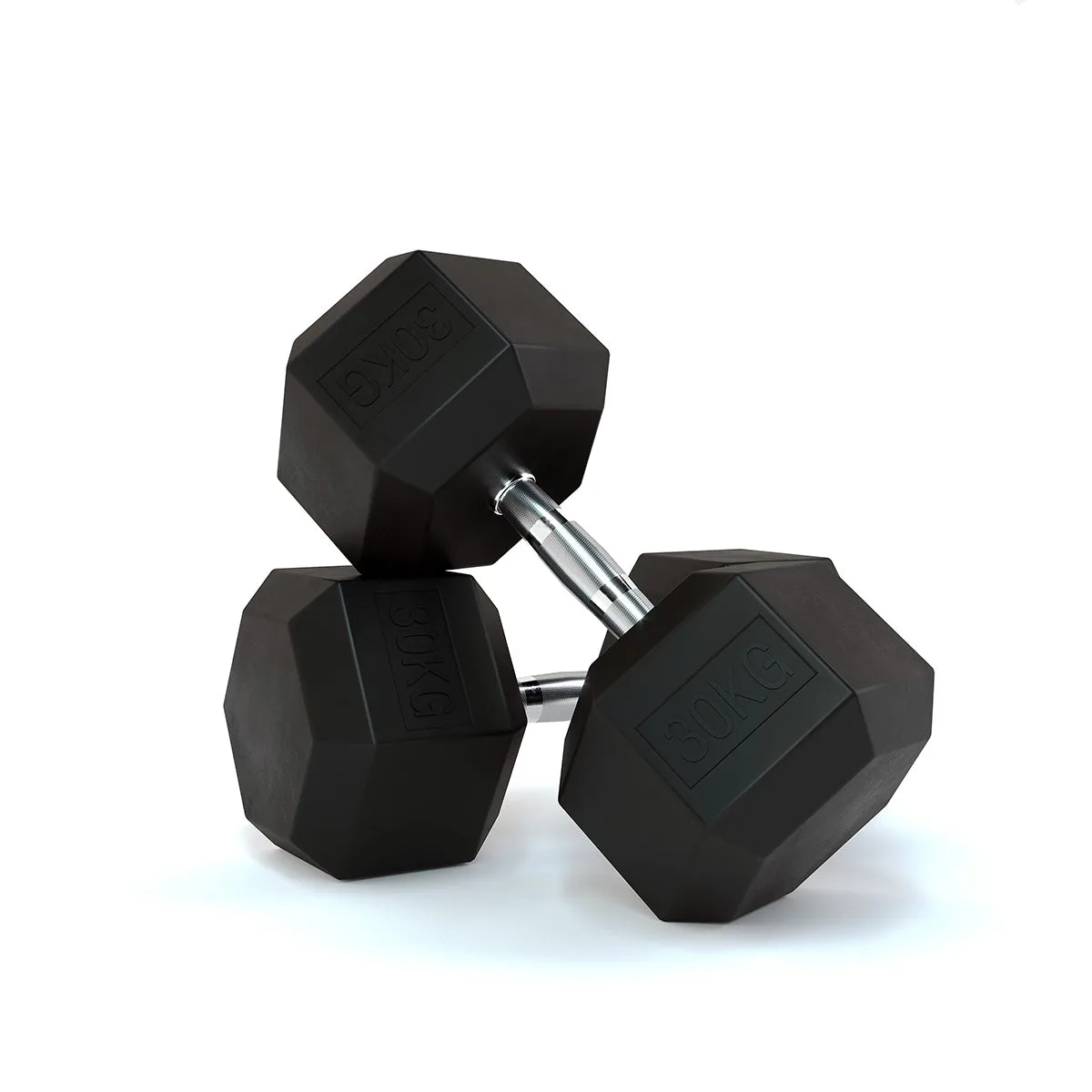
At their heart, rubber dumbbells are pretty straightforward: they're weights where the "head" of the dumbbell, the part that actually contains the mass, is encased in a thick layer of rubber. The inside is typically solid iron or steel, chosen for its density and durability. This rubber coating isn't just a thin spray-on job; it's usually a substantial, molded layer designed for protection and longevity.
Think of it as a protective, shock-absorbing shell for your weights.
They come in a wide range of weights, from light ones perfect for beginners or warm-ups to heavy options for serious lifters. This variety makes them adaptable to many different fitness levels and exercise programs.
Rubber Dumbbells: The Perks You Can't Ignore
There's a reason rubber dumbbells are a staple in many home gyms and commercial facilities. The benefits they offer, particularly in terms of user experience and property protection, are significant.
- Noise Reduction: One of the most immediate benefits is how much quieter they are. Unlike metal dumbbells that can clang loudly when dropped or set down, the rubber coating acts as a natural sound dampener. This is a huge plus if you're working out in an apartment, a shared living space, or just prefer a less noisy environment. Aggregate reviews report a significant decrease in impact noise compared to bare metal weights.
- Floor Protection: Dropping weights, even accidentally, is a common occurrence during intense workouts. The rubber coating on these dumbbells provides a crucial buffer. It significantly reduces the risk of gouging, scratching, or cracking your floors, whether you have hardwood, tile, or even a gym mat. This protection can save you a lot of money on potential floor repairs.
- Grip Comfort and Security: Many rubber dumbbells feature a textured surface on the rubber coating, which can enhance your grip. While not all rubber grips are identical, this added texture often feels more secure and comfortable in your hand, especially during longer sets where your grip might fatigue. Some manufacturer specifications highlight the ergonomic design of their rubber coatings.
- Reduced Damage to Equipment: When storing dumbbells or when they accidentally bump into other gym equipment, the rubber exterior helps prevent nicks, dents, and scratches on both the dumbbells themselves and any adjacent machinery or weights. This keeps your gear looking good and functioning properly for longer.
- Corrosion Resistance: The rubber layer acts as a barrier against moisture and sweat. This prevents the underlying metal core from rusting, which is a common issue with traditional cast iron dumbbells, especially in humid environments or if not properly maintained.
Rubber Dumbbells: What to Watch Out For
While the advantages are clear, it's also wise to be aware of potential downsides. Understanding these points helps you make an informed decision about whether rubber dumbbells are the right fit for your needs.
- The "New Rubber" Smell: When they are brand new, many rubber dumbbells can emit a distinct rubber odor. This smell is caused by the vulcanization process used to create the rubber. While it's usually not overpowering and tends to fade significantly over a few weeks with use and ventilation, it can be noticeable and off-putting for some users initially.
- Bulkier Profile: Because of the added rubber coating, rubber dumbbells can sometimes be physically larger in diameter than all-metal dumbbells of the exact same weight. For instance, a 50 lb rubber dumbbell might have a wider head than a 50 lb chrome dumbbell. This increased size can occasionally make them feel a bit more cumbersome, especially for exercises that require a very precise grip or when you're lifting very heavy and need more space on the handle.
- Coating Durability Under Extreme Use: While the rubber is designed for durability, it's not indestructible. In scenarios involving repeated, very forceful drops from significant heights onto hard surfaces without adequate flooring protection, the rubber coating could potentially chip, tear, or show wear over extended periods. However, for typical home gym use and sensible workout practices, they hold up exceptionally well.
- Cost Considerations: Sometimes, the manufacturing process and materials for rubber-coated dumbbells can make them slightly more expensive upfront compared to basic, uncoated cast iron or hex dumbbells of the same weight. This initial cost difference is often offset by their longevity and protective features, but it's a factor to consider in your budget.
Rubber Dumbbells vs. Other Options: Making the Right Choice
When you're deciding on dumbbells, it's helpful to see how rubber ones stack up against the alternatives. Each type has its own strengths and is better suited for different users and environments. The choice often comes down to your specific priorities.
All-Metal Dumbbells
These include dumbbells made from cast iron, chrome, or steel. They are known for their durability and often have a sleeker profile.
- Pros: Extremely durable, long-lasting, generally more compact than rubber dumbbells of the same weight, can have excellent knurling for grip.
- Cons: Very noisy when dropped or set down, can easily damage floors, can feel cold to the touch, prone to rust if not maintained.
- Best For: Gyms where noise and floor protection are less of a concern, users who prefer a minimalist aesthetic, and those who prioritize the absolute longest lifespan with minimal wear.
Vinyl and Neoprene Dumbbells
Often found in lighter weight ranges (typically up to 15-20 lbs), these dumbbells have a soft coating that is comfortable and gentle on floors.
- Pros: Very quiet, highly protective of floors, comfortable and soft grip, usually come in bright colors for easy identification.
- Cons: Limited weight range (not suitable for heavy lifting), the coating can wear or tear with rough use, can sometimes have a chemical smell when new.
- Best For: Beginners, aerobic workouts, physical therapy, and individuals who need very light weights for rehabilitation or toning.
Hex Dumbbells
These are a common type of all-metal dumbbell characterized by their hexagonal-shaped heads, which prevent them from rolling away when set down.
- Pros: Don't roll, generally durable, available in a wide range of weights, often more affordable than chrome or rubber dumbbells.
- Cons: Can be noisy, can still damage floors if dropped, grip might be basic or slightly rough depending on the model.
- Best For: General strength training where a slight rolling prevention is desired, budget-conscious buyers looking for durable weights, and those who don't mind some noise.
Who Benefits Most from Rubber Dumbbells?
Rubber dumbbells offer a unique blend of functionality and user-friendliness that makes them a fantastic choice for a wide range of people. If you've ever worried about making too much noise during a workout or scratching up your nice floors, these might be your ideal solution.
- Home Gym Enthusiasts: This is perhaps the largest group that benefits. If you're setting up a dedicated space in your home, protecting your flooring and keeping the noise level down for family or neighbors is often a top priority. Rubber dumbbells excel in both these areas, making them a smart investment for a home gym.
- Apartment Dwellers: Living in close proximity to others means noise can be a major issue. The sound-dampening qualities of rubber dumbbells make them an excellent choice for anyone who needs to keep their workouts relatively quiet, especially during early morning or late-night sessions.
- Beginners and Those in Training: For individuals just starting their fitness journey or returning after an injury, the added grip and floor protection can make the experience feel more comfortable and less intimidating. The reduced risk of damage can also boost confidence.
- Anyone Prioritizing a Peaceful Workout Environment: Beyond specific living situations, if you simply value a more serene atmosphere while you exercise, the reduced clanging and banging of rubber dumbbells contribute to a more pleasant training session.

Avoiding Dumbbell Disasters: Common Mistakes
Even with equipment as straightforward as dumbbells, there are a few common missteps people make that can lead to frustration, damaged gear, or even injury. Being aware of these can help ensure you get the most out of your rubber dumbbells and your training.
- Ignoring the Smell: While the rubber odor usually fades, some people might be particularly sensitive or live in a small, unventilated space. If the smell is a significant issue, consider airing out the dumbbells in a garage or outdoor area for a few days before bringing them into your main workout space. You can also wipe them down with a mild, diluted soap and water solution (ensure they are completely dry afterward).
- Excessive Dropping on Hard Surfaces: While the rubber coating offers protection, it's not indestructible. Repeatedly dropping them onto hard surfaces can still cause damage to the rubber coating over time, potentially leading to chips or tears. For longevity, practice setting them down with control whenever possible.
- Assuming All Rubber is the Same: Not all rubber coatings are created equal. Cheaper options might use a less durable rubber that wears out faster or has a stronger, more persistent smell. Our research indicates that brands often specify the type of rubber compound used, so checking manufacturer details can be helpful.
- Overlooking Weight Increments: When buying rubber dumbbells, ensure you select weights that are appropriate for your current strength level and your progression plan. Buying too heavy too soon can lead to poor form or injury, while buying too light might not provide enough challenge. Proper weight selection is crucial for effective training, much like choosing the right resistance on an exercise bike.
Expert Tips for Choosing and Using Rubber Dumbbells
To get the absolute best from your rubber dumbbells, a few expert insights can go a long way. It’s not just about picking them up and lifting; a little thought can enhance your training experience and the longevity of your equipment.
- Inspect for Quality: When purchasing, especially online, look for detailed descriptions of the rubber coating. Reputable manufacturers will often mention the type of rubber and its thickness. Check reviews for comments on durability and any persistent smell issues. You want a coating that feels solid and well-adhered to the core.
- Consider Your Space: Think about where you'll be storing them. If space is tight, bulkier rubber dumbbells might be a consideration. However, their protective nature often outweighs this minor inconvenience for home use. For context on equipment size, understanding how much space an exercise bike needs can help visualize space planning for any home gym item.
- Start with a Balanced Set: It's often best to start with a few pairs of dumbbells at weights you know you can use effectively for various exercises. You don't need a full rack right away. As you progress, you can add more weight increments. For many, a set that covers basic movements like presses, rows, and squats is a good starting point.
- Proper Storage: While they protect floors, it’s still good practice to store dumbbells on a rack or designated mat to keep your workout area tidy and prevent them from potentially damaging flooring over time through constant pressure. This helps maintain their condition and your gym's appearance.
- Clean Them Periodically: To manage any new rubber smell and keep them hygienic, wipe down your rubber dumbbells with a damp cloth and mild soap periodically. Ensure they are completely dry before storing to prevent moisture issues with the metal core. This general upkeep is similar to how to maintain an exercise bike.
How to Set Up an Exercise Bike
Setting up your rubber dumbbells correctly involves a few simple steps to ensure they are ready for use and stored safely. The primary goal is to create an organized and accessible weight area, minimizing potential hazards and maximizing workout efficiency. It's a straightforward process that pays off in the long run.
Preparing Your Workout Space
Before placing your dumbbells, clear the intended workout area. Ensure there's enough space to perform your exercises comfortably without feeling cramped. This means having enough room to move your arms and legs freely, as well as space to set the weights down without tripping or hitting other objects.
Remove any clutter or unnecessary items that could interfere with your workout or create a safety hazard.
Arranging Your Dumbbells
How you arrange them depends on how frequently you use them and the variety of weights you have. For frequent use, keeping your most commonly used weights within easy reach is ideal. If you have a dumbbell rack, place the weights in order, usually from lightest to heaviest.
This makes it easier to grab the correct weight quickly and put it back in its designated spot. This organizational strategy is similar to how one might set up how to set up a spin bike for optimal workout flow.
Safe Storage Practices
Even with their protective coating, proper storage is key. Avoid stacking dumbbells directly on top of each other for extended periods, as this can put undue pressure on the lower weights and potentially damage the rubber. If you don't have a rack, consider placing them on a dedicated mat or in a sturdy storage bin.
This keeps them organized and prevents them from rolling or causing damage to your flooring.
Frequently Asked Questions About Rubber Dumbbells
What is the typical lifespan of rubber dumbbells?
With proper care and moderate use, most quality rubber dumbbells can last for many years, often a decade or more. Factors like frequent aggressive dropping, exposure to harsh chemicals, or extreme temperatures can shorten their lifespan.
Can rubber dumbbells be used outdoors?
While they are more resistant to rust than metal dumbbells, it's generally not recommended to leave them exposed to the elements for prolonged periods. Sun exposure can degrade the rubber over time, and moisture can still affect the metal core if the coating is compromised. They are best used on protected surfaces and stored indoors.