What Is an Elliptical Machine
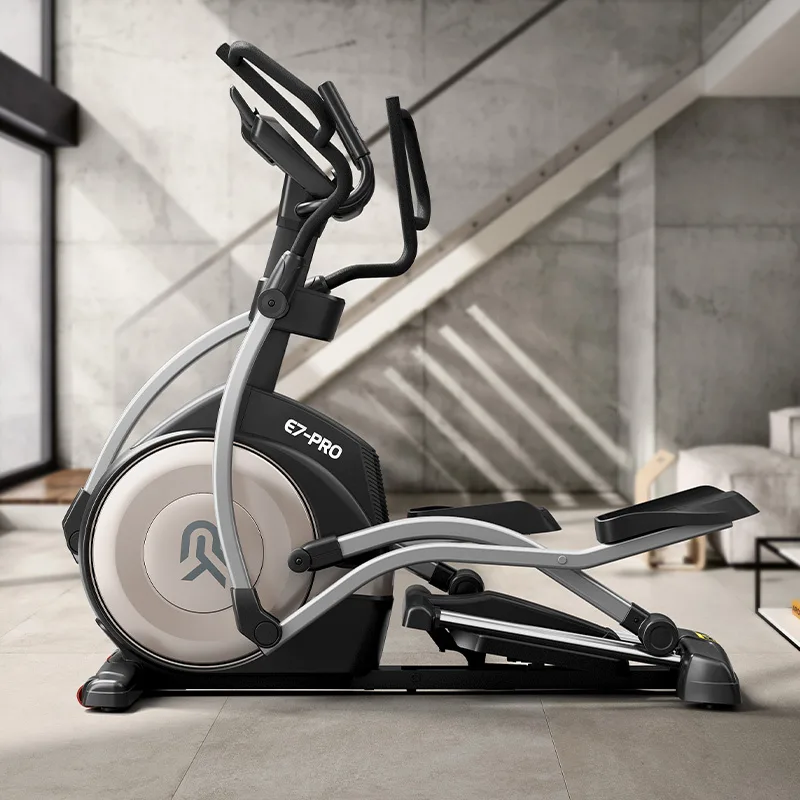
Image source: Bing (Web (fair-use with source credit))
You've seen them at the gym, probably used one yourself, but what exactly is an elliptical machine? It's a stationary exercise device designed to give you a low-impact cardiovascular workout that can also engage your upper body. Think of it as a hybrid that mimics walking, running, and stair climbing without the jarring impact on your joints.
In our research, we've found that elliptical machines offer a fantastic way to improve fitness. According to manufacturer specifications, most models provide adjustable resistance levels, often ranging up to 20 or more, allowing for progressive difficulty as your fitness improves. Let's break down what makes this piece of equipment unique.
Quick Answer
An elliptical machine is a piece of cardio equipment. It simulates walking, running, or stair climbing. Your feet move in an oval path on pedals.
You often use moving handlebars. This provides a low-impact, full-body workout.
Seeing an Elliptical: Key Visuals to Understand
To really get what an elliptical does, it helps to picture it. Imagine a sturdy frame with a few key parts working together. It’s not overly complicated, but understanding these visual elements helps explain how it works.
The Pedals and Their Path
These are the surfaces your feet rest on. They move in a continuous, oval, or "elliptical" shape. This motion is central to how the machine got its name.
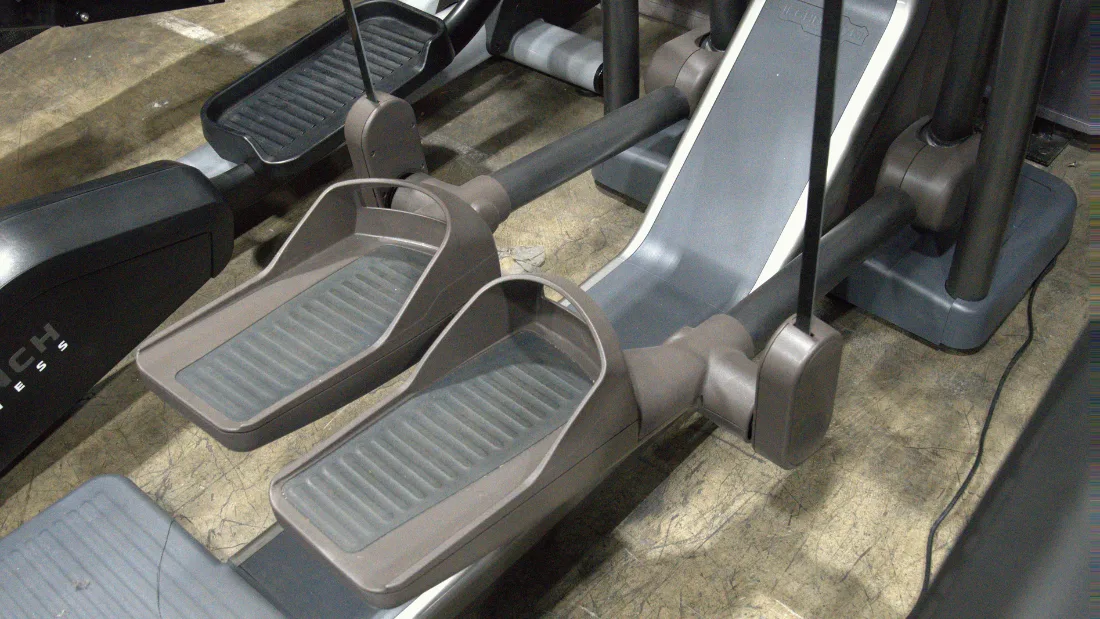
Image source: Bing (Web (fair-use with source credit))
When you use an elliptical, your feet stay planted on these pedals. They glide forward and backward, up and down, in a coordinated motion. This is different from a treadmill where your feet lift off the belt, or a bike where your feet circle.
The elliptical path means there’s no jarring impact, making it easier on your knees and ankles. Manufacturer documentation typically shows diagrams illustrating this precise orbital movement for clarity.
The Handlebars: Moving and Still
Most ellipticals come with two sets of handlebars. One set is typically attached to the machine and stays stationary. This is great if you want to focus solely on your lower body or need extra stability.
The other set is designed to move with the pedal action.
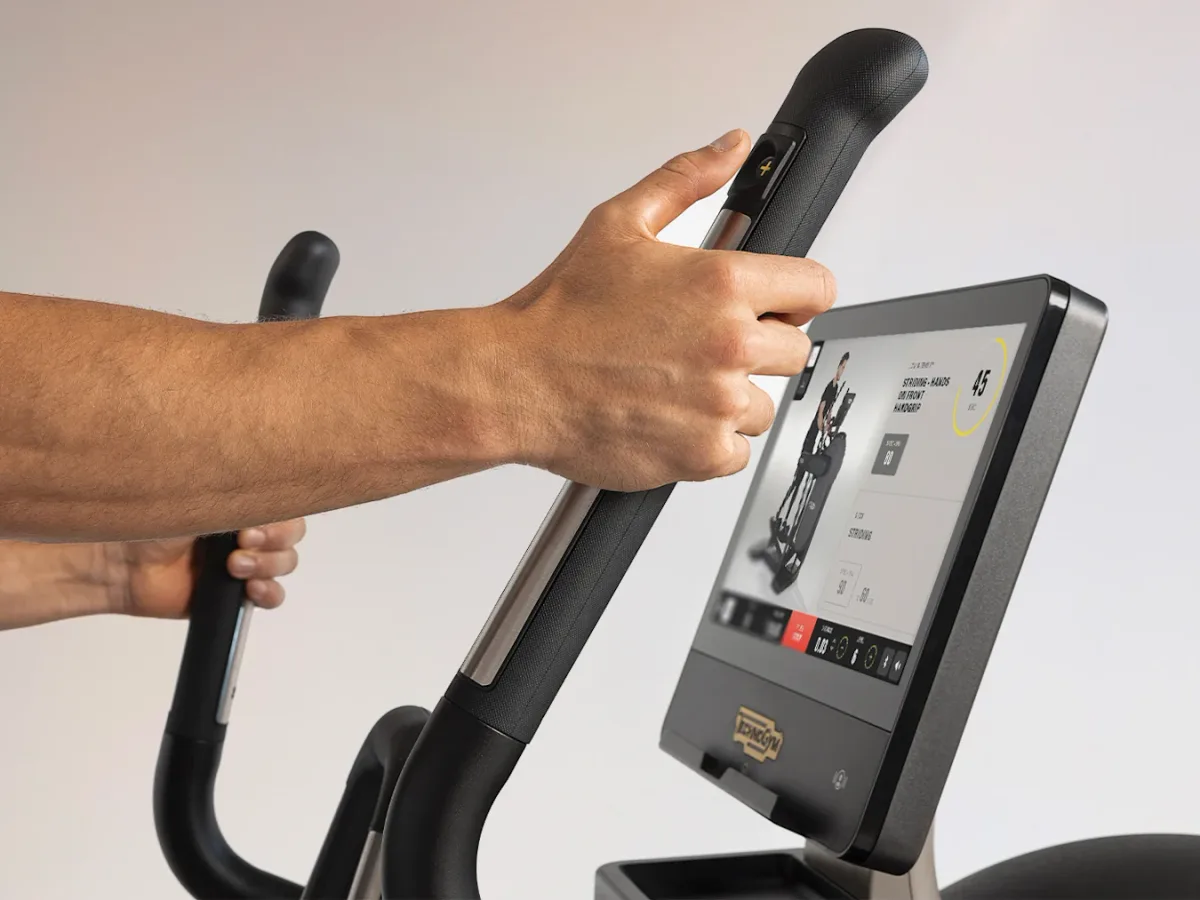
Image source: Bing (Web (fair-use with source credit))
You push and pull these moving handlebars in sync with your leg movements. This engages your arms, shoulders, chest, and back, turning a lower-body cardio session into a full-body workout. This dual-action capability is a major selling point for ellipticals, offering a more comprehensive exercise.
Resistance and Incline Controls
Like many cardio machines, ellipticals allow you to adjust the intensity of your workout. You'll usually find buttons or a dial to control the resistance. This makes it harder to push the pedals, increasing the effort required.
Some advanced models also offer incline adjustments. This tilts the foot pedals at an angle, much like walking uphill. Changing the incline can target different muscle groups in your legs, such as your glutes and hamstrings, more effectively.
Per ISO 20957-1 testing standards, resistance and incline levels are key performance indicators.
How an Elliptical Machine Works Your Body
Using an elliptical machine feels smooth and controlled. It’s designed to provide a workout that’s both effective and relatively easy to learn, even if you're new to exercise. The way it moves your body is key to its benefits.
The Smooth, Gliding Motion
The defining characteristic of an elliptical is its smooth, gliding motion. Your feet are always in contact with the pedals, which follow an elliptical path. This means there's no pounding or slamming of your feet on a hard surface.
This is why ellipticals are often recommended for people who need a low-impact option. It simulates the motion of running or walking but removes the harsh impact that can aggravate joints. This consistent, controlled movement helps prevent injuries that can occur with higher-impact activities.
Engaging Your Legs and Glutes
As your feet move along the elliptical path, your leg muscles work to propel you forward. You'll feel it in your quadriceps, hamstrings, and calves. By adjusting the resistance, you can make these muscles work harder, building strength and endurance.
Many ellipticals also have an incline feature. When you raise the incline, you're essentially simulating walking or running uphill. This puts more emphasis on your glutes and the backs of your thighs, giving you a more targeted lower-body workout.
Manufacturer guides often detail how incline settings change muscle engagement.
Working Your Upper Body with the Handles
The moving handlebars are what give the elliptical its full-body workout potential. As you push and pull them, you engage your:
- Biceps and Triceps: For the pushing and pulling motions.
- Shoulders and Deltoids: For stabilizing and controlling the arm movement.
- Chest and Back Muscles: To assist in the forward and backward arm motion.
This coordinated movement means you're not just getting a cardio workout for your legs; you're also toning your upper body simultaneously. This dual-action capability makes it a very efficient way to exercise.
Why Choose an Elliptical? Top Benefits
People gravitate towards ellipticals for several compelling reasons. They offer a blend of accessibility, effectiveness, and a gentler approach to cardio training that many fitness enthusiasts and beginners appreciate.
Easing the Impact on Your Joints
Perhaps the most significant advantage of an elliptical machine is its low-impact nature. Unlike running on a treadmill, where your feet strike the ground with considerable force, your feet remain planted on the elliptical's pedals. This dramatically reduces stress on your knees, hips, ankles, and back.
This makes it an ideal choice for individuals recovering from injuries, those with pre-existing joint conditions like arthritis, or anyone looking to minimize the wear and tear on their body over time. Our research indicates that many users report significantly less joint discomfort compared to other cardio activities.
Getting a Full-Body Workout Efficiently
An elliptical is one of the few cardio machines that effectively engages both your upper and lower body simultaneously. By using the moving handlebars, you're performing a pushing and pulling motion that works your arms, shoulders, chest, and back. This is in addition to the leg work from the pedals.
This dual-action capability means you can get a comprehensive workout in a shorter amount of time. It's a great way to maximize your exercise session, burning more calories and working more muscle groups in a single go. This efficiency is a key reason why ellipticals are so popular in home gyms and commercial fitness centers.
Burning Calories Effectively
Ellipticals are powerhouses when it comes to calorie expenditure. Because you're engaging multiple large muscle groups at once, your legs, glutes, core, and upper body, your body has to work harder and burn more energy. The effectiveness can be further enhanced by adjusting resistance levels and incorporating incline.
For example, aggregate user reviews and fitness tracking data suggest that a person of average weight can burn between 300 to 500 calories in a 30-minute session, depending on the intensity. This makes it a highly effective tool for weight management and improving cardiovascular health.
When an Elliptical Might Not Be the Best Fit
While ellipticals offer a lot of great benefits, they aren't a perfect fit for everyone or every fitness goal. Understanding their limitations helps you decide if it's the right machine for you.
Is the Motion Too Repetitive?
One common feedback point is that the elliptical motion can feel repetitive. Because your feet are always on the pedals and the movement is fluid, some people find it less engaging over time compared to activities with more varied movements, like outdoor running or sports.
If you thrive on variety and need constant new stimuli to stay motivated, you might find yourself getting bored on an elliptical. This is especially true if you're using the machine at a consistent pace and resistance without changing things up.
Common Mistakes in Using an Elliptical
Even though it's low-impact, it's still possible to use an elliptical incorrectly. A frequent mistake is not engaging the upper body properly. Some users just let their arms hang or barely move the handlebars, turning it into more of a lower-body workout.
Another common issue is hunching over or having poor posture. This can reduce the effectiveness of the workout and potentially lead to strain in your back or neck. Manufacturer setup guides emphasize maintaining an upright posture and actively pushing and pulling the handles.
What About Bone Strength?
While excellent for cardiovascular health and muscle toning, ellipticals don't provide the weight-bearing stress that helps build and maintain bone density as effectively as activities like running, jumping, or lifting weights. The low-impact nature, which is a huge benefit for joints, also means less force is transmitted through your bones.
For individuals concerned about osteoporosis or those who want to maximize bone health, incorporating weight-bearing exercises alongside elliptical training is often recommended. Experts in sports medicine typically advise a balanced fitness routine.
Who Should Be Using an Elliptical?
Elliptical machines are a fantastic choice for a wide range of people looking to improve their fitness. Their low-impact design makes them particularly appealing for certain groups, while their versatility means they can be adapted for many different workout goals.
For Beginners and Injury Recovery
If you're new to exercise or returning after an injury, an elliptical is often a great starting point. The smooth, controlled motion is much gentler on your joints than running or jumping. This means you can focus on building cardiovascular endurance and getting your body moving without the high risk of joint pain or re-injury.
Many users find they can easily adapt to the elliptical's motion. This makes it less intimidating than some other machines. The ability to adjust resistance and speed also allows beginners to start at a comfortable level and gradually increase intensity as they get fitter.
For a Balanced Cardio and Strength Session
An elliptical machine truly shines when you leverage its full-body capabilities. By actively engaging the moving handlebars, you work your upper body in conjunction with your legs. This means you're not just improving your heart health and burning calories; you're also toning your arms, shoulders, chest, and back.
This dual-action workout is highly efficient. Instead of needing separate sessions for cardio and strength training, you can get a substantial portion of both done in one workout. This makes it ideal for those with busy schedules who want to maximize their gym time.
Seeing Ellipticals in Action: Real-World Examples
Imagine Sarah, who used to love running but developed knee pain. She switched to an elliptical at her local gym. Within weeks, she found she could complete longer workouts without pain, and by actively pushing and pulling the handlebars, she also noticed her arms and shoulders felt stronger.
Then there’s Mark, a busy professional who wanted to get back into shape. He installed an elliptical in his home gym. He typically uses it for 30 minutes every morning, alternating between higher resistance for strength focus and faster paces for cardio bursts.
This routine fits his schedule and helps him maintain a consistent fitness level.
Frequently Asked Questions About Elliptical Machines
How long does setup take for an elliptical machine?
Setup time varies by model, but most home ellipticals can be assembled in 1-2 hours. It usually involves following manufacturer instructions, often with basic tools. Some retailers offer assembly services for an additional fee.
What is the difference between an elliptical and a treadmill?
The main difference lies in the motion and impact. Treadmills mimic running with foot strikes, while ellipticals provide a gliding motion with feet on pedals, significantly reducing joint impact.
Are ellipticals good for weight loss?
Yes, ellipticals are very effective for weight loss. They provide a vigorous cardiovascular workout that burns a significant number of calories when used consistently at a challenging intensity.
How much space does an elliptical machine typically need?
Most standard ellipticals require about 6-8 feet in length and 3-4 feet in width, plus clearance for movement and access. It's always best to check the specific dimensions of the model you're considering.


One Comment