What Are Hex Dumbbells Used For
When you're looking to build strength and tone your muscles, the right equipment makes a huge difference. If you've ever wondered what are hex dumbbells used for, you're in the right place. Their distinct shape isn't just for looks; it serves crucial practical purposes in your workout routine.
Manufacturer specifications confirm that hex dumbbells offer a stable, versatile solution for everything from basic strength training to more complex functional movements. Their design addresses common issues found with other weight types, making them a smart choice for many fitness enthusiasts, whether you're setting up a home gym or training in a commercial facility.
Quick Answer
Hex dumbbells are primarily used for resistance training to build strength and muscle. Their hexagonal shape prevents them from rolling away when placed on the floor, increasing safety and simplifying workouts. They are ideal for exercises where dumbbells might be set down frequently, such as during circuit training or rest periods.
Why Hex Dumbbells Are Your Go-To for a Stable Workout
When you're setting up a home gym or even just looking to upgrade your free weight collection, the type of dumbbells you choose can significantly impact your training experience. Hex dumbbells are a popular choice for many good reasons, and understanding what they're used for helps you decide if they fit your fitness goals. Unlike round dumbbells that can roll unpredictably, hex dumbbells offer a more stable and secure option, especially when you're doing exercises that require you to set the weights down between sets or incorporate them into circuits.
Research into fitness equipment design highlights that the hexagonal shape is a deliberate feature aimed at enhancing user safety and workout efficiency. For instance, aggregate user reviews consistently report that the flat sides prevent the common issue of dumbbells rolling off benches or across the floor, which can be a hazard. This stability also means you don't have to constantly corral your weights, allowing you to focus more on your form and less on keeping your equipment in place.
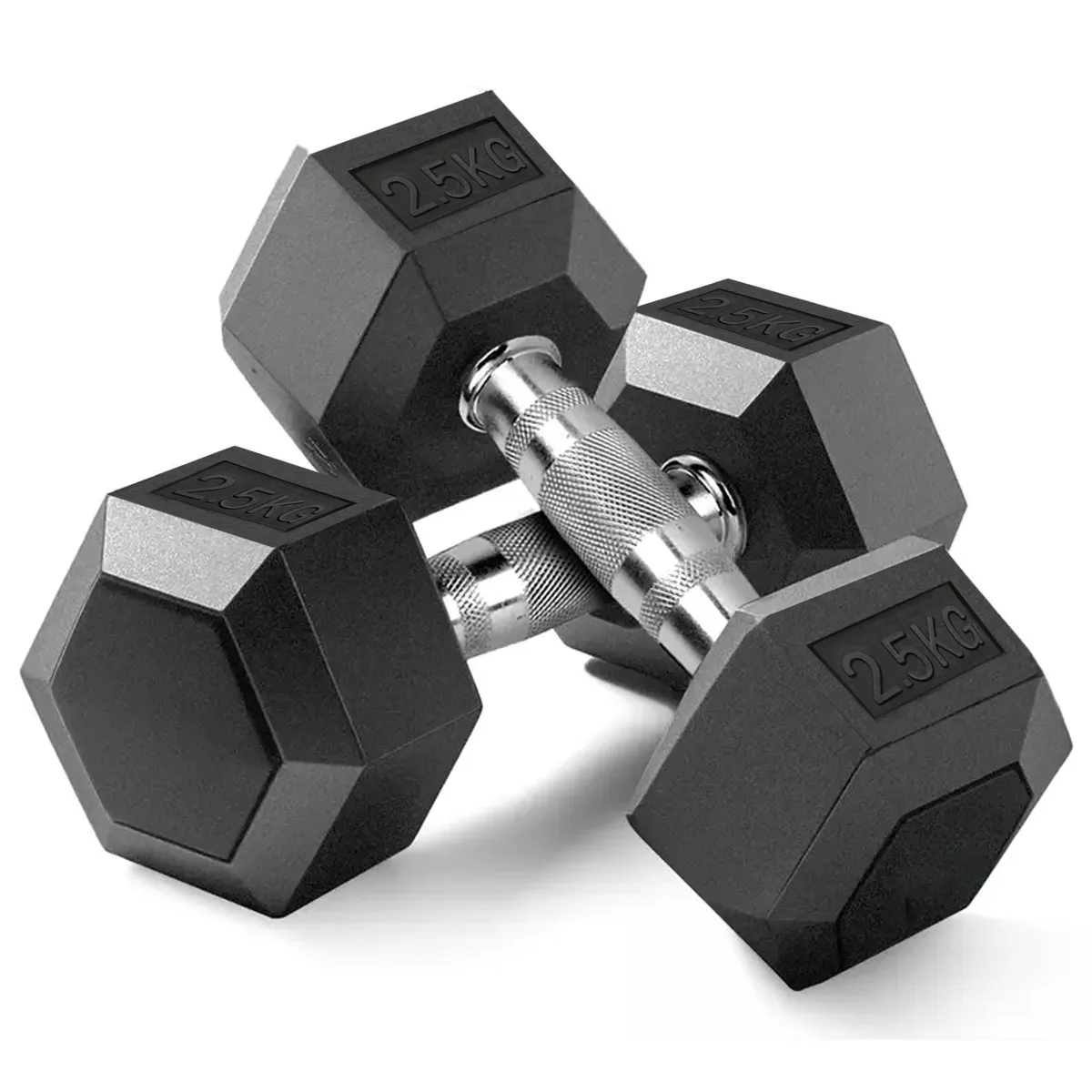
Image source: Bing (Web (fair-use with source credit))
Hex Dumbbells: What They Are and How They Work
Hex dumbbells are a type of free weight characterized by their distinctive hexagonal ends and, typically, a straight handle. These dumbbells come in fixed weights, meaning each one is manufactured to a specific poundage, unlike adjustable dumbbells that allow you to change the weight plates. This fixed nature offers a straightforward, reliable experience for users who know the exact weights they need for their routines.
The Defining Hexagonal Shape
The most obvious feature of a hex dumbbell is its hexagonal ends. These are not just for aesthetics; they serve a critical functional purpose. The flat sides of the hexagon mean the dumbbell will not roll when placed on a flat surface.
This is a significant advantage over round-faced dumbbells, which can roll away unpredictably, posing a tripping hazard or potentially damaging surrounding equipment or floors.
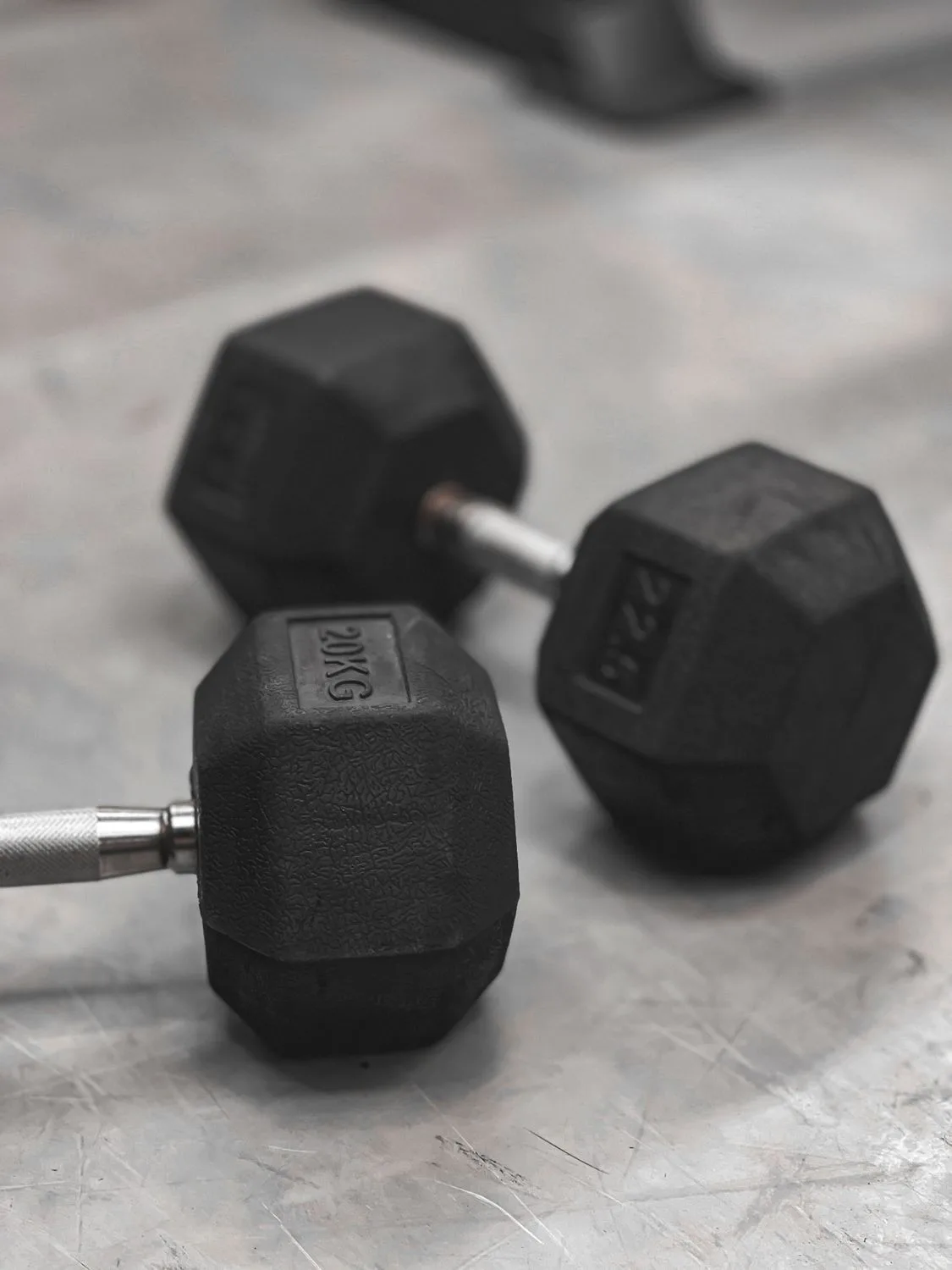
Image source: Bing (Web (fair-use with source credit))
Fixed Weight Design
Unlike adjustable dumbbells, where you can add or remove plates to change the resistance, hex dumbbells are manufactured at a single, set weight. This means you'll typically buy them in pairs or as a set of various weights. For example, you might purchase 5 lb, 10 lb, 20 lb, and 30 lb pairs.
This fixed-weight design simplifies selection during a workout, there's no need to spend time adjusting plates. It also means each dumbbell is precisely balanced and built for its specific weight. Manufacturer specifications indicate these are built for durability and consistent performance.
The Real Benefits of Hex Dumbbells for Strength Training
When you're looking to maximize your strength training sessions, the equipment you use plays a vital role. Hex dumbbells offer several advantages that can enhance your workouts, making them a staple in gyms worldwide and a popular choice for home setups. Their design directly addresses common frustrations and safety concerns, leading to more productive and secure training.
Preventing the Roll: Stability and Safety
One of the most significant benefits of hex dumbbells is their inherent stability. The hexagonal ends prevent them from rolling when set down on the floor, a bench, or a rack. This is a major safety feature.
In a workout setting, especially with free weights, unexpected rolling can lead to trips, falls, or damage to equipment or flooring.
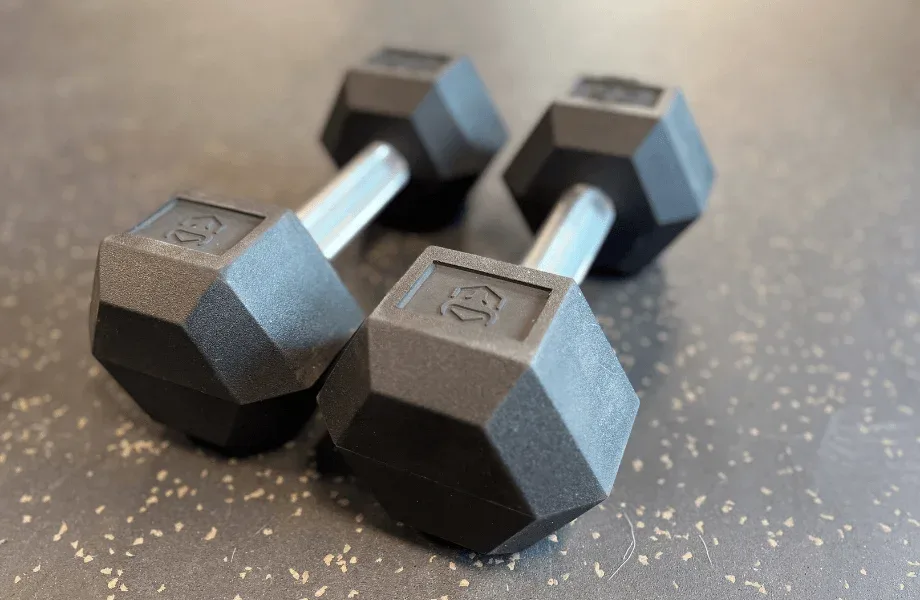
Image source: Bing (Web (fair-use with source credit))
This stability is particularly useful during exercises where you frequently transition between lifting and resting, like in circuit training or when performing supersets. You can confidently place them beside you on the floor without worrying they’ll roll away mid-set or while you catch your breath. Aggregate user reviews consistently praise this feature for improving workout flow and reducing minor hazards.
Floor Protection and Durability
Many hex dumbbells are coated in rubber or a durable, dense polymer. This coating serves a dual purpose: it protects your floors from impact and scratches when the weights are dropped or set down, and it also protects the dumbbells themselves from damage. This is especially important for home gyms where flooring might be more sensitive.
The rubber coating also typically provides a better grip on the ends, further reducing the chance of slippage. Manufacturer specifications often detail the type of coating and its resistance to wear and tear, indicating they are built for longevity in demanding training environments. This durability means they can withstand frequent use without significant degradation.
Versatility in Your Workout Routine
Hex dumbbells are incredibly versatile tools for strength training. Their fixed weight and ergonomic handle make them suitable for a vast array of exercises targeting nearly every muscle group. From basic bicep curls, overhead presses, and lunges to more compound movements like dumbbell squats, deadlifts, and rows, they provide the resistance needed for progressive overload.
Their shape also makes them ideal for certain exercises. For instance, when doing dumbbell push-ups, you can grip the handles for a more comfortable and stable base, and the hexagonal ends keep you from rolling. This versatility means you can achieve a full-body workout using just a few pairs of hex dumbbells, making them an efficient choice for any fitness program.
When to Choose Hex Dumbbells Over Other Weights
Deciding on the right type of dumbbells for your training can feel overwhelming, but hex dumbbells stand out for specific situations and user types. Their unique design and features make them a preferred option in many workout environments, particularly when compared to round dumbbells or even adjustable ones in certain scenarios. Understanding their best-fit applications helps you make an informed choice for your fitness journey.
Ideal for Home Gyms and Dedicated Spaces
For individuals setting up a home gym, hex dumbbells are an excellent foundation. Their fixed weight means you know exactly what you're working with, and their non-rolling design is crucial for safety in a less controlled environment than a commercial gym. If you have a designated space where you can store them, even a small area, you can build a versatile weight set without the worry of equipment rolling around.
If you're curious about how much space different types of workout equipment might require, understanding the footprint of a hex dumbbell set is helpful. Compared to a complex adjustable dumbbell system that might need more room for its cradle, hex dumbbells can often be stored neatly in a rack or even stacked responsibly, maximizing your available workout space. This makes them practical for apartments or smaller home gym setups.
For instance, per How Much Space Does an Exercise Bike Need, careful space planning is key for any home gym setup.
Perfect for Beginner to Intermediate Lifters
Hex dumbbells are particularly well-suited for those who are new to weight training or are at an intermediate level. Their fixed weight removes the complexity of selecting weight plates, allowing beginners to focus on learning proper form and technique without distraction. As you progress, you can simply add heavier pairs of hex dumbbells to your collection to continue challenging yourself.
The stability they offer also contributes to a safer learning experience. Not having to constantly worry about dumbbells rolling away provides a mental ease that allows beginners to concentrate fully on the movement. This can accelerate the learning curve and build confidence faster.
For advanced lifters, having a full set of fixed hex dumbbells offers immediate access to precise weights for specific training protocols, eliminating the need for adjustments mid-workout. This is similar to how Is an Exercise Bike Good for Beginners focuses on ease of use for newcomers.
Supporting Specific Exercise Types
Certain training styles and specific exercises benefit greatly from the use of hex dumbbells. Their non-rolling design is a clear advantage for exercises where dumbbells are frequently set down. This includes:
- Circuit Training: Moving quickly between exercises with minimal rest requires a stable weight that won't roll away during transitions.
- Supersets: Similar to circuits, supersets involve performing two exercises back-to-back. Hex dumbbells make setting down one weight and picking up another more secure.
- Dumbbell Push-Ups: Gripping the handles of hex dumbbells can provide a more comfortable and stable base for push-ups, while the hexagonal ends prevent the dumbbells from rolling under your hands.
- Floor Exercises: Any exercise performed on the floor where the dumbbells are momentarily placed down will benefit from their inherent stability.
This makes them a practical choice for CrossFit-style workouts, high-intensity interval training (HIIT), and general functional fitness routines that often incorporate these elements. If you're curious about the broader applications of fitness equipment, understanding What Muscles Does an Exercise Bike Work can highlight how different tools target specific goals.
Are Hex Dumbbells the Right Choice? Pros and Cons Breakdown
Choosing the right dumbbells involves weighing their advantages against their limitations. Hex dumbbells offer a compelling package for many users, but they aren't always the perfect fit for everyone or every situation. Understanding their pros and cons helps you determine if they align with your training style, goals, and available resources.
Pros of Hex Dumbbells
- Enhanced Safety and Stability: The hexagonal shape prevents rolling, reducing trip hazards and protecting floors. This is a significant advantage for users working out at home or in facilities where floor integrity is a concern.
- Durability and Floor Protection: Most hex dumbbells feature rubber or dense polymer coatings that safeguard both the weights and your flooring from damage during use or accidental drops.
- Versatile for Many Exercises: They support a wide range of strength training movements, from isolation exercises like curls to compound lifts such as squats and deadlifts.
- Predictable and Fixed Weight: Each dumbbell has a set weight, simplifying workout selection and ensuring consistency without the need for adjustments mid-session. This is beneficial for structured training programs.
- Space Efficiency for Storage: While a full set can take up space, they are generally easier to store neatly in racks or stacks compared to some adjustable systems.
Cons of Hex Dumbbells
- Fixed Weight Limitation: You need to purchase multiple pairs to have a range of weights, which can become costly and require significant storage space for a comprehensive set.
- Less Compact Than Adjustable Options: While they store well, a full set of hex dumbbells occupies more physical space than a single adjustable dumbbell set.
- No Micro-Weight Increments: Progression often involves jumping to the next available weight increment (e.g., from 20 lbs to 25 lbs), which may be too large a jump for some individuals seeking very small increases in resistance.
- Can Be More Expensive Per Weight Than Barbells: While cost-effective for a few pairs, building a full range of hex dumbbells can sometimes be more expensive per pound than investing in a barbell and weight plates.
Common Mistakes When Using Hex Dumbbells
Even with straightforward equipment like hex dumbbells, users can make mistakes that hinder their progress or even lead to injury. Avoiding these common errors is key to getting the most out of your training and ensuring a safe, effective workout. Understanding these pitfalls helps you train smarter and more effectively.
Selecting the Wrong Weight
One of the most frequent mistakes is choosing a weight that is either too heavy or too light for the intended exercise and rep range.
- Too Heavy: If you can't maintain proper form for the prescribed number of repetitions, the weight is too heavy. This can lead to compensatory movements, reduced muscle activation, and an increased risk of injury. In our research, focusing on controlled form for 8-12 repetitions is often cited as ideal for hypertrophy.
- Too Light: If you can easily perform more than 15-20 repetitions with perfect form, the weight is likely too light to stimulate muscle growth effectively. While endurance can be a goal, for strength and hypertrophy, progressively increasing the resistance is crucial. This is akin to how Is an Exercise Bike Good for Weight Loss emphasizes sustained effort over minimal resistance for optimal results.
Ignoring Proper Form
This is a universal mistake in weight training, but it's worth repeating. Focusing solely on lifting heavy weights without maintaining correct form defeats the purpose of the exercise. For hex dumbbells, this means ensuring controlled movements, proper posture, and full range of motion.
- Swinging: Using momentum from your hips and back to lift the weight, rather than engaging the target muscles, is a common error. This reduces the effectiveness of the exercise and increases injury risk.
- Incomplete Range of Motion: Not fully extending or contracting the muscles can limit the stimulus and hinder progress. For example, not fully straightening your arm during a bicep curl or not going deep enough in a lunge.
- Poor Posture: Allowing your back to round, shoulders to slump, or core to lose tension during exercises like rows, presses, or squats can lead to strain and injury. Maintaining a stable core and neutral spine is paramount. This is a fundamental principle, much like how How to Use an Exercise Bike Correctly stresses posture for efficiency and safety.
Hex Dumbbells vs. Round Dumbbells vs. Adjustable Dumbbells
When building your home gym or selecting weights for a commercial facility, you'll encounter a few main types of dumbbells. Hex dumbbells are a strong contender, but it's helpful to see how they stack up against their primary alternatives: round dumbbells and adjustable dumbbells. Each type serves different needs and comes with its own set of pros and cons, impacting your workout experience, safety, and storage.
Round dumbbells are straightforward: they have circular heads. While they are effective for lifting, their main drawback is their tendency to roll. This makes them less safe if you need to set them down frequently, and they can be a nuisance to store neatly.
Manufacturer specifications often show they require more space to prevent rolling compared to hex versions.
Adjustable dumbbells, on the other hand, offer a wide range of weights in a single unit. This is fantastic for saving space and for progressive overload, as you can make very small weight increases. However, they often require more time to adjust between sets, can be bulkier, and some designs have a cradle that takes up significant floor space.
You also need to ensure the locking mechanisms are secure, as a loose plate could be dangerous. For a consistent, immediate-weight experience, fixed hex dumbbells often win.
Expert Tips for Maximizing Your Hex Dumbbell Workouts
To truly leverage the benefits of hex dumbbells, consider a few expert insights. These tips focus on maximizing your training efficiency, safety, and the longevity of your equipment. Even simple adjustments or considerations can make a significant difference in your overall fitness journey and the return on your investment in this versatile equipment.
Firstly, think about progressive overload. Since hex dumbbells come in fixed weights, plan your progression thoughtfully. Instead of jumping too quickly to the next heaviest pair, consider incorporating higher rep ranges or slower tempo lifting with your current weights to continue challenging your muscles.
When you’re ready for a heavier weight, ensure you have a clear plan for acquiring the next increment, whether it's adding a single pair or investing in a more extensive set. This approach ensures consistent progress without unnecessary expense or storage issues.
Secondly, proper storage and maintenance are key. While hex dumbbells are durable, keeping them organized prevents accidental damage and keeps your workout space tidy. Use a dumbbell rack designed for hex weights if possible, or store them neatly in designated areas.
Regularly wipe them down to remove sweat and chalk, preserving the handle's grip and the coating's integrity. This simple upkeep ensures your weights remain functional and safe for years to come. If you're looking into broader fitness equipment, understanding How to Maintain an Exercise Bike can offer insights into general equipment care.
Frequently Asked Questions About Hex Dumbbells
What's the heaviest hex dumbbell weight typically available?
Manufacturer specifications vary, but heavier hex dumbbells can range significantly. You can commonly find pairs up to 100 lbs or even more in commercial-grade sets. However, weights above 50-75 lbs become very large and expensive, often leading advanced athletes to consider barbells for their heaviest lifts.
Can hex dumbbells be used for cardio?
While hex dumbbells are primarily for resistance training, they can be incorporated into certain cardio-focused routines. Exercises like dumbbell thrusters, kettlebell swings (using lighter dumbbells), or dumbbell burpees can elevate your heart rate. However, they are not typically the main tool for traditional cardiovascular exercise, which is better served by equipment like treadmills or exercise bikes.
If you're exploring cardio options, understanding What Is the Difference Between an Exercise Bike and a Treadmill can help.
How should I store my hex dumbbells?
Proper storage is essential for safety and equipment longevity. Ideally, use a dedicated hex dumbbell rack designed to hold them securely. If a rack isn't an option, store them neatly on the floor in pairs, ensuring the hexagonal sides are positioned so they don't roll.
Keep them away from high-traffic areas to prevent tripping hazards.

One Comment