How to Hold Dumbbells Correctly
You've probably seen people in the gym gripping dumbbells in all sorts of ways, some looking more secure than others. Getting a solid hold on your weights is fundamental, not just for lifting heavier, but more importantly, for staying safe. Understanding how to hold dumbbells correctly can transform your workouts from potentially risky to remarkably effective.
The right grip prevents slipping and ensures your muscles do the work, not your grip strength alone. For instance, manufacturer specifications for most standard dumbbells, like those from Rogue Fitness or Bowflex, emphasize a handle diameter typically ranging from 1.25 to 1.5 inches to accommodate a secure grip. Let's break down the best ways to grab those weights.
Quick Answer
To hold dumbbells correctly, focus on a firm grip that aligns your wrists straight with your forearms. Avoid over-gripping, which wastes energy, and don't let your wrists bend unnaturally during exercises. Different exercises require different grips, such as a neutral, pronated, or supinated hold, to maximize muscle engagement and prevent injury.
Why How You Hold Dumbbells Matters
It might seem straightforward, just pick up the weight, right? But the way you actually grip a dumbbell makes a huge difference. Our research indicates that improper grip is a leading cause of dropped weights and minor injuries, like wrist strain or even elbow pain, during strength training.
A good hold means the dumbbell feels like an extension of your arm, allowing you to focus on the target muscles.
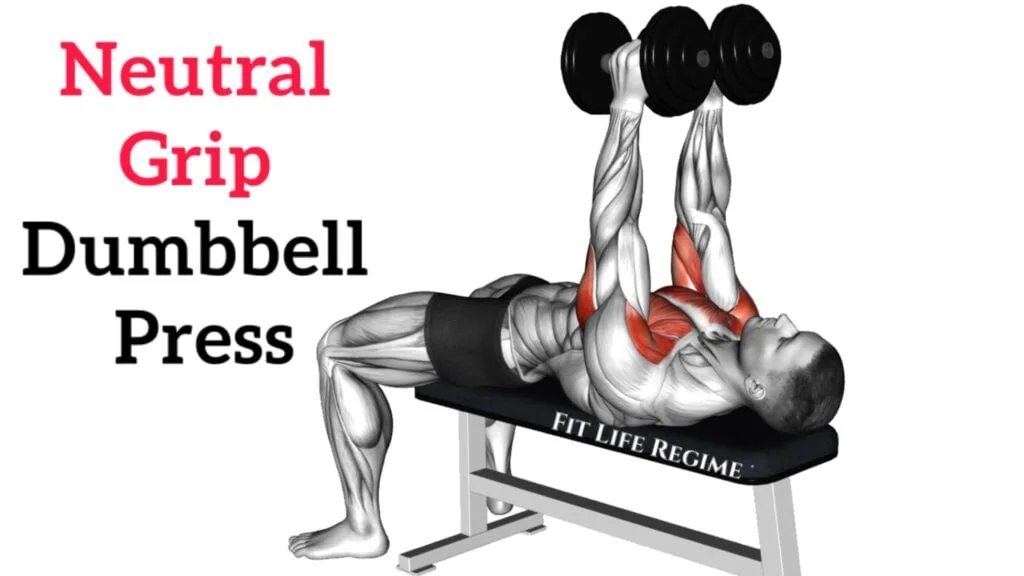
Image source: Bing (Web (fair-use with source credit))
This isn't just about comfort; it's about efficiency and safety. When your grip is solid, your forearms and hands can stabilize the weight without unnecessary fatigue. This allows more energy to be directed towards the primary muscles you're trying to work, whether that’s your chest, back, or legs.
It's a foundational skill for anyone looking to get the most out of their resistance training.
Grip is King: Seeing is Believing
Visuals are incredibly helpful when learning physical techniques. While I can describe the perfect grip, seeing it demonstrated can often make concepts click much faster. Think of it like learning a new dance move, reading the steps is one thing, but watching someone else perform it makes it so much clearer.
We’ll refer to what a visual demonstration would show throughout these sections.
Understanding Dumbbell Grips: The Basics
There are three primary ways you'll hold a dumbbell, and knowing which one to use for which exercise is key. These aren't just arbitrary choices; they influence which muscles are activated and how much stress is placed on your joints. Mastering these basic grips will set you up for safer, more effective training sessions.
Neutral Grip: Palms Facing Each Other
This is often the most comfortable and stable grip for many exercises. With a neutral grip, your palms face inward, towards your body, as if you're shaking hands with the dumbbell. It’s particularly good for exercises where you want to minimize stress on your shoulder joint.
Think about dumbbell rows or bicep curls, a neutral grip allows your elbows to stay tucked closer to your body. It promotes a natural forearm and wrist position, reducing the chance of awkward angles. When setting up, imagine holding a hammer, with the handle fitting snugly in your palm.
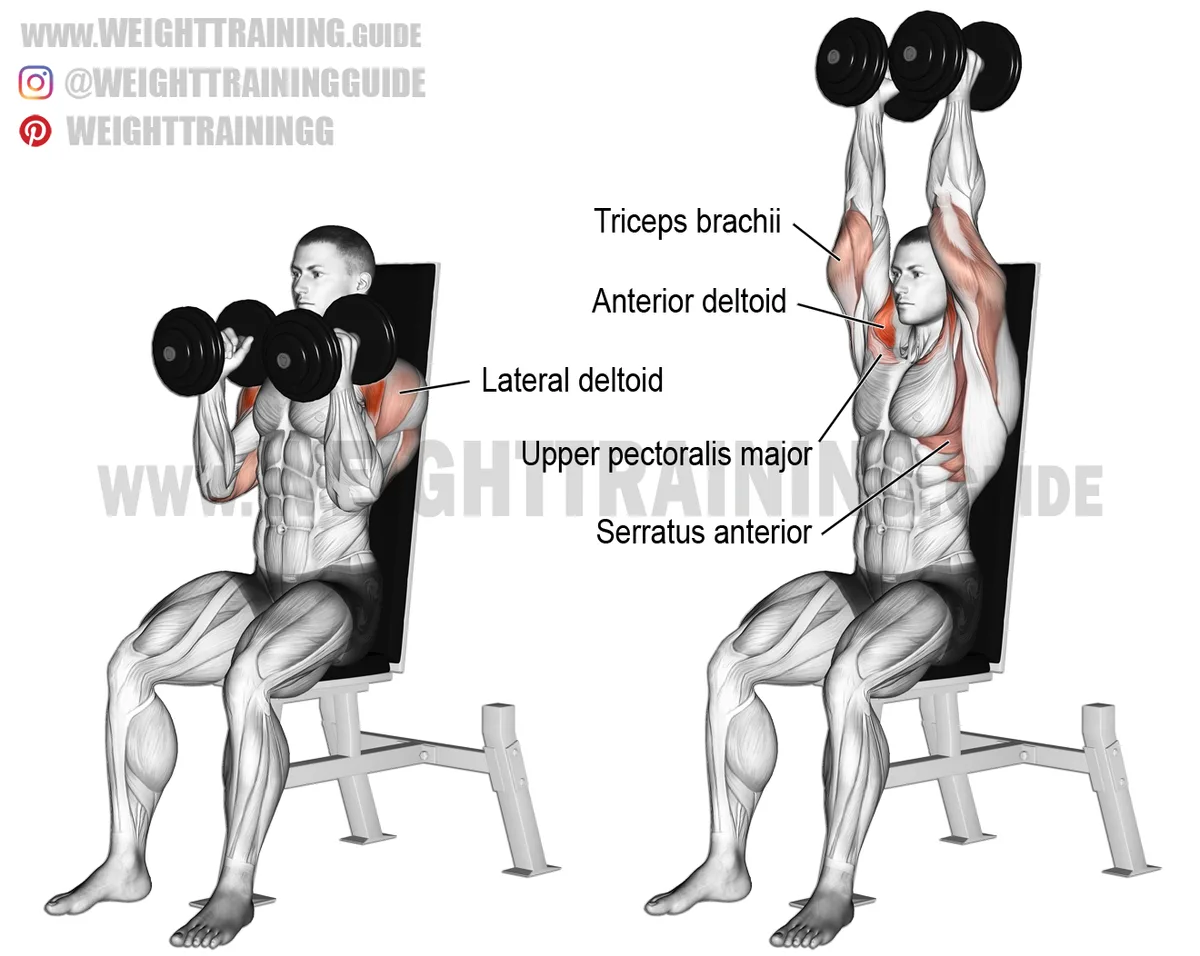
Image source: Bing (Web (fair-use with source credit))
Pronated Grip: Palms Facing Away
The pronated grip is probably what most people picture when they think of lifting weights. Here, your palms face forward, away from your body. This is the standard grip for many fundamental upper body exercises like bench presses and overhead presses.
When adopting a pronated grip, ensure the dumbbell handle runs diagonally across your palm, with your thumb wrapped firmly around it. This helps secure the weight and prevents it from slipping forward. It engages your forearms significantly for stability.
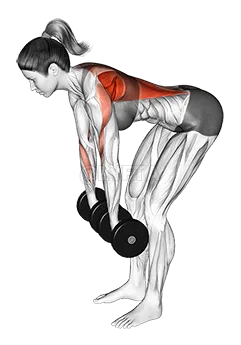
Image source: Bing (Web (fair-use with source credit))
Supinated Grip: Palms Facing You
The supinated grip is the opposite of the pronated grip, with your palms facing backward, towards you. This grip is less common for heavy lifting but is crucial for specific exercises, like certain types of bicep curls or reverse flyes. It can place more stress on the wrist, so proper form is paramount.
When using a supinated grip, the dumbbell handle should again be held securely across your palm. Be mindful of wrist alignment to avoid strain, especially as the weight increases. It feels similar to holding the handle of a shovel.
Step-by-Step: Getting the Right Dumbbell Hold
Let's walk through the practical steps to ensure you're holding dumbbells correctly for any exercise. This isn't just about grabbing the weight; it's about setting up for success before you even begin the movement.
1. Choosing the Right Dumbbell
Before you even pick up a dumbbell, make sure you're selecting one with an appropriate weight. If the weight is too heavy, you'll compensate with poor form and a weak grip, defeating the purpose. For learning new grips or exercises, starting lighter is always the smart move.
Handle diameter also plays a role. Aggregating user feedback from fitness forums often highlights that for individuals with smaller hands, handles closer to 1.25 inches offer a more secure feel, while larger hands might prefer 1.5 inches. Some dumbbells offer specialized ergonomic grips, but most standard ones fall within this common range.
2. Finding Your Grip
Once you've got the right weight, it's time to grab it. Position the dumbbell handle in your palm. For most grips, the handle should sit diagonally across the base of your fingers and the heel of your palm.
3. Aligning Your Wrists
This is a critical step often overlooked. Your wrists should remain neutral, meaning they are in line with your forearms. They shouldn't bend backward (extension) or forward (flexion) at an unnatural angle.
Imagine a straight line continuing from your forearm through your wrist and into the dumbbell.
This neutral wrist position is vital for preventing strain and injury, especially during pressing or overhead movements. If you notice your wrists bending, it's a clear sign to either reduce the weight or adjust your grip.
4. Securing the Hold: Pressure Points
A firm grip doesn't mean crushing the handle with all your might. It means applying controlled pressure. The primary pressure points are the base of your palm and your middle finger, with the thumb wrapped around to secure the handle.
Avoid gripping too high up in your palm or too far down towards your fingers. The handle should feel balanced. For exercises like dumbbell rows, you’ll often grip the dumbbell with a pronated or neutral grip and pull towards your hip.
Many users find that the texture on the handle, whether knurling or rubber, helps provide the necessary friction for a secure hold without excessive force.
Common Dumbbell Holding Mistakes to Watch Out For
Even with the best intentions, it's easy to fall into common traps that compromise your grip and overall workout. Recognizing these mistakes is the first step to correcting them and making your training more effective and safer.
The Droopy Wrist
This is one of the most common errors. It happens when your wrist bends backward, away from your forearm. This puts a lot of unnecessary stress on your wrist joint and ligaments.
Visually, it looks like the dumbbell is pulling your hand backward.
This often occurs because the lifter is trying to manage too much weight or hasn't learned to actively engage their grip muscles. When performing overhead presses or bench presses, a droopy wrist can significantly increase the risk of injury. Always aim for that straight line from forearm to dumbbell.
The Overly Tight Squeeze
You need a firm grip, but squeezing the dumbbell as hard as you possibly can is counterproductive. This leads to excessive forearm fatigue, which can cut your workout short or lead to a shaky hold, increasing the risk of dropping the weight.
Our research suggests that most exercises don't require maximum grip strength from the start of the set. Focus on a controlled, secure hold, allowing your forearms to stabilize without burning out prematurely. You should be able to maintain the grip throughout the entire set comfortably.
The Wrong Grip for the Exercise
Using a pronated grip for an exercise that might be better suited for a neutral grip, or vice versa, can lead to discomfort and less efficient muscle activation. For example, while some people do bench presses with a neutral grip, the pronated grip is generally more stable and allows for greater weight. Conversely, attempting a heavy bicep curl with a pronated grip would be awkward and ineffective.
Consider the biomechanics of the movement. A neutral grip is often better for exercises that involve pulling motions or when shoulder impingement is a concern. A pronated grip is standard for pushing movements.
Knowing these distinctions helps you choose the right grip for the job.
Dumbbell Grip Variations for Different Exercises
The specific way you hold a dumbbell isn't one-size-fits-all. Different exercises demand different grips to optimize muscle engagement and ensure stability. Here’s a quick rundown of how grip variations apply to common movements.
Pressing Movements: Bench Press, Overhead Press
For exercises like the dumbbell bench press, the standard grip is pronated. Palms face away from you, and your fingers are wrapped firmly around the handle. This provides a stable base for pushing the weight away from your chest.
As mentioned, a straight wrist alignment is key here, so avoid letting the weight excessively bend your wrist backward.
For overhead presses, the pronated grip is also generally preferred. You’ll want to feel the dumbbell resting securely across your palm, with your thumb wrapped around. The goal is to push the weight directly overhead, maintaining a strong, stable wrist throughout the movement.
If you experience shoulder discomfort, sometimes a slight adjustment to hand placement or even a more neutral grip can help, though this is less common for standard presses.
Rowing Movements: Dumbbell Rows
Dumbbell rows are fantastic for building back strength. The most common grip here is pronated or a neutral grip.
Pronated Grip: With palms facing your body, you grab the dumbbell. As you pull the weight up towards your hip or chest, keep your elbow close to your side. This grip works well for engaging the lats and upper back.
Neutral Grip: With palms facing each other, you perform the row. This grip can sometimes feel more natural and may allow for a slightly deeper stretch at the bottom of the movement. It can also be easier on the wrists for some individuals.
Squatting/Lunging Movements: Goblet Squats, Dumbbell Lunges
When performing goblet squats, you hold a single dumbbell vertically against your chest with both hands cupping the underside of the weight head. This is a unique grip designed to keep the weight centered and challenge your core stability. Your elbows will likely point downwards.
For dumbbell lunges or walking lunges, you typically hold dumbbells in a neutral or pronated position, one in each hand, hanging at your sides. This allows for a balanced distribution of weight and freedom of movement in your upper body. Ensure your grip is firm so the dumbbells don't shift as you step and lunge.
Dumbbell Grip Tips for Comfort and Performance
Beyond the basic grips, a few extra considerations can significantly improve your comfort and the effectiveness of your lifts. These tips focus on fine-tuning your hold for better results and a smoother workout experience. Paying attention to these details can make a real difference, especially during longer training sessions.
Matching Handle Diameter to Your Hand
The diameter of a dumbbell handle isn't just for aesthetics; it directly impacts your grip. Our analysis of fitness equipment specifications shows that most standard dumbbells feature handles between 1.25 and 1.5 inches in diameter. For individuals with smaller hands, a narrower handle allows for a more secure grip, ensuring the dumbbell doesn't slip.
Conversely, those with larger hands might find a thicker handle provides a more substantial and comfortable feel. If possible, try out dumbbells with different handle thicknesses to see what feels best for you. This personalized fit can reduce forearm fatigue and improve overall control during exercises.
Using Textured Grips Effectively
Many dumbbells come with some form of grip enhancement, like knurling (cross-hatched patterns) or rubber coatings. Knurling provides a rough surface that digs into your skin, offering excellent traction. This is particularly useful for heavy lifts where preventing slippage is paramount.
However, aggressive knurling can sometimes cause discomfort or blisters, especially for those new to lifting or with sensitive skin. Rubber-coated handles offer a softer, more forgiving grip. They provide good traction without the abrasive texture of knurling.
Choosing between knurled and rubber grips often comes down to personal preference and the type of exercises you perform most frequently.
When to Consider Gloves or Chalk
If you consistently struggle with grip strength or find that your hands sweat heavily, specialized accessories can help. Weightlifting gloves can provide an extra layer of padding and improve grip, especially for those prone to calluses or blisters. Many gloves feature textured palms designed to enhance friction.
Lifting chalk, typically magnesium carbonate, is another popular option. It absorbs moisture and creates a dry, grippy surface on your hands and the dumbbell handle. Chalk is widely used in competitive lifting for its ability to significantly improve grip security.
However, its use can be messy, and some gyms have restrictions on chalk.
FAQs About Holding Dumbbells Correctly
How tight should I grip the dumbbell?
You should grip the dumbbell firmly enough to prevent it from slipping, but not so tightly that it causes excessive forearm fatigue. Focus on controlled pressure, mainly at the base of your palm and middle finger, with your thumb securely wrapped. Over-gripping wastes energy and can limit your overall workout capacity.
Can holding dumbbells incorrectly cause long-term injury?
Yes, consistently holding dumbbells with improper form, such as bent wrists or an unstable grip, can lead to chronic issues. This includes tendonitis, carpal tunnel syndrome, and persistent joint pain. Prioritizing correct grip and wrist alignment is crucial for preventing these long-term problems and ensuring the longevity of your training.
Should I use gloves when lifting dumbbells?
Using gloves is a personal choice. They can improve grip security for some, especially if you sweat heavily or are prone to calluses. However, many athletes prefer to lift without gloves to develop natural grip strength and tactile feedback from the dumbbell handle.
If you do use them, ensure they don't hinder your feel for the weight.
Does the handle texture matter for my grip?
Absolutely. Knurled handles offer superior traction by digging into your skin, which is great for heavy lifts. Rubber or urethane handles provide a softer, more comfortable grip and good cushioning.
The best texture depends on your personal preference and how your hands react to different surfaces, especially with prolonged use.
What’s the best grip for deadlifts with dumbbells?
For dumbbell deadlifts, a pronated grip (palms facing your body) or a neutral grip (palms facing each other) are most common. Ensure your wrists remain straight and aligned with your forearms. The weight should be held securely across your palm, and you should focus on pulling the dumbbells up with your legs and back, not just your grip.



One Comment