What Muscles Do Dumbbells Work
Dumbbells are incredibly versatile tools for building strength and toning muscles, but understanding exactly what they work can be tricky. Many people grab weights with the goal of getting stronger or looking better, yet might not know which specific muscle groups their chosen exercises are targeting. As of 2026, the demand for effective home fitness solutions remains high, making it crucial to know how to use fundamental equipment like dumbbells to its full potential.
Our research confirms that a well-rounded dumbbell routine can engage nearly every major muscle group in the body. From hitting the shoulders with presses to strengthening the legs with squats, dumbbells offer a comprehensive approach to fitness. This guide breaks down exactly what muscles you're working, demystifying the process so you can train smarter.
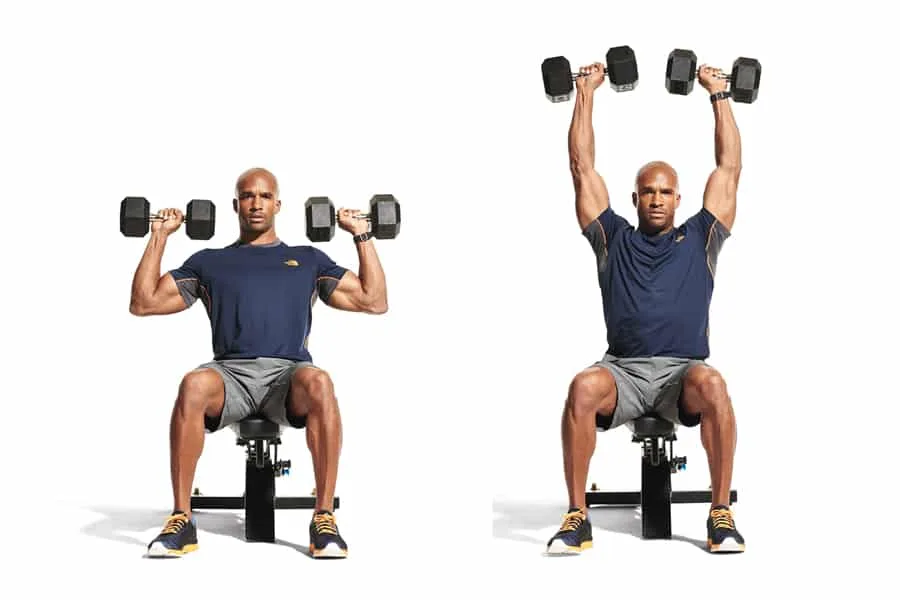
Image source: Bing (Web (fair-use with source credit))
Quick Answer
Dumbbells work a wide array of muscles across the entire body. They are excellent for engaging the shoulders (deltoids), arms (biceps and triceps), chest (pectorals), back (lats, rhomboids, traps), legs (quadriceps, hamstrings, glutes, calves), and core. The specific muscles worked depend entirely on the exercise performed.
Why Visuals Matter for Dumbbell Workouts
Understanding what muscles do dumbbells work is significantly enhanced with visual aids. While text can describe movements, seeing them performed correctly is key to actual engagement. Visuals help illustrate the proper form, range of motion, and muscle contraction that are often difficult to convey solely through words.
How Dumbbells Target Specific Muscles
Dumbbell exercises work muscles by providing resistance. When you lift, lower, or move a dumbbell, your muscles contract to overcome that weight. The angle of the movement, the direction of force, and the specific exercise chosen dictate which muscle group or groups are primarily activated.
For instance, lifting a dumbbell straight up targets different muscles than lifting it out to the side.
Identifying Muscle Engagement: Visual Cues
Visual cues are essential for confirming you're hitting the right muscles. This includes noticing the muscle bulge or tension during the exercise, feeling a "burn" in the target area, and observing how your body aligns. Diagrams often highlight the primary and secondary muscles involved in common dumbbell lifts.
For example, a visual would show the anterior, lateral, and posterior heads of the deltoid being engaged during different shoulder raises.
Dumbbell Muscles: Upper Body Breakdown
Dumbbells are fantastic for isolating and developing strength in your upper body. You can target specific muscles with various movements, allowing for a balanced and well-defined physique.
Shoulders (Deltoids): Presses, Raises, and Flyes
Your shoulder muscles, or deltoids, are composed of three main parts: the anterior (front), lateral (side), and posterior (rear) deltoids. Dumbbells allow for a natural range of motion that effectively targets each of these.
- Overhead Press (or Shoulder Press): This compound movement is excellent for building overall shoulder mass, primarily hitting the anterior and lateral deltoids. When performed standing, it also engages your core for stability.
- Lateral Raises: To isolate the lateral deltoids and create shoulder width, lateral raises are your go-to. You lift the dumbbells out to your sides until your arms are parallel to the floor, maintaining a slight bend in the elbow.
- Front Raises: These focus on the anterior deltoids. You'll lift one or both dumbbells straight forward at shoulder height.
- Rear Delt Flyes: Crucial for shoulder health and posture, rear delt flyes target the posterior deltoids. This often involves bending forward at the hips and lifting the dumbbells away from your body.
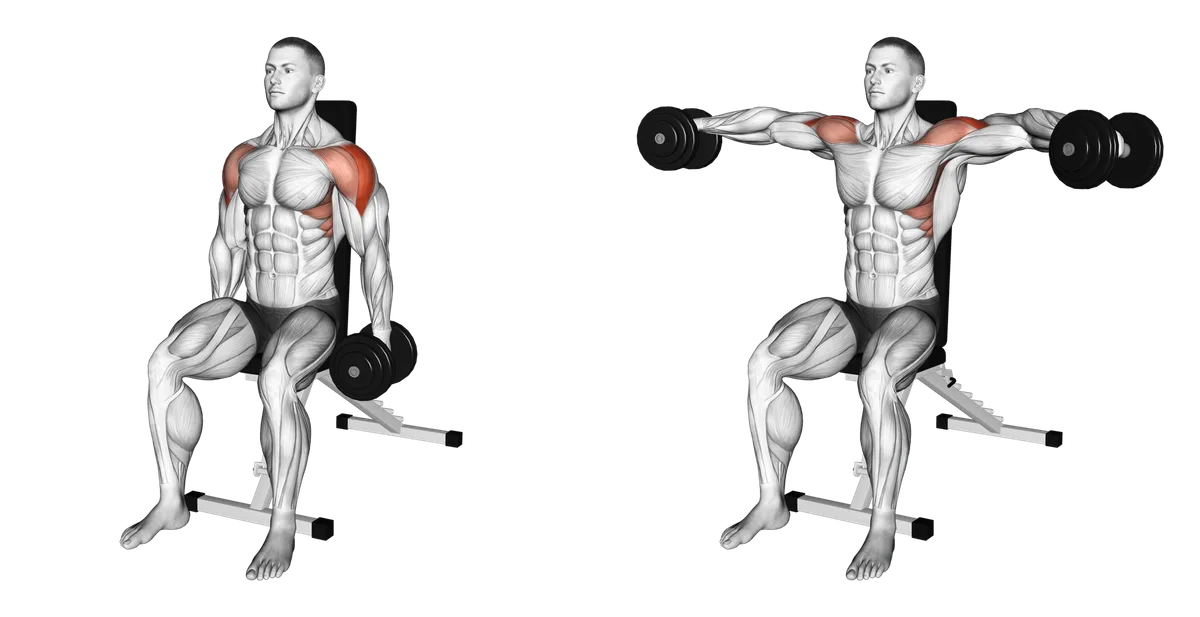
Image source: Bing (Web (fair-use with source credit))
Arms (Biceps & Triceps): Curls, Extensions, and Kickbacks
Your biceps (front of the upper arm) and triceps (back of the upper arm) are classic targets for dumbbell training.
- Biceps: The bicep curl is the most common exercise here. You can perform it standing or seated, with palms facing forward. Variations like hammer curls (palms facing each other) engage the brachialis and brachioradialis muscles more, contributing to overall arm thickness.
- Triceps: To work the triceps, exercises like overhead dumbbell extensions (holding a dumbbell overhead and lowering it behind your head) or triceps kickbacks (bending at the waist and extending the arm backward) are highly effective. These movements ensure a strong contraction of the triceps, essential for arm definition.
Chest (Pectorals): Presses and Flyes
Dumbbells offer a great way to train your chest muscles, known as pectorals. They allow for a deeper stretch and a more natural movement path compared to barbells for some individuals.
- Dumbbell Bench Press: Performed on a flat, incline, or decline bench, this exercise works the major pectoral muscles. The dumbbells allow each arm to move independently, helping to address potential strength imbalances.
- Dumbbell Flyes: With a similar setup to the bench press, flyes involve an arcing motion where you lower the dumbbells out to your sides and then bring them back together over your chest. This movement emphasizes the stretch and squeeze of the pectoral fibers.
Back (Lats, Rhomboids, Traps): Rows and Pullovers
A strong back is vital for posture and overall functional strength, and dumbbells are effective tools for building it.
- Dumbbell Rows: These are a cornerstone for back development. Bent-over rows, either with two dumbbells or one at a time (supported by a bench or knee), effectively work the latissimus dorsi (lats), rhomboids, and traps. The motion involves pulling the dumbbell towards your torso, squeezing your shoulder blades together at the top.
- Dumbbell Pullovers: Lying on a bench, this exercise targets the lats and chest. You extend one or two dumbbells overhead and then pull them back over your chest in an arcing motion, feeling a stretch across your back and chest.
Dumbbell Muscles: Lower Body and Core
While often associated with upper body work, dumbbells are incredibly potent for building strength and muscle in your legs and core. Their versatility means you can hit major lower-body muscle groups and significantly challenge your midsection.
Legs (Quads, Hamstrings, Glutes, Calves): Squats, Lunges, and RDLs
Dumbbells can be incorporated into a wide variety of lower-body exercises, providing resistance to build powerful legs and glutes.
- Squats: Holding dumbbells at your sides or racked at your shoulders while performing squats effectively adds resistance. This targets your quadriceps, hamstrings, and gluteal muscles. Goblet squats, where you hold a single dumbbell at chest level, are another great variation.
- Lunges: Both stationary and walking lunges are excellent for single-leg strength and balance, working your quads, hamstrings, and glutes. Holding dumbbells in each hand amplifies the challenge.
- Romanian Deadlifts (RDLs): These are fantastic for targeting the hamstrings and glutes. With a slight bend in the knees, you hinge at your hips, lowering the dumbbells down your shins while keeping your back straight.
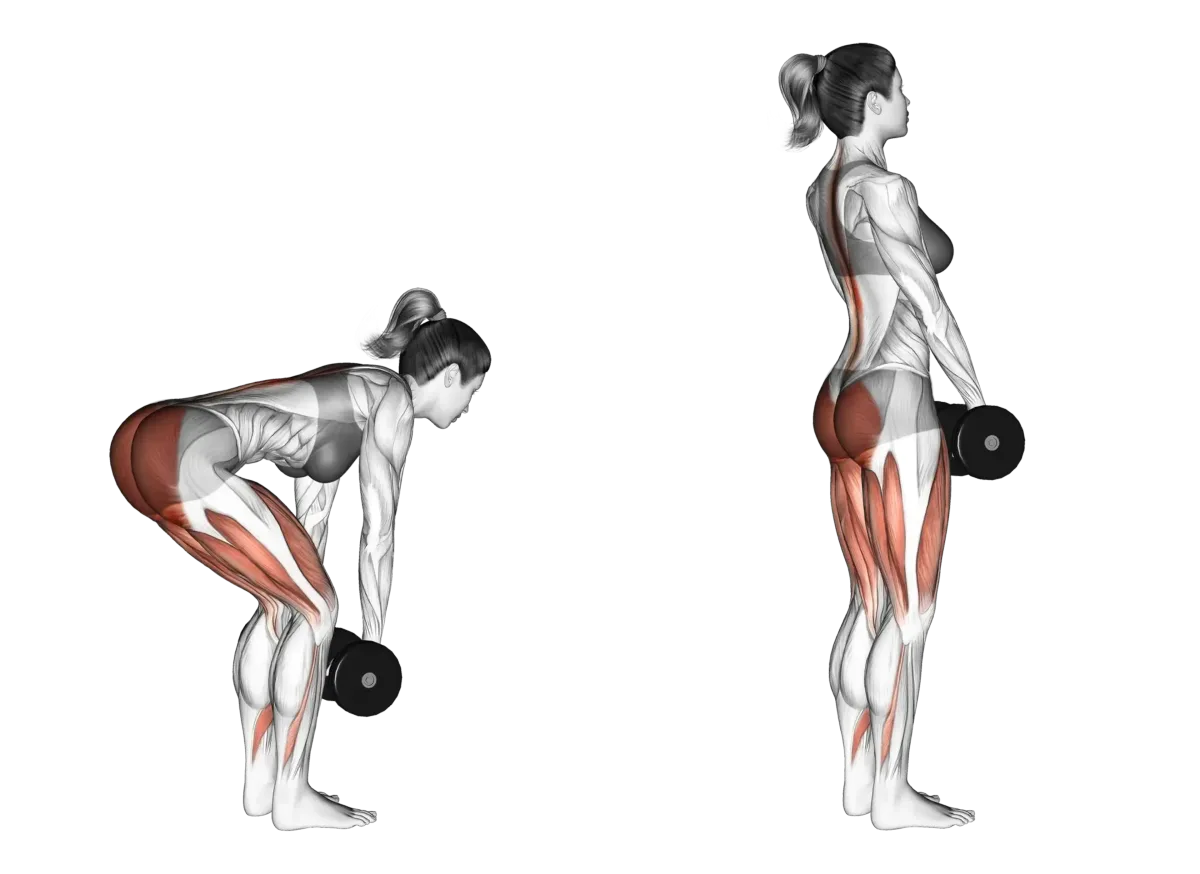
Image source: Bing (Web (fair-use with source credit))
- Calf Raises: Standing with dumbbells, you can perform calf raises by pushing up onto the balls of your feet to work your gastrocnemius and soleus muscles.
Core Engagement: Stability and Strength
Your core muscles, including your abdominals and obliques, are constantly engaged during many dumbbell exercises, especially those requiring balance and stability. Holding dumbbells during compound movements like squats and presses forces your core to work harder to keep your body upright and stable.
- Dumbbell Side Bends: Holding a dumbbell in one hand, you bend to the side to engage your oblique muscles.
- Wood Chops: These rotational movements, performed with a dumbbell, effectively target the obliques and other core stabilizers.
Common Dumbbell Workout Mistakes to Sidestep
Even with simple tools like dumbbells, common errors can hinder progress or lead to injury. Being aware of these pitfalls can help you train more effectively and safely.
Form Flaws That Miss Muscles or Cause Injury
The most frequent mistake is using poor form. This can mean not getting a full range of motion, which means you're not fully engaging the target muscle, or, more dangerously, putting undue stress on joints and connective tissues. For example, a common error in dumbbell rows is using momentum to swing the weight up rather than pulling with the back muscles, which reduces effectiveness and risks a strained lower back.
For shoulder presses, flaring the elbows too wide can put strain on the shoulder joint.
Choosing the Wrong Weight: Too Light, Too Heavy
Selecting the correct dumbbell weight is crucial for progressive overload and effective training. If a weight is too light, you won't provide enough stimulus for muscle growth or strength gains. Conversely, if it's too heavy, your form will suffer, increasing the risk of injury and potentially leading to muscle imbalances if you compensate with other body parts.
Our research indicates that for muscle hypertrophy (growth), typically 3 sets of 8-12 repetitions with a weight that causes fatigue by the last rep is optimal.
Getting the Most From Your Dumbbell Workouts
To truly maximize the benefits of your dumbbell sessions, a strategic approach is key. It’s not just about picking up weights, but how you select exercises and how you challenge your muscles over time.
Exercise Selection and Variety
To ensure you work all the muscles comprehensively and avoid plateaus, variety in your exercise selection is important. For example, if you always do standard bicep curls, consider incorporating hammer curls or concentration curls. This variety not only stimulates muscles in slightly different ways but also helps prevent boredom.
For those looking at different equipment, understanding what is the difference between an exercise bike and a treadmill can highlight how varied equipment targets different muscle groups and fitness goals.
Progressive Overload for Continued Gains
Muscle growth and strength development occur when your muscles are challenged beyond their current capacity. This principle is known as progressive overload. With dumbbells, you can achieve this in several ways.
This might involve increasing the weight you lift, performing more repetitions with the same weight, doing more sets, reducing rest times between sets, or improving your form for a more effective contraction. Consistently applying progressive overload is fundamental for long-term progress. Many fitness enthusiasts find that incorporating different training modalities helps them stay on track; for instance, understanding how to use an exercise bike correctly can add a valuable cardio component to a strength-focused routine.
Dumbbell Workouts: Who Are They For?
Dumbbells are incredibly adaptable and beneficial for a wide range of individuals. Beginners can start with lighter weights to learn proper form and build a foundation. As fitness levels increase, heavier weights can be incorporated for more significant muscle-building and strength gains.
Athletes across various sports use dumbbells to enhance sport-specific strength and power. Those aiming for general fitness, weight loss, or improved body composition will also find them highly effective. Even individuals with limited space can effectively train at home, as dumbbells are relatively compact compared to larger gym equipment.
Understanding how much space does an exercise bike need can provide context for home equipment choices, but dumbbells generally require far less dedicated space.
Frequently Asked Questions About Dumbbell Muscle Engagement
Which dumbbell exercises work the chest the most?
Dumbbell bench presses (flat, incline, and decline) and dumbbell flyes are primary chest exercises. They work the pectoral major muscles, with variations targeting different areas like the upper or lower chest.
Can dumbbells effectively build arm muscles?
Yes, dumbbells are excellent for arm development. Bicep curls and hammer curls target the biceps, while overhead extensions and kickbacks work the triceps, leading to increased size and definition.
What dumbbell exercises are best for lower back strength?
Dumbbell rows and bent-over rows are excellent for strengthening the upper and mid-back muscles. For the lower back specifically, exercises like stiff-legged deadlifts and RDLs, when performed with strict form, engage the erector spinae muscles.
Do dumbbells help with core strength?
Absolutely. While not direct core exercises, many dumbbell movements like squats, lunges, and presses require significant core engagement for stability. Exercises like dumbbell side bends and wood chops directly target the obliques.
How can I use dumbbells to work my entire body?
You can create a full-body workout by selecting exercises that target major muscle groups in one session: e.g., dumbbell squats (legs), dumbbell rows (back), dumbbell bench press (chest), dumbbell shoulder press (shoulders), and bicep curls (arms).