How to Train for Outdoor Running on a Treadmill
It's a frustrating feeling: you crushed every treadmill workout, then hit the pavement and felt like a different runner. Learning how to train for outdoor running on a treadmill takes more than just logging miles indoors. You need to adjust for missing wind resistance, different joint loading, and a total change in pacing.
Research comparing treadmill and overground gait shows that treadmills alter your natural stride mechanics, particularly cadence and vertical oscillation. Per the American College of Sports Medicine, setting a 1% incline on the treadmill better mimics flat outdoor running. That single adjustment can transform your training.
Let's break it down.
Image source: Bing (Web (fair-use with source credit))
Why Treadmill Fitness Doesn't Automatically Equal Outdoor Fitness
If you've ever wondered why your treadmill speed feels so easy, you're not alone. Run 6 mph on a treadmill and it might feel like a light jog. Take that same pace outside and you're gasping within minutes.
The machine is doing you no favors.
First, there's no wind resistance indoors. Outdoors, you push against air constantly. That's a real energy cost.
Second, the treadmill belt pulls your feet backward. This assists your stride and makes each step easier. On the road, your legs do all the work themselves.
Third, the surface is perfectly flat and cushioned. That sounds nice, but it doesn't teach your feet to handle uneven pavement, hills, or cambered roads. Your stabilizer muscles stay asleep.
Then they wake up on race day and scream.
Fourth, most treadmills never decline. They go up and flat, but rarely down. That means your quads and shins never learn to control a downhill braking step.
The effort is monotone too. No surges, no turns, no weather changes. Your body adapts to that boring rhythm, not to the chaotic reality of outdoor running.
So what's the takeaway? Treadmill fitness is real fitness. It just doesn't fully prepare your body, or your brain, for the demands of the road.
Treadmill vs. Road Running: What Actually Changes
Your running form changes more than you'd think between the two surfaces. On a treadmill, your body tends to stay more upright with a shorter stride. The belt's movement encourages a quicker foot turnover, but it also reduces how much your hamstrings have to contract to pull your leg forward.
On the road, you naturally reach out a bit farther and your heel strikes more often.
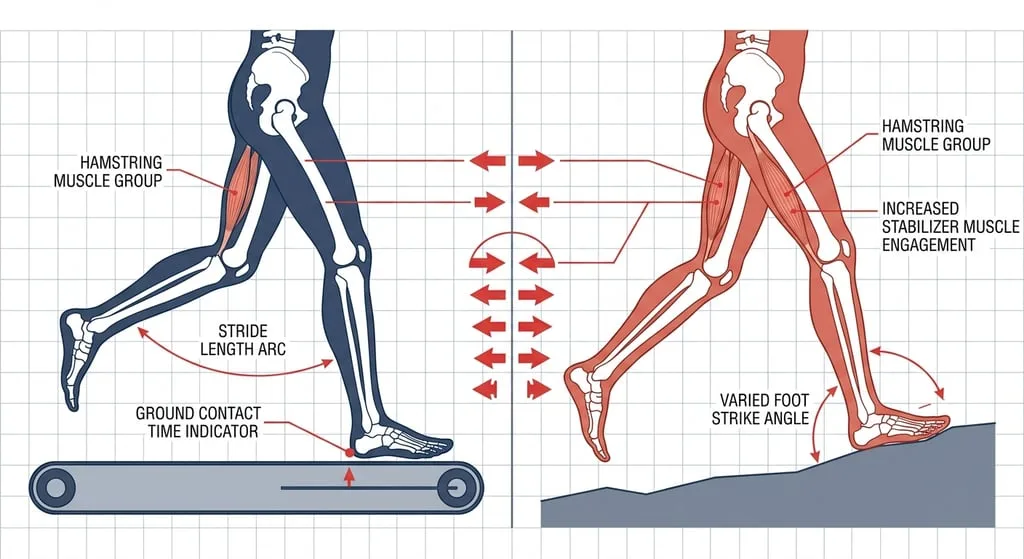
Image source: Bing (Web (fair-use with source credit))
That sounds small, but it changes where you feel the work. Road running hits your calves, achilles, and quadriceps harder, especially on any downhill. Treadmill running tends to feel easier in those muscles because the belt assists with ground clearance.
Also, your ankles lose some of their spring because there's no uneven terrain to react to.
Now here's the big one: pacing. Most treadmill runners set a speed and hold it. Your brain learns that pace from the machine.
Outside, you have to judge effort without a digital readout. That's a skill on its own. Beginners often overestimate their outdoor pace and crash in the first two miles.
Aggregate reviews from coaching sources suggest that for a same-effort run, your outdoor pace is usually 10 to 20 seconds per mile slower than your treadmill pace. That's a huge gap, and it's why so many runners feel "slow" after transitioning.
How to Build an Outdoor-Ready Treadmill Training Plan
Building a plan that transfers well is about structure, not just total miles. Start with the 1% incline rule. Set the treadmill to a 1% grade for all flat running.
This compensates for the missing wind resistance, per the American College of Sports Medicine. Do this from day one.
Next, break your treadmill sessions into three building blocks:
- Easy runs at a conversational pace (60-70% max HR). Keep these steady and longer.
- Tempo runs at a "comfortably hard" effort (80-85%). These train your lactate threshold.
- Intervals like 400m or 800m repeats at your goal race pace or faster. Use the treadmill's precision to hit exact splits.
Also, schedule hill repeats. For a hilly outdoor race, set the incline to 4-6% and run 60 to 90 seconds hard, then recover flat. Repeat this 6 to 8 times.
One sample week for a beginner-to-intermediate runner could look like this:
| Day | Session | Total Time |
|---|---|---|
| Mon | Easy run at 1% incline | 30 min |
| Tue | Speed intervals (400m reps) | 25 min |
| Wed | Rest or light cross-training | – |
| Thu | Tempo run at threshold | 30 min |
| Fri | Easy run | 30 min |
| Sat | Long run with incline blocks | 45-60 min |
| Sun | Rest or recovery walk | – |
Keep your cadence around 170 to 180 steps per minute. That's your natural rhythm on the road. Use a metronome app if you need help.
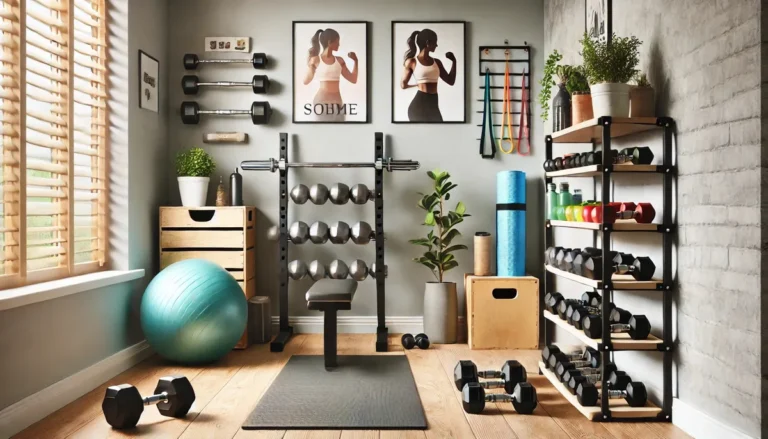
Don't forget strength work. Your glutes and hamstrings drive outdoor running. Add dumbbell squats or lunges twice a week.
It's the same principle that makes elliptical training effective for cross-training: your muscles need variety to stay resilient.
The 2 to 4 Week Transition From Treadmill to Pavement
The transition block is where most training plans fall apart. Jumping straight from 100% treadmill running to race day is a recipe for injury. Your connective tissue needs time to adapt to harder, less predictable surfaces.

Image source: Bing (Web (fair-use with source credit))
The safest approach is a gradual swap. Here's a simple progression:
- Week 1: Replace one treadmill session per week with an outdoor run. Keep it easy and short (20-30 minutes).
- Week 2: Replace a second session. Now you're at two outdoor runs and three treadmill runs.
- Week 3: Move your long run outdoors. Keep the treadmill for intervals and tempo work.
- Week 4: Try to do 75% of your running outdoors, if weather allows.
Watch your effort, not your pace. Use a heart rate monitor or just the talk test. If you're huffing and puffing at the same pace you held indoors, that's normal.
Back off, don't push through it.
Downhills are the biggest shock. Find a gentle slope and practice short downhill strides. Land softly, keep your feet under your center of mass, and let your quads take the load.
Ten minutes of this does more than an hour of flat running.
It's also the time to adjust your race-day target. If you trained for a 9-minute mile pace on the treadmill, expect closer to 9:15 or 9:30 outdoors, especially on hilly courses. Plan your race pace accordingly, and you won't blow up early.
The Physical Activity Guidelines for Americans recommend consistent aerobic activity as your foundation, which you've already built.
Common Mistakes, Warning Signs, and When to See a Pro
The most common mistake is thinking the treadmill pace is gospel. That's how runners start too fast and crash. Another is ditching hill training altogether.
You need those inclines to build strength.
Also, don't ignore the lack of downhills. If you never train on declines, descents will destroy your knees and shins. Incorporate a treadmill with a negative incline if you have one, or find an outdoor hill.
Warning signs to watch for:
- Sharp pain in the shins, especially early in a run
- Persistent achilles aches that get worse with each step
- A grinding feeling in the knee joint
- Pain that gets worse during the run, not better
When these show up, stop. Don't run through them. This is where a physical therapist or a running coach earns their fee.
They can check your gait, spot muscle imbalances, and give you targeted exercises. A little bit of early attention prevents a long injury layoff.
Also, review your weekly mileage increase. No more than 10% per week, and that includes the transition to outdoors. Many runners double their outdoor mileage too quickly and pay for it with IT band syndrome or plantar fasciitis.
Listen to your body. Your treadmill fitness might feel solid, but your tendons and ligaments are still catching up. Give them time, watch the warning signs, and you'll arrive at your race in one piece.
Expert Tips to Maximize Treadmill Value for Outdoor Goals
A few small tweaks will make your treadmill time count double. First, lock in your cadence. Set a metronome app to 175 steps per minute and match your footfall.
Most recreational runners land around 160 to 165, which is too slow and leads to overstriding outdoors.
Next, work your posterior chain. The treadmill's moving belt reduces how hard your hamstrings and glutes have to pull your leg through. That saves energy indoors, but makes those muscles underprepared for roads.
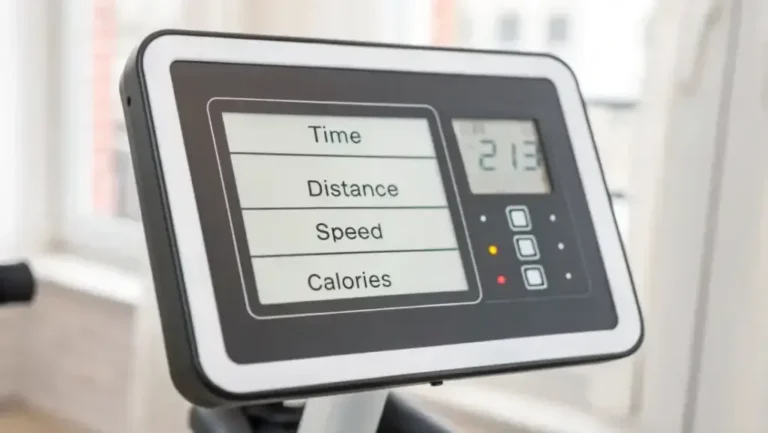
Add Romanian deadlifts and hip thrusts twice a week. Good dumbbell strength work will bulletproof your legs. As of 2026, most new treadmill consoles track cadence and heart-rate drift automatically, so use those metrics.
Use the treadmill's precision for structured speed sessions. It's tough to hit exact 400-meter splits on a windy road. But you can nail them easily indoors.
Just remember to apply that same discipline to pacing your outdoor tempos.
Finally, build mental toughness. On the treadmill, your mind knows the machine will keep the pace. Outside, you have to self-regulate.
Practice "breaking" your runs: hold a steady effort for 10 minutes, then surge 30 seconds, then settle back down. That rhythm mirrors real race conditions.
And if you want a low-impact complement on recovery days, an elliptical machine fits nicely alongside your running plan.
Frequently Asked Questions
Can you train 100% on a treadmill and still race well outdoors?
Yes, you can. Many runners prepare entirely indoors during harsh winters and still race well, but you must include incline work, a transition window, and realistic pace expectations. Train faithfully, then give your body those two to four weeks to adjust to pavement before race day.
What incline simulates outdoor running best?
A 1% incline is the standard recommendation for flat running, per the American College of Sports Medicine. That compensates for the wind resistance you miss indoors. For hill training, raise it to 4% to 6% and hold strong for 60 to 90 seconds.
Don't hold onto the handrails.
How long does it take to adjust from treadmill to road?
Most coaches suggest two to four weeks for a full, safe transition. Start by swapping one outdoor run in during week one, then two by week three. Your connective tissue adapts slower than your muscles feel, so patience prevents shin splits and achilles flares.
Is treadmill running easier than outdoor running?
Yes, generally. There's no wind resistance to fight, the belt assists with leg turnover, and the surface is perfectly flat and cushioned. Expect your honest outdoor pace to be 10 to 20 seconds slower per mile at the same effort level.
Plan for it and you won't be disappointed.
How do you handle downhills when you only have a treadmill?
Most treadmills don't have a negative incline, so get creative. If the gym has a declining treadmill, use a minus 2% to minus 3% setting for short downhill strides. Otherwise, do stair descents slowly during a separate workout.
Your quads need to learn eccentric braking.
Final Verdict: Does Treadmill Training Prepare You for the Road?
Yes, it absolutely can, but only if you train the way the road will test you. That means setting a 1% incline, adding real hill and downhill work, and following a structured plan rather than just running miles on autopilot. Follow the transition phase strictly, because the last weeks before race day matter more than the first weeks.
Also, keep a healthy dose of respect for the pace display. The number on the console is a starting point, not a guarantee about how you'll feel on asphalt. Expect your effort to feel harder outdoors at first.
That's normal, not a sign that your fitness is gone.
What you really build on the treadmill is robust aerobic capacity. Your heart and lungs get faster, stronger, and more durable. Then the transition period teaches your legs to match that engine.
Combine both with consistent strength training, and you'll line up on race day confident.
One last reminder: don't skip the long runs. A two-hour treadmill slog is brutal, but it builds the mental stamina that carries you through mile 20 of a marathon. Treat the treadmill as a tool, not a compromise.
If you train smart, it sets you up to run your best on real roads.