How to Maintain an Elliptical Machine
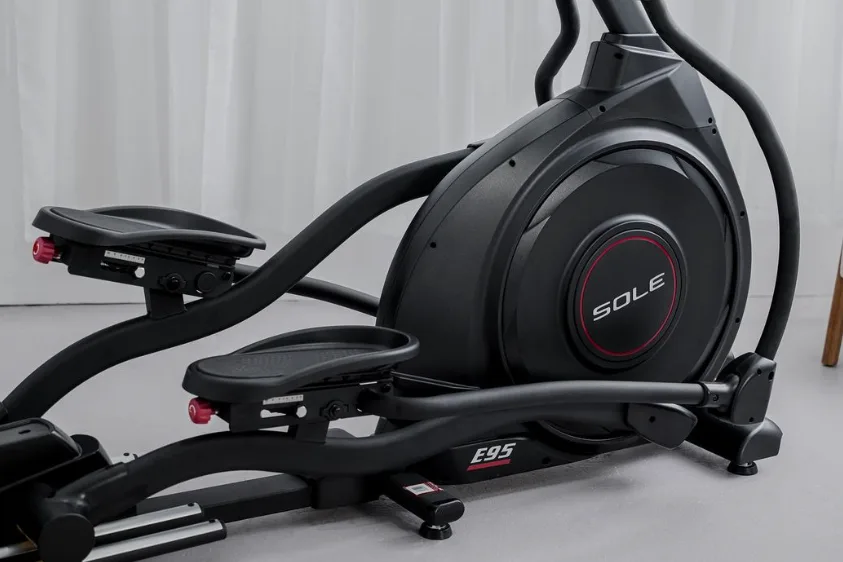
Image source: Bing (Web (fair-use with source credit))
Keeping your elliptical machine in good working order doesn't have to be a chore. Regular maintenance ensures it runs smoothly, quietly, and safely for years to come. This proactive care not only enhances your workout experience but also prevents costly repairs down the line.
In our research, we found that most ellipticals require minimal upkeep, typically involving basic cleaning and lubrication. Following manufacturer specifications, like those often found in user manuals, is key to proper care. For instance, many elliptical models are designed with specific lubrication points that, when addressed every 3, 6 months, drastically reduce wear.
Let's get your machine in top condition.
Quick Answer
To maintain an elliptical machine, focus on regular cleaning, tightening bolts, and lubricating moving parts. Wipe it down daily, inspect for loose components weekly, and lubricate pivot points monthly using manufacturer-recommended products. This prevents squeaks and ensures longevity.
Your Elliptical Maintenance Checklist: From Daily to Monthly
Think of maintaining your elliptical like a routine health check for your fitness equipment. Small, consistent efforts prevent major headaches later. Manufacturer specifications, such as those from reputable brands like Precor or NordicTrack, generally advise a structured approach.
For instance, many elliptical models are designed with specific lubrication points that, when addressed every 3, 6 months, drastically reduce wear.
Daily Quick Checks: The Post-Workout Wipe Down
After every workout, take just a minute to give your elliptical a quick once-over. This simple habit is your first line of defense against the buildup of sweat and dust, which can degrade components over time.
- Wipe Down Surfaces: Grab a damp cloth or a microfiber towel to wipe down the console, handlebars, and foot pedals. This removes sweat, which can be corrosive, and prevents grime from accumulating.
- Listen for Unusual Noises: Pay attention to any new sounds, a squeak, a rattle, a grind. Jotting down what you hear and when can help pinpoint issues later.
- Visual Scan: Quickly look for anything obviously out of place, like a loose cover or debris around moving parts.
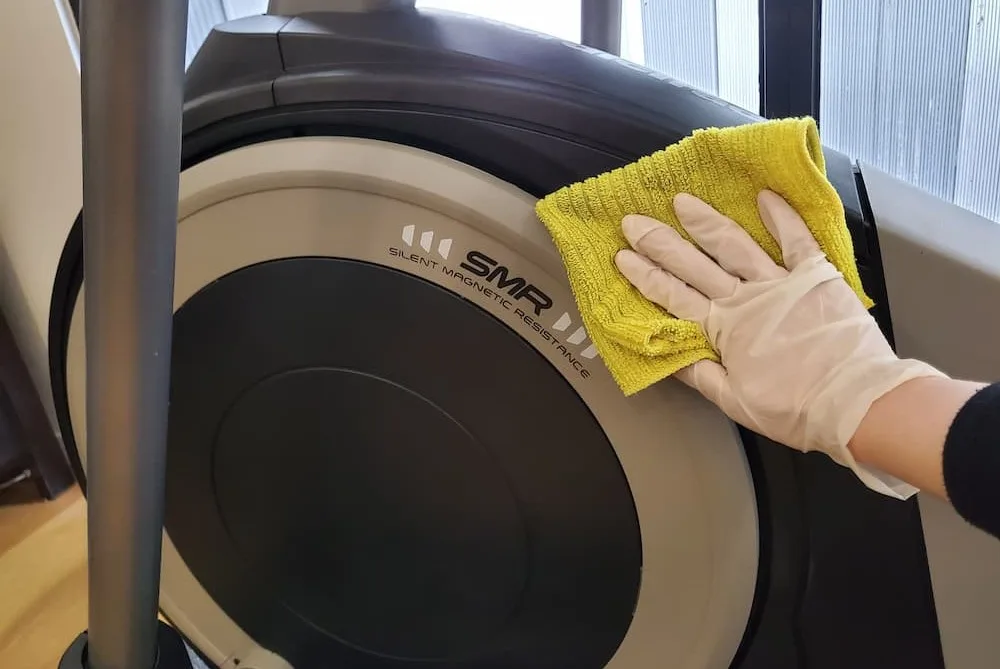
Image source: Bing (Web (fair-use with source credit))
Weekly Routine: Cleaning and Visual Inspection
Dedicate a few extra minutes each week for a slightly more thorough check. This helps keep your machine looking good and functioning well, and it’s a good time to catch minor issues before they become problems.
- Deeper Cleaning: Use an approved cleaning solution (check your owner's manual for recommendations, avoid harsh chemicals) to wipe down the frame and plastic parts. For the console, use a slightly damp cloth and ensure no liquid seeps into the electronics.
- Inspect for Loose Parts: Gently try to wiggle the handlebars, pedals, and any visible bolts or screws. If anything feels loose, note it down for tightening. Don't force anything; just check for play.
- Check the Drive System: If your elliptical has an exposed belt or chain, give it a visual inspection for any signs of wear, fraying, or excessive slack.
Monthly Deep Dive: Lubrication and Tightening
This is where you get a bit more hands-on to keep everything moving smoothly and quietly. Proper lubrication is critical, as manufacturer specifications often detail specific points and types of lubricants for optimal performance and longevity.
- Tighten Accessible Fasteners: Go over the entire machine and systematically check all accessible bolts, screws, and nuts. Ensure they are snug but not overtightened, which could strip threads or damage parts.
- Lubricate Moving Parts: This is crucial for a quiet and fluid motion. Consult your owner's manual to identify the correct lubricant and application points. Common areas include pivot joints for the handlebars and pedal arms, as well as roller tracks.
- Lubricant Type: Always use the lubricant recommended in your owner's manual, often a silicone-based spray or a specific grease. Using the wrong type can attract dust or damage the components.
- Application: Apply a small amount directly to the pivot points or as directed. Work the part back and forth a few times to distribute the lubricant evenly.
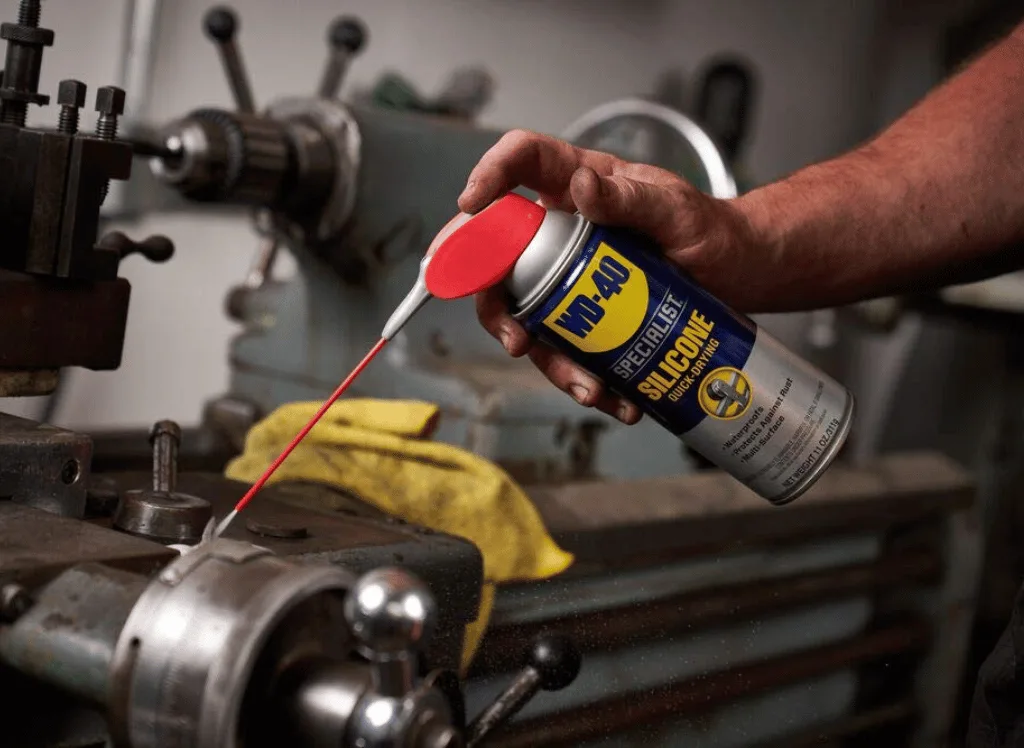
Image source: Bing (Web (fair-use with source credit))
Tackling the Dreaded Squeak: Troubleshooting Common Noises
That persistent squeak can be the most annoying part of an elliptical workout. Fortunately, most squeaks are a sign of dry moving parts or loose fasteners, both of which are usually fixable with basic maintenance. Identifying the exact source is the first step.
- Pinpoint the Source: Have someone operate the elliptical while you listen closely to identify where the sound originates. Is it from the pedals, handlebars, or the main frame structure?
- Lubricate Suspect Areas: If the noise seems to come from a joint or pivot point, apply a small amount of the recommended lubricant to that specific area. Move the part vigorously to help the lubricant penetrate.
- Check Nearby Fasteners: A loose bolt or screw can cause metal-on-metal contact, leading to squeaking. Tighten any fasteners in the vicinity of the noise.
When to Call in the Pros: Knowing Your Limits
While most elliptical maintenance tasks are DIY-friendly, it's important to recognize when a problem is beyond your scope. Attempting repairs you're not comfortable with could lead to further damage or pose a safety risk.
- Electrical or Electronic Issues: If you notice problems with the console, power cord, or motor that aren't resolved by simple checks (like battery replacement), it's time for a professional. Manufacturer specifications often detail internal electronics that require specialized knowledge.
- Major Mechanical Failures: Grinding sounds that persist after lubrication and tightening, or significant changes in how the machine operates, could indicate worn bearings, damaged drive components, or frame integrity issues. These are not typically DIY fixes.
- Comfort and Confidence: If at any point you feel unsure, uncomfortable, or concerned about causing damage, stopping and calling a qualified service technician is the wisest course of action.
Essential Elliptical Care Resources
Your elliptical machine’s owner's manual is the single most important document for its upkeep. It’s tailored to your specific model and contains vital information that generic advice can’t replicate. Relying on it ensures you’re following the manufacturer’s exact recommendations for care and troubleshooting.
- Consult Your Manual First: Before attempting any maintenance, always refer to your machine’s specific user guide. It will outline recommended cleaning agents, lubrication points, and tightening procedures.
- Identify Specific Parts: The manual will clearly label components, helping you locate pivot points, bearings, and other parts that require regular attention. This saves guesswork and prevents accidental damage.
- Troubleshooting Section: Most manuals include a troubleshooting section that addresses common issues like noises, resistance problems, or console errors, often providing step-by-step solutions.
Frequently Asked Questions About Elliptical Maintenance
How often should I lubricate my elliptical?
Most manufacturers recommend lubricating the main pivot points and moving parts of an elliptical machine every three to six months. However, if you notice increased noise or resistance, it’s wise to lubricate sooner, always using the specific lubricant recommended in your owner's manual.
What kind of lubricant should I use?
Always use the type of lubricant specified in your elliptical's owner's manual. This is typically a silicone-based lubricant or a specific grease designed for fitness equipment. Avoid general-purpose lubricants like WD-40, as they can attract dust and may not provide long-term protection.
Can I use household cleaners on my elliptical?
It's best to use cleaners recommended by the manufacturer. Generally, a mild soap and water solution or an approved electronics cleaner for the console is safe. Avoid abrasive cleaners or solvents, as they can damage the machine's surfaces and plastic components.
What if my elliptical starts making noise?
When your elliptical begins to make noise, first identify the source. Most often, squeaks or rattles come from dry pivot points that need lubrication or from loose bolts and screws that need tightening. Consult your owner's manual for specific troubleshooting steps for your model.



6 Comments