How Long Do Treadmill Motors Last
Looking up how long treadmill motors last? The honest answer is that most home treadmill motors last 7 to 12 years, but that number hides a huge range. A cheap motor might burn out after a few hundred hours, while a commercial-grade motor can run for over 10,000 hours with proper care.
Continuous horsepower (CHP) is the real spec to watch, not the inflated peak horsepower number. Our research indicates that a 2.5 CHP motor used for daily running often hits 3,000 to 5,000 motor hours before needing major service. That translates to roughly 5 to 8 years of regular use.
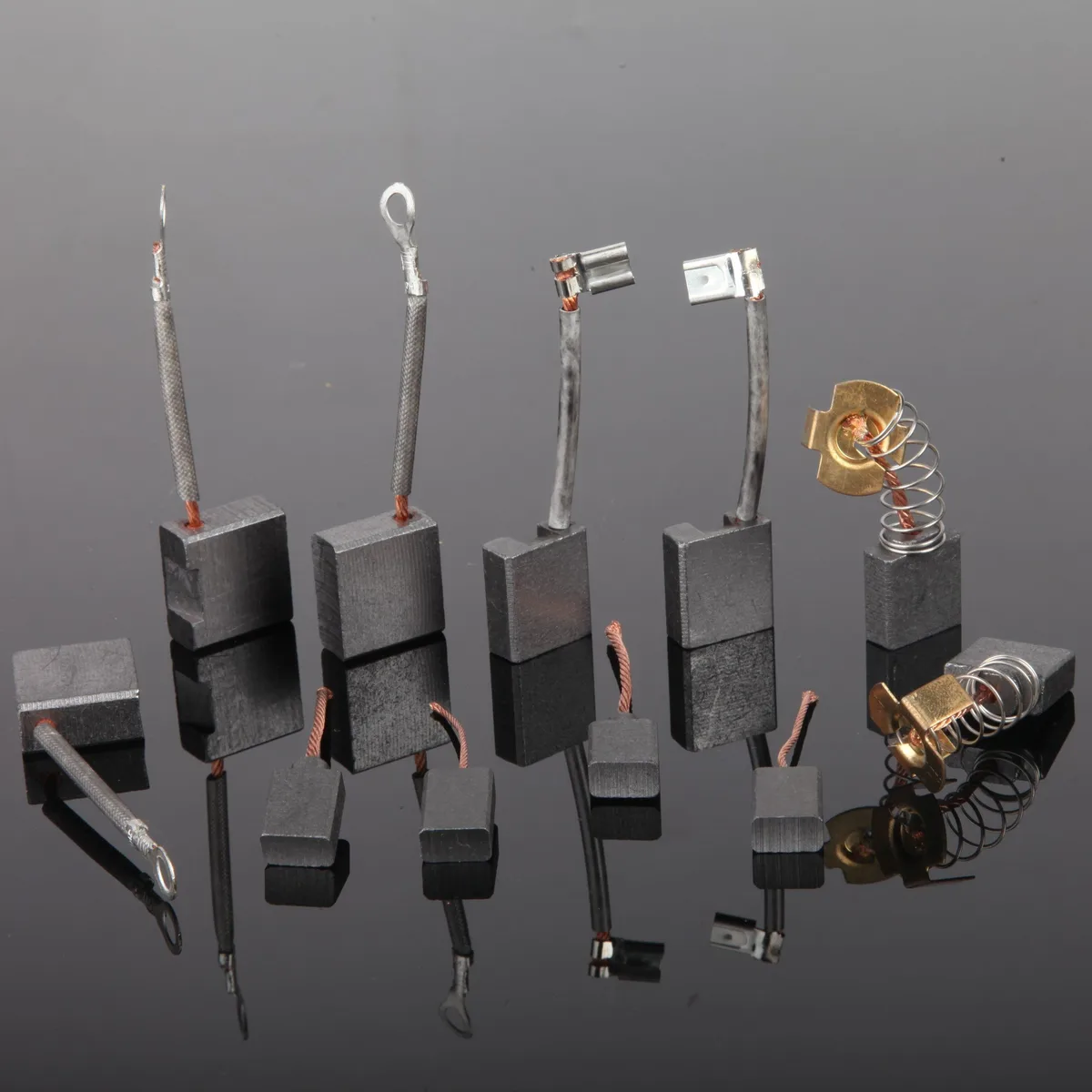
Image source: Bing (Web (fair-use with source credit))
Quick Answer
A quality treadmill motor lasts 2,000 to 5,000 motor hours. For most home users, that works out to 7 to 12 years. Budget motors die faster, often under 1,500 hours.
Commercial motors can exceed 10,000 hours. Check your motor hours in the console service menu for the real picture.
Why This Question Deserves Real Data, Not Just a Number
Asking "how long does it last?" without context is like asking how long a car engine lasts. The answer depends entirely on the build quality, how you use it, and how you maintain it. A single flat number isn't useful because the difference between a budget $500 treadmill and a commercial $5,000 model is enormous.
Manufacturer specifications indicate that home treadmill motors are often rated for 1,000 to 3,000 hours of actual runtime. Commercial motors from brands like Landice or True Fitness are engineered for much longer duty cycles. The real insight comes from understanding motor hours, which most modern treadmills can display through a service menu.
This single number tells you more about remaining life than the age of the machine ever could.
What Actually Determines Motor Lifespan: Motor Hours, CHP, and Motor Type
The motor itself is a system of parts, and its life depends on a few key components working together. First, understand the motor type. Most home treadmills use brushed DC motors, where carbon brushes eventually wear down.
Premium and commercial models often use brushless DC (BLDC) motors, which have fewer wear parts and run cooler.
Continuous horsepower is the honest measure of a motor's strength. It's the sustainable power output during a long workout, not a brief burst. A motor undersized for the user's weight or workout intensity will overheat, pulling excessive amperage and shortening its life.
Key Factors That Extend or Kill Motor Life
- Weight vs. Motor Rating: A 2.0 CHP motor is adequate for a 150-lb walker but will struggle and overheat if a 220-lb person runs on it daily.
- Duty Cycle: Running at high speeds for 60+ minutes without a cool-down strains the motor more than shorter, interval-based sessions.
- Maintenance: A dirty motor compartment and a dry, high-friction belt make the motor work much harder.
- Controller Health: Sometimes the motor controller board fails, not the motor itself. Symptoms like sudden speed changes or error codes point here.
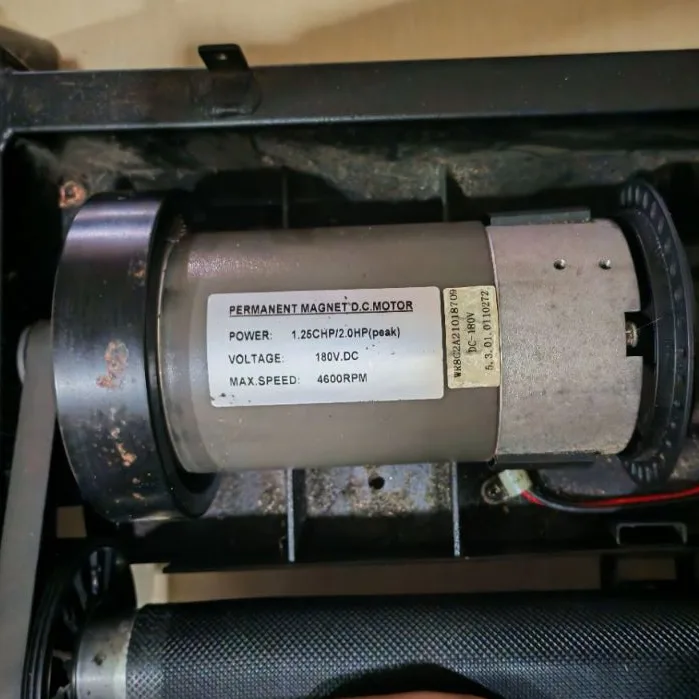
Image source: Bing (Web (fair-use with source credit))
Real-World Timelines: From Budget Home Treadmills to Commercial Workhorses
Aggregate user reviews and service data paint a clear picture across different use cases. Budget home treadmills with motors under 2.0 CHP often show signs of decline after just 500 to 1,000 hours. They're designed for light, occasional use by a single person within the weight limit.
Mid-range home treadmills, typically with 2.5 to 3.0 CHP motors, are where you see that common 7 to 12-year lifespan. They can handle regular running from average-weight users. Premium and light-commercial treadmills found in apartment gyms or hotel fitness centers often have motors built for 5,000 to 10,000 hours.
| Motor Class | Typical CHP | Expected Motor Hours | Real-World Years (Regular Use) |
|---|---|---|---|
| Budget / Light Use | 1.5 – 2.0 | 500 – 1,500 | 3 – 6 years |
| Mid-Range Home | 2.5 – 3.0 | 2,000 – 5,000 | 7 – 12 years |
| Commercial Duty | 3.5+ | 10,000+ | 15 – 20+ years |
Case Examples: Three Treadmills, Three Different Motor Lives
Real scenarios show why the single-number answer fails. Consider a family of four using a 2.5 CHP treadmill 5 times a week. With proper belt lubrication and annual cleaning, aggregate reports suggest the motor could exceed 4,000 hours before a service is needed.
Next, a 220-lb runner on a budget 2.0 CHP treadmill for daily 5-mile runs. This is a classic mismatch. The motor runs at near-maximum amperage, generating excess heat.
In this case, the motor might burn out in under 800 hours, or roughly 18 months.
Finally, a physical therapy clinic using a commercial-grade treadmill for 8 hours a day, 5 days a week. Its AC motor and robust build are designed for this workload. The motor hours accumulate fast, but the components are built to last past 15,000 hours.
How to Check Your Treadmill Motor's Health (And Extend Its Life)
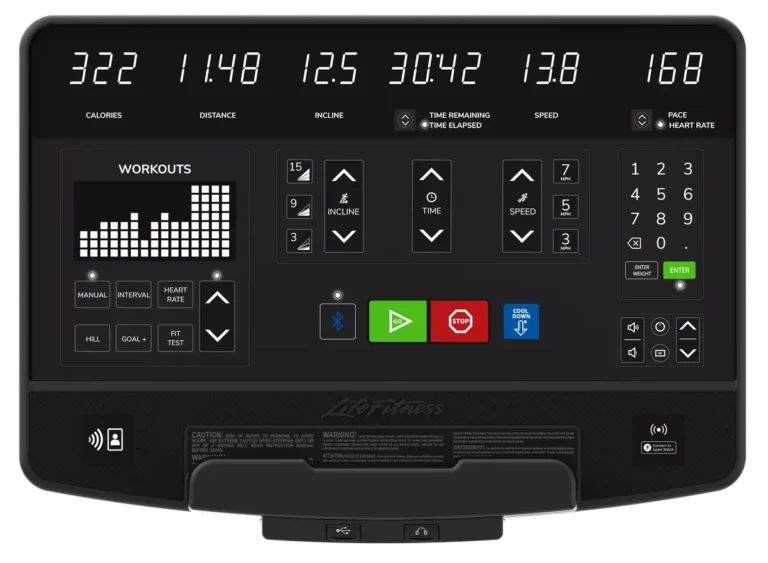
You don't have to guess. Most treadmills store the total motor hours in their system. Consult your owner's manual to find the "Service Mode" or "Diagnostics" menu on the console.
Checking this number gives you a baseline. If you're buying used, ask the seller to show you the hours.
Preventive maintenance is the single biggest factor you can control. It's far cheaper than a replacement motor. Follow this simple routine to maximize lifespan.
Keep the motor compartment free of dust and lint, which acts as an insulator and causes overheating. Lubricate the belt and deck regularly to reduce friction and motor strain. Finally, listen for unusual noises and watch for burning smells.
The same principles of routine upkeep apply to all cardio equipment.
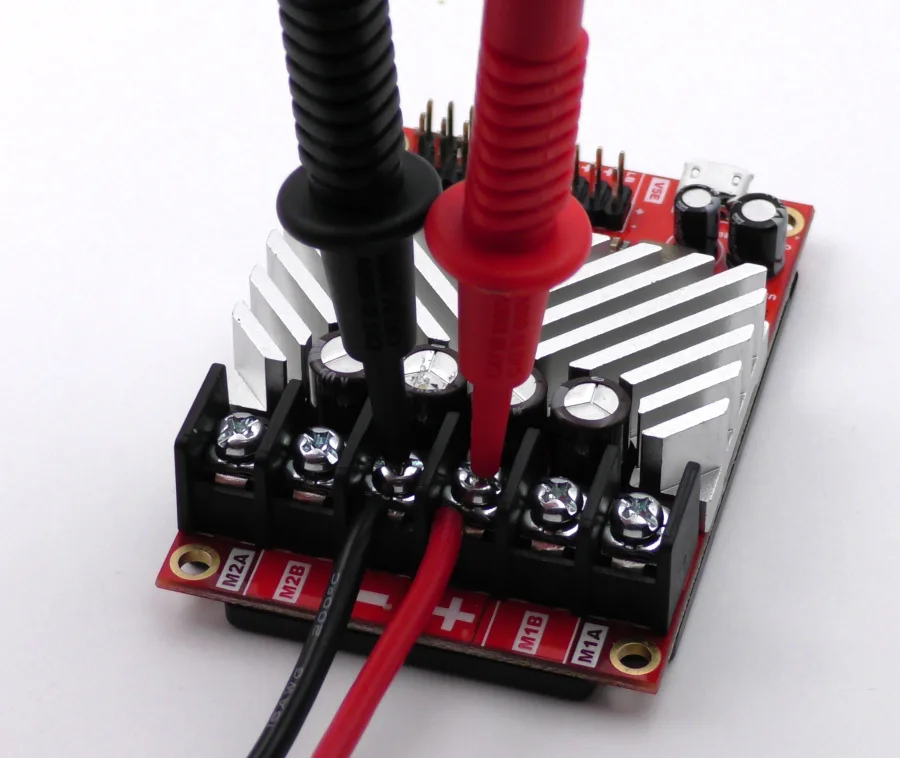
Image source: Bing (Web (fair-use with source credit))
Mistakes That Kill Treadmill Motors Early
Beyond lack of maintenance, certain habits dramatically shorten motor life. The most common mistake is ignoring the maximum user weight rating. A motor designed for a 200-lb user will wear out exponentially faster under a 250-lb user.
Another error is jumping straight into a high-speed run from a cold start. Give the motor a minute at a walking pace to warm up and circulate lubricant. This simple habit reduces stress on the bearings and brushes.
Overloading the circuit is a hidden killer. Treadmills need a dedicated outlet. If the motor shares power with a refrigerator or space heater, voltage fluctuations can damage the controller and motor windings.
Use a surge protector or better yet, a dedicated grounded outlet.
Finally, running at top speed for extended periods pushes the motor beyond its designed continuous duty cycle. A treadmill motor needs variation. Long, sustained max-speed sessions generate excessive heat that breaks down the motor's internal insulation over time.
When to Repair vs. Replace: The Real Cost Picture
So your motor is acting up. What now? The decision comes down to the treadmill's age, the repair cost, and the machine's overall condition.
A new drive motor and controller for a home treadmill can cost $300 to $600 in parts alone, plus labor.
If your treadmill is under 5 years old and the frame is solid, repairing it is worth the money. You're getting a new motor for a fraction of the cost of a new machine. If the treadmill is over 10 years old with a worn deck, belt, and electronics, replacement is usually the smarter call.
Before you commit to a new motor, troubleshoot first. Many "motor failures" are actually failed controllers, blown fuses, or simple belt friction issues. A burned-out motor has a distinct burnt electrical smell and won't spin even when directly powered.
If the motor spins freely but the treadmill won't run, it's likely a controller or wiring problem.
Check the warranty before spending anything. Many manufacturers like Sole and Landice offer lifetime motor warranties on their higher-end models. That means the motor itself might be covered, even if you pay for labor.
Always verify your model's warranty terms.
Frequently Asked Questions
How many hours should a good treadmill motor last?
A quality mid-range treadmill motor with 2.5 to 3.0 continuous horsepower should last 2,000 to 5,000 motor hours. For a family using the machine regularly, this translates to about 7 to 12 years of reliable service before major overhaul might be needed.
Can I make my treadmill motor last longer?
Yes, absolutely. Regular maintenance is key. Keep the motor area clean from dust buildup.
Lubricate the belt and deck every 3 to 6 months to reduce friction. Always start with a slow warm-up speed. And never exceed the treadmill's maximum user weight limit.
What is the difference between continuous and peak horsepower?
Continuous horsepower (CHP) is the sustained power the motor can deliver over a long workout. Peak horsepower is just a brief maximum burst. Always look at the CHP rating.
A 2.5 CHP motor is stronger and more durable than a 3.0 peak horsepower motor. Check the spec plate on the motor housing for the true rating.
How do I check the motor hours on my treadmill?
Most modern treadmills display motor hours in a hidden "Service" or "Diagnostics" menu. Consult your owner's manual for the button sequence to access it. This number is crucial for assessing the true remaining life of the machine, especially when buying used.
Are brushless treadmill motors worth the extra cost?
For frequent runners or heavy users, yes. Brushless DC motors run cooler, quieter, and have fewer wear parts than brushed motors. They typically offer a significantly longer lifespan and require less maintenance, making the higher initial investment pay off over time.