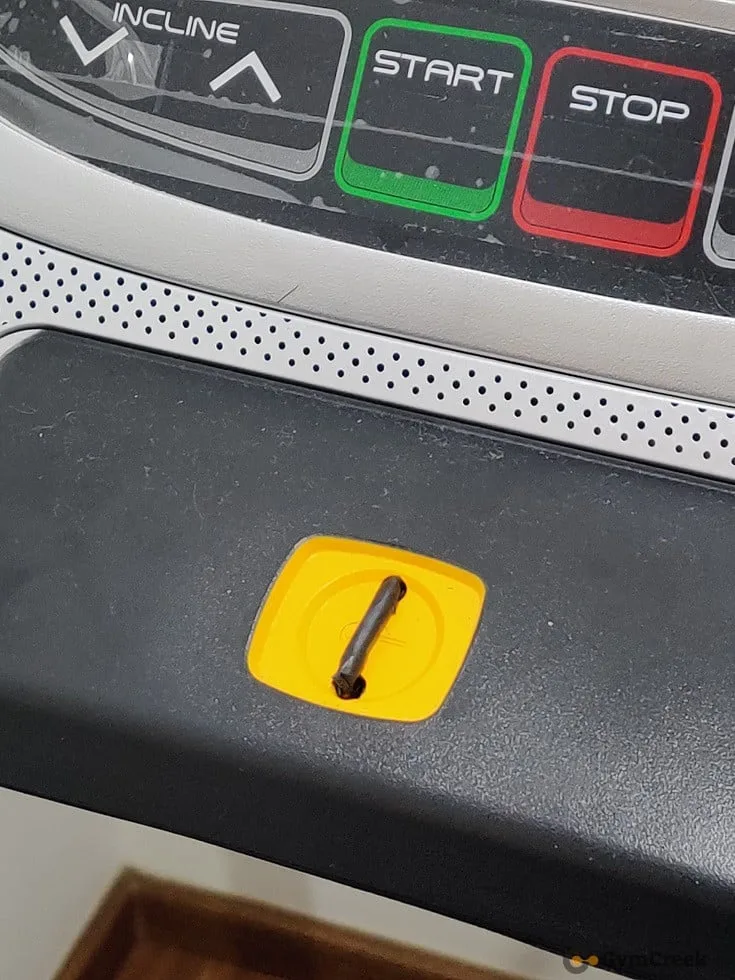
How to Clean a Treadmill
You don't need a service technician to keep your treadmill running smoothly for years. Learning how to clean a treadmill takes about fifteen minutes of reading, then it becomes a simple habit. The payback is quiet operation, a belt that grips, and no mysterious breakdowns.
One of the most important maintenance habits you control is regular cleaning.
Most treadmills need a quick wipe-down after every session, a light weekly vacuum, and a deeper monthly clean. Manufacturer maintenance guides also recommend belt lubrication every three months or about 150 miles. Skipping that is how belts dry out, motors strain, and warranties get voided.
Let's match the mess to the right cleaning method.
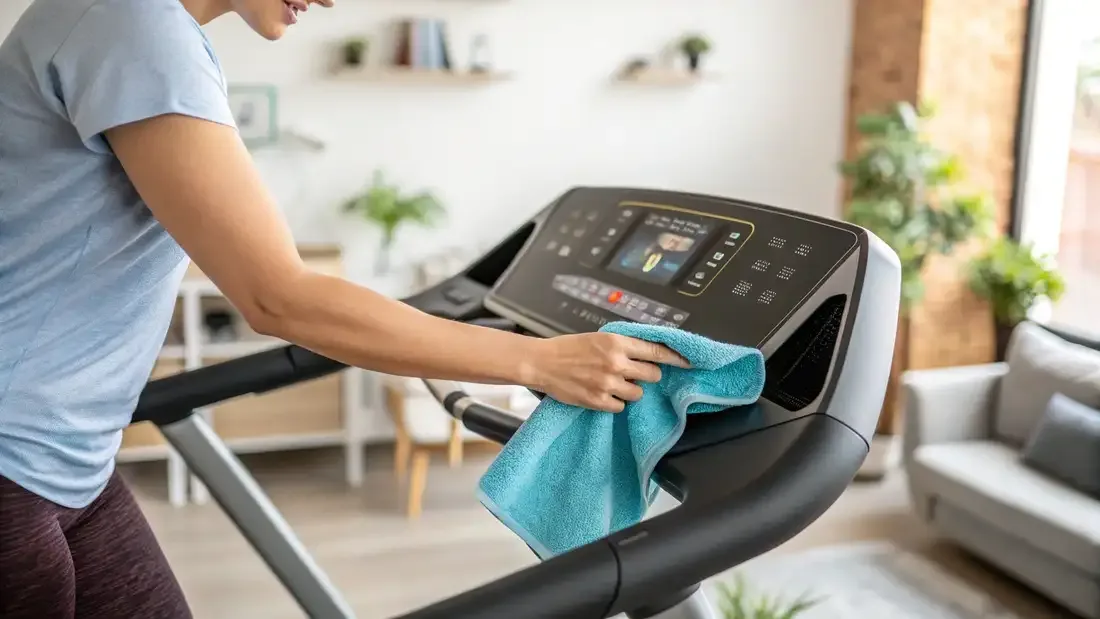
Image source: Bing (Web (fair-use with source credit))
If Your Treadmill Could Talk: Matching the Mess to the Right Clean
Different breakdowns mean different cleaning jobs. So before you grab a rag, figure out what you're actually dealing with. A treadmill that squeaks needs different attention than one with a sticky console.
- Sticky buttons or smudged display. That's sweat and skin oils. A damp microfiber cloth fixes it fast. No need for heavy-duty degreasers.
- Black rubber dust along the belt edges. That's normal belt wear, but heavy buildup signals over-lubrication. You're applying too much silicone, or using the wrong formula.
- Belt slips or hesitates when you push off. Usually a dry deck underneath the belt. It needs lubrication, not a deeper cleaning.
- Squeaking or grinding from the front roller. Dirt and debris are usually trapped in the roller bearings. Vacuum around the motor shroud and roller area first.
- Musty smell around the machine. That's moisture trapped in the belt or under the frame. Skip the chemicals, dry everything completely, and improve airflow.
If the console looks clean but shows streaks after wiping, swap to a dry cloth and buff the surface. If the belt still drags after you lubricate, the tension is probably off. That's a different fix entirely.
The Clean-Before-You-Clean Checklist: Tools, Prep, and Safety Steps
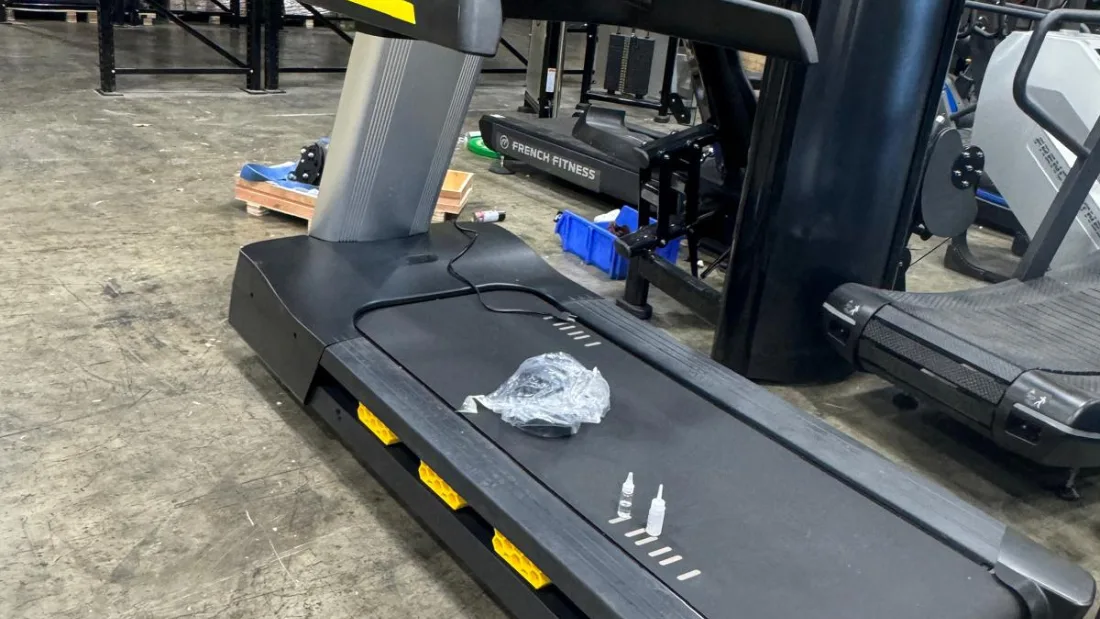
Image source: Bing (Web (fair-use with source credit))
Gather your tools first so you're not hunting mid-task. A full deep clean takes about an hour, and stopping to find supplies breaks your flow. Here's what you'll need:
- Microfiber cloths: one damp, one dry
- Soft-bristle brush or a clean paintbrush
- Vacuum with a crevice tool
- Pump spray bottle with plain water
- Mild dish soap or pH-neutral cleaner
- Set of Allen wrenches (for lifting the belt if your manual requires it)
- 100% silicone lubricant with no additives
Safety is non-negotiable. Unplug the treadmill before you touch anything. Remove the safety key as well.
That keeps a curious family member from accidentally starting the belt mid-clean.
Let the motor cool down too. If you've just finished a workout, give it 30 to 60 minutes. That also gives sweat time to dry, which makes the wipe-down more effective.
The Three Cleaning Workflows: After Every Run, Weekly, and Monthly Deep Clean
One cleaning routine doesn't fit every schedule. You need three tiers: a fast daily wipe, a slightly deeper weekly pass, and a full monthly service. Here's the breakdown:
| Frequency | Time Needed | Main Focus |
|---|---|---|
| After every run | 3–5 minutes | Sweat, dust, and console |
| Weekly | 10–15 minutes | Belt edges, side rails, motor intake |
| Monthly | 45–60 minutes | Belt, deck, rollers, full frame deep clean |
After Every Run — The 5-Minute Wipe-Down
Keep a microfiber cloth near the treadmill. After your cooldown, wipe the console and handlebars. Sweat is acidic, and it corrodes electronics faster than you'd expect.
Then wipe the side rails and the top of the belt. You're not scrubbing grime. You're removing moisture before it settles in.
Five minutes per run keeps the monthly clean much easier.
Weekly — Dust, Rollers, and Console Care
Once a week, unplug the machine and vacuum around the base. Dust settles into the motor vent and roller bearings if you ignore it. Use the crevice tool along the belt edges and under the side rails.
Wipe the console with a damp cloth and dry it thoroughly. Don't spray anything directly onto the screen. Moisture sneaks into the seams and causes button failure.
Dampen the cloth, not the machine.
Monthly Deep Clean — Belt, Deck, Motor Vents, and Full Frame
This is the serious pass. Unplug the treadmill and remove the safety key. Vacuum the motor shroud vents and the area underneath.
If dust is packed in, use a soft-bristle brush to loosen it before vacuuming.
Lift the belt if your manual allows it. Clean the deck surface with a slightly damp cloth, then dry it completely. Check the rollers for wrapped hair or string.
That debris creates drag and noise. Wipe the entire frame with your cleaning solution, then go over everything with a dry cloth to finish.
How to Lubricate the Belt Without Ruining It: When, What, and How Much
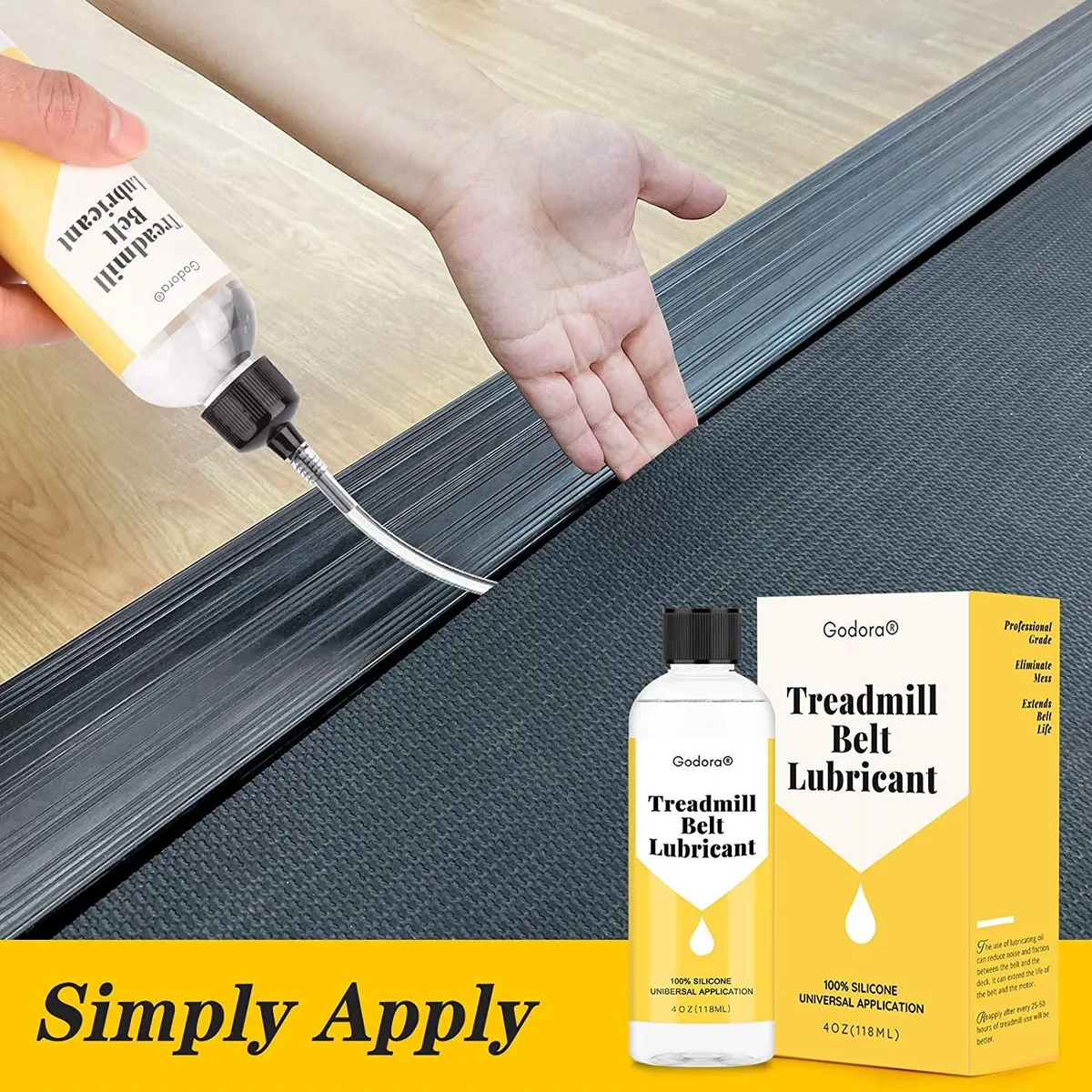
Image source: Bing (Web (fair-use with source credit))
Lubrication is the step people get wrong most often. Your treadmill manual tells you whether it even needs it. Some newer models use sealed bearings that never require maintenance.
Check before you buy anything.
The only safe option is 100% silicone lubricant, often labeled as dimethicone. Never use water-based products, WD-40, or any petroleum-based formula. Those can ruin the belt and the deck coating.
Lubricate every three months, or after roughly 150 miles. If you run more than five times a week, shift to every two months. As of 2026, most manufacturer manuals still recommend this same interval.
A small bead of silicone across the top of the belt's underside is standard, about an ounce at most.
Apply it, then run the belt at low speed for a minute or two so it spreads evenly. Wipe off any excess from the edges. Too much lubricant causes the belt to slip and can stain your floor.
Treadmill Cleaning Mistakes That Shorten Its Life (And What to Do Instead)
Some well-meaning cleaning habits do more harm than good. Skip these moves entirely:
- Using bleach or ammonia cleaners. They break down the grip sensor coating and dry out the belt. Stick to mild soap or pH-neutral products.
- Spraying liquid directly on the console. It seeps into the circuit board and kills the display. Spray your cloth, then wipe.
- Vacuuming the belt with a hard brush attachment. It snags the belt fibers. Use a soft brush or just a dry cloth.
- Over-lubricating. More isn't better. Excess silicone attracts dust and causes belt slippage.
- Cleaning while plugged in. Even with the treadmill off, stray water contacting the motor is a shock risk.
If you notice a persistent squeak after cleaning, it might not be dirt. For other cardio machines, noise often points to alignment issues rather than buildup. Before you pull out the vacuum again, check belt tension and roller position first.
A simple reality check: most parts failures come from grime and skipped lubrication. If you stick to this schedule, your treadmill will outlast the rest of your gym setup.
How to Keep Your Treadmill Clean Longer in a Dusty Garage or Humid Basement
Your environment decides how hard you have to work. A treadmill in a spare bedroom stays cleaner than one in a garage. The same cleaning schedule doesn't fit both spaces.
If you're in a dusty garage, vacuum the motor area weekly instead of monthly. Garage dust is fine and gritty. It packs into roller bearings and drags on the belt.
That extra ten minutes prevents costly part wear.
If your treadmill sits in a humid basement, focus on moisture. Sweat already makes the machine damp, and basement humidity slows drying. That combo breeds mildew and corrodes the deck.
Run a dehumidifier nearby and wipe the frame dry after every use.
If your space is dry and climate-controlled, the standard routine works fine. Quick wipe-downs, weekly vacuuming, monthly deep cleans. No extra effort needed.
In our research, treadmill mats earn their keep. They trap sweat, dust, and dirt before it reaches the floor or gets kicked back into the motor. A simple rubber or PVC mat also reduces noise and keeps the machine level.
Keeping your other cardio equipment fresh follows the same principle: clean surfaces, dry airflow, and consistent maintenance.
Treadmill Cleaning FAQs
How often should you clean a treadmill?
Wipe it down after every run. Vacuum around the base weekly. Do a deep clean once a month.
Lubricate the belt every three months or after roughly 150 miles. That schedule keeps the electronics safe, the belt gripping, and the motor breathing.
Can I use vinegar to clean my treadmill?
No. Vinegar is acidic, and it degrades rubber and plastic. It also strips protective coatings on the deck and console.
Stick to mild dish soap with water or a pH-neutral cleaner. Test any new product on a hidden corner first.
What kind of lubricant should I use?
Use 100% silicone lubricant, also called dimethicone. Never use WD-40, water-based formulas, or petroleum products. They ruin the belt and the deck surface.
Check your manual first; some newer treadmills have sealed bearings and never need lubrication.
Why does my treadmill smell musty?
Trapped sweat and moisture are the usual culprits. Wipe every surface dry after cleaning, especially under the belt and around the motor. Improve airflow in the room and use a dehumidifier in damp spaces.
If the smell lingers, the belt may need a deeper clean.
Is it safe to vacuum under the treadmill?
Yes, but unplug the machine first. Use a crevice tool and avoid the hard brush attachment. A stiff brush can snag the belt fibers.
Keep the vacuum away from the motor vents to avoid pulling in loose dust. The Consumer Product Safety Commission offers safety guidance on equipment maintenance, which is worth reviewing before you start.
Should I cover my treadmill when it's not in use?
Yes, especially in a garage or basement. A treadmill cover blocks dust, pet hair, and moisture from settling on the belt and console. It's a simple habit that cuts your cleaning frequency in half.
Just let the machine cool down before covering it.