Why Does My Treadmill Show an Error Code
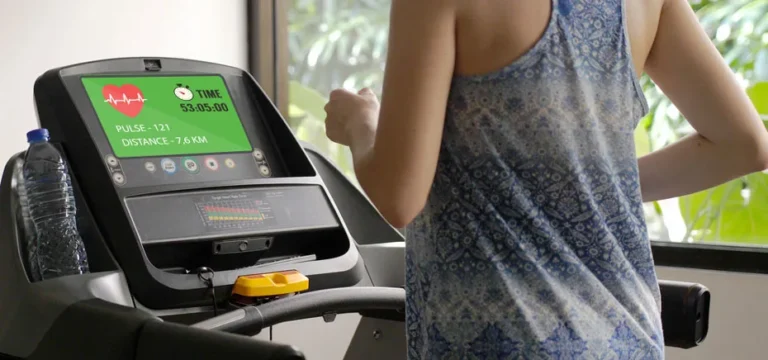
Your stride is going strong and then the console flashes an error code. If you're staring at the display wondering why does my treadmill show an error code, take a breath. Most of the time it's a small issue, not a broken machine.
Manufacturer specifications say most home treadmills need a dedicated 110 to 120V circuit. Codes often appear when voltage drops or the magnetic safety key shifts. The fix usually follows a clear path.
You can handle this yourself.
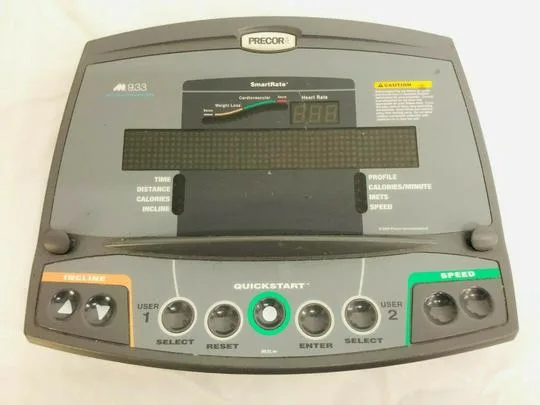
Image source: Bing (Web (fair-use with source credit))
Why Your Treadmill Shows an Error Code: The Short Version
An error code is your treadmill's way of flagging a detected problem. The console compares signals from sensors and components. When something falls outside normal range, it displays a code.
Most codes point to one of five areas: power supply, safety key, motor, speed sensor, or incline system.
| Typical code | What it usually means | Quick check |
|---|---|---|
| E1 | Safety key fault | Seat the magnetic key fully in the console |
| E2 | Motor fault | Confirm the belt moves freely and check motor wiring |
| E3 | Speed sensor fault | Align the sensor magnet near the front roller |
| E4 | Incline fault | Recalibrate in the console menu |
If your code appears above, use the matching branch of the decision tree below. If not, the 60-second reset is still your best first move.
The 60-Second Reset: Start Here Before You Panic
Before you change any parts, run this reset. It clears most error codes and costs nothing.
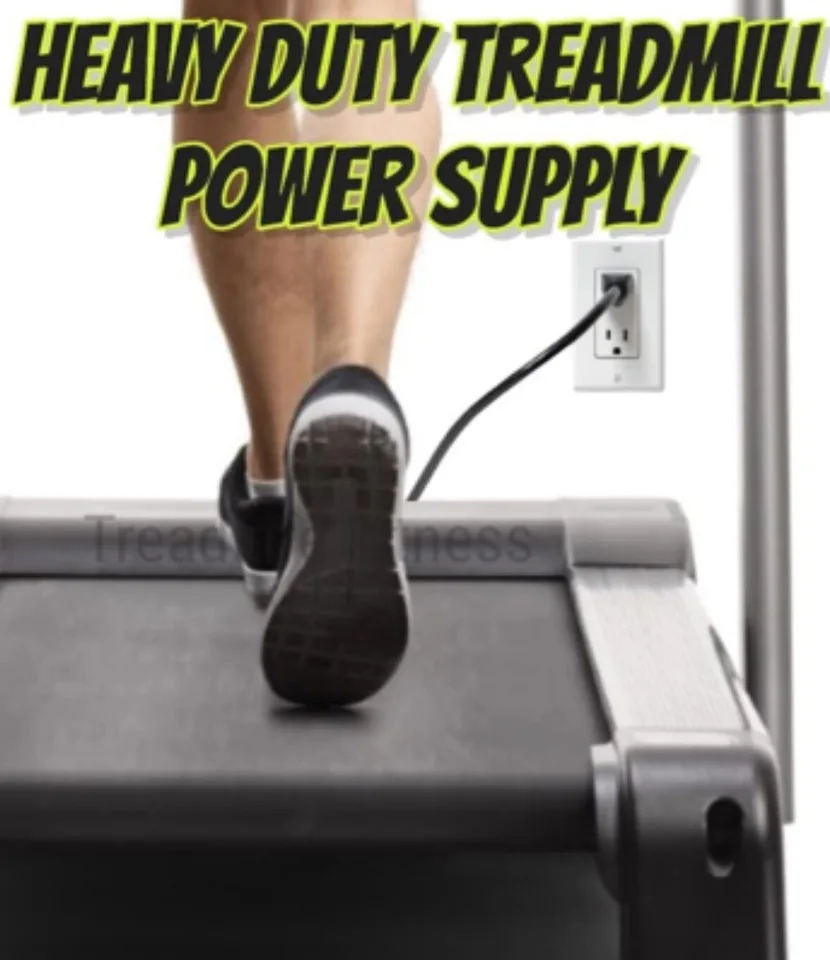
Image source: Bing (Web (fair-use with source credit))
- Unplug the treadmill from the wall outlet.
- Wait a full 60 seconds.
- Press the reset button on the console or main frame, if your model has one.
- Plug it back into a dedicated, grounded outlet.
- Reattach the magnetic safety key.
Per the National Electrical Code, treadmills should be plugged directly into a wall outlet. Extension cords and power strips drop voltage under load. Low voltage confuses the control board.
Keep this habit with any cardio machine, including the simple maintenance steps for an elliptical.
The Decision Tree: Matching Your Error Code to the Right Fix
Walk through these branches based on what your console is doing right now.
Console is dark or the treadmill won't power on. Test the wall outlet first. Plug in a lamp or phone charger. Then check the treadmill's circuit breaker, usually located near the power cord.
If it tripped, press it back in.
Starts, then stops, or throws a code mid-run. The motor is working too hard. Over-tightened belts are the number one cause. Loosen the belt slightly, lubricate the deck, and try again.
Incline won't move or shows a calibration error. Recalibrate the incline from the console menu. That clears many software faults. If it still fails, inspect the incline motor wire for pinches.
Belt, speed sensor, or cable codes appear. Check the speed sensor magnet. It sits on the front roller pulley and should pass within 1/8 inch of the sensor. If the gap is off, the console sees no speed and triggers an error.
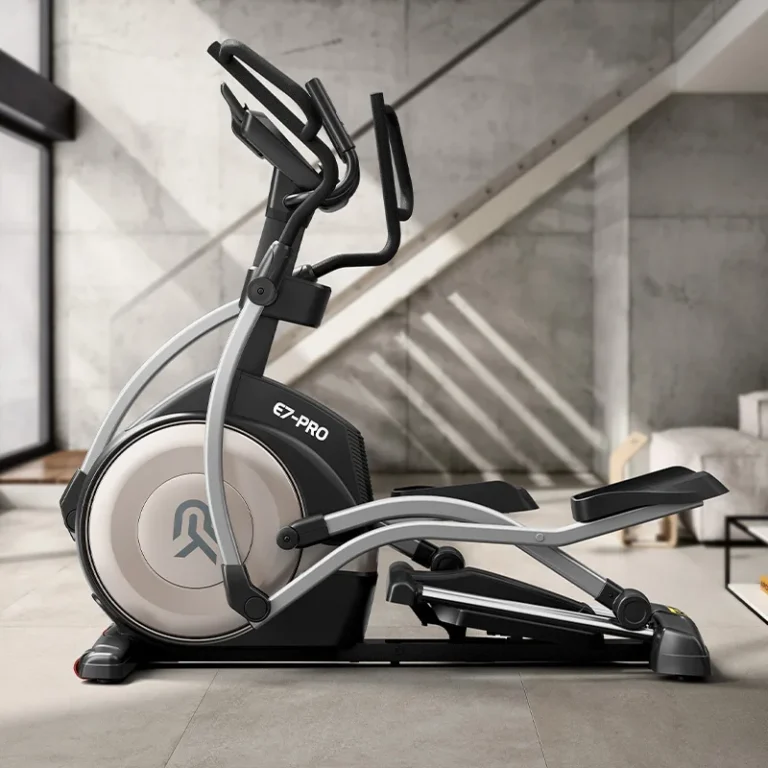
If repair costs keep climbing, it might be worth comparing this machine to lower-impact cardio. Our breakdown of an elliptical versus an exercise bike can help you weigh your options.
Treadmill Error Code Mistakes That Cost You Money
You can burn through cash by making these common errors.
- Skipping the reset and ordering parts. You replace a motor controller that was never bad. A quick unplug would have solved it.
- Using an extension cord. This drops voltage under load. The control board reads it as a fault and eventually burns out.
- Over-tightening the belt. A loose belt slips, yes. But an overly tight one squeezes the motor bearings. Motor error codes follow quickly.
- Lubricating with the wrong lube. Oil-based lubricants attract dust. Use silicone-based treadmill lube only.
- Ignoring the safety key. A loose safety key triggers intermittent codes that seem like a major fault. Check that before anything else.
Just as an elliptical can start squeaking when its track goes uncleaned, a treadmill throws codes when belt maintenance is skipped.
When to Stop DIY and Call a Treadmill Technician
Some repairs are dangerous. Know when to stop.
Call a technician if you notice a burning smell, smoke, or sparks. Unplug the machine immediately. Scorched plastic or a burnt circuit board is a clear stop sign.
A motor failure can also produce a sharp electrical smell.
Also call if the same error code returns after a clean reset. It may be the motor controller rather than the motor itself. For most home users, replacing the control board is the limit of safe DIY.
Use certified parts whenever you do repair. Look for a UL mark on the new controller or motor. Third-party testing confirms it meets safety standards.
Our research shows that uncertified parts cause a surprising number of repeat failures.
If the repair quote keeps climbing, a replacement may make more sense. Compare a few cardio options like an elliptical versus a rowing machine before you buy.
How to Stop Most Error Codes Before They Start
Most error codes come from skipped maintenance, not defective parts. A consistent routine keeps the console quiet.
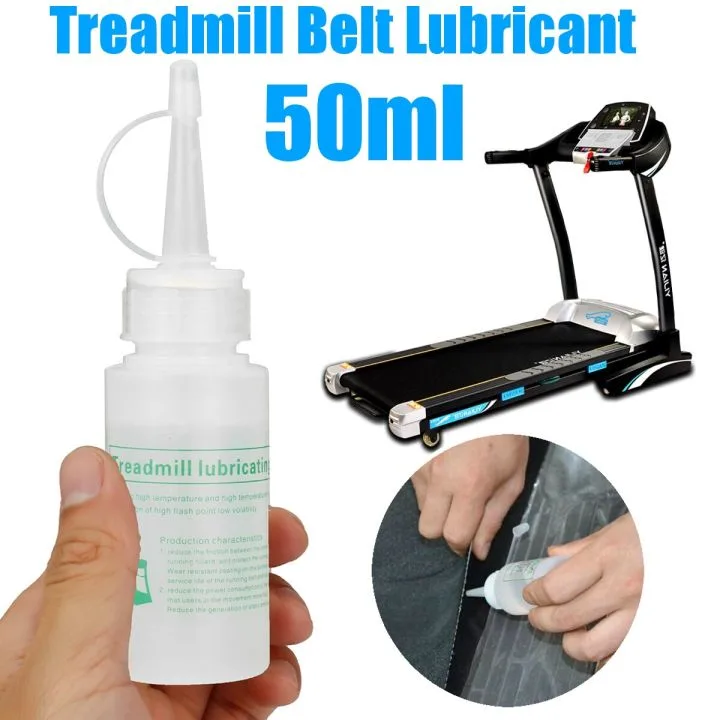
Image source: Bing (Web (fair-use with source credit))
| Frequency | Maintenance task | Why it matters |
|---|---|---|
| Monthly | Vacuum around motor cover and belt | Dust traps heat and triggers overload codes |
| Every 3 months | Lubricate the walking belt and deck | Friction raises motor amp draw and trips E2 |
| Every 6 months | Check belt tension and sensor gap | A loose belt slips; an overtight belt strains the motor |
| After every move | Re-seat the safety key and inspect wiring | Loose connections cause intermittent faults |
Your owner manual gives exact intervals, but the schedule above matches most home treadmills as of 2026. Do not skip the monthly vacuum. Dust on the motor and controller traps heat, and heat throws random overload codes.
Belt tension deserves its own warning. If you can lift the belt more than 3 inches off the deck, it is too loose. If it fights your pull, it is too tight.
A properly adjusted belt keeps speed sensor readings steady and prevents E2 and E3 codes. Add a few drops of silicone lube once a season. Wipe the side rails after each run.
Frequently Asked Questions About Treadmill Error Codes
Will a treadmill reset fix every error code?
No. The 60-second reset clears temporary glitches and low-voltage faults. A recurring code after a clean reset points to a hardware problem, such as a worn speed sensor or a failing controller.
If the same code appears twice, stop resetting and start diagnosing the actual parts.
Why does a treadmill throw a code after I move it?
Moving loosens connections. The most common post-move issues are a displaced safety key or a speed sensor magnet that has slid along the pulley. Re-seat the key and inspect the sensor, which should sit within 1/8 inch of the passing magnet.
Tighten belt tension if it feels slack.
Is it safe to keep using a treadmill that shows an error code?
No. An active error code means the control board has detected an abnormal condition. Running with a stuck belt or failing motor can damage the deck and controller.
Stop, unplug, and identify the fault before continuing.
How long does a treadmill error code take to clear?
Most temporary codes clear immediately after the 60-second reset. Safety key faults clear the moment the key is seated. Software codes, like incline calibration errors, clear as soon as you finish the recalibration steps in the console menu.
The Bottom Line: Your Decision Guide from Code to Working Machine
Walk through the checks in order, and you will resolve the majority of errors.
- Error gone after reset? Resume normal use.
- Code returns after belt tension and sensor inspection? Replace the specific part.
- Same code appears repeatedly despite clean connections? The issue is likely the motor controller.
- Smoke, burned smell, or sparks? Stop. Call a technician.
Let the math guide your decision. A simple DIY fix costs a few dollars and thirty minutes. A motor controller replacement often runs past half the price of a budget treadmill.
If the repair quote climbs higher, you may want to consider a low-impact alternative like an adjustable dumbbell workout setup or a different cardio machine. That switch can save money and give you a fresh warranty.
Most treadmill error codes are warnings, not verdicts. Start cheapest, stay safe, and read the display like a mechanic reads a dashboard light. Handle the easy fixes first, and your treadmill will usually start running clean again.