Is a Spin Bike Good for Weight Loss
Asking whether a spin bike works for weight loss is a bit like asking whether a running track works for weight loss. It absolutely can, but the equipment is only the starting block. Is a spin bike good for weight loss?
Yes, in our research, it stands out as one of the most effective low-impact cardio machines you can use. That's a strong statement, so let's back it up.
The American College of Sports Medicine gives us a clean rule of thumb to work with: you need a calorie deficit of roughly 3,500 calories to lose one pound of fat. A 45-minute vigorous ride on a spin bike typically burns between 300 and 500 calories. That means consistent spinning, paired with a sensible eating plan, can move the scale in the right direction.
As of 2026, the ACSM still recommends at least 150 minutes of moderate cardio weekly, and a spin bike makes hitting that goal surprisingly easy.
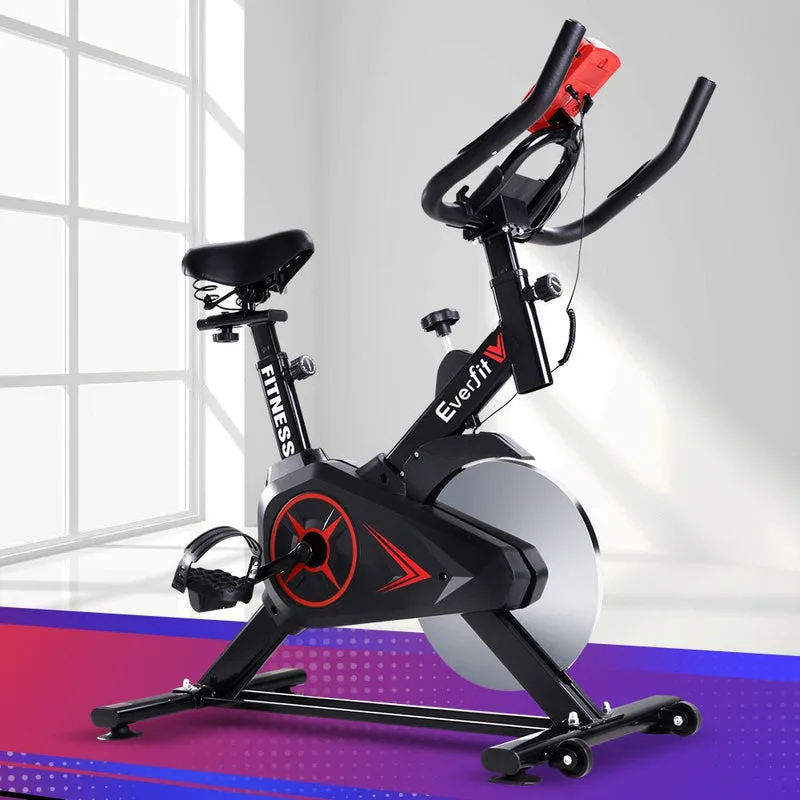
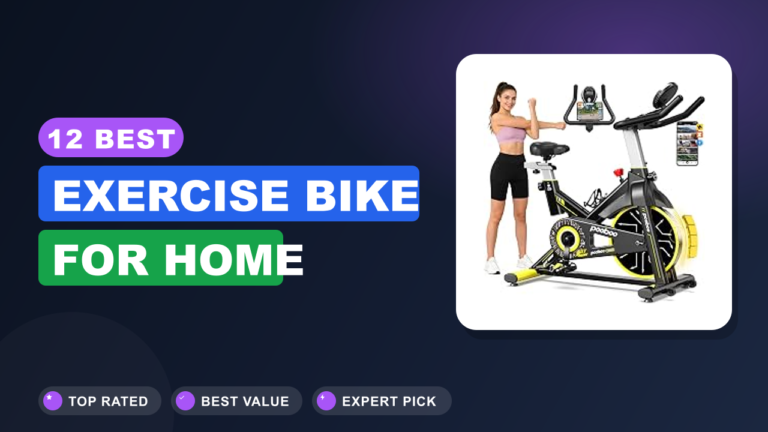
Image source: Bing (Web (fair-use with source credit))
Quick Answer
Yes, a spin bike is good for weight loss. It burns calories and builds lower-body strength. But the bike alone won't shed the fat.
You still need a calorie deficit and a consistent training plan.
The Honest Verdict: Does a Spin Bike Actually Work for Weight Loss?
Yes, but not through magic. A spin bike is a powerful fat-loss tool when you control the other variables. That means your diet, your consistency, and how hard you push yourself matter just as much as the machine itself.
Here's the logic. Weight loss happens when you consistently burn more calories than you eat. The spin bike makes the burning side easier.
It lets you generate serious sweat in a short session without punishing your joints. The machine naturally pushes you toward high-effort intervals, which research shows is effective for fat loss.
The conditions that make it work are straightforward.
- You ride 3 to 5 times per week
- You pair it with a calorie-aware eating plan
- You progress your intensity over time
If one of those pieces is missing, results stall. If you ride at a moderate pace a couple of times a week and eat casually, you'll feel fitter but may not see dramatic changes.
Follow the full plan, and the bike delivers. It's not a gimmick. It's a reliable, low-impact way to create the energy deficit your body needs.
How a Spin Bike Helps You Lose Weight (The Real Mechanics)
The Calorie Deficit Equation
Your body stores fat as backup energy. You only burn through it when you run an energy deficit. The phrase sounds technical, but it simply means taking in fewer calories than your body uses each day.
Spin bikes help you create that gap by making your daily burn bigger.
Here's a practical example. Eat 500 fewer calories daily. Burn an extra 300 to 500 calories through a ride.
That's a daily deficit of 800 to 1,000 calories.
Over a week, that can add up to roughly 1.5 to 2 pounds of fat lost.
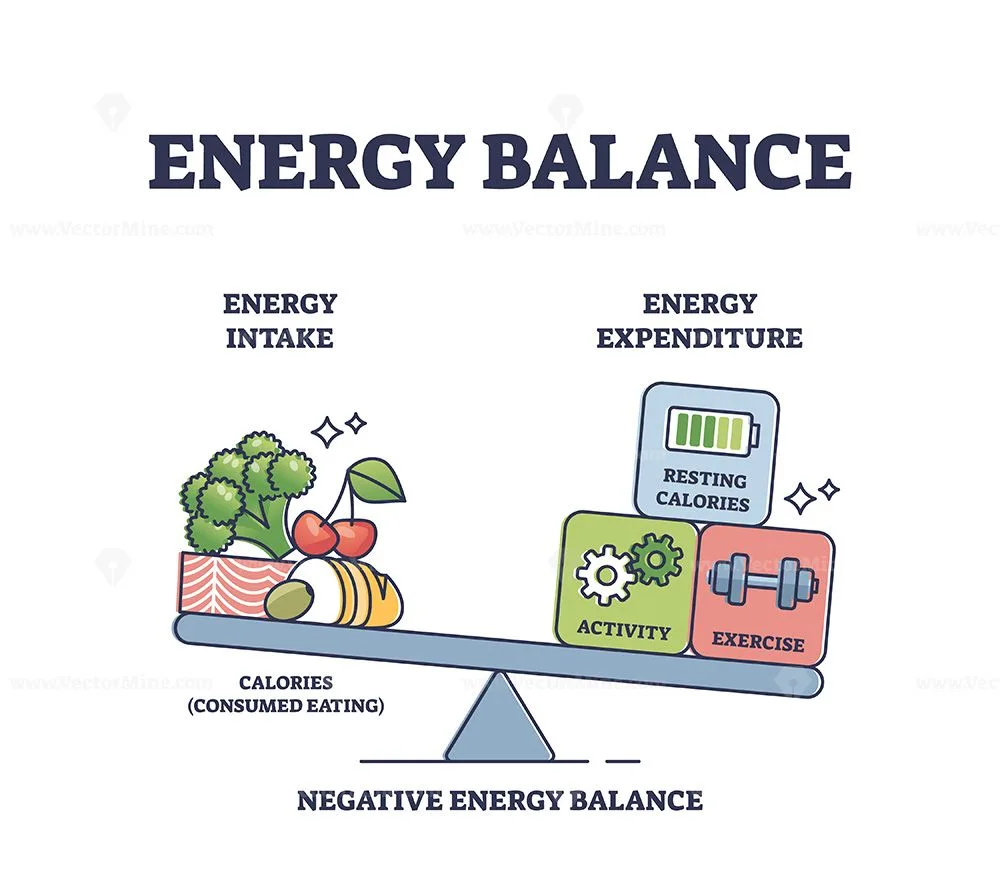
Image source: Bing (Web (fair-use with source credit))
Steady-State vs. HIIT
You have two main ways to train on a spin bike. Steady-state cardio means holding a comfortable but challenging pace for an extended period. HIIT, or high-intensity interval training, involves short bursts of maximum effort alternated with recovery periods.
Both approaches work.
HIIT creates EPOC, the afterburn effect. Your body keeps burning extra calories for hours after you stop riding. The effect is real but modest.
Use both methods across your week. This keeps your body adapting and reduces workout boredom.
The Role of Muscle
A spin bike doesn't just burn calories during the ride. It builds strength in your quads, hamstrings, glutes, and calves. More lean muscle raises your resting metabolic rate.
That means you burn more calories even while sitting at your desk.
We're not talking about bulky legs. We're talking about functional lower-body strength that pays off daily.
The Risks and Mistakes That Stop Weight Loss (and Hurt You)
Overestimating Your Burn
The console says you burned 600 calories. That number is often a generous guess. Most people overestimate their actual burn by 20 to 40 percent.
If you eat those calories back, your deficit disappears. Treat the display as a rough guide, not a precise license to snack.
Doing the Same Ride Every Time
Your body adapts quickly to repetition. When you repeat the same routine, you burn fewer calories during the same effort. That's why progressive overload matters.
Every week or two, increase your resistance, cadence, or ride duration slightly. Your body keeps adapting when the stimulus keeps changing.
Poor Bike Fit and Injury Risk
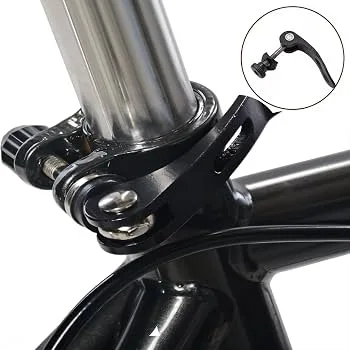
A badly adjusted bike is more than uncomfortable. It causes knee pain, lower back strain, and saddle sores. The most common mistake is setting the seat too low.
Your knee should have a slight bend at the bottom of the pedal stroke.
Per the ISO 20957 standard for stationary training equipment, the frame must be stable and all adjustment mechanisms locked securely before riding. If you feel sharp joint pain, stop. Don't push through it.
Skipping Strength Training
Cardio supports fat loss. Resistance training is its perfect partner. Strength work builds lean mass, which boosts your metabolism on the days you're not riding.
Many people focus only on cardio and wonder why they hit a plateau. Add two simple strength sessions per week to keep progress moving.
Setting Up Your Spin Bike Plan: Intensity, Scheduling, and Progression
First, Get the Bike Fit Right
A proper bike fit transforms how you feel and how hard you can work. Start with the seat height. Set it so your leg is almost fully extended at the bottom of the pedal stroke, with a small bend in the knee.
Then adjust the seat forward or backward so your front knee lines up over the pedal spindle when the pedal sits at the 3 o'clock position. Set the handlebars at a height that lets you maintain a relaxed, neutral spine.
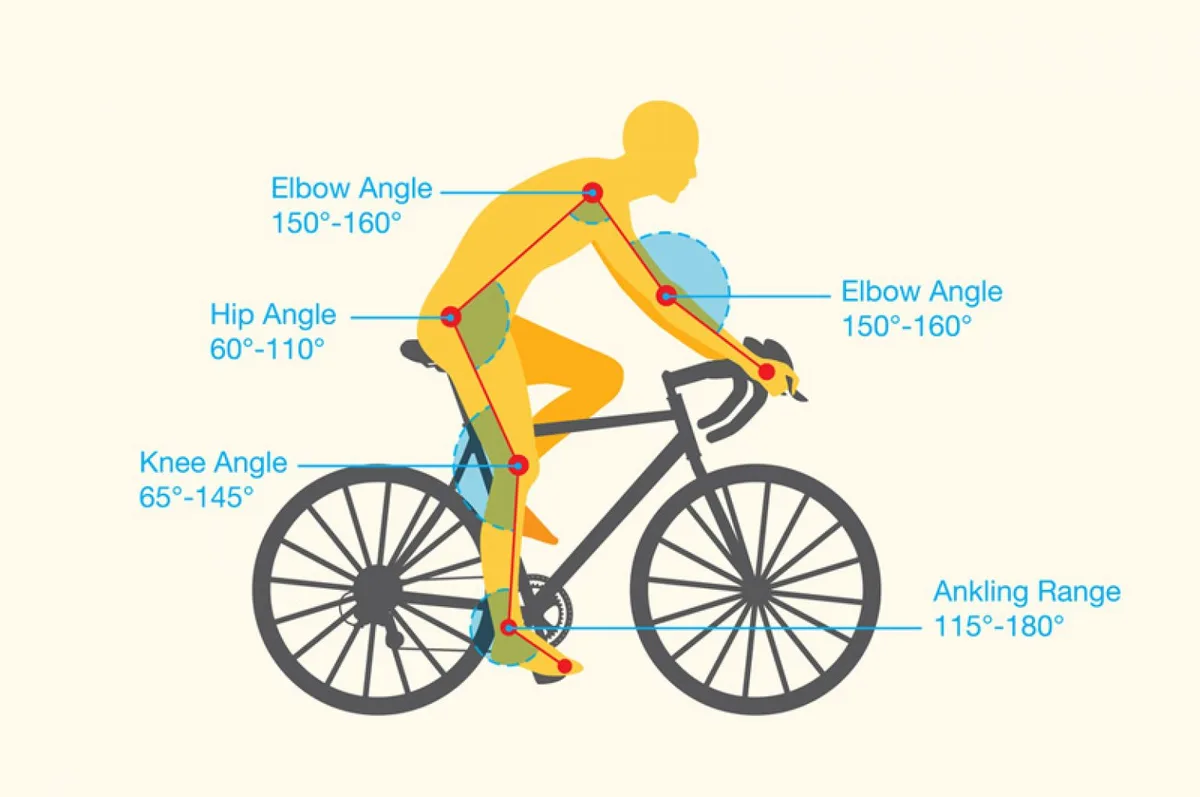
Image source: Bing (Web (fair-use with source credit))
Choose Your Training Mix
You don't have to pick between steady-state and HIIT. Use both. On easy days, ride at a conversational pace for 30 to 45 minutes.
On hard days, do structured intervals.
Warm up for five minutes, then complete eight rounds of 30 seconds hard and 90 seconds easy. That kind of variety keeps your body adapting.
Build Your Weekly Schedule
A realistic week might look like this.
- Monday: 30-minute interval ride
- Tuesday: strength training or rest
- Wednesday: 45-minute steady-state ride
- Thursday: strength training or active recovery
- Friday: 20-minute HIIT session
- Saturday: longer ride if time allows
- Sunday: full rest
Track and Progress
Use cadence, heart rate, and watts to measure your effort. Aim to increase one variable each week. That could mean five extra minutes, a slightly higher resistance, or one more interval set.
Consistent progression is what keeps the weight coming off. If every ride feels identical, the scale will eventually stop moving.
Spin Bike vs. The Alternatives: What Works Better for Fat Loss?
A spin bike isn't the only cardio machine that burns serious calories. But it has a specific niche. Let's compare it honestly with the common alternatives.
Spin Bike vs. Treadmill
A treadmill burns slightly more calories per minute for most people because you support your full body weight. That impact comes with a joint cost. If your knees or hips complain, a spin bike is the smarter choice.
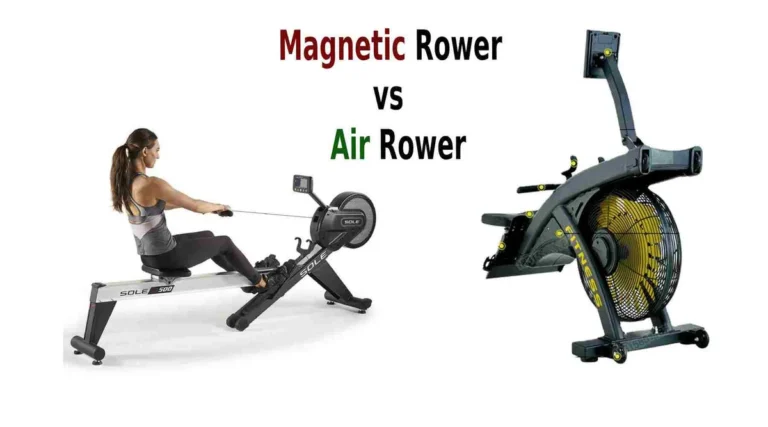
Spin Bike vs. Rowing Machine
Rowing is a full-body workout that engages your back, arms, and legs. It has a steeper learning curve than a spin bike. Our research finds that a rowing machine can be a fantastic fat-loss tool when you master proper form.
If you want upper-body endurance while losing weight, it's worth exploring. If you want something you can hop on and ride without thinking, the spin bike wins for convenience.
Spin Bike vs. Elliptical
The elliptical offers a no-impact experience and works your arms and legs simultaneously. Many people drift into autopilot on one, letting momentum do the work instead of engaging their muscles. A spin bike makes that harder to do because you must push through every part of the pedal rotation.
Spin Bike vs. Outdoor Cycling
Outdoor cycling adds fresh air and varied terrain, which helps motivation. It also brings traffic risk and weather dependence. An indoor bike gives you total control, which often leads to more consistent training.
Here's a quick comparison for your decision.
| Option | Calories (45 min) | Impact | Best For |
|---|---|---|---|
| Spin Bike | 300–500 | Low | Consistent, joint-friendly training |
| Treadmill | 350–550 | High | Runners and weight-bearing cardio |
| Rower | 350–500 | Low | Full-body training and strength |
| Elliptical | 300–450 | None | Low-impact recovery sessions |
When you pick, think about your joints, your available time, and what you'll actually stick with. The best machine is the one you'll use regularly. If you're deciding between a bike and a rower, the rowing option gives you more full-body muscle engagement.
If leg focus and simplicity matter more, the spin bike takes the lead.
Who Loses Weight on a Spin Bike? (Real Scenarios and Timelines)
The Beginner Who Builds a Routine
Picture a 200-pound beginner who rides three times weekly and eats a modest calorie deficit. They typically lose 1 to 2 pounds per week. Within eight weeks, their stamina jumps and their midsection starts shrinking.
The key is pairing the bike with a structured plan.
The Over-45 Rider With Joint Concerns
An older rider with sensitive knees can't tolerate running. A spin bike removes that joint stress. Their weight loss sits closer to 1 pound weekly because recovery takes longer.
Consistency beats intensity here.
If you want a standing position instead, an elliptical offers a low-impact alternative.
The Intermediate Athlete Chasing a Plateau
The fitter you are, the harder you must work to keep losing. Your body adapts to the same ride. Add intervals, increase resistance, or throw in strength training.
In our research, most break a plateau within three to four weeks of changing the stimulus.
If you're considering a full-body machine instead, you can get similar fat-loss results with a rower.
Quick Answers: Spin Bike Weight-Loss FAQs
Can You Lose Belly Fat With a Spin Bike?
Yes, but not spot-reduction. Your body loses fat proportionally, and belly fat shrinks when overall body fat drops. A spin bike helps create the calorie deficit that drives this process.
Consistency plus a healthy diet is the real answer.
How Long Should a Spin Session Be?
For weight loss, 30 to 45 minutes per session works best. Shorter 20-minute HIIT rides can work if the effort is intense. The American College of Sports Medicine recommends at least 150 minutes of moderate cardio weekly.
Spread that across four to five rides.
Is 20 Minutes a Day Enough?
Yes, if you push hard. A 20-minute high-intensity interval session can burn 200 to 300 calories and trigger a meaningful afterburn. For beginners, start with 20 minutes and build from there.
Starting a new exercise routine means you can even alternate days between biking and rowing.
Should You Spin on an Empty Stomach?
It depends. Light fasted rides are fine, but hard intervals need fuel. Your body performs best with a small snack beforehand, like a banana or toast.
Don't skip meals to "save calories" for the scale. You'll lose performance and risk losing muscle.
How Many Spin Sessions Per Week Should You Do?
Three to five sessions weekly is the sweet spot. Two sessions maintain fitness, but they don't create a consistent deficit. Five is fine if some rides are easy.
Make sure at least one full rest day exists. And like all home cardio equipment, proper form prevents nagging injuries.
The Bottom Line: Is a Spin Bike Worth It for You?
If you can commit to three to five rides weekly and pair them with a sensible calorie deficit, a spin bike is absolutely worth it. It's low-impact, time-efficient, and effective at burning fat. If you can't control your nutrition or ride at the same easy pace forever, no bike will save you.
Who Should Buy One
- You want joint-friendly cardio
- You prefer working out at home
- You respond well to structured metrics
- You have space for the machine
Who Should Skip It
- You need full-body engagement to stay motivated
- You already love running outside
- You want zero maintenance
Make Your Call
Answer three questions honestly.
- Can I ride three times weekly?
- Can I eat in a slight calorie deficit?
- Can I increase resistance or intervals regularly?
Three yeses mean a spin bike will help you lose weight. Any hesitation means starting with a walking plan and calorie tracking first. The bike is a tool, not a shortcut.
If you prefer using your arms and back too, a rower provides a full-body challenge.