How Do I Know If My Treadmill Needs Lubricant
If you've been wondering how do I know if my treadmill needs lubricant, the warning signs are there if you know what to look for. A squeaking belt, a sudden lag at speed, or a faint burning smell mid-walk all point to the same culprit.
As of 2026, the standard rule across most major brands is to lubricate every three months or roughly 40 hours of use. That schedule appears in manuals from NordicTrack, Sole, Life Fitness, and others. Skip it, and friction silently wears down the belt and deck.
Here's how to spot the problem before it gets expensive.
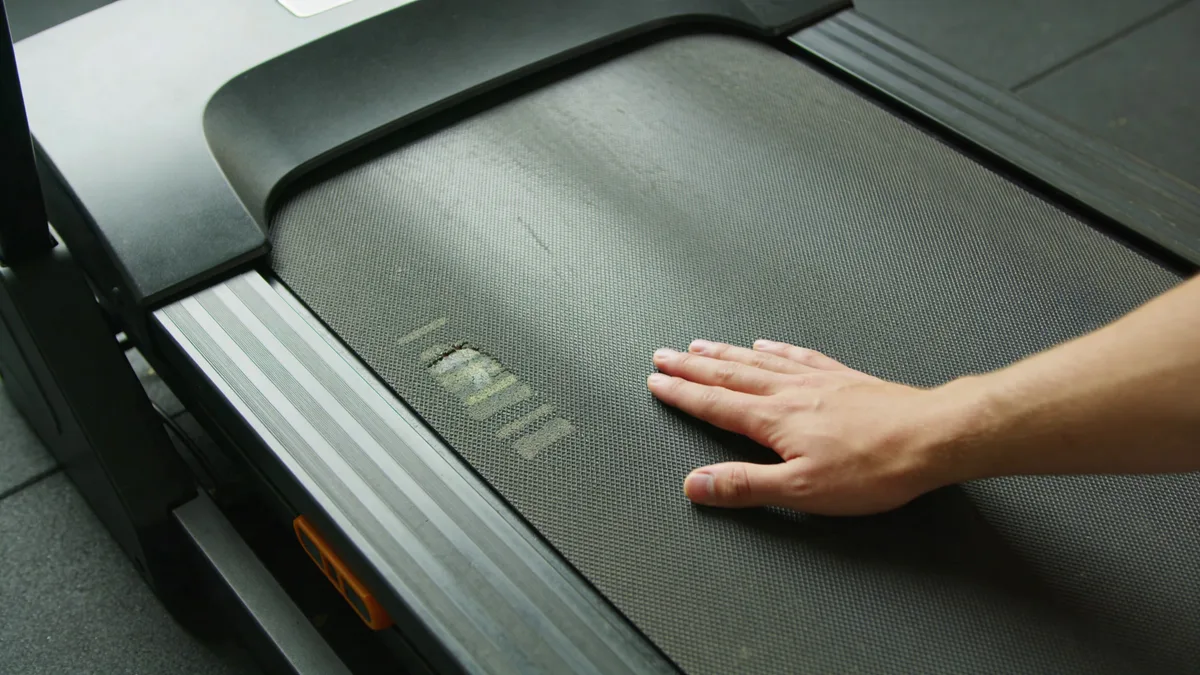
Image source: Bing (Web (fair-use with source credit))
Quick Answer
You know your treadmill needs lubricant when the walking belt squeaks or feels sluggish. Black dust along the frame is another clear sign. A belt-lift test confirms it fast.
Lift the side edge of the belt two to three inches. If the underside feels dry with no silicone sheen, it's time to re-lube.
The First Signs That Something's Off
Most treadmills don't send you a warning when the silicone layer dries out. They give you sensory clues instead. Here's what to listen and feel for.
Squeaking or Chirping During Your Stride
This is the most common early sign. The belt drags against the deck without enough silicone between them. It usually starts faint, then gets louder over a few workouts.
If you've heard the same kind of squeak from an elliptical, the principle is identical. Moving parts without lubrication create friction noise.
The Belt Feels Hot
After a normal 30-minute walk, the belt should feel warm at most. If you touch the edge and it's genuinely hot, friction is building up. That heat accelerates belt wear and strains the drive motor over time.
A Burning Rubber Smell
This one is hard to miss. If you catch a whiff of burning rubber at your usual walking speed, the belt is likely overheating. Stop the machine and inspect the belt and deck before using it again.
Visible Black Dust or Residue
Check the floor around your treadmill, especially along the sides and near the front roller. Black rubber dust or fine powder means the belt is grinding away against a dry deck. That debris is belt material, not dirt from outside.
The Belt Hesitates or Stutters
When you take a normal step and the belt seems to pause for a split second, that's uneven grip across the deck. It feels like a tiny stumble underfoot. Aggregate user reviews report this as one of the most reliable early warnings before visible damage appears.
Your Workout Feels Harder at the Same Speed
If maintaining your usual pace suddenly takes more effort, friction could be making the motor work harder. This is especially noticeable on treadmills with motors under 2.5 CHP. A labored motor draws more wattage to hold the same belt speed, and you'll feel that resistance under your feet.
How Belt Friction Works and Why Lubricant Dries Out
Understanding the basics helps you stay ahead of the problem instead of reacting after the belt is already damaged.
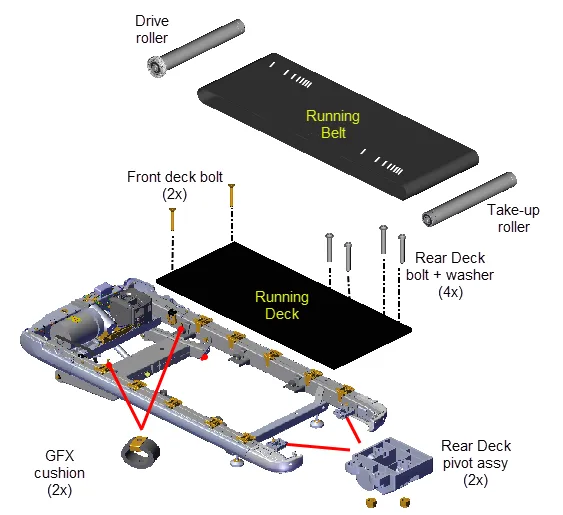
Image source: Bing (Web (fair-use with source credit))
The Belt-and-Deck System
A walking belt glides over a flat surface called the deck. Without lubricant, these two surfaces rub directly against each other with every step. Over hours of use, that contact generates heat, wears down the belt's underside, and adds load to the drive motor.
Most manufacturers apply a thin layer of silicone lubricant at the factory to reduce that friction. Silicone is the standard because it stays stable, doesn't attract dust, and handles temperature swings well. It won't break down the way petroleum-based products would.
That's why experts strongly warn against using WD-40, motor oil, or grease as a substitute. Those products can dissolve the belt material and void your warranty in one move.
Why Lubricant Doesn't Last Forever
A few factors speed up lubricant breakdown:
- Usage hours: Daily users burn through silicone much faster than someone who walks three times a week.
- Humidity and temperature: High humidity breaks down the silicone film faster. Dry, dusty environments have a similar effect because particles absorb and carry the lubricant away.
- Belt tension: A belt that's too tight presses harder against the deck, squeezing the silicone out from under the edges.
- Time: Even idle treadmills slowly lose lubricant as silicone dries out over months, especially in garages or basements.
Why This Matters Beyond Equipment Life
According to the U.S. Consumer Product Safety Commission, treadmill-related incidents frequently involve belt malfunctions. Most reports focus on falls, but a belt worn thin from unlubricated friction can cause sudden stops or uneven surfaces that trip a user.
Regular lubrication protects both the machine and the person using it.
The same maintenance philosophy applies across your home gym. Keeping cardio equipment clean and properly serviced extends its life and keeps workouts safe, as covered in our guide on keeping your elliptical running smoothly.
The Decision Workflow: Is It a Dry Belt or Something Else?
Not every squeak means the belt needs lube. Roller bearings wear out. Belts stretch.
Motors strain for different reasons. Run through this diagnostic before you grab the silicone.
Step 1: Listen to the Noise
- Squeaking or chirping that matches your stride: Likely belt friction. Move to Step 2.
- Grinding or clicking from the roller area: Could be a worn roller bearing. This may need a professional look.
- Motor hum that sounds labored: Possible motor strain from friction, or an electrical issue. Check belt tension first.
Step 2: Do the Belt-Lift Test
Unplug the treadmill. Lift the walking belt at the edge, roughly in the middle of the deck. You should get about two to three inches of lift.
| Belt Response | What It Means | What to Do |
|---|---|---|
| Lifts easily, feels dry underneath | Lubricant has dried out | Apply silicone lubricant |
| Barely lifts, feels very tight | Belt tension is too high | Adjust tension before lubricating |
| Lifts too easily, feels loose | Belt may be stretched or worn | Consider belt replacement |
Step 3: Check the Belt Surface
Look at the underside of the belt where it contacts the deck:
- Dry and dull: Time to lube.
- Cracked, frayed, or showing thread patterns: The belt is worn past the point of lubrication. It needs replacing.
- Shiny with visible wet patches: Someone may have over-lubricated. Wipe away the excess and let it dry before adding more.
Step 4: Test After Lubricating
Apply lubricant per your manufacturer's instructions. Run the treadmill at a low speed for two to three minutes with nobody on it. This spreads the silicone evenly across the deck.
Then walk on it for a few minutes and reassess.
- Noise is gone and belt feels smooth: Problem solved.
- Noise persists: The issue may not be lubrication. Check belt alignment, roller condition, or schedule a service call.
If you're also planning your workout cadence for other machines, our guide on matching your cardio session frequency explains how often you really need to use an elliptical.
How to Lubricate Your Treadmill: Step by Step
Once you've confirmed the belt needs silicone, the process itself is straightforward. Most people finish in under 15 minutes.
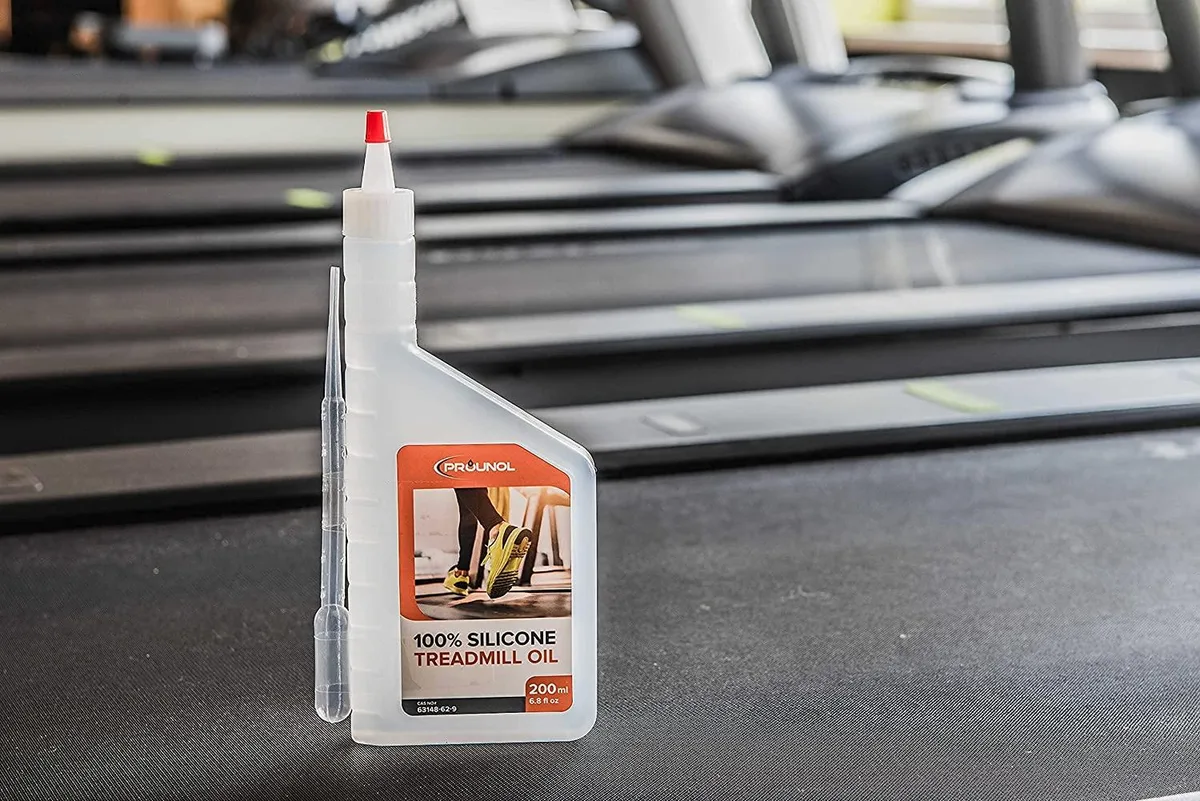
Image source: Bing (Web (fair-use with source credit))
What You Need
| Item | Purpose |
|---|---|
| 100% treadmill silicone lubricant | Reduces friction between belt and deck |
| Clean, lint-free cloth | Wipes away excess lubricant and debris |
| Flathead screwdriver (optional) | Helps lift the belt edge so you can reach the deck |
| Owner's manual | Confirms the correct lubricant type and application interval |
Step 1: Unplug and Cool Down
Never lubricate a treadmill while it's still running or hot. Unplug the machine and wait at least 10 to 15 minutes. The belt and deck should be at room temperature before you touch them.
Hot surfaces spread silicone unevenly and can burn your fingers.
Step 2: Clean the Deck
You're not just adding new lubricant. You're replacing the old layer that's dried out. First, lift the belt along the side edge to expose the deck.
Use your cloth to wipe away dust, lint, and any old residue. A clean surface lets the fresh silicone bond properly. Skipping this step means the new lubricant just sits on top of existing debris.
Step 3: Apply the Lubricant
Shake the bottle of 100% silicone lubricant well. With the belt lifted, apply a thin zigzag line along the full length of the deck. You want enough to coat the surface, not flood it.
A common rule is one thin stream about the width of a pencil lead.
Step 4: Spread It Evenly
Let the belt drop back into place. Plug the treadmill in and run it at a low speed, around 1 mile per hour, with no one on it. Let it run for two to three minutes.
This works the silicone across the entire deck surface and down the sides.
Step 5: Wipe Away the Excess
Stop the treadmill and unplug it again. Check the belt edges for any pooled lubricant. Wipe it off with your clean cloth.
Leaving excess silicone on the belt surface turns the belt slippery, which can cause foot slippage during your next workout. Over-lubrication is as bad as under-lubrication.
Step 6: Test the Stride
Walk on the treadmill for a few minutes at your normal pace. The belt should feel smooth, quiet, and responsive. If the squeak is gone, you're done.
If it persists, move on to troubleshooting.
Common Mistakes That Cost You a New Belt or Motor
Lubrication seems simple, but a few errors can turn a small task into an expensive repair. Here's what to avoid.
Using WD-40 or Petroleum-Based Sprays
WD-40 is not a treadmill lubricant. It doesn't have the right viscosity, and the solvents it contains can soften the belt's rubber backing and damage the deck coating. Motor oil and grease are equally bad.
They collect dust, gum up the belt, and void your warranty. Only 100% silicone lubricant belongs under a treadmill belt.
Over-Lubricating
More isn't better. Excess silicone makes the belt slip on the deck, which creates a different kind of friction and an unstable walking surface. It also drips onto the frame and floor, turning dust into grime.
A thin, even layer is what you're aiming for.
Applying Lubricant to the Top of the Belt
Some first-timers spray the walking surface and call it done. That's a mistake. Lubricant belongs between the belt and the deck, not on top where your feet land.
Top-side silicone makes the belt dangerously slick and does nothing to protect the underside.
Skipping the Clean-Up Step
If you lubricate over a dirty deck, the silicone just mixes with dust and debris. The mixture dries into a paste that acts more like sandpaper than a lubricant. Always wipe down the deck before applying fresh silicone.
Waiting for Noise to Start
Squeaking is a late-stage warning. By the time you hear it, the deck coating may already be worn through in spots. That can mean belt replacement, deck replacement, or both, which is far more expensive than a $12 bottle of silicone.
If you track your usage hours, you can keep a consistent schedule and never hit that point.
Maintenance Schedule, Long-Term Care, and When to Call a Pro
A simple schedule based on your usage keeps the belt gliding and the motor happy.
| Usage Level | Recommended Interval |
|---|---|
| Daily runner (30+ miles per week) | Every 3 months |
| Regular walker or jogger (3–4 times per week) | Every 4–5 months |
| Occasional user (1–2 times per week) | Every 6–8 months |
| Near-daily influencer workouts | Every 3 months |
Check Belt Tension Along the Way
Lubrication and tension go hand in hand. A belt that's too tight squeezes out lubricant faster. A belt that's too loose slips and creates heat.
Check the lift test every few months and adjust both rollers if needed. Most machines let you turn the rear roller bolts with a hex key.
Keep the Area Clean
Vacuum underneath and around the treadmill every week. Dust and pet hair get pulled into the belt path and mix with lubricant, shortening its life. Wipe down the belt edges monthly to remove accumulation.
When to Call a Professional
Some issues won't go away with lubrication:
- The belt still squeaks after a full lube job and the roller bearings look fine.
- The deck shows grooves, scorch marks, or deep discoloration.
- The belt stalls or slips even after adjusting tension.
- The motor smells hot or makes a clicking sound.
At that point, a service technician may recommend new bearings, a new belt, or a deck resurfacing. If your machine is under warranty, contact the manufacturer before doing anything beyond routine lubrication.
For other home gym equipment, routine adjustments can prevent noisy parts from becoming bigger issues. Our guide on how to adjust an elliptical machine covers the same type of proactive care.
Frequently Asked Questions
How long does treadmill silicone lubricant last?
For regular users, one application lasts about three to four months. Occasional users can stretch it to six months. The exact duration depends on belt tension, body weight, dust in your home, and humidity.
Lifting the belt for a quick dryness check every couple months is the safest approach.
Can I use silicone spray instead of liquid silicone?
Yes, but check the label first. Some aerosol sprays mix silicone with petroleum solvents that can damage the belt. Look for a product that says 100% silicone with no other additives.
Spray lightly into a cloth or directly onto the deck in short bursts, then spread it evenly.
What happens if I never lubricate my treadmill?
The belt dries out, cracks, and wears thin along the center of the deck. The deck coating also gets scorched by friction. You'll hear squeaking, then see black dust, and eventually the belt may stall under your weight.
All of it leads to costly belt and deck replacement instead of a small maintenance task.
Do self-lubricating treadmills need manual lubrication?
Most do, just less often. Self-lubricating systems dispense silicone automatically during use, but the reservoir eventually runs dry. Check your manual for the service interval, usually every two years.
Some budget "self-lubricating" models simply use a low-friction deck coating that still needs traditional lubrication over time.
How much lubricant should I apply?
A thin, continuous zigzag line across the deck is enough for most home treadmills. That typically equals 2 to 3 milliliters, about the size of a split pea. Running the belt at low speed for two minutes spreads it evenly.
Excess should be wiped away with a dry cloth.