How to Move a Treadmill
Moving a treadmill is one of those jobs that looks simple until the machine is sideways in a hallway. If you're asking how to move a treadmill safely, the real answer is that the process changes based on your machine, your route, and your backup plan. In our research, a typical home treadmill weighs 200 to 300 pounds, and even a folding model can stand 6 feet tall when collapsed.
That's awkward to carry, and it's heavier than most people expect. Manufacturer specifications indicate most treadmills need two adults and a clear path of at least 30 inches to fit through a standard doorway. Let's walk through the decision points so you don't end up stuck halfway down the stairs.
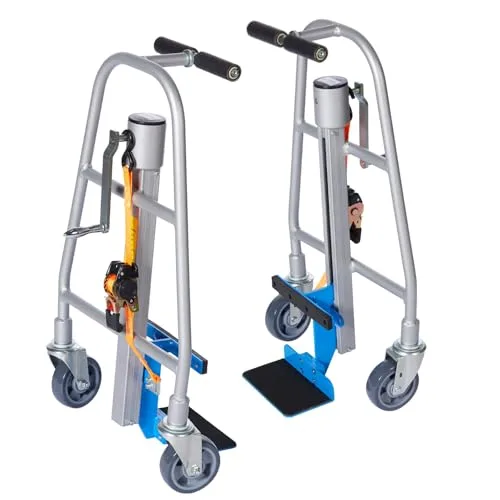
Image source: Bing (Web (fair-use with source credit))
Quick Answer
To move a treadmill, fold the deck if you can and lock it. Secure the console, power cord, and safety key. Measure every doorway and stairwell first.
Use a dolly or furniture sliders with two helpers. If it won't fit, disassemble the console per the manual.
First Question: Do You Even Need to Disassemble It? (Folding vs. Non-Folding)
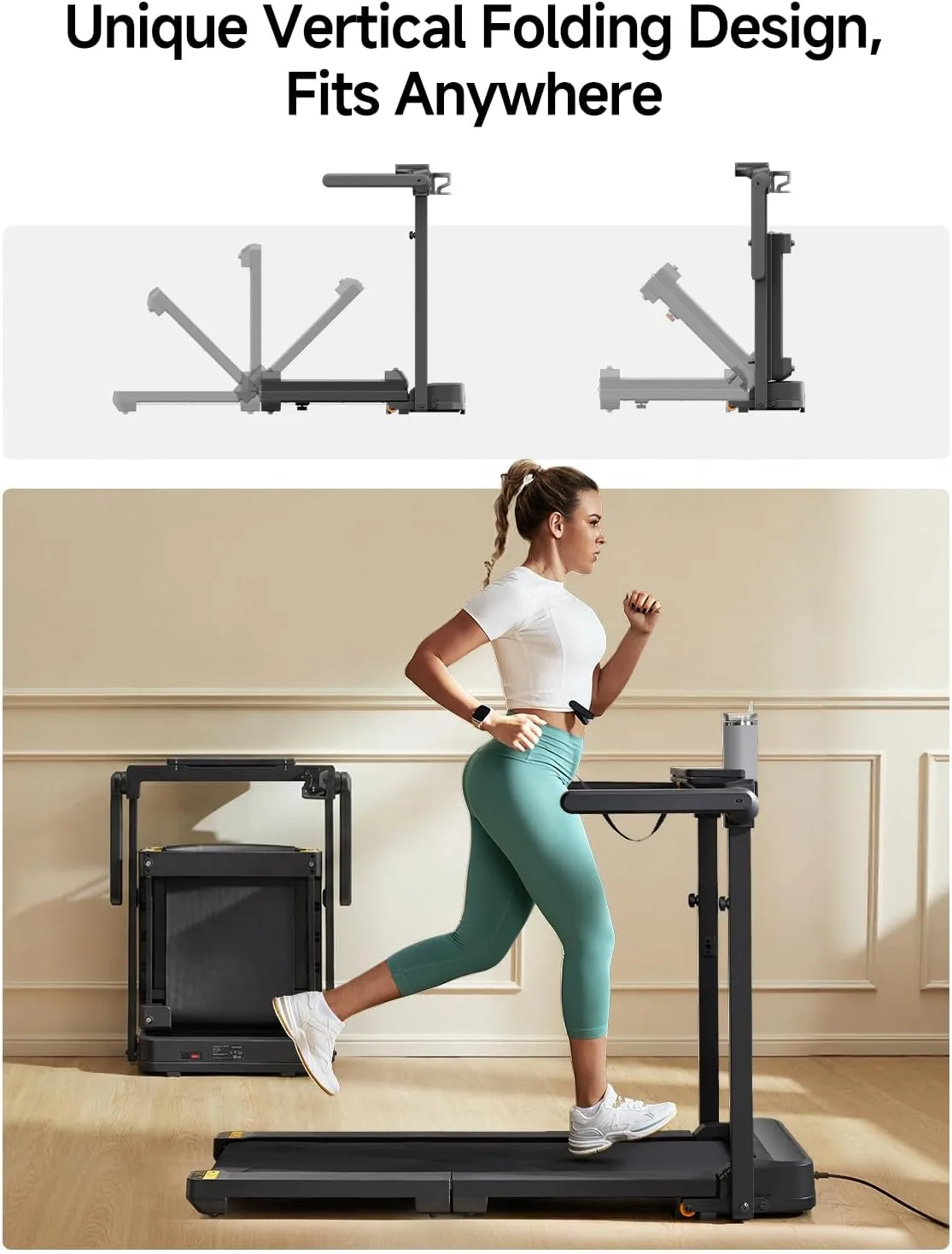
Image source: Bing (Web (fair-use with source credit))
Look at the frame before you plan anything. Folding treadmills have a hinge under the deck. You lift the deck up until it locks.
Non-folding treadmills have a fixed frame that needs much more overhead clearance.
If your treadmill folds, you can often move it through the house without taking anything apart. If it doesn't fold, or if the folded height still won't clear your doorways, you'll need to remove the console or handlebar posts. Most home treadmills fold.
Most commercial gym models don't. That's the first branch of the decision tree.
Check the manual first
Your owner's manual tells you what can come off. Some consoles detach with a few hex bolts. Others thread wires through the upright posts, and pulling the console off the wrong way breaks the harness.
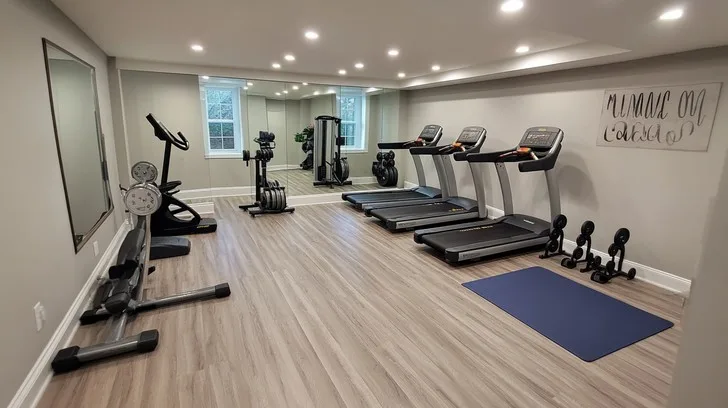
Before you commit to hauling anything, it's worth asking whether a big cardio machine is really earning its floor space in your home gym.
As of 2026, most manufacturers still recommend moving a foldable treadmill with the deck locked upright. Props or bungee cords don't count as a latch. Use the frame's locking mechanism.
Choose Your Route: What's Between You and the Truck? (Doorways, Hallways, Stairs)
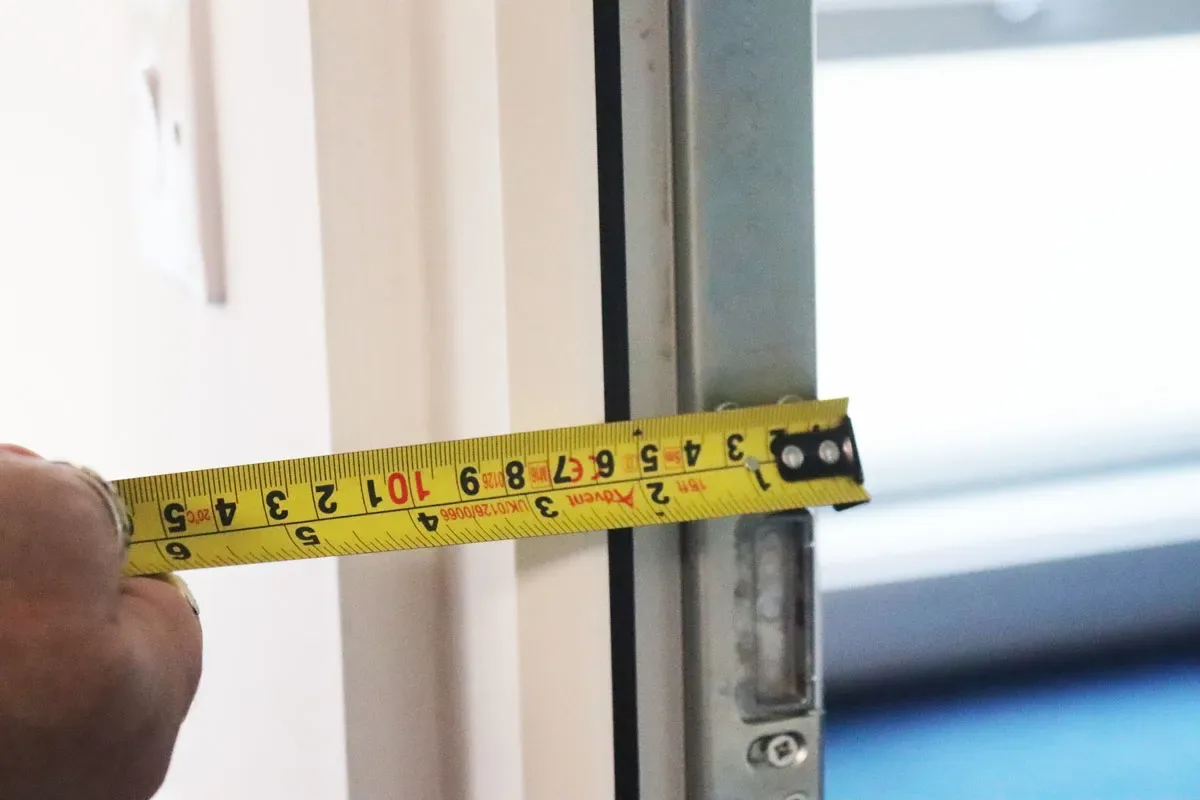
Image source: Bing (Web (fair-use with source credit))
Now walk the exact path before you lift anything. Measure doorways, hallway widths, and every stair landing. Standard home doorways are 30 to 32 inches wide.
A folded treadmill deck is around 20 inches wide, but the folded height can reach 60 to 70 inches.
If the path is flat and wide, furniture sliders are enough. If there are stairs, you'll want a dolly with stair-climbing wheels. If a landing has a tight 90-degree turn, that's where treadmills get stuck.
The clearance test
Hold a tape measure at the narrowest points. You need about 2 inches of clearance on each side. Check the ceiling height on stair landings too.
As of 2026, most residential stairwells are 36 inches wide, but older homes often dip to 30 inches. A 70-inch-tall folded treadmill might not make it under a 7-foot ceiling.
Take the console off early if the numbers look tight. Removing a few bolts is far easier than carrying a 250-pound machine backward off a landing. The same clearance math applies if you're also moving a second machine.
For example, an exercise bike with a different frame style needs the same door width checks.
Decision Branch: Moving Solo or With Help, and Which Tools to Use
This is the second branch. Your realistic options are three: move it alone, move it with one other person, or hire professional movers. If you have a helper and a dolly, you're in the sweet spot.
If you're alone, only attempt it on a flat, obstacle-free route with furniture sliders. Never take a staircase solo.
If your route includes stairs and you don't trust your lower back, call a mover. Two professional movers can handle the safety concerns quicker than you can improvise a pulley system. Here's the tool breakdown.
| Tool | When you need it | What it does | | Furniture sliders | Flat floors, solo moves | Let the frame glide over carpet or hard flooring | | Two-wheel dolly | Doorways and stairs | Holds folded treadmills upright during transport | | Stair-climbing dolly | Staircases and tight landings | Uses three wheels to step down slowly | | Lifting straps | Two-person carries | Diverts weight from your spine to your shoulders | | Moving blankets | Any trip on a truck | Protects the console and prevents scratches |
A dolly rental from a home improvement store runs about $20 to $50 per day. When in doubt, follow OSHA's lifting guidelines for team lifts. If the move is part of a full home gym rearrangement, it's worth considering how much space free weights take up before you push furniture back.
The Move: Step-by-Step Guide From Unplugging to Loading the Truck
Follow this order and you'll avoid most of the damage that happens on moving day.
- Unplug the power cord and remove the safety key. Put the key in the console cup holder or a zipper pouch.
- Fold the deck and lock it into place. Non-folding models stay as they are.
- Secure the console. Use zip ties or velcro straps around the cables so nothing swings during the carry. Check every bolt and joint, because a loose part is easier to fix now than after transport.
- Clear the path again. Move rugs, furniture, and doorstops. Tape or lift any cables along the route.
- Lay moving blankets down for tight turns. This protects both the tread and your walls.
- On flat ground, use furniture sliders. Push the treadmill, don't drag it by the console.
- For stairs, strap the folded treadmill to a dolly. Keep the heavy end downhill and let two people control the descent.
- Load the truck via a ramp or liftgate. Tie the frame to an anchor point, not just to itself.
If the machine tilts too far forward, the deck can swing down. That's how fingers get pinched. Keep the deck locked until the treadmill is flat on the floor.
Common Mistakes That Damage Treadmills (and What to Do Instead)
Most treadmill damage happens in a few predictable ways. Knowing these can save you repair bills.
Laying the deck flat when the manual says not to. Some models have a motor assembly that can shift, bend the frame, or crush wiring when laid on the side. If your manual is vague, keep the treadmill upright. The same attention to basic upkeep applies to other home gym machines.
Lifting by the console or motor cover. Those plastic parts look sturdy, but they're not structural. Lift only from the metal frame or the folding deck. If that doesn't feel solid, use the dolly.
Forgetting to lock the folded deck. A folded deck that swings loose is dangerous. It can pinch fingers, hit walls, and knock the treadmill off balance. Always engage the latch and secure it with a strap anyway.
Dragging instead of pushing. Dragging scratches floors and can snap the belt alignment. Use furniture sliders for flat stretches and a dolly for stairs. That same logic helps you track down odd noises in other equipment before they turn into expensive repair bills.
Ignoring the power cord. The cord can catch on door hinges and rip loose from the motor. Wrap it and tape it to the frame before moving.
Frequently Asked Questions
Can you move a treadmill by yourself?
Yes, but only on flat, clear paths. Furniture sliders make solo moves possible on hardwood, laminate, and low-pile carpet. For stairs, don't try it alone.
Even with a dolly, you need someone to control the descent and spot the turn.
Can you lay a treadmill down to move it?
Not always. Check the owner's manual first. Some treadmills can lie flat on the deck, but many have wiring or a motor mount that can shift.
When in doubt, keep the deck folded upright. That's the safest default, especially for transport in a truck.
How much does it cost to hire professional movers?
Expect $150 to $400 for a two-mover team, depending on stairs, distance, and how heavy the machine is. White-glove moving services run higher, often $400 to $700 including truck transport. If you value your back and your banisters, it's money well spent.
Do I need to disassemble the console?
Only if the folded treadmill won't fit through your doorways or stairwell. Some consoles detach with hex bolts, but others have wires running through the upright posts. Follow the manual exactly.
Improper removal can break the wire harness, which is costly to replace.
When should I hire movers instead of doing it myself?
Hire movers if you're dealing with narrow stairs, a 90-degree landing, or a non-folding treadmill over 300 pounds. Also consider it if the route includes any steps while you're alone. Treadmills are a leading cause of home exercise equipment injuries, per Consumer Product Safety Commission data, so professional help is worth the cost when conditions are risky.