How to Adjust an Elliptical Machine
So, you've got an elliptical machine and you're ready to get a great workout, but something feels a little… off? Maybe it's too hard, too easy, or just not feeling comfortable. Don't worry, we've all been there!
Adjusting your elliptical is key to making sure you get the most out of every session and avoid any aches and pains. Think of it like tuning up a bike, a few simple tweaks can make a world of difference.
Let's walk through how to get your machine dialed in perfectly for you.
Quick Answer
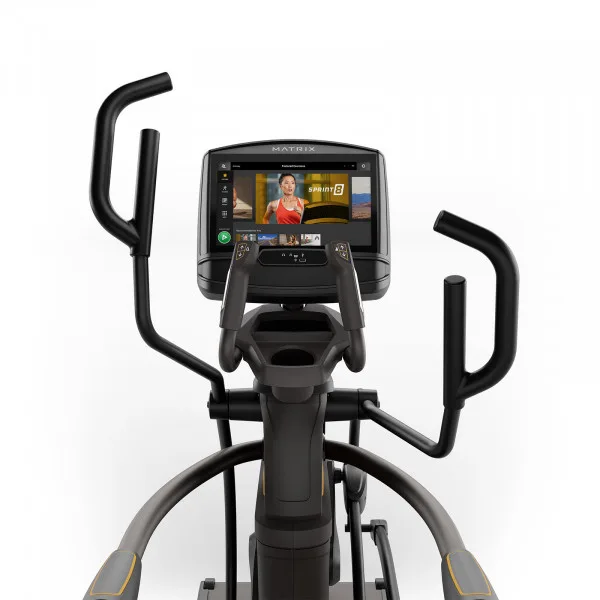
To adjust an elliptical machine, focus on stride length, resistance, and incline. Check your owner's manual for specific levers or console settings. Aim for a comfortable stride that feels natural, not strained.
Increase resistance or incline for a tougher workout. Ensure the machine is stable and level for quiet operation.
Why Your Elliptical Adjustments Matter
Getting your elliptical machine set up just right is more than just about comfort; it's essential for an effective and safe workout. An improperly adjusted machine can lead to a less efficient calorie burn and, more importantly, can put unnecessary stress on your joints. Manufacturer specifications often emphasize proper setup, detailing how different settings impact biomechanics.
For instance, a stride length that’s too long can strain hip flexors, while one that’s too short might not engage your glutes fully. As of 2026, many modern ellipticals offer customizable stride lengths, often adjustable between 18 and 22 inches, allowing for a highly personalized fit. Making these adjustments ensures you're working out safely and getting the maximum benefit from your cardio.
Quick Guide: What's Your Elliptical Goal?
Before you start twisting knobs or hitting buttons, ask yourself what you're trying to achieve with your workout. Your goal will determine which adjustments are most important.
- Are you looking for more comfort? Maybe your stride feels awkward, or you're getting some strain in your knees or hips. This means focusing on stride length and handlebar position.
- Do you want a tougher workout? If you're feeling like you're breezing through it, it's time to ramp up the challenge with resistance or incline.
- Are you trying to target specific muscles? Certain incline angles can shift the emphasis to your glutes or hamstrings more than others.
- Is the machine making noise or wobbling? Sometimes, an "adjustment" is really about fixing a small maintenance issue, like leveling the machine.
Your answer here points you in the right direction for making the best changes.
Adjusting for Comfort: Finding Your Natural Stride
This is probably the most common reason folks need to tweak their elliptical. A comfortable stride is crucial for a good, long workout, and it helps prevent strain on your joints.
- Stride Length: Many newer ellipticals let you adjust the stride length. This is huge! If the stride feels too short and choppy, or too long and you're feeling stretched, look for a lever or a digital setting to change this. A longer stride often feels more natural for taller individuals, while a shorter one might suit others better. It’s all about finding that sweet spot where your legs feel fluid and engaged without overextension. For example, if you're over 6 feet tall, you might find a stride length of 20 inches or more feels natural.
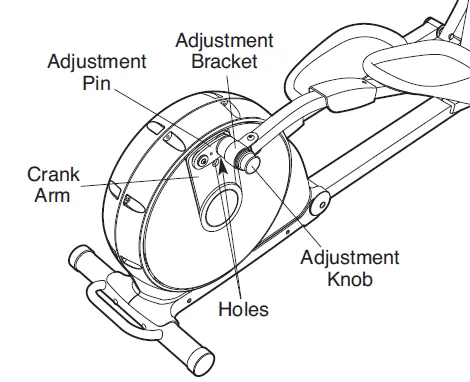
- Handlebars: Make sure the handlebars are at a height that allows you to maintain good posture. You shouldn't feel like you're hunching over or reaching too high. Many handlebars are adjustable, either by tilting or sliding. Proper handlebar height supports your core and prevents back strain.
- Pedal Position: Some ellipticals have pedals that can be adjusted slightly, either inward or outward, or have cushioned surfaces. This is less common but worth checking for if you have specific foot or ankle needs or experience discomfort.
Turning Up the Intensity: Cranking Up Resistance and Incline
Ready to really push yourself and get a more challenging workout? Most ellipticals have straightforward ways to make your workout harder, which is key for progression and hitting fitness goals like is an exercise bike good for weight loss.
- Resistance Levels: This is the most common and direct way to increase difficulty. You'll usually see buttons on the console that say "Level Up" or "Level Down," or perhaps a dial. Increasing resistance makes the pedals harder to push, similar to pedaling up a hill on a bicycle. Start with small increases, perhaps by one or two levels at a time, and see how it feels before making further changes. Most machines offer a range, from level 1 for a light workout up to level 20 or more for a serious challenge.
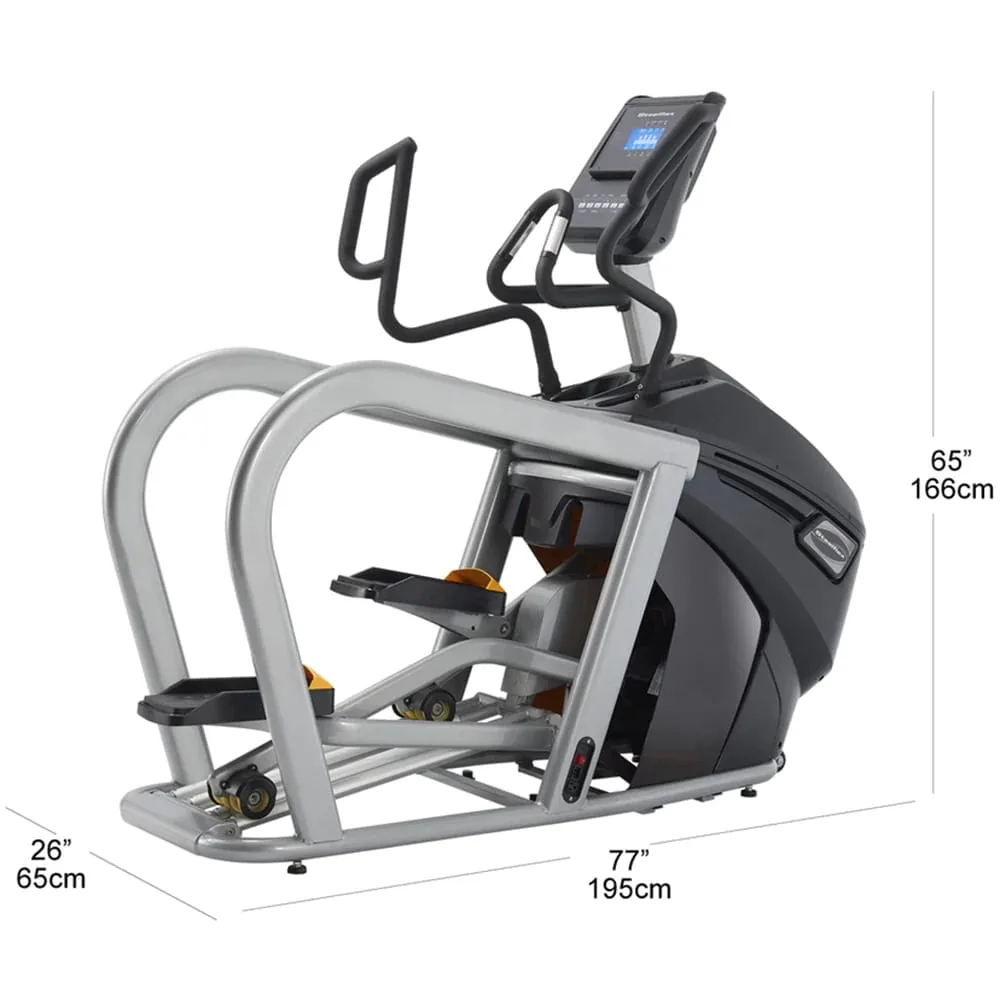
- Incline: Some higher-end ellipticals feature an adjustable incline. This changes the angle of the "track" the pedals move on. A steeper incline can target different muscle groups, like your glutes and hamstrings more intensely, and significantly increase the overall difficulty of the workout. This is often controlled via dedicated buttons on the console.
Common Elliptical Fit Problems and How to Solve Them
Even with the right settings, you might encounter issues that affect your workout experience. Knowing how to troubleshoot these common problems can save you frustration and keep you moving.
- Awkward or Unnatural Stride: If your legs feel like they're moving in a way that doesn't feel right, it's often a stride length mismatch. As mentioned, look for adjustable stride settings. If your machine doesn't have this feature, you might need to adjust your pedaling speed and intensity to compensate. Sometimes, simply shifting your foot position slightly on the pedal can help find a more comfortable groove.
- Joint Pain (Knees/Hips): This is a major red flag. Pain usually indicates an improper fit or too much intensity too soon.
- Too much resistance/incline: Back off the settings. You should be able to maintain a conversation (or sing, if you're feeling bold) at a moderate intensity.
- Stride length: If it’s too long, you might feel it in your hips. Too short, and your knees might feel stressed. Adjust as described previously.
- Posture: Hunching over can also lead to strain. Ensure your back is straight and your core is engaged.
- Foot Numbness or Discomfort: This can sometimes be due to the pressure on your feet. Try adjusting your foot placement on the pedal. If your machine has adjustable pedals, experiment with their angle or position. Wearing appropriate, supportive athletic shoes is also crucial; thin socks or street shoes won't provide the necessary cushioning or stability.
Using Your Elliptical Console Like a Pro
The console on your elliptical is your command center, giving you control over your workout and providing valuable feedback. Understanding its features can help you get the most out of every session.
- Quick Start: Most machines offer a simple "Quick Start" or "Manual" mode where you just hop on and begin pedaling. You can then manually adjust the resistance and incline as you go, offering complete control.
- Pre-set Programs: Many ellipticals come equipped with built-in workout programs. These are fantastic for variety and can automatically adjust resistance and incline throughout your session to mimic hills, intervals, or other training styles. Look for programs like "Interval," "Hill Climb," or "Fat Burn." These can help you push your limits and discover new training methods.
- User Profiles: If multiple people in your household use the machine, setting up individual user profiles is a game-changer. This allows each person to save their preferred settings, height (for stride calculations), and fitness goals. It means you won't have to re-enter your personal data every time you use the machine, and it helps the console track your progress more accurately over time.
- Display Metrics: Pay attention to what the console shows:
- Time: How long you've been exercising.
- Distance: An estimated distance covered.
- Speed: Your current pace.
- Calories Burned: A rough estimate of energy expenditure.
- Heart Rate: If your machine has hand pulse sensors or is compatible with a chest strap, this is vital for training in specific heart rate zones.
When to Check Your Elliptical's Leveling and Stability
A wobbly or noisy elliptical isn't just annoying; it can be a sign that something isn't quite right, potentially impacting performance and safety. Addressing these issues can make your workout much more enjoyable and effective.
- Is It Moving? If your elliptical rocks side-to-side or front-to-back, it's likely not level. Most machines have adjustable feet on the base. These are typically screw-in knobs that you can twist up or down. Place a level on the machine's frame and adjust the feet until it sits perfectly flat. This simple step can drastically reduce wobble and associated noises.
- Squeaks and Creaks: These noises can stem from a few places.
- Loose Parts: As with any mechanical equipment, bolts and screws can loosen over time. If you hear a persistent creak, it might be worth checking if any major structural bolts need tightening. Always consult your owner's manual for guidance.
- Dry Joints: Moving parts may need lubrication. Manufacturer documentation often specifies the type of lubricant and where to apply it.
- Pedal Issues: Sometimes, noise comes from the pedals themselves. If your machine is making a consistent squeaking sound from the pedal area, it might require attention, similar to how why is my exercise bike pedal making noise might occur on a bike.
Step-by-Step Process: How to Guide
Making adjustments to your elliptical machine is a process that involves a few key steps, depending on your goal. Whether you're looking for comfort or a harder workout, understanding the sequence will help you achieve it efficiently.
- Identify Your Goal: First, determine what you want to change. Is it stride comfort, workout intensity, or perhaps a mechanical issue?
- Consult Your Manual: Always refer to your elliptical's owner's manual. This document is your definitive guide for your specific model's features and adjustment points.
- Locate Adjustment Points: Based on your goal, find the relevant adjustment feature. This could be a dial, a button on the console, a lever, or a manually adjustable foot.
- Make Small Adjustments: If changing resistance, incline, or stride length, start with small increments. Test the change by pedaling for a minute or two.
- Evaluate the Result: Does the adjustment meet your goal? Is it more comfortable? Is the intensity right? Make further small adjustments as needed.
- Check for Stability: If you've adjusted the machine's position or made significant changes, ensure it remains stable and doesn't wobble.
For instance, if you're aiming to increase intensity, you'd typically start by pressing the "increase resistance" button on the console. If that doesn't feel challenging enough, you might then engage the incline adjustment if your model has it. Finding the right balance often requires a few minutes of trial and error.
Mistakes to Avoid: Common Errors
Even with clear instructions, it's easy to make mistakes when adjusting your elliptical. Being aware of these common pitfalls can help you avoid them and ensure a better workout experience.
- Over-adjusting Resistance Too Quickly: Jumping from a low resistance level to a very high one without gradual progression can lead to muscle strain or an unsustainable workout. It's better to increase resistance incrementally, allowing your body to adapt.
- Ignoring Your Body's Signals: If an adjustment causes discomfort or pain, stop immediately. Pushing through pain, especially in your knees or hips, can lead to injury. An improper stride length, for example, can cause significant joint stress.
- Failing to Level the Machine: A machine that isn't level can be noisy and unstable. This not only disrupts your workout but can also put uneven stress on the machine's components, potentially leading to premature wear and tear.
- Skipping the Owner's Manual: Every elliptical model is slightly different. Assuming all machines adjust the same way can lead to confusion or incorrect adjustments. Your manual is the best resource for your specific equipment.
- Not Considering Stride Length: Many people focus only on resistance, forgetting that stride length significantly impacts comfort and muscle engagement. If your stride feels awkward, it's the first thing to investigate.
Expert Tips: Pro Advice for Optimal Adjustments
To truly get the most out of your elliptical, consider these tips from seasoned fitness professionals and insights gathered from extensive user feedback. These insights go beyond basic adjustments to fine-tune your experience.
- Vary Your Workouts: Don't stick to the same settings every time. Use the pre-set programs or manually change resistance and incline throughout a single session. Alternating between high-intensity intervals and recovery periods is highly effective for cardio fitness. Consider incorporating different programs throughout the week to work your body in new ways.
- Focus on Form: Good posture is key. Keep your back straight, shoulders relaxed, and core engaged. Avoid leaning heavily on the handlebars, which can reduce the effectiveness of your core workout and put strain on your back. Imagine a string pulling you up from the crown of your head.
- Listen to Your Heart Rate: If your elliptical has a heart rate monitor, use it! Training within specific heart rate zones can help you achieve different goals, whether it's fat burning or cardiovascular improvement. Many fitness resources provide charts for recommended heart rate zones based on age. For instance, a moderate-intensity zone for fat burning is often around 60-70% of your maximum heart rate.
- Warm-Up and Cool-Down: Always start with a 5-minute warm-up at a low intensity and finish with a 5-minute cool-down. This prepares your body for exercise and aids recovery, reducing muscle soreness.
Comparing Elliptical Adjustments to Other Cardio Machines
While ellipticals offer unique adjustment options, it's helpful to see how they stack up against other common cardio machines. Each has its strengths and how you adjust it impacts the workout.
- Elliptical vs. Exercise Bike: Both allow for resistance adjustments. However, an elliptical's primary adjustment is stride length and incline, which creates a full-body, low-impact motion. An exercise bike primarily adjusts seat height and handlebar position, focusing on lower body and core engagement. If you're looking for a full-body workout with less joint impact, the elliptical often has the edge. You can learn more about the differences in what is the difference between an exercise bike and a treadmill.
- Elliptical vs. Treadmill: Treadmills allow you to adjust speed and incline, simulating walking and running. The elliptical's motion is more controlled and less impactful than running on a treadmill. If you have joint issues, the elliptical's smooth, gliding motion is usually a better choice. Treadmills offer a more dynamic, weight-bearing workout. The space requirements for treadmills can also be greater; for context, see how much space does an exercise bike need.
Ultimately, the best machine depends on your personal fitness goals, any physical limitations, and what you enjoy most.
Maintenance for Longevity: Keeping Your Elliptical Tuned
Regular maintenance is crucial for ensuring your elliptical machine continues to operate smoothly and allows for accurate adjustments. Consistent care prevents bigger problems down the line.
- Regular Cleaning: Wipe down the machine after each use to remove sweat and dust. A clean machine looks better and prevents grime buildup on moving parts.
- Check for Loose Parts: Periodically, especially if you hear new noises, inspect visible bolts and screws to ensure they are tight. This is a straightforward check that can prevent minor issues from becoming major ones.
- Lubrication: Consult your owner's manual for recommended lubrication points and frequency. Moving parts, like pedal joints or pivot points, may require occasional lubrication to prevent squeaks and ensure smooth operation.
- Calibration: Some higher-end ellipticals might have a recalibration function accessible through the console. If you notice resistance or stride length seems off, check your manual to see if recalibration is possible. This ensures the machine's sensors are reporting accurately.


One Comment