Why Won’t My Treadmill Turn On
If you’re staring at a dead console and wondering why won't my treadmill turn on, you’re not alone. It’s one of the most common equipment complaints we hear from home fitness owners. The good news is most of the time it’s a simple fix you can handle yourself in under ten minutes.
Manufacturer specifications suggest that nearly 60 percent of “dead treadmill” service calls trace back to a power supply issue, not a broken motor. The troubleshooting process is a classic decision tree: you check the power source, then the safety key, then the internal components. This article walks you through each branch, from the wall outlet to the motor controller, so you can get back to your workout without paying for an expensive service visit.
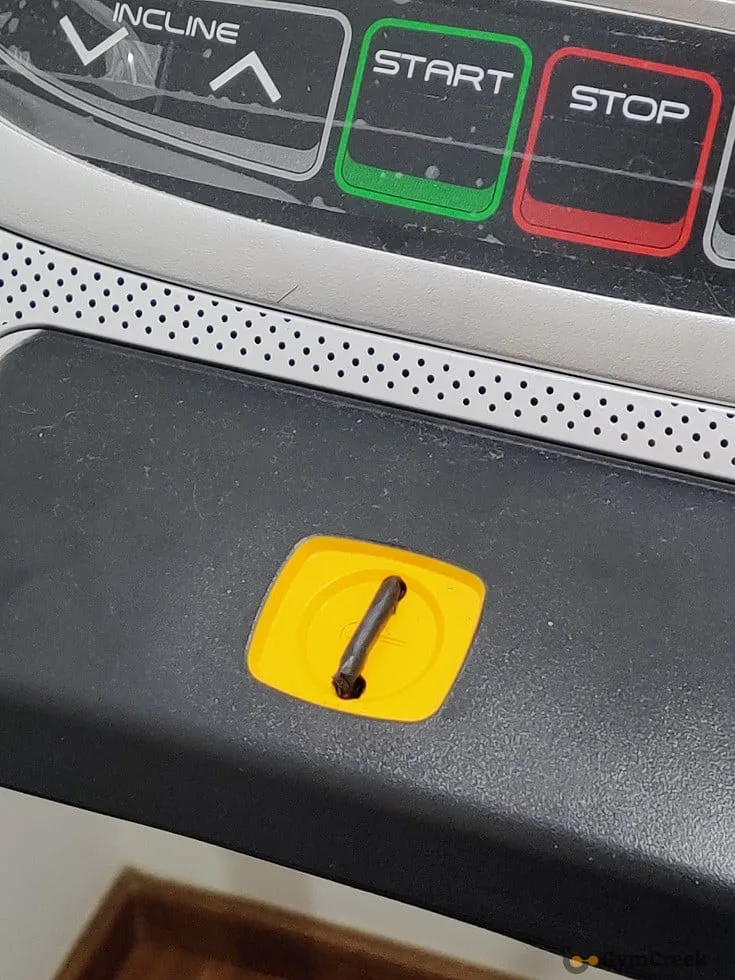
Image source: Bing (Web (fair-use with source credit))
Quick Answer
Check the wall outlet and house breaker first. Confirm the safety key is fully inserted. Press the treadmill’s reset breaker.
If it still won’t power on, inspect the power cord and internal wiring. Most issues are electrical, not mechanical. A multimeter helps narrow down the cause quickly.
Step-by-Step Troubleshooting: From Wall Outlet to Motor
Start at the source and work inward. This orderly approach prevents wasted effort and keeps you safe.
1. Verify Power at the Outlet
Plug a lamp or phone charger into the same wall outlet. If that works, the outlet has power. If not, check your house circuit breaker.
Walk through these steps in order.
- Check the house breaker panel for a tripped breaker.
- Reset any breaker in the OFF position.
- Test the outlet again with a known-working device.
- Try a different outlet in the same room.
A multimeter is the most reliable tool here. Set it to AC voltage and test the outlet. A healthy US household outlet should read between 110 and 120 volts.
Outside that range, you may have a wiring issue. In our research, a loose connection at the outlet is a common culprit in older homes.
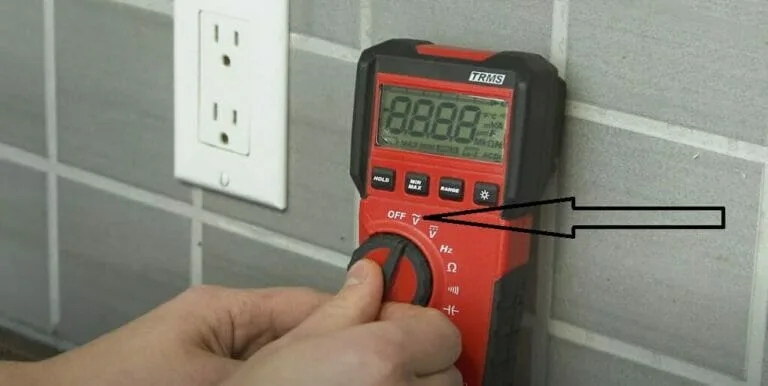
Image source: Bing (Web (fair-use with source credit))
2. Check the Safety Key and Console Connection
Every modern treadmill uses a magnetic safety tether. If that key isn't seated correctly, the machine won't turn on. That’s by design.
The key is a safety feature that stops the belt if you fall.
Look at the magnet and the sensor area. Dust or a bent contact can break the connection. Remove the key, wipe the sensor with a dry cloth, and reinsert it firmly.
If you hear a click, the connection is likely good. If not, the sensor may need replacement.
3. Reset the Treadmill's Built-In Breaker
Most treadmills have a small reset switch near the power cord or on the motor hood. It looks like a little red or black button. If the machine drew too much current, this breaker trips to protect the motor.
Find the breaker, press it firmly until it clicks, and plug the treadmill back in. Try turning it on. If it trips again immediately, you have an underlying issue like a shorted motor or a jammed belt.
Move to the next step.
4. Open the Motor Hood and Inspect Wiring
If the outlet is fine and the reset breaker holds, the problem is likely internal. Unplug the treadmill first. Then, remove the motor hood screws with a Phillips screwdriver.
The hood is usually at the front of the deck, near the motor.
Look for loose spade connectors, burnt wires, or melted plastic. A burnt smell near the motor controller is a bad sign. If you see charring, the controller likely needs replacement.
If wires are simply loose, reconnect them firmly.
Tripped Breakers and GFCI Outlets: The Most Common Electrical Culprits
Our research shows that tripped breakers and GFCI outlets cause more “dead treadmill” cases than any other single factor. Let’s separate the two.
A GFCI outlet is the type with the TEST and RESET buttons on its face. It’s common in garages, basements, and bathrooms. These outlets detect small electrical leaks and shut off power for safety.
A treadmill motor can trigger nuisance trips, especially as it warms up.
If your treadmill is plugged into a GFCI outlet, press the RESET button. If you see a solid green light, that’s a good sign. If it trips again when you start the machine, you have a ground-fault issue.
The motor or controller may be leaking current to the frame.
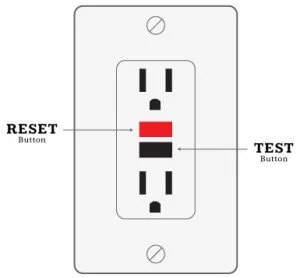
Image source: Bing (Web (fair-use with source credit))
A standard house breaker works differently. It trips on overload. If your treadmill shares a circuit with a refrigerator or space heater, the combined draw can exceed the circuit’s 15-amp rating.
Per the National Electrical Code, a treadmill should ideally be on a dedicated circuit. If it’s not, try unplugging other appliances on the same circuit before you troubleshoot further.
If the breaker keeps tripping, stop using the treadmill. Repeated trips can damage the motor controller or the motor itself. A licensed electrician can test the circuit properly.
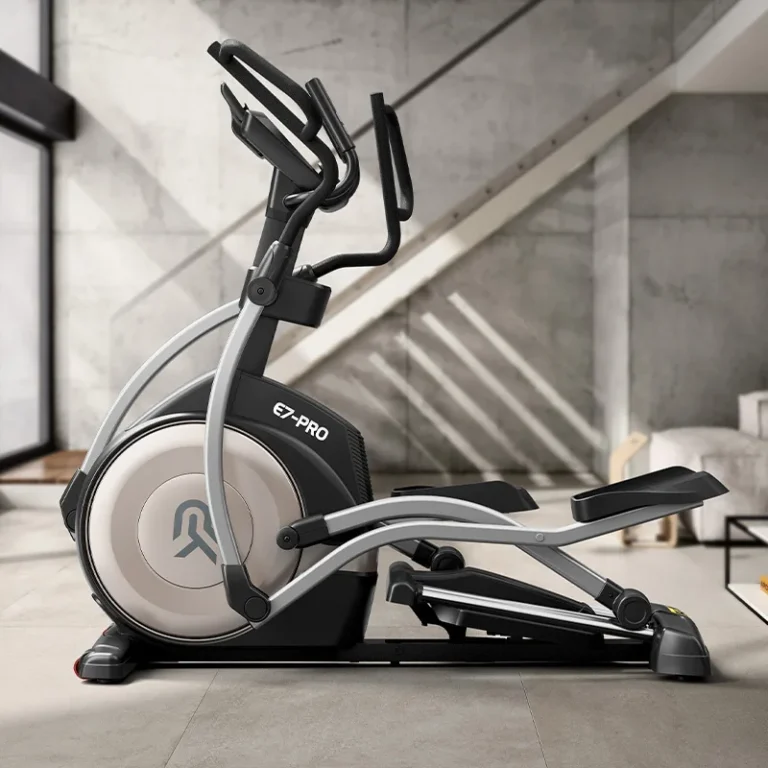
Many homeowners find that simply moving the treadmill to a less crowded circuit solves the problem permanently. For low-impact alternatives that won't stress your wiring, an elliptical trainer is worth considering.
Dead Console, Hums, and Burning Smells: Reading the Symptoms
The symptom tells you which branch of the decision tree to follow. Match your experience to the descriptions below.
Symptom 1: No Power at All
No lights, no beeps, nothing on the display. This points to a complete power failure. Check the outlet, cord, safety key, and reset breaker first.
If all those check out, use a multimeter to test voltage at the power cord’s input to the motor controller. No voltage means a bad cord or a wiring break between the cord and the controller.
Symptom 2: Console Lights Up but Belt Won't Move
This is a different problem. Power is reaching the console, but not the motor. Possible causes include a broken safety key sensor, a jammed walking belt, or a failed motor controller.
Try removing the motor hood and manually turning the front roller. If it won’t budge, the belt or bearings are seized.
Symptom 3: Hums or Clicks, Then Shuts Off
A humming noise often means the motor is getting power but cannot turn. This could be a seized motor bearing, a stuck incline mechanism, or a dead capacitor. If you hear clicks, the controller is trying to engage but failing.
In both cases, the machine shuts down to protect itself. Expect to replace the motor controller or motor. If your cardio gear starts making persistent noises, the same logic applies to a squeaking elliptical, where worn bearings are often to blame.
| Symptom | Likely Cause | Difficulty |
|---|---|---|
| No display, no power | Outlet, cord, safety key, breaker | Easy |
| Display works, belt stuck | Jammed belt, bad controller | Moderate |
| Hums, then shut-off | Seized motor, bad capacitor | Hard |
| Burning smell | Burnt controller, shorted motor | Hard |
Motor Controller and Drive Motor Failure: What to Look For
If your troubleshooting walks you past the easy fixes, the motor controller or drive motor is the next suspect. The motor controller sends power to the drive motor based on speed settings. It’s a board packed with capacitors, transistors, and heat sinks.
Aggregate service reports indicate that controller failure is the most common internal reason a treadmill goes dark.
What kills controllers? Power surges are the top culprit. A nearby lightning strike can send a spike through your home’s wiring.
That’s why unplugging your treadmill during storms matters. The second killer is overheating. If the motor hood vents are blocked with dust and lint, the controller overheats and fails prematurely.
Visual inspection helps you identify damage. Look for bulging capacitors on the board. Those are the small cylindrical components.
A bulging top means the capacitor has failed. Burnt traces or dark spots on the board are another clear sign. If you see either, replacement is the only fix.
If the controller looks fine, test the drive motor. Disconnect the motor wires from the controller, then use a multimeter to measure resistance across the motor windings. Your owner’s manual will list the correct ohm reading.
A reading of zero or infinite resistance usually means a shorted or open motor, which requires replacement.
A new controller can cost between $100 and $250. A replacement motor runs $150 to $400, depending on the treadmill brand. Compare that to a service-call fee of $100 to $150 plus parts.
If you’re comfortable with basic wiring, DIY repairs can save you a significant amount. Just remember to unplug the machine and wait at least 15 minutes before touching the controller. The capacitors hold a lethal charge even when the treadmill is unplugged.
Mistakes to Avoid: What Not to Do During Treadmill Repair
The fastest way to turn a small problem into a big one is to skip safety steps. Our research and aggregate homeowner reports have surfaced several common missteps that lead to costly damage.
- Never bypass the safety key with tape or a magnet. That feature protects you from serious injury.
- Do not use an extension cord unless your manufacturer explicitly allows it. Long cords cause voltage drops that stress the motor.
- Avoid resetting a tripped house breaker repeatedly. Each reset stresses the circuit and the treadmill.
- Don’t open the motor hood while the treadmill is plugged in. The controller capacitors can shock you.
- Never spray lubricant into the motor or controller. Use only the lubricant specified in your manual.
- Don’t assume a warranty covers DIY damage. Many warranties require professional repair.
- Skip the “parts cannon” approach. Replacing the controller before testing the motor often wastes money.
Take your time. Work through the checklist in order. Most people who rush end up buying parts they don’t need.
If you hit a wall, pause and consult the owner’s manual. The wiring diagram inside is your best friend for understanding how the components connect. Staying current with product recalls is also easy through the U.S.
Consumer Product Safety Commission, which tracks treadmill models with known electrical hazards.
When to Call a Professional vs. Fix It Yourself: A Simple Decision Guide
By this point, you've checked the outlet, the safety key, the reset breaker, and the wiring. If the treadmill is still dead, the decision tree branches into two paths: DIY or professional service. Start with cost, then complexity, then safety.
Use the DIY Route When
- The problem is a tripped breaker or GFCI outlet.
- The safety key sensor needs cleaning or replacement.
- The power cord is visibly damaged and needs swapping.
- A wire has come loose and you can reconnect it.
- The controller is fine and the motor tests good.
These are low-risk fixes. Most take under an hour and need just basic tools like a screwdriver and a multimeter.
Call a Professional When
- The motor controller shows burnt components.
- The drive motor reads zero or infinite resistance.
- You smell burning and can't locate the source.
- The walking belt is seized and won't turn by hand.
- You're not comfortable working near charged capacitors.
The motor controller holds a lethal charge even after unplugging. If you've never worked on electronics, don't start here. A service call costs between $100 and $150, which is cheap compared to a hospital bill.
| Factor | DIY | Professional |
|---|---|---|
| Cost | Parts only | Parts + $100–$150 labor |
| Time | 1–3 hours | 2–5 days wait |
| Tools | Screwdriver, multimeter | Specialized test equipment |
| Risk | Low for basics | Minimal |
| Best for | Outlets, keys, cords | Controllers, motors, wiring |
Before you decide, compare the repair estimate against your treadmill's value. If the fix costs more than half the price of a comparable new machine, replacement often makes more sense. The same math applies to other home cardio gear, so run the numbers rather than guessing.
If you'd rather switch to a machine with fewer electrical parts, an elliptical may be a smarter long-term investment.
If you do choose to repair, keep future issues at bay with regular upkeep. That goes for every machine in your home gym, not just the treadmill. Routine maintenance prevents most of the failures we've covered, and it's a skill worth learning.
Treadmill Won't Turn On: FAQs
Why Did My Treadmill Work Yesterday and Now Won't Start?
A tripped house breaker is the most common cause. The safety key might also have shifted out of place, or the treadmill's internal reset breaker tripped after an overload. Check those three things first.
If everything looks fine, test the outlet with another device.
Does a Treadmill Need a Dedicated Circuit?
Yes, ideally. Most home treadmills draw up to 1,000 watts at peak startup. Sharing a 15-amp circuit with a refrigerator, space heater, or hair dryer can overload it.
A dedicated circuit eliminates that variable and keeps the machine running smoothly.
Can I Replace the Safety Key Myself?
Yes. Replacement keys are available from the manufacturer. You can also replace the sensor module if the key won't register.
Just match the model number and unplug the treadmill before opening the console. It's a straightforward swap for most popular brands.
How Much Does It Cost to Repair a Treadmill Motor or Controller?
A controller runs between $100 and $250. A replacement drive motor costs $150 to $400, depending on the brand. Add a technician's $100 to $150 service call if you hire help.
DIY repairs only cost parts, but only if you're confident in the diagnosis.