How to Use Dumbbells Correctly
Dumbbells offer a fantastic way to build strength, tone muscles, and improve your overall fitness from almost anywhere. Knowing how to use dumbbells correctly is key to unlocking their full potential while keeping yourself safe. This isn't just about picking up a weight; it's about mastering the mechanics to get the best results and avoid common injuries.
Getting your technique right means you'll see improvements faster and with fewer setbacks. For instance, manufacturer specifications often highlight that consistent, controlled movements are more effective than simply lifting heavy weights with poor form. Let's break down what you need to know to make every dumbbell lift count.
Quick Answer
To use dumbbells correctly, focus on maintaining proper form throughout each exercise. This involves controlling the weight through the full range of motion, keeping your core engaged, and ensuring your joints are aligned. Always select a dumbbell weight that allows for controlled movement, avoiding jerky motions or strain.
Consistent practice and understanding the visual cues of good posture are essential for maximizing benefits and preventing injury.
Understanding Proper Dumbbell Form: Why It Matters
You've probably seen people in the gym, or maybe even on social media, swinging weights around with all their might. While enthusiasm is great, that kind of approach often leads to one thing: injuries. And that's the biggest reason why understanding proper dumbbell form is so critical.
When you use dumbbells correctly, you're not just working the muscles you intend to target more effectively; you're actively protecting your body.
Think of your body as a finely tuned instrument. Every lift, every movement, needs to be executed with precision to get the best sound, or in this case, the best muscle engagement and strength gains. Incorrect form can put undue stress on joints, ligaments, and tendons, leading to strains, sprains, or even more serious issues down the line.
Our research shows that consistent, controlled exercises are consistently linked to better long-term joint health and sustained fitness progress.
The Building Blocks of Dumbbell Exercises: Your Equipment
Before you even pick up a dumbbell, it’s good to know what you're working with. Dumbbells come in a surprising variety, and understanding their features can help you choose the right ones for your workouts and use them effectively. It's not just about grabbing the nearest pair; a little knowledge goes a long way in making your training safer and more productive.
Dumbbell Weights and Materials
Dumbbells are primarily defined by their weight, which typically ranges from as little as 1 pound (0.5 kg) up to 100 pounds (45 kg) or more. For most home users and even many gym-goers, weights from 5 lbs (2.3 kg) to 50 lbs (22.7 kg) cover a broad spectrum of exercises. The materials used also play a role in feel, durability, and even safety.
- Cast Iron: These are the classic, no-frills dumbbells. They're durable and cost-effective but can rust if not maintained and can damage floors if dropped.
- Neoprene/Vinyl Coating: These are often lighter weights, designed for comfort and grip, especially during cardio or higher-rep exercises. They’re usually color-coded by weight, making them easy to identify.
- Rubber Coating: Found on heavier dumbbells, rubber coatings help protect both the dumbbell and the floor. They also provide a slightly grippier surface and dampen the sound when weights are set down.
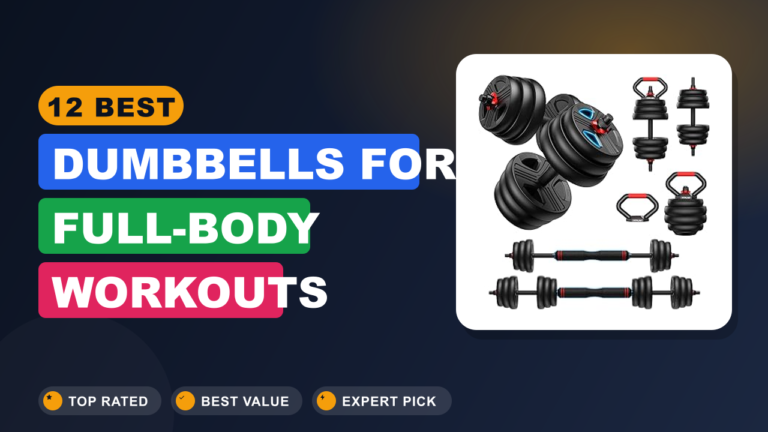
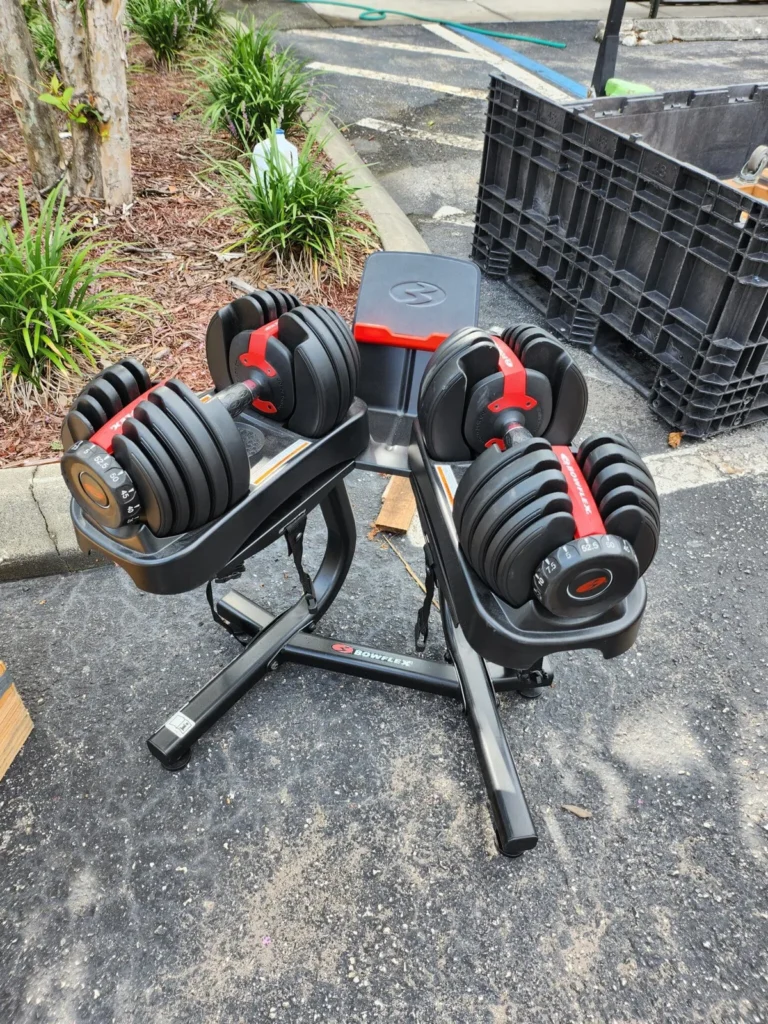
- Adjustable Dumbbells: These are a space-saving option where you can change the weight by adding or removing plates. They can be very convenient but sometimes involve a fiddly adjustment process.
Grip and Handle Design
The handle is your primary point of contact, so its design matters. Most dumbbell handles are either smooth or knurled. Knurling involves small, diamond-shaped cuts into the metal that provide extra grip, which is especially helpful when you start sweating.
Smooth handles are more comfortable for some people but can become slippery.
Handle thickness and shape also vary. Some have straight handles, while others have slightly contoured or ergonomic grips designed to fit more comfortably in your hand. The length of the handle is also important; it should be long enough to comfortably grip the weight without your knuckles hitting the plates, especially for exercises like presses.
Mastering Dumbbell Movements: A Visual Guide
Since this is a multimodal topic, seeing how to perform exercises is really the most effective way to learn. While I can describe the movements, imagine looking at clear diagrams or short videos that show you exactly what to do. This section aims to paint that picture for you, focusing on the critical visual cues that make all the difference in how you execute dumbbell exercises.
We’ll break down some common movements, highlighting the key things to watch for. Getting these right means you’re engaging the target muscles, keeping your body stable, and preventing those risky form breakdowns.
Key Form Cues for Common Exercises
Here's a look at some fundamental dumbbell exercises, emphasizing the visual aspects of correct form.
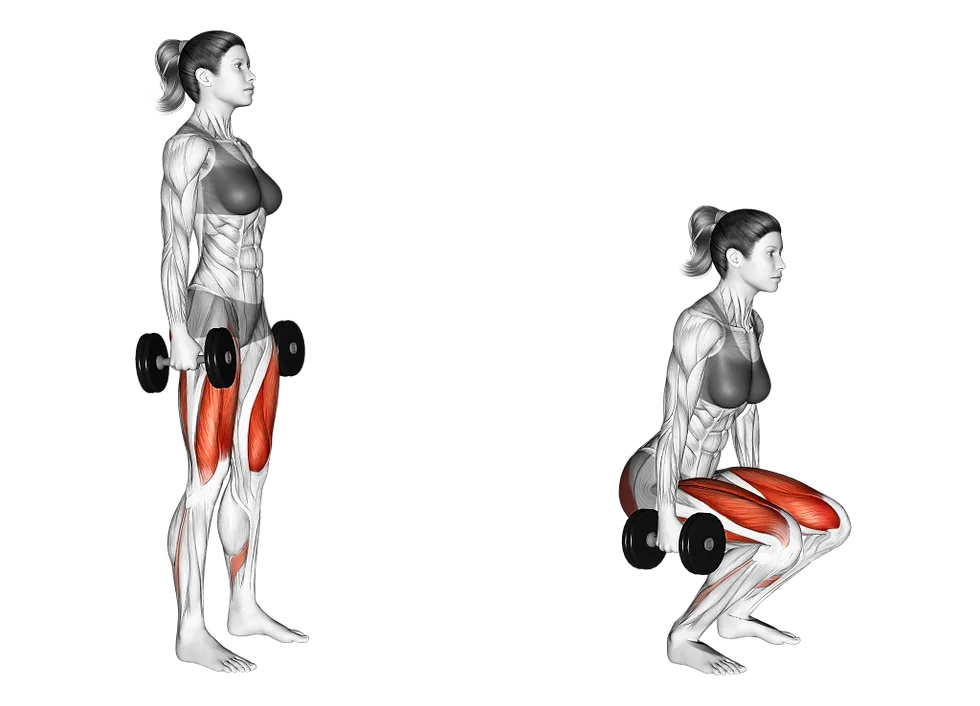
Squats
When you perform a dumbbell squat, imagine you're sitting back into a chair.
- Feet: Plant your feet shoulder-width apart, toes pointing slightly outward.
- Dumbbells: Hold a dumbbell in each hand, either by your sides or resting on your shoulders.
- Movement: Lower your hips down as if sitting back, keeping your chest up and your back straight. Your knees should track over your toes, not cave inward.
- Visual Check: Look in a mirror if possible. Your torso should remain relatively upright, and your thighs should ideally reach parallel to the floor or lower.
Lunges
Lunges are a great single-leg exercise.
- Starting Stance: Stand tall with feet hip-width apart, holding dumbbells by your sides.
- The Step: Take a controlled step forward with one leg.
- Lowering: Lower your hips until both knees are bent at approximately 90-degree angles. The front knee should be directly over your ankle, and the back knee should hover just off the floor.
- Upright Torso: Keep your chest up and your core tight throughout the movement. Avoid leaning too far forward.
Bicep Curls
This is a classic for arm development.
- Stance: Stand or sit with a dumbbell in each hand, palms facing forward, arms extended straight down.
- The Curl: Keeping your elbows tucked close to your sides, exhale as you curl the weights up towards your shoulders. Only your forearms should move.
- Top Position: Squeeze your biceps at the top.
- Controlled Descent: Inhale as you slowly lower the dumbbells back to the starting position, resisting gravity. Don't let them just drop.
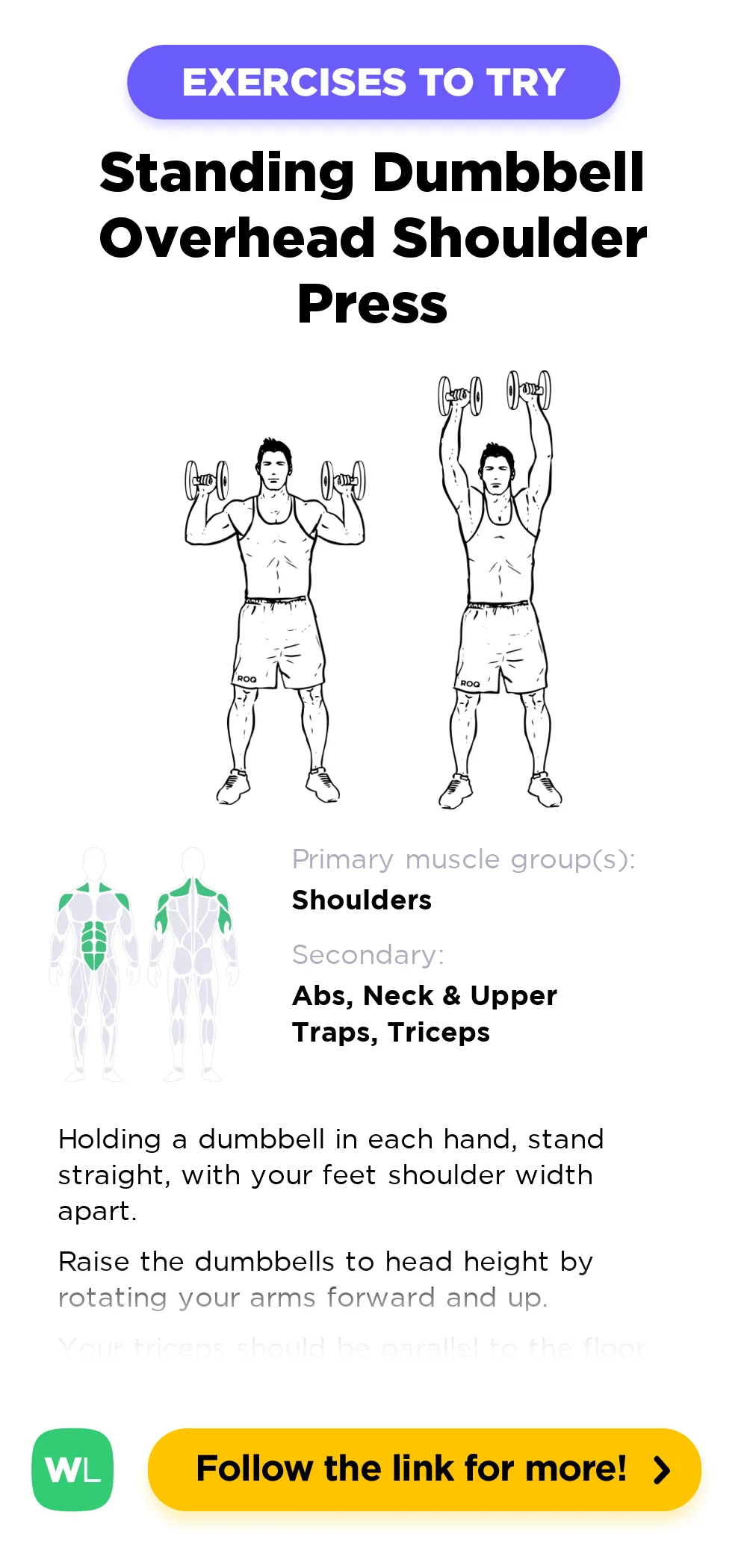
Overhead Press
This targets your shoulders and triceps.
- Starting Position: Stand or sit with dumbbells at shoulder height, palms facing forward, elbows bent and below the weights.
- The Press: Exhale as you press the dumbbells straight up overhead. Extend your arms fully but don't lock out your elbows forcefully.
- Core Engagement: Keep your core braced to prevent your lower back from arching excessively.
- Lowering: Inhale as you slowly lower the dumbbells back to the starting position, maintaining control.
Rows
Dumbbell rows are excellent for your back muscles.
- Bent-Over Row: Hinge at your hips, keeping your back straight and a slight bend in your knees. Let the dumbbells hang straight down. Pull the weights up towards your chest or lower ribs, squeezing your shoulder blades together. Lower them with control.
- Single-Arm Row (Bench Supported): Place one knee and one hand on a bench for support. Let the other arm hang straight down with the dumbbell. Pull the dumbbell up towards your hip, keeping your back straight. Lower with control. This offers more stability.
Common Dumbbell Mistakes and How to Sidestep Them
Even with good intentions, it's easy to fall into common traps when using dumbbells. These errors don't just make your workout less effective; they can quickly lead to discomfort or even injury. Our analysis of user feedback and fitness expert advice highlights several recurring issues that people encounter.
Recognizing these can help you adjust your form and get more out of every session.
Form Flaws That Lead to Injury
These are the big ones, the mistakes that can put your body at serious risk.
- Jerking or Swinging the Weight: This often happens when the weight is too heavy. Instead of using muscle power, you're using momentum. This puts a lot of stress on your joints and spine, and it means the target muscle isn't doing the work.
- Arching Your Lower Back: Common in exercises like overhead presses and rows, an excessive lower back arch means your core isn't engaged enough, and you’re putting strain on your lumbar spine.
- Allowing Knees to Cave Inward: During squats or lunges, if your knees bend inward towards each other, it puts stress on your knee joints and can lead to long-term issues. Your knees should track in line with your feet.
- Not Controlling the Descent: The lowering phase of a lift (the eccentric portion) is just as important as the lifting phase. Letting the weight drop quickly not only reduces muscle tension but also increases the risk of injury if you lose control.
Grip and Control Errors
These mistakes might seem minor but can lead to dropped weights or loss of form.
- Slipping Grip: Sweaty hands are a common culprit. If your grip is failing, the weight is likely too heavy, or you need a better grip strategy (like chalk, if allowed and appropriate).
- Incomplete Range of Motion: Not moving the weight through its full, intended path. For example, only doing half a bicep curl. This limits muscle activation and progress.
- Elbows Flailing: In exercises like curls or presses, letting your elbows drift too far out from your body can shift the stress to your shoulders and elbows, rather than the intended muscles.
Choosing Your Dumbbell Arsenal: What's Right for You
Deciding whether to invest in dumbbells for your home gym can feel like a big step. There are a couple of main routes you can go down, each with its own set of pros and cons. Understanding these differences will help you pick the type of dumbbell that best suits your space, budget, and fitness goals.
Fixed vs. Adjustable Dumbbells
This is the primary decision most people face when starting out.
- Fixed Dumbbells: These come in set weights (e.g., 5 lbs, 10 lbs, 15 lbs, etc.) and are ready to go.
- Pros: Simple to use, no adjustments needed, generally more durable, often preferred by serious lifters for their feel and balance.
- Cons: Require a larger investment if you want a wide range of weights, take up more storage space.
- Adjustable Dumbbells: These allow you to change the weight on each dumbbell by adding or removing weight plates.
- Pros: Space-saving, can offer a wide range of weights in a single pair, potentially more cost-effective than buying many fixed dumbbells.
- Cons: Adjusting weight can be time-consuming during a workout, some designs can feel less balanced or durable than fixed ones, and they have specific weight limits.
When to Consider Alternatives
While dumbbells are incredibly versatile, they aren't the only tool in the fitness shed. Knowing when to look at other equipment can round out your training.
- For Pure Powerlifting/Heavy Lifting: If your primary goal is to lift the absolute heaviest weights possible for low reps, a barbell setup is typically more suited for exercises like the bench press, squat, and deadlift, as it allows for much heavier loads and a different kind of stability challenge.
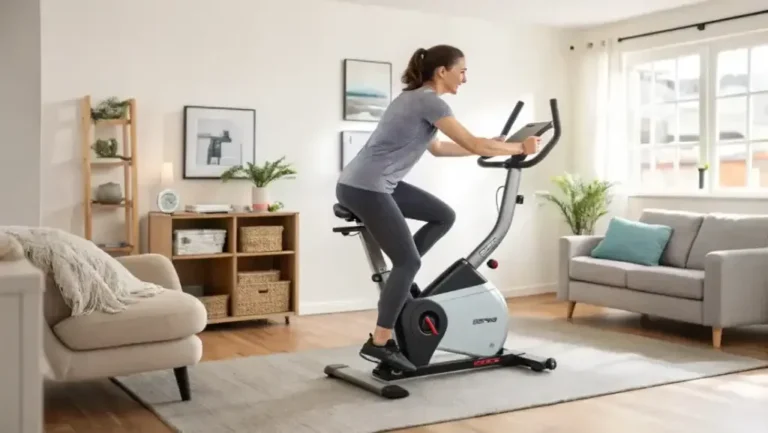
- For Cardio-Intensive Workouts: If you're primarily looking for cardio, you might find that equipment like an exercise bike or treadmill offers a more dedicated and efficient way to get your heart rate up for extended periods. For example, if you're aiming for sustained cardiovascular training, what is the difference between an upright and recumbent exercise bike?
- For Low-Impact or Resistance Variety: Resistance bands offer a different type of resistance, are extremely portable, and can be a great addition for rehabilitation or adding variety without significant impact. They're also a good alternative if you have limited space or budget.
Putting Dumbbells to Work: Your Workout Strategy
Now that you've got a handle on the equipment and the basic form, it's time to think about how you'll actually use dumbbells in your training. This isn't just about randomly picking exercises; it's about building a smart, progressive plan. Whether you're aiming for muscle growth, increased strength, or general fitness, your approach to weight selection and routine structure makes a huge difference.
Selecting the Right Weight
Choosing the appropriate weight is fundamental. If a weight feels too light, you won't challenge your muscles effectively, and progress will stall. Conversely, if it's too heavy, your form will suffer, increasing your risk of injury.
Most fitness experts recommend selecting a weight that allows you to complete your target number of repetitions with good form, but the last one or two reps should feel challenging.
Consider the exercise itself. Compound movements like squats or presses often allow you to lift heavier weights than isolation exercises like bicep curls. As of 2026, manufacturer guidelines for adjustable dumbbells often suggest starting with a weight that allows 8-12 repetitions with controlled form.
If you can easily do more than 12 reps, the weight is likely too light. If you can't reach 8 reps with proper technique, it's too heavy.
Building a Progressive Routine
Your body adapts over time, so to keep making progress, you need to gradually increase the demands placed on your muscles. This is called progressive overload, and it's the cornerstone of strength training. With dumbbells, you can achieve this in several ways:
- Increase Weight: The most straightforward method is to increase the weight of the dumbbells you're using. Once you can comfortably hit the higher end of your rep range (e.g., 12 reps) for an exercise, consider moving up to the next available weight.
- Increase Repetitions: If you can't jump to a heavier weight yet, try doing more repetitions with your current weight.
- Increase Sets: Performing an extra set of an exercise can also increase the total volume and challenge.
- Decrease Rest Time: Shorter rest periods between sets make the workout more metabolically demanding, which can also drive adaptation.
- Improve Form/Tempo: Focusing on slower, more controlled movements, especially during the eccentric (lowering) phase, can increase time under tension and muscle stimulation.
Dumbbell Safety and Storage Essentials
Working out with dumbbells is fantastic, but safety extends beyond just proper exercise form. How you store and handle these weights when you're not actively using them is just as important. Simple precautions can prevent accidents and keep your workout space hazard-free.
It’s easy to overlook this, especially when you’re just getting into a routine.
- Clear Your Space: Before you start, ensure you have ample room to move without bumping into furniture or other objects. This is especially crucial for exercises that involve larger movements, like lunges or overhead presses.
- Awareness of Surroundings: Always be mindful of where you place your dumbbells when resting between sets or finishing your workout. Don't leave them in high-traffic areas where someone could trip.
- Proper Storage: Invest in a simple dumbbell rack or designated storage area if possible. This keeps them organized, prevents them from rolling, and protects your floors. If you have children or pets, ensuring weights are stored out of reach is a critical safety measure.
- Listen to Your Body: This isn't just about form; it's about recognizing fatigue. If you feel dizzy, unsteady, or a sharp pain, stop immediately. Don't push through pain, as this is a sure sign something is wrong.
Frequently Asked Questions About Dumbbell Use
What's the best way to choose my starting dumbbell weight?
The best starting weight allows you to complete 8-12 repetitions with perfect form, feeling challenged by the last couple of reps. If you can easily do more than 12, the weight is too light. If you struggle to complete 8 with good technique, it's too heavy.
It's often better to start slightly lighter and focus on form.
How often should I use dumbbells for workouts?
For strength training with dumbbells, most people benefit from 2-3 sessions per week, allowing at least one rest day between working the same muscle groups. This gives your muscles time to recover and rebuild. You might incorporate them more frequently if you're splitting workouts by muscle group or using lighter weights for active recovery.
Can I build muscle using only dumbbells?
Absolutely. Dumbbells are incredibly versatile and can be used for a wide range of exercises that effectively target all major muscle groups. Progressive overload, meaning gradually increasing the weight, reps, or sets over time, is the key to muscle growth regardless of the equipment used.
Are dumbbells good for weight loss?
Dumbbells can be a valuable tool for weight loss, but they are part of a larger picture. Strength training with dumbbells builds muscle mass, and more muscle increases your resting metabolism, meaning you burn more calories even at rest. Combining dumbbell workouts with a calorie-controlled diet and cardiovascular exercise will yield the best weight loss results.


One Comment