How to Improve Treadmill Endurance
You can hold a steady jog for 20 minutes, but the last five feel like a war. That's the exact gap most people want to close when they start looking into how to improve treadmill endurance. The answer isn't running harder every session.
It's training smarter about how often, how long, and how fast you go.
Per American College of Sports Medicine guidance, most adults need about 150 minutes of moderate aerobic work each week just to cover the basics of health. Endurance gains sit above that floor. Get the split between easy, moderate, and hard efforts wrong and you plateau or pick up an injury.
Get it right and the treadmill becomes a reliable progress machine.

Image source: Web (Bing) / imdb.com (Web image (fair-use with source credit))
Quick Answer
To improve treadmill endurance, build a base with three easy weekly sessions. Add one interval or tempo run for speed. Keep total weekly volume increases at 10 percent or less.
Prioritize sleep and recovery alongside hard efforts.
What Treadmill Endurance Actually Means (And Why Running Faster Isn't the Goal)
Treadmill endurance is the ability to hold a submaximal pace for longer, recover faster between efforts, and finish a session with your form still intact.
Three systems drive it. Aerobic capacity, often called VO2max, sets your ceiling for oxygen use. Lactate threshold decides how long you can run before fatigue byproducts outpace your body's ability to clear them.
Running economy is how efficiently you move at any given speed.
Running faster doesn't automatically build endurance. Sprints train power, and they're worth including, but they're not the same thing as endurance work. Endurance comes from total time at controlled effort, plus recovery that lets your body adapt.
That's why a runner jogging slowly for an hour often outlasts someone who sprints hard for 20 minutes a day. The slow runner builds the engine. The sprinter only tests the redline.
The Core Training Methods That Build Endurance Safely
Four methods do most of the heavy lifting. Each one targets a different system, and mixing them is what keeps progress steady.
Base building is long slow distance. You jog at a conversational pace for 30 to 60 minutes, around 60 to 70 percent of max heart rate. This builds capillaries, mitochondria, and the connective tissue that survives repeated impact.
It's the least glamorous work and the most important.
Tempo runs push your lactate threshold. You hold a comfortably hard pace for 15 to 25 minutes, effort where you can say short phrases but not full conversations. This raises the speed at which fatigue kicks in.
Interval training pairs short hard efforts with recovery. A classic starter is 1 minute hard, 2 minutes easy, repeated 6 to 8 times. Intervals raise VO2max quickly but carry the most injury risk.
Build a base first.
Incline work adds intensity without extra speed. Setting the belt to 3 to 6 percent mimics hill running and stresses your muscles differently than flat pace increases.
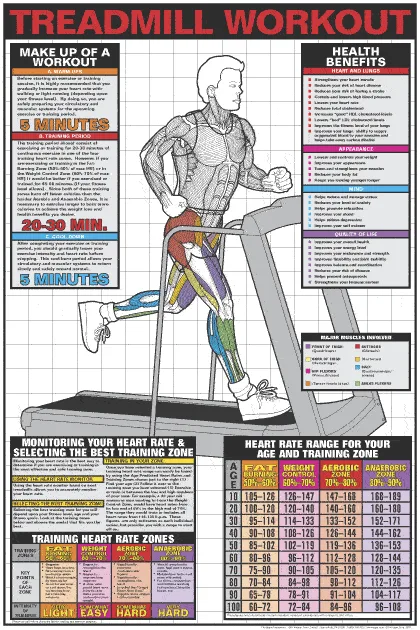
Image source: Bing (Web (fair-use with source credit))
| Method | Effort | Typical Session | Main Benefit |
|---|---|---|---|
| Base building | Easy, conversational | 30 to 60 min steady | Aerobic base and durability |
| Tempo run | Comfortably hard | 15 to 25 min continuous | Higher lactate threshold |
| Intervals | Hard with recovery | 6 to 8 x 1 min hard | Faster VO2max gains |
| Incline | Moderate | 20 to 40 min at 3 to 6 percent | Intensity without speed |
Roughly 80 percent of your weekly time should be easy, 20 percent moderate to hard. People who flip that ratio burn out within a month or two.
How to Structure a Week of Treadmill Endurance Workouts
A workable week depends on how many days you can realistically show up. Here's the if/then logic that keeps most people moving forward.
If you're new to running, do three sessions weekly. Two easy, one with intervals or hills. Rest day between each one.
If you're already running three or four times a week, add a fourth easy session before you add a second hard one. Volume first, intensity second.
If you're training for a race, keep your long session on the weekend and space hard days at least 48 hours apart. Stacking two hard sessions back to back is how shin splints start.
| Day | Session | Effort Level |
|---|---|---|
| Monday | Easy jog, 30 min | Chatty, zone 2 |
| Tuesday | Rest or walk | Recovery |
| Wednesday | Intervals, 25 min total | Hard efforts, easy recovery |
| Thursday | Rest | Recovery |
| Friday | Easy jog, 35 min | Chatty, zone 2 |
| Saturday | Tempo or long run | Comfortably hard |
| Sunday | Rest | Recovery |
If you're cross-training on other cardio gear, the same progression rules apply. Good routine maintenance on your home equipment keeps sessions consistent across machines.
Common Mistakes That Stall Progress or Cause Injury
Most plateaus and overuse injuries trace back to a short list of repeat offenders.
Doing every run at moderate effort traps you. It's too hard to build your base and too easy to drive real speed gains. You get stuck in the middle with nothing to show for it.
Jumping volume too fast is another classic error. Increasing weekly time by more than 10 percent leads straight to shin splints and stress reactions.
Skipping the warm-up wastes a real opportunity. Five to ten minutes of easy walking or jogging raises muscle temperature and reduces strain on cold tissue.
Holding the handrails reduces your workload and throws off your natural stride. If you need the rails for balance, slow the belt instead.
Wearing worn-out shoes compounds every problem. Midsole foam breaks down with mileage. Dead cushioning sends more impact through your joints.
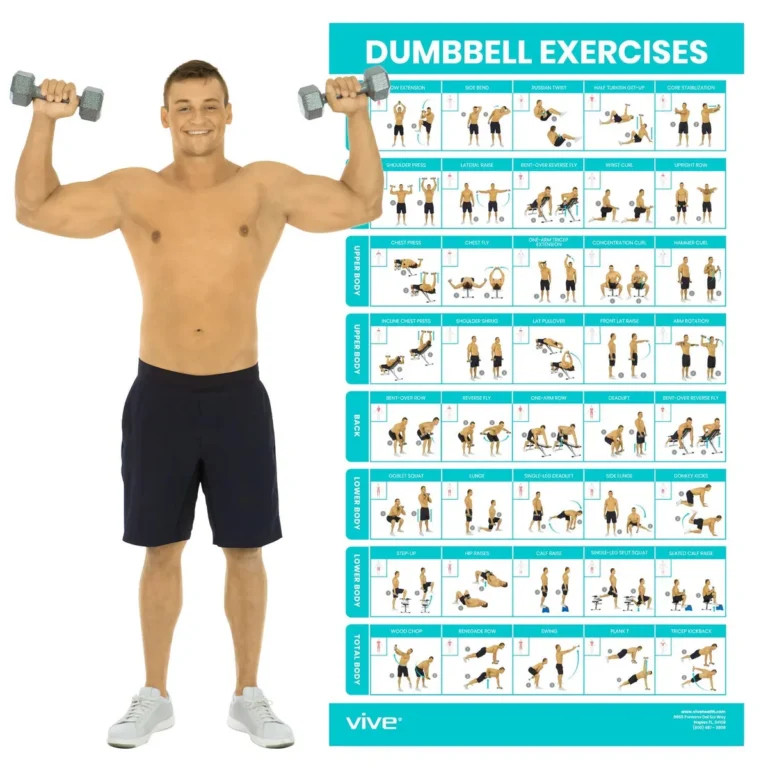
Ignoring strength work shows up later as knee and hip pain. Two short sessions a week with basic bodyweight or dumbbell exercises covers it.
Treating rest days as optional undermines everything else. Adaptation happens during recovery, not during the run itself.
Warning Signs: When to Push, When to Back Off, and When to Stop
Some discomfort is normal training stress. Some isn't, and knowing the difference matters.
Push through mild muscle soreness that eases as you warm up. Being slightly out of breath and general fatigue from a hard interval set are also expected.
Back off when you feel sharp joint pain, pain that's worse the next morning, or unusual breathlessness at an easy pace. Drop intensity and give it a few days.
Stop and get medical advice for chest pain or pressure, dizziness, fainting, or an irregular heartbeat. Per NIH guidance, these are never things to train through.
A few safety basics go a long way. Always clip the safety key to your clothing so the belt stops if you fall off the back. Hydrate before and during longer sessions.
Cool down for five minutes to prevent blood from pooling in your legs.
If you have a heart condition, are pregnant, or are returning from a serious injury, clear your plan with a doctor first.
How to Track Progress Without Obsessing Over the Numbers
Daily pace comparisons will lie to you. Endurance changes slowly, and noise from one session to the next distorts the picture.
Track three things each week: total minutes, average heart rate, and a simple 1 to 10 effort rating. Heart rate zones are useful, but perceived effort works just as well on a treadmill.
Record each session in a note or spreadsheet. Look at the data monthly, not daily. If your easy pace gets faster at the same heart rate, you're fitter.
If you need more recovery days between hard sessions, your body is telling you something.
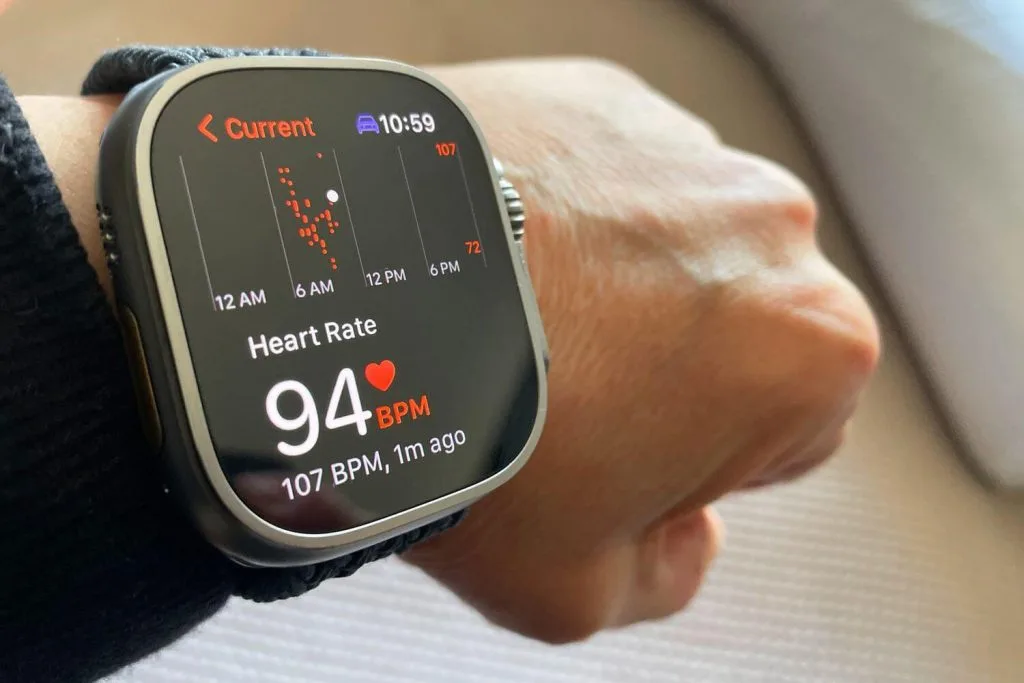
Image source: Bing (Web (fair-use with source credit))
A chest strap heart rate monitor is the most useful tool here. Chest straps measure more accurately than wrist sensors. Budget models from reputable brands are fine for this purpose.
Don't compare yourself to treadmill defaults or other people's times. Your baseline is your only honest benchmark.
FAQs About Treadmill Endurance Training
How quickly can I improve treadmill endurance?
Most people notice meaningful changes in 4 to 6 weeks of consistent training. Aerobic adaptation takes time. You'll see a one-session jump early on, but lasting gains require steady weekly volume over months.
Should I train on an incline every day?
No. Daily incline training overloads your calves and Achilles tendons. Use a 1 to 2 percent incline to offset the belt's self-propulsion, and save 3 to 6 percent for one or two hard days per week.
How often should I do interval training?
Two times per week is plenty for most runners. Intervals are high-stress sessions. More than that doesn't drive faster gains and noticeably increases injury risk.
Keep your remaining sessions easy.
Is it better to run longer or faster for endurance?
Longer, at a controlled effort. Speed work improves running economy, but total time on your feet builds cardiovascular endurance. Start with duration and add speed once your base is comfortable.
Can I build treadmill endurance by walking at an incline?
Yes, especially if you're starting from zero or recovering from injury. Brisk walking at 3 to 5 percent incline raises your heart rate into a training zone with far less joint impact. It's a legitimate starting point.
What should I eat before a treadmill endurance session?
A small meal with carbs and minimal fat about 60 to 90 minutes before running works well. A banana or a slice of toast with peanut butter is simple and effective. Avoid heavy meals right before.
Final Verdict: The Most Reliable Way to Improve Treadmill Endurance
The most reliable path is boring, consistent volume with a small amount of structure. Run easy most days, hard occasionally, and rest generously.
Our research confirms that no training hack replaces the basics. Slowly increase weekly minutes by up to 10 percent. Keep 80 percent of your sessions easy.
Let recovery happen between hard efforts.
Don't chase quick fixes. Supplements, hypoxic masks, and fancy gadgets don't build endurance. They just distract from the work that does.
The treadmill rewards repetition and punishes impatience. Give it a month of honest, structured effort and you'll feel the difference in every session that follows.