How Long Should You Walk on a Treadmill
If you've ever stood on a treadmill with no real plan, you know the feeling. You watch the timer count up and ask yourself, how long should you walk on a treadmill? The honest answer is that it depends on you.
Your goal matters more than a number on the dashboard.
The CDC's physical activity guidelines suggest at least 150 minutes of moderate-intensity cardio per week. That works out to about 30 minutes, five days a week. Start there, then adjust for weight loss, endurance, or just staying active.
Let's walk through the details.

Image source: Bing (Web (fair-use with source credit))
The Short Answer: How Many Minutes Should You Aim For?
Aim for 30 minutes a day, five days a week. That equals 150 minutes weekly. As of 2026, that's the standard baseline.
Beginners should start with 15 to 20 minutes. You can build up from there.
Why "One Size Fits All" Never Works on a Treadmill
Your ideal time depends on several things. Age, fitness level, current weight, and joint health all matter. Someone fresh out of physical therapy won't handle the same volume as a runner.
Here are the main variables:
- Fitness level. Beginners should start with shorter sessions.
- Age. Older adults often need a slower ramp-up.
- Joint health. Sore knees and hips may prefer less incline or shorter time.
- Recovery speed. Some people bounce back in a couple of days. Others need more rest.
- Your goal. Weight loss asks for more time than general health maintenance.
If your joints can't handle the treadmill belt, a low-impact elliptical machine is a solid backup. It still works your heart without the same pounding.
How Long to Walk on a Treadmill, Based on Your Goal
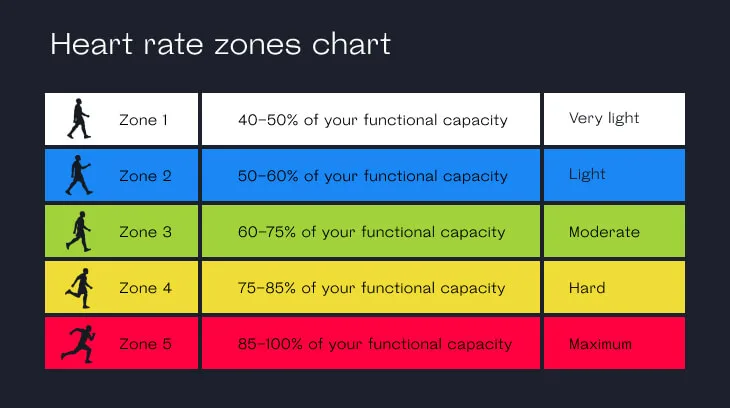
Image source: Bing (Web (fair-use with source credit))
Your goal decides everything. A weight-loss plan needs more minutes than a general health routine. Here's a simple breakdown.
| Goal | Recommended Time | Extra Details |
|---|---|---|
| General health | 30 minutes, 5 days a week | Meets CDC guidelines |
| Weight loss | 45 to 60 minutes, 4 to 5 days a week | Add incline for more calorie burn |
| Endurance | 40 to 60 minutes | Keep a steady, brisk pace |
| Beginners | 15 to 20 minutes | Focus on pace, not distance |
| Active recovery | 20 to 30 minutes | Keep it easy and low intensity |
Your effort level matters too. The American Heart Association advises staying at 50 to 70 percent of your maximum heart rate for moderate sessions. Max heart rate is roughly 220 minus your age.
A 40-year-old has a max of 180 and should aim for 90 to 126 beats per minute.
For weight loss, don't just add minutes. Add incline. A 45-minute walk at a 5 percent incline burns more calories than a 60-minute flat stroll.
That's how you make the time work harder.
On rest days, another machine makes sense. A stationary bike gives your joints a break while still building your heart. Swap it in when your knees feel angry.
A Simple Walking Plan That Builds Your Time Safely
Don't jump straight to 30 minutes if you're starting from zero. Your muscles and joints need a gradual ramp. The safest route adds only about 10 percent to your total weekly time.
Use a speed between 2.5 and 3.5 mph for the first weeks. Keep the incline at zero to one percent. Walk with a relaxed posture, shoulders back, and arms swinging naturally.
| Week | Session Length | Pace and Incline |
|---|---|---|
| Week 1 | 15 to 20 min | 2.5 to 3.0 mph, 0% incline |
| Week 2 | 20 to 25 min | 2.5 to 3.0 mph, 0% incline |
| Week 3 | 25 to 30 min | 3.0 to 3.5 mph, 1% incline |
| Week 4 | 30 min | 3.0 to 3.5 mph, 1 to 2% incline |
Start every session with a five-minute easy warm-up. End with a five-minute cooldown at a slow pace. That ten-minute cushion protects your knees and helps you recover faster.
This gradual build applies to other cardio machines too. Similar session lengths work for elliptical training if you ever need variety.
The Most Common Treadmill Mistakes (and What to Do Instead)
You can set the perfect time and still mess up the workout. Most treadmill pain and frustration comes from a few repeatable errors. Here's what to stop doing.
- Holding the handrails tight. It lifts your body weight so your legs work less. Let go and walk naturally unless you need support.
- Setting the speed too high. A pace you can't maintain without gripping is useless. Slow down until you could hold a conversation.
- Never changing the incline. Flat walking is easy. A one to three percent incline better mimics real outdoor walking.
- Skipping the warm-up. Jumping off the couch and onto a fast belt is a recipe for a pulled muscle. Always walk slowly for five minutes first.
- Running the same workout every day. The body adapts quickly, and so does the boredom. Change speed, incline, or time regularly.
If you want a break from the treadmill, try rowing machine workouts to shake things up. Adding some strength work with dumbbells also helps protect your joints.
How to Make Every Treadmill Minute Work Harder
A 30-minute walk doesn't have to feel like a 30-minute walk. You can turn it into a workout that rivals a full hour. The secret is to use incline, speed, and effort to your advantage.
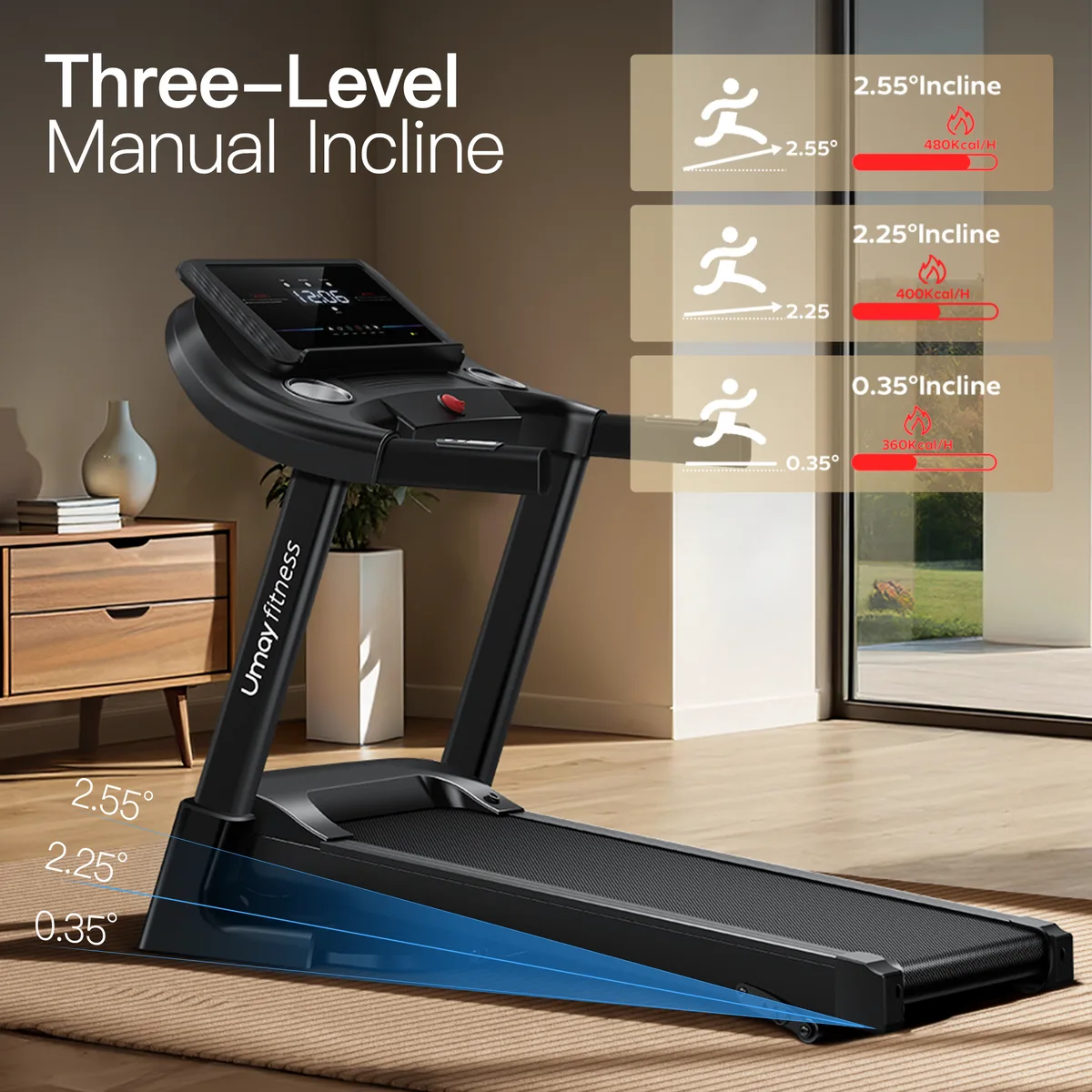
Image source: Bing (Web (fair-use with source credit))
Incline is your best tool. At a 5 percent incline, you burn roughly a third more calories than on a flat belt. Start at 1 percent and add a point every few minutes as you warm up.
- Add speed intervals. Walk for two minutes at a normal pace, then speed up for one minute. Repeat that cycle for the whole session.
- Try tempo pushes. Settle into a steady pace that feels challenging. Keep it for five to ten minutes.
- Pump your arms. Bend elbows at 90 degrees and swing them naturally. Your legs will follow.
Your heart rate tells you if you're working hard enough. Moderate effort means 50 to 70 percent of your max. You'll breathe harder but still talk in short sentences.
Real-Life Examples: How Real People Set Their Treadmill Time
Numbers make more sense when you see them in context. Here are typical treadmill plans that match real situations.
| Person | Weekly Goal | Treadmill Routine | Why It Works |
|---|---|---|---|
| Beginner who never exercises | 20 min, 3 days a week | 2.5 mph, 0% incline | Easy entry, builds a habit |
| Someone aiming to lose 20 pounds | 45 min, 5 days a week | 3.0 mph, 3-5% incline | Adds calorie burn |
| Busy parent | 15-20 min daily | 2.8 mph, 1% incline | Fits into short windows |
| Runner recovering from injury | 30 min, 4 days a week | 2.5-3.0 mph, 0% incline | Active recovery without impact |
Notice the pattern. Time changes based on what the person needs. One number doesn't fit all.
Treadmill Walking FAQ
Is it better to walk 30 minutes or 60 minutes on a treadmill?
Both work, but your goal decides. Thirty minutes helps maintain health and matches the standard guidelines. Sixty minutes burns more calories and builds endurance.
Start at 30 minutes, then add time slowly if you have energy.
How fast should I walk on a treadmill?
A brisk walking pace is usually 3.0 to 4.0 mph. You should sweat and breathe a little harder but still hold a conversation. Adjust for your height and stride.
If you're gripping the rails, you're going too fast.
Can I lose weight by walking on a treadmill?
Yes, if you do it consistently and keep your diet on track. Aim for 45 to 60 minutes, four to five days a week, with a slight incline. That combination burns enough calories to move the scale.
Add interval bursts to speed it up.
Is it okay to walk on a treadmill every day?
Walking daily is fine for most people. It's low impact and generally gentle on the body. Just keep some sessions easy and vary your speed and incline to avoid burnout.
Listen to any joint pain and back off when needed.