How to Lubricate a Treadmill
If your treadmill belt drags, squeaks, or hesitates mid-stride, you already know how annoying that feels. Learning how to lubricate a treadmill is the best way to protect your machine and keep your runs smooth. It's a simple job, but it's also easy to get wrong.
Using the wrong product can ruin your belt, void your warranty, and send your treadmill to the repair shop.
Manufacturer specifications, including ASTM F2115 safety standards, put typical lube intervals between every three months and every 150 miles. As of 2026, those guidelines still hold for standard home models. But before you buy a bottle, you need to know whether your deck is even designed to be lubricated.
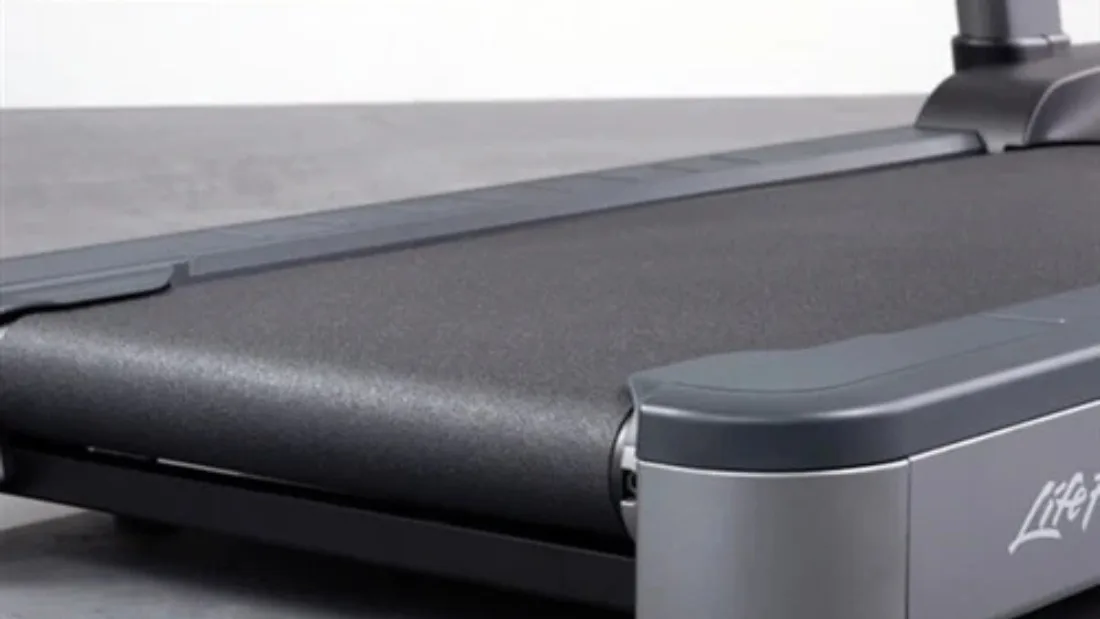
Image source: Bing (Web (fair-use with source credit))
Before You Buy Lubricant: Does Your Treadmill Even Need It?
Open your owner's manual first, not the shop. The manual tells you exactly which lubricant to use and when to apply it. If you lost the manual, search your model number and the phrase "deck lubrication." You'll often find a PDF.
Here is a table to help you figure out what kind of deck you have.
| Deck Type | Lubrication Needed? | Notes |
|---|---|---|
| Standard phenolic resin deck | Yes | Requires 100% silicone every 3-6 months |
| Self-lubricating / Precision-lubed | No | Layered with wax or oil, needs nothing |
| Manufacturer-specific lube | Check manual | Some brands void warranty with generic lubes |
This table removes the guesswork. If the manual says "self-lubricating" anywhere, close this article and walk away. Lubing that deck is the fastest way to ruin it.
If it's a standard deck, regular lubrication is your best friend. Skipping it will strip the drive motor. That same mechanical friction kills bearing surfaces on other machines if they never get serviced, which is why you'll also hear squeaks from an unmaintained elliptical.
How Treadmill Friction Actually Works
Your treadmill is built to absorb force. That belt constantly drags against a hard deck. Friction is what creates a stable running surface, but it also generates heat.
If heat builds up, the belt slows down and your motor works harder. A thin film of silicone sits between the belt and the deck. That film reduces friction and pulls heat away.
Think of it as a dry lube, not a cooking oil slick. You're creating a barrier measured in microns, not inches. Over-lubrication feels smooth at first, but it destroys tracking and creates a gummy mess.
A tuned deck lets the belt glide evenly. An over-lubricated deck lets it spin out.
Friction that never gets addressed eventually wears a groove into the deck. You'll hear it as a low grinding sound. Manufacturers call this the end of life for the belt under normal sliding conditions.
Per ASTM F2115 standard safety testing, that's the point where belts stop catching on the roller and the drive system starts slipping.
The Right Lubricant and the Wrong Ones
When it comes time to buy, 100 percent silicone is the law. Treadmill manufacturers use it because it doesn't attract dust and won't break down rubber. It's sold as a liquid bottle or aerosol spray.
The liquid bottle with a needle applicator is our recommendation for precise placement.
Here is a hard warning. Never use WD-40, PB Blaster, 3-In-One oil, or any petroleum-based product. Those solvents swell the belt fibers and eat into the deck coating.
They also leave a sticky layer that grabs dust. That grit acts like sandpaper and grinds the deck down over hours of running.
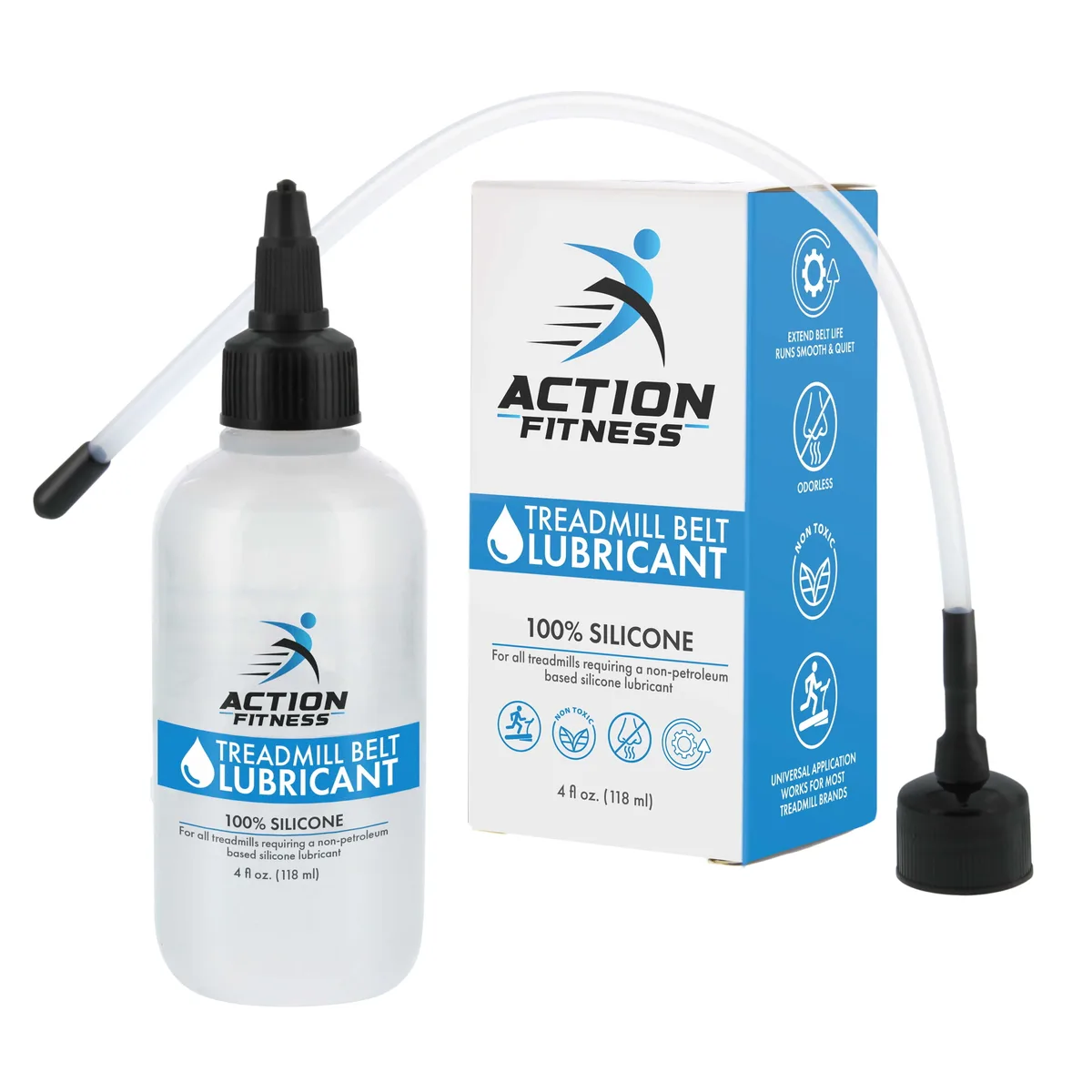
Image source: Bing (Web (fair-use with source credit))
Check the label carefully. It must state "100% silicone". Avoid "silicone-based, silicone blend, or with conditioners." Those mixed formulas leave a varnish that attracts grime.
They are the fast track to service costs down the line.
| Lubricant Type | Safe for Treadmills? | Why |
|---|---|---|
| 100% silicone spray | Yes | Dry lube, won't attract dust |
| Silicone-based / additive blends | No | Leaves film, breaks down quickly |
| Petroleum grease / oil | No | Swells belt, cracks deck |
| Wax-based products | No | Gums up belt tracking |
How to Lubricate a Treadmill: The Step-by-Step Process
If your deck needs lube, here is the full process. This is a simple workflow, but never skip the preparation. Dirt is your enemy.
Step 1. Unplug and clean. Unplug the power cord and remove the safety key. Lift the belt edge to access the deck surface.
Wipe the deck wear zone and the underbelly of the belt with a soft cloth and warm water. Let it dry completely before anything else.
Step 2. Apply the silicone. Lift the side edge of the belt to expose the top of the deck along the center line. Squeeze one continuous, thin bead down that center line.
You aren't painting the whole deck. You're laying down a single strip. Turn the belt manually to work it into the surface.
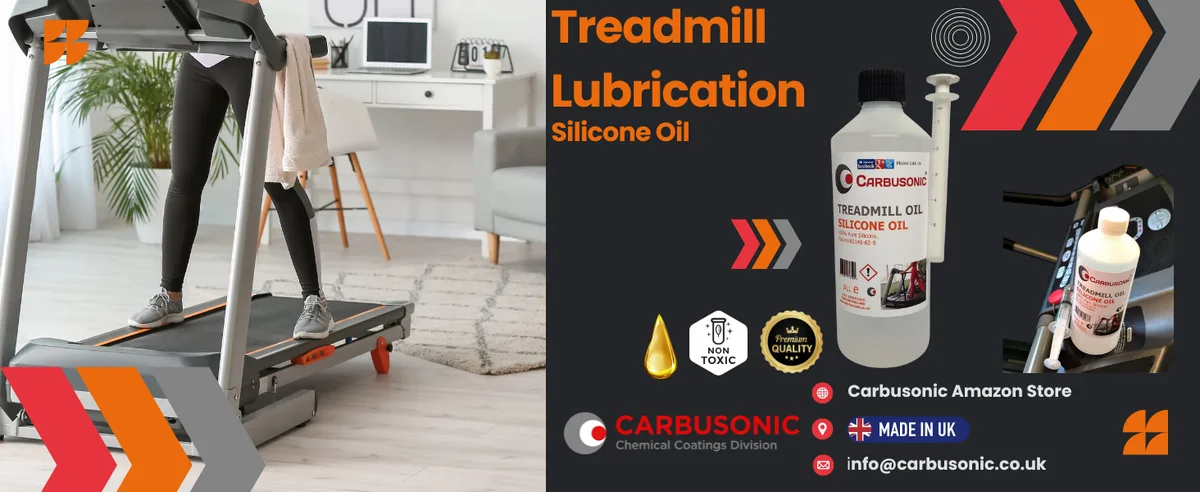
Image source: Bing (Web (fair-use with source credit))
Step 3. Run the treadmill. Plug it in. Start at 2 to 3 miles per hour and run for two to three minutes.
Walk on it if you have the space. Walking helps the lube spread evenly across the full deck.
Step 4. Wipe the excess. Turn it off and wipe the visible excess from the belt edges. Too much lube will creep out and get on your floors.
Check the tracking to see if the belt is centered, and adjust the rear roller bolts if needed.
| Tools & Materials Needed | Use |
|---|---|
| 100% silicone lubricant | Lubrication |
| Soft cloth or microfiber towel | Cleaning |
| Warm water | Damp wipe |
| Owner's manual | Belt tension and torque specs |
How Often Should You Lubricate? (And Why It Varies)
Unless your manual gives an exact timetable, a good rule is every 3 months for home users, or roughly every 150 miles walked. Heavy daily runners should shrink that interval to every six weeks. If you're an occasional walker, twice a year might be enough.
Commercial owners face a steeper curve. A gym racking up 40 hours a week needs lubricant monthly, sometimes weekly. The load just wears the silicone barrier faster.
For home units, the belt signals when it's time. A slowdown, a burning plastic smell, or a loud squeak all mean it's due for service.
Environment plays a part, too. Humidity makes the underside tacky. Dust in a garage coats the belt.
A house with pets loads extra dander into the mix. That buildup turns into grit, which rubs away the dry lube.
Because of that, it's smart to treat lubrication as part of your bigger maintenance plan. It's the same reason we tell people to keep a close eye on their cardio equipment. Belt tracking and roller alignment wear down faster than you'd think.
Common Mistakes That Wreck Your Treadmill
Over-Lubrication and Belt Slip
The biggest mistake is using too much silicone. If the belt slides under your feet when you push off, you've over-lubed. That excess film coats the rollers and tracking surfaces.
You'll see it creeping out the belt edges and onto your floor. Wipe the excess and run the treadmill empty for several minutes to redistribute. A single thin bead down the center is all you need.
Lubricating a Self-Lubricating Deck
If your deck has a factory-applied wax coating, adding silicone on top creates a chemical conflict. The two products don't blend. They form a gummy layer that traps debris and wears the belt prematurely.
If your manual says "no lubrication required," trust it. Lubing a self-lubricating deck is the fastest way to void your warranty.
Skipping the Pre-Cleaning Step
You lift the belt, squeeze in the lube, and call it done. But the deck surface collects dust, pet dander, and old rubber particles over time. Laying fresh silicone over grime is like waxing a dirty car.
It seals the dirt in and creates uneven friction spots. Always wipe the deck and belt underside before applying anything. Keeping equipment surfaces clean extends the life of every friction-based machine in your home gym.
Ignoring Belt Tension While You're In There
Check tension while you have access. A loose belt drifts to one side and tracking becomes a constant headache. Too tight, and you're dragging the motor unnecessarily.
Most treadmills want the belt to lift about two to three inches off the deck at the center. The same adjustment logic applies when fine-tuning any cardio machine, so consult your manual for the exact spec before reassembling.
Expert Pro Tips for a Smoother, Quieter Treadmill
When to Replace the Belt Instead of Lubricating
If you've lubed recently and the belt still hesitates or squeaks, the belt may be worn. Flip it over and check the underside for cracking, glazing, or a visible wear groove. Verified buyer feedback from service technicians indicates that belts past 3,000 miles of cumulative use usually need replacement rather than more lubricant.
If you notice squeaking that won't go away, the problem may be mechanical rather than lubrication-related.
How to Tell If the Deck Is Finished
Run your fingers across the deck surface where the belt normally rides. If you feel a groove or rough catch, the phenolic coating is gone. A worn deck can destroy a new belt in just a few weeks.
Under normal home use, most decks last between 8,000 and 12,000 miles.
When to Call a Technician
If the belt keeps tracking off-center after you've adjusted it, or the motor throws an error code, stop troubleshooting. Call a certified technician. Bent rollers and failing motor controllers aren't safe DIY projects.
Per CPSC safety guidance, improper repairs on motorized treadmills can pose electrical and mechanical hazards.
Keep a Simple Maintenance Log
Date every lubrication, cleaning, and tension check. A notes app or a sticky note inside the console works perfectly. This log makes warranty claims easier and helps you spot patterns.
If you find yourself lubing more often than every six weeks, something else may need attention. The same maintenance discipline applies to your elliptical and every other piece of cardio equipment you own.
Frequently Asked Questions
Can I use WD-40 to lubricate my treadmill?
No. WD-40 is a solvent, not a lubricant. It breaks down rubber and leaves a sticky residue that attracts dust and grit.
That grit acts like sandpaper on your deck. Use only 100% silicone lubricant specifically designed for treadmill belts and decks.
How do I know if I used too much lubricant?
The belt will slip under your feet during a workout. You'll also see silicone seeping from the belt edges and pooling on the floor. If this happens, wipe away the excess and run the treadmill at low speed for two to three minutes to redistribute what's left.
What if my treadmill is still squeaky after lubrication?
Check the belt tension first. A loose belt squeaks as it rubs against the side rails and rollers. If the tension is correct and the squeak persists, the source is likely the rollers or internal bearings.
That's a repair that needs a qualified technician.
Do hotel and apartment treadmills need lubrication too?
Yes, but most facilities handle maintenance on a regular schedule. If you notice squeaking or dragging on a shared machine, report it to gym management. Commercial units often have service contracts.
The same maintenance urgency applies to shared ellipticals and other gym equipment.
How long should I wait after lubricating before running?
Start the treadmill at two to three miles per hour and let it run for two to three minutes first. Walking on it during this time helps distribute the silicone evenly across the full deck surface. After that brief break-in, you're ready for your full workout.
Can I lubricate the belt without lifting it?
Some treadmill designs include an access panel near the front or side roller. If your model has one, use it to apply lube directly to the deck surface. If not, loosening the rear roller bolts and lifting the belt edge is the standard approach.
Always check your owner's manual for model-specific instructions.