Is EcoFlow DELTA 2 Max Worth It: Honest Buying Guide
Yes, the EcoFlow DELTA 2 Max is worth it for reliable home backup, camping power, and high-demand devices.
The EcoFlow DELTA 2 Max sits between a small camping power station and a full home battery system. It offers a large 2,048Wh battery, strong AC output, fast charging, and solar support in a fairly portable body. After looking closely at its specifications, charging limits, battery chemistry, and real-world use cases, the answer is clear: EcoFlow DELTA 2 Max is worth it for many users, but not everyone needs to spend this much.

EcoFlow DELTA 2 Max at a Glance
The EcoFlow DELTA 2 Max is a portable power station built for home backup, travel, outdoor work, and emergency use. It stores electricity in a lithium iron phosphate battery, also called LiFePO4 or LFP.
Its main job is simple. You charge the unit from a wall outlet, car, or solar panels. You then use that stored power to run devices when you are away from an outlet or during a power cut.
Key specifications include:
• Battery capacity: 2,048Wh
• Battery chemistry: Lithium iron phosphate
• Continuous AC output: 2,400W
• Surge output: Up to 4,800W
• Solar input: Up to 1,000W
• AC charging: Up to 1,800W
• Weight: About 50 pounds, depending on the version and market
• Battery life: Rated for around 3,000 cycles before reaching about 80% capacity
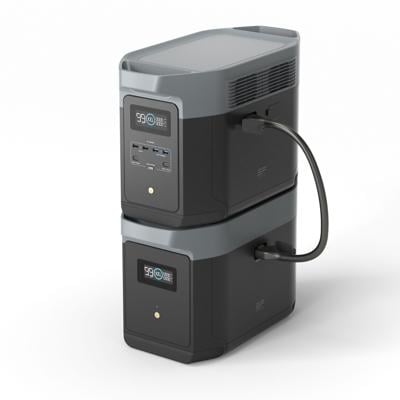
• Expandable capacity: Up to about 6,144Wh with compatible extra batteries
The EcoFlow DELTA 2 Max is not a whole-home generator. It cannot power every appliance in a typical house for days. However, it can run many important items, such as a refrigerator, modem, lights, medical equipment, fans, and small kitchen appliances.
Is EcoFlow DELTA 2 Max Worth It for Home Backup?
Yes, the EcoFlow DELTA 2 Max is worth it for short power outages and essential home backup. Its 2,400W output is strong enough for many common household devices, while its 2,048Wh battery gives you useful runtime.
For example, a refrigerator may use about 60 to 150 watts while running, though its compressor needs more power when it starts. A DELTA 2 Max can often keep a refrigerator running for many hours, depending on its age, size, room temperature, and cycling pattern.
It can also support devices such as:
• Wi-Fi routers and cable modems
• LED lamps
• Laptop computers
• Phone chargers
• CPAP machines
• Fans
• Televisions
• Small coffee makers
• Electric blankets
• Some power tools
The main limit is battery capacity. A 1,500W space heater can use around 1,500 watt-hours in one hour, before losses. That means the DELTA 2 Max will not run high-power heating devices for long.
A good home backup plan is to connect only essential devices. Keep the refrigerator, internet equipment, lights, and medical devices running. Avoid using electric ovens, central air conditioners, and large heaters unless you understand their high energy demand.
Battery Capacity and Real-World Runtime
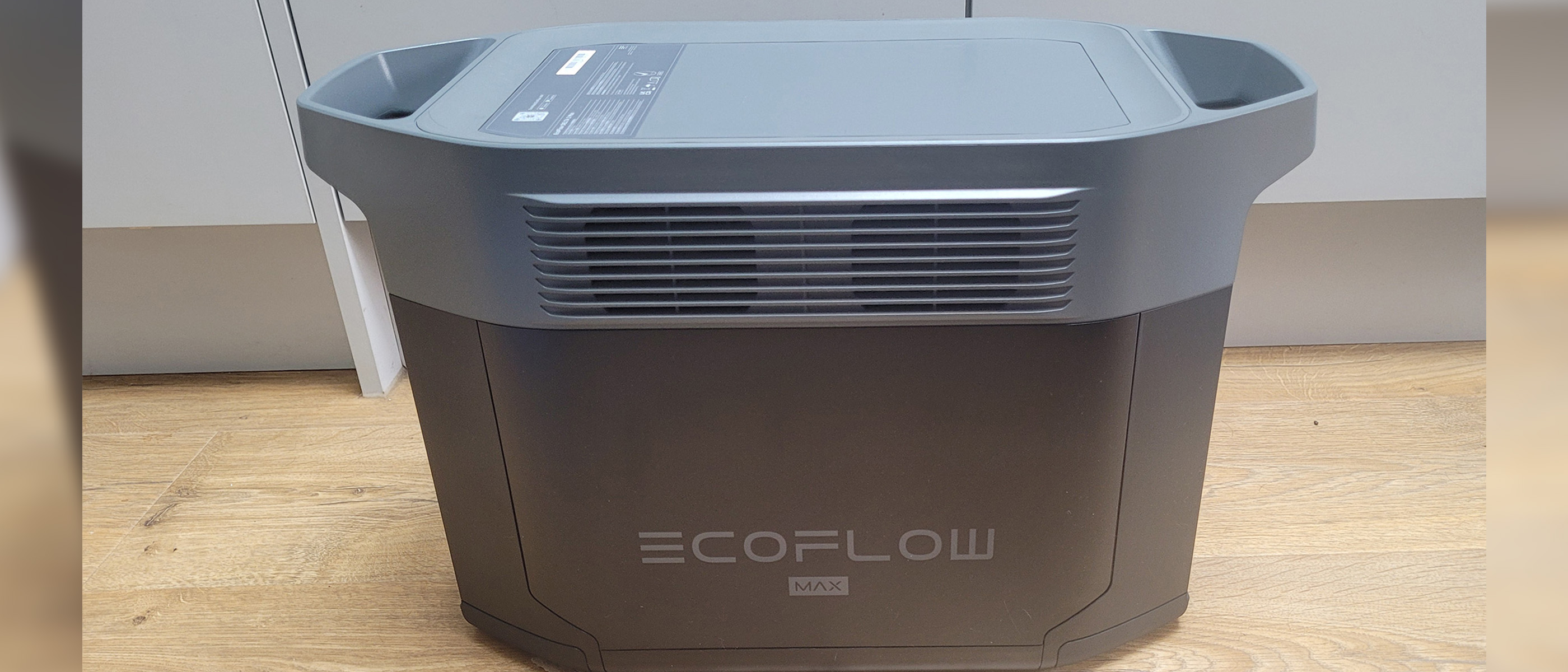
The 2,048Wh capacity sounds large, but usable power is always lower than the advertised number. Power stations lose some energy through the inverter and internal electronics. In practice, usable AC energy may be closer to 1,700 to 1,850Wh, depending on the load.
Here are rough runtime examples:
• Wi-Fi router using 12W: several days
• Laptop using 60W: about 25 to 28 hours
• Television using 100W: about 16 to 18 hours
• CPAP machine using 50W: roughly 30 to 35 hours, depending on humidity settings
• Refrigerator averaging 80W: around 18 to 24 hours in many homes
• 1,000W appliance: roughly 1.5 to 1.8 hours
These numbers are estimates, not guarantees. A refrigerator does not draw the same power every minute. A CPAP machine may use much more energy with heated humidity. Cold weather can also reduce battery performance.
One practical lesson is to measure your devices before an outage. A simple plug-in energy meter can show how many watts each item uses. This small step helps prevent the common mistake of buying a large power station without knowing the actual load.
Charging Speed and Solar Performance
Fast charging is one of the strongest reasons the EcoFlow DELTA 2 Max is worth considering. With a suitable AC outlet, it can recharge quickly, making it useful when a storm is approaching or when you need power again after a long workday.
The unit can also combine solar and AC charging. Its solar input supports up to 1,000W under suitable conditions. In real use, solar output changes with panel size, sunlight angle, clouds, heat, and shade.
A 1,000W solar setup may not produce 1,000W for the entire day. That figure is a peak rating. A clear day with good panel placement can produce strong results, while a cloudy day may produce much less.
For better solar charging:
• Place panels in full sunlight
• Avoid even small areas of shade
• Keep panels clean
• Use the correct voltage range
• Check cable connections before leaving the system outside
• Expect lower output during winter or heavy cloud
Solar panels make the EcoFlow DELTA 2 Max more useful during long outages. They may allow you to recharge phones, lights, and communication equipment without using fuel. Still, solar charging works best as a support system, not as a promise of unlimited power.
Battery Life and Long-Term Value
The EcoFlow DELTA 2 Max uses LFP battery cells. This chemistry is popular in modern power stations because it offers strong cycle life and improved thermal stability compared with older lithium-ion designs.
EcoFlow rates the battery for about 3,000 cycles before it reaches around 80% of its original capacity. One cycle means using an amount of energy equal to the full battery capacity. Using 20% today and 80% tomorrow is roughly one full cycle.
For occasional emergency use, this could mean many years of service. If you use the unit every day, the battery will age faster. Heat, deep discharges, and long periods at 100% charge can also affect battery health.
To extend battery life:
-
Store it in a cool, dry place.
-
Avoid leaving it fully empty for weeks.
-
Use a moderate charge level for long-term storage.
-
Keep air vents clear.
-
Install firmware updates through the official app.
-
Do not operate it in rain unless the specific accessory and setup are designed for outdoor exposure.
A longer battery life improves the value of the EcoFlow DELTA 2 Max. You are not buying a single-use emergency product. You are buying a rechargeable energy tool that can serve during outages, trips, projects, and daily backup tasks.
Port Selection and Device Compatibility
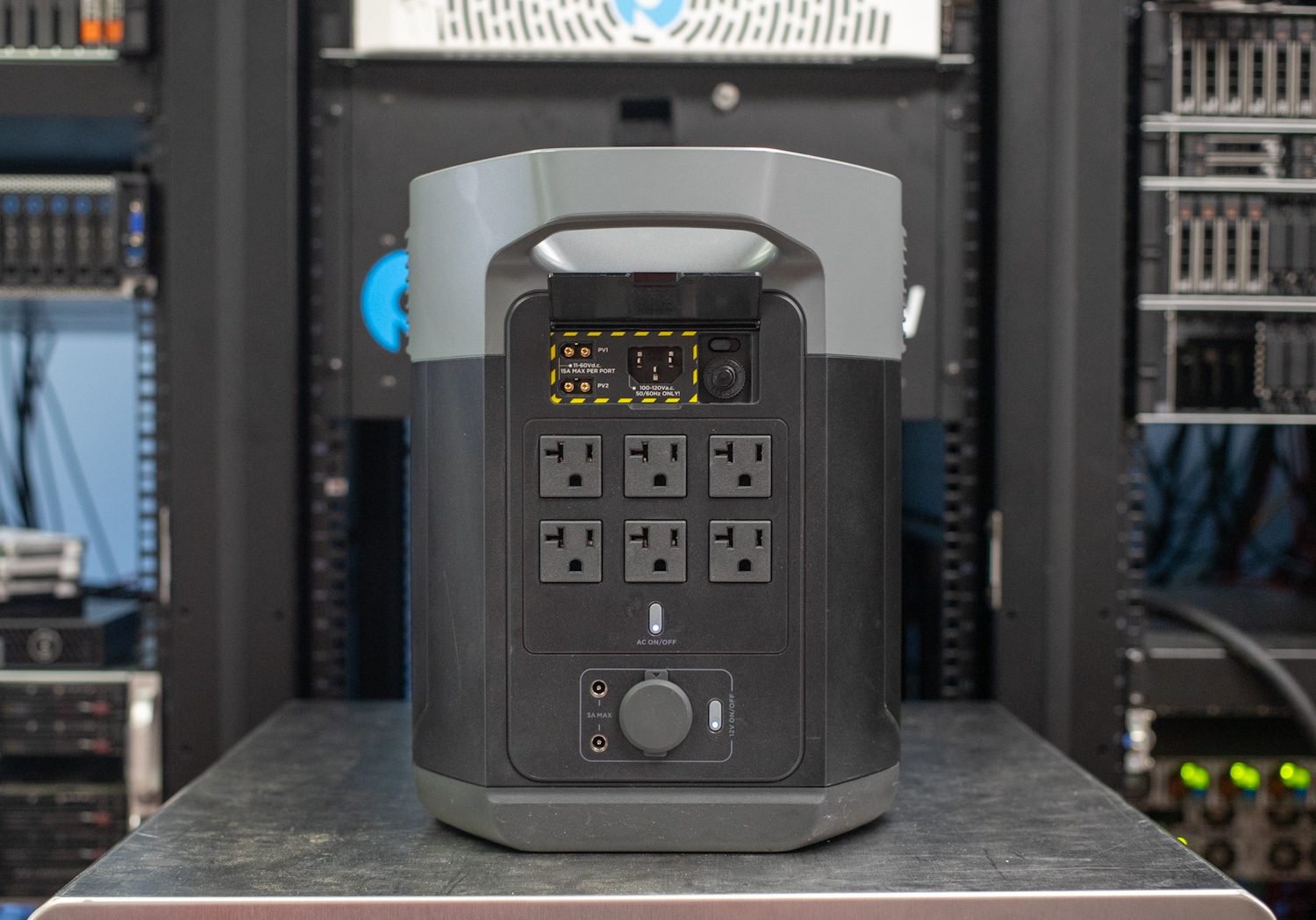
The EcoFlow DELTA 2 Max offers a wide mix of ports. The exact layout can vary slightly by regional model, but the US version includes AC outlets, USB ports, car charging, and DC outputs.
This lets you charge or run several types of equipment at once:
• Phones and tablets through USB ports
• Laptops through USB-C
• Refrigerators through AC outlets
• Car accessories through the 12V outlet
• Lights and small DC devices through DC ports
• Power tools through AC outlets
The 2,400W inverter is powerful enough for many demanding devices. However, appliances with motors may need a high starting surge. Refrigerators, pumps, compressors, and some power tools can briefly draw much more than their normal running wattage.
EcoFlow’s X-Boost feature may help with some high-wattage appliances by reducing voltage, but it does not create extra battery energy. It may also cause certain devices to behave differently. Test important equipment before an emergency.
The safest approach is to check three ratings:
• Running watts
• Starting or surge watts
• Total watts if several devices operate together
Portability and Everyday Use
The EcoFlow DELTA 2 Max is portable, but it is not lightweight. At around 50 pounds, it is better for moving between a car, garage, cabin, or home office than carrying on a long hike.
Its handles make short-distance movement easier. Still, many users will want a folding cart or a second person when moving it up stairs.
This is an important point when asking, “Is EcoFlow DELTA 2 Max worth it?” A smaller unit may be a better choice if you mainly need phone charging and light camping power. The DELTA 2 Max makes more sense when you need a large battery and high output in one package.
For road trips, it can power a cooler, camera batteries, laptops, lights, and small cooking tools. For remote work, it can keep a laptop, monitor, router, and phone charged. For home projects, it can run many corded tools without a nearby wall outlet.

App Features and Ease of Use
EcoFlow provides a smartphone app that can show battery level, input power, output power, charging status, and estimated runtime. The app may also support settings such as charge limits, standby behavior, and firmware updates.
These controls are useful, but the app is not essential for basic operation. You can use the physical buttons and display without a phone.
The display helps answer practical questions quickly:
• How much power is coming from solar panels?
• How many watts are connected?
• How long might the battery last?
• Is the unit charging or discharging?
Smart features can improve control, but they should not be the main reason to buy the unit. Apps change over time, and wireless connections can fail. The core value comes from the battery, inverter, ports, and charging system.
Main Advantages of EcoFlow DELTA 2 Max
The EcoFlow DELTA 2 Max has several strong points.
• Large 2,048Wh capacity: This is enough for serious backup tasks without being a massive home battery.
• Powerful 2,400W inverter: It can run many appliances and tools that smaller power stations cannot.
• LFP battery chemistry: The cells offer a long rated cycle life and good stability.
• Fast AC charging: Quick recharge is helpful before storms and between uses.
• Strong solar input: Up to 1,000W of solar input gives it useful off-grid potential.
• Expandable storage: Extra batteries can increase capacity for longer outages.
• Useful app controls: Remote monitoring and settings make daily use easier.
• Quiet operation at low loads: It is far quieter than a gasoline generator during light use.
These features explain why the EcoFlow DELTA 2 Max is worth it for users who need more than basic portable power.
Main Disadvantages to Consider
No power station is perfect. The DELTA 2 Max has clear limitations.
• Heavy design: It is difficult to carry far without a cart.
• High purchase price: It costs much more than small power stations.
• Limited whole-home support: It will not replace a permanent battery system or fuel generator for many homes.
• Solar output varies: The 1,000W rating depends on ideal conditions.
• Fan noise under heavy loads: High output and fast charging can make the cooling fan noticeable.
• Battery drain during standby: The inverter and connected devices can use power even when the load seems small.
• No unlimited runtime: Once the battery is empty, you need a charging source.
The price is the biggest concern. If you only want to charge a phone, camera, or laptop, the EcoFlow DELTA 2 Max is more power than you need. A smaller model may save money and weight.
EcoFlow DELTA 2 Max Compared With a Gas Generator
The EcoFlow DELTA 2 Max and a gasoline generator solve similar problems in different ways.
A gas generator can run for a long time as long as you have fuel. It is often better for high-power loads and long outages. However, it creates exhaust, produces more noise, and requires outdoor operation.
The DELTA 2 Max produces no exhaust while running. You can use it indoors, making it safer for apartments and enclosed living areas. It is also easier to start because there is no fuel, oil, or engine maintenance.
Choose the DELTA 2 Max if you value:
• Indoor operation
• Quiet emergency power
• Low maintenance
• Solar charging
• Easy use during short outages
Choose a gas generator if you need:
• Many days of high-power operation
• Heavy heating or cooling loads
• Fast refueling
• Lower cost per watt for extended emergencies
Some households may use both. The power station handles indoor essentials, while the generator supports larger outdoor loads.
Who Should Buy the EcoFlow DELTA 2 Max?
The EcoFlow DELTA 2 Max is a strong fit for:
• Homeowners in areas with frequent outages
• Renters who cannot install a permanent battery
• Remote workers who need reliable backup power
• Campers and van travelers with high energy needs
• Photographers and videographers working away from outlets
• DIY users running tools outdoors
• People who use CPAP or other small medical equipment
• Families preparing for storms and emergencies
You may not need it if you live in a stable area and have very low power needs. In that case, a smaller 500Wh to 1,000Wh power station may offer better value.
My practical buying rule is simple: list the devices you need, measure their wattage, estimate the hours of use, and add extra capacity for losses. This avoids buying based on battery size alone.
Is EcoFlow DELTA 2 Max Worth the Price?
The EcoFlow DELTA 2 Max is worth the price when you will use its large capacity, fast charging, and high output. It becomes especially attractive during sales, bundle promotions, or when included solar panels reduce the need for separate purchases.
Value also depends on the cost of alternatives. A whole-home battery system can cost several thousand dollars after installation. A gas generator may cost less at first but adds fuel, maintenance, noise, and safe-storage concerns.
The DELTA 2 Max offers a middle path. It is more capable than a small camping battery and simpler than a permanent backup system.
Before buying, compare:
• Current sale price
• Warranty terms in your region
• Solar panel cost
• Extra battery cost
• Replacement and repair support
• Your expected outage length
• Your essential device wattage
Pricing changes often, so the best buying decision depends on the current deal rather than the launch price.

Frequently Asked Questions
Is EcoFlow DELTA 2 Max worth it for power outages?
Yes, it is worth it for short outages and essential devices such as refrigerators, routers, lights, laptops, and CPAP machines. It is less suitable as the only power source for whole-home heating, cooling, or multi-day high-load use.
How long will the EcoFlow DELTA 2 Max run a refrigerator?
Runtime depends on the refrigerator’s average power draw, startup surge, age, and room temperature. Many efficient refrigerators can run for roughly 18 to 24 hours, but you should test your own appliance for a more accurate estimate.
Can EcoFlow DELTA 2 Max run a space heater?
It can run many space heaters because its inverter supports up to 2,400W. However, a 1,500W heater can drain the battery in about one to two hours, so it is not an efficient long-term heating solution.
Can the EcoFlow DELTA 2 Max charge from solar panels?
Yes, it supports up to 1,000W of solar input under suitable conditions. Actual charging speed depends on panel wattage, sunlight, temperature, shade, and correct voltage compatibility.
Is the EcoFlow DELTA 2 Max safe to use indoors?
It produces no exhaust and can be used indoors when operated correctly. Keep it dry, allow airflow around the vents, avoid covering it, and follow the safety instructions for charging and connected devices.
How long does the DELTA 2 Max battery last?
The LFP battery is rated for about 3,000 cycles before reaching roughly 80% of its original capacity. Real battery life depends on heat, usage, storage habits, charging levels, and the age of the unit.
Is the EcoFlow DELTA 2 Max portable enough for camping?
It is portable for car camping, cabins, workshops, and van travel. At about 50 pounds, it is too heavy for most backpacking trips or long walks without a cart.
Conclusion
The EcoFlow DELTA 2 Max is worth it when you need a serious portable battery rather than a simple phone charger. Its 2,048Wh LFP battery, 2,400W inverter, fast charging, solar support, and expandable capacity make it a strong choice for outages, camping, remote work, and home projects.
Its weight, price, and limited runtime with high-power appliances are the main drawbacks. Measure your devices, plan your essential loads, and compare the current price before buying. If your needs match its capacity, the EcoFlow DELTA 2 Max can provide quiet, clean, and dependable power when you need it most.