Is Jackery Explorer 1000 Plus Worth It?: Honest Review
Yes, the Jackery Explorer 1000 Plus is worth it for reliable home backup, camping, travel, and emergency power.
The Jackery Explorer 1000 Plus sits between a small travel power station and a large home backup battery. With 1,264Wh of capacity, 2,000W of continuous output, LiFePO4 battery cells, fast charging, and expandable storage, it offers more headroom than the standard Explorer 1000. However, its value depends on your power needs, budget, and whether you need solar charging or whole-home backup. This guide breaks down its real strengths, limits, running time, safety features, and best use cases.
What Is the Jackery Explorer 1000 Plus?
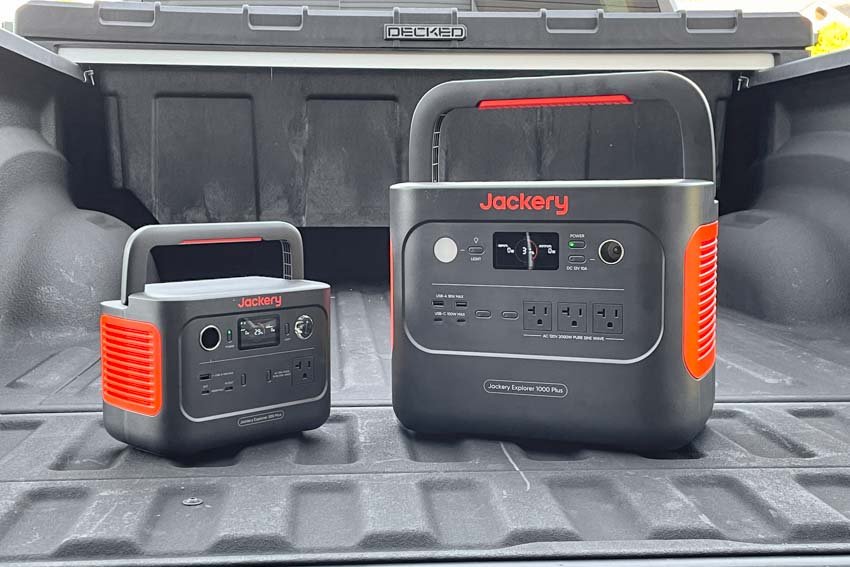
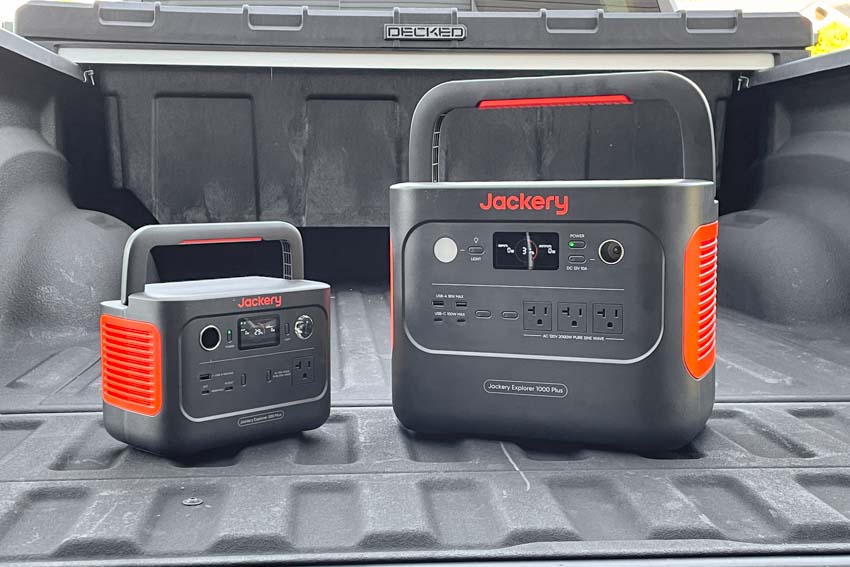
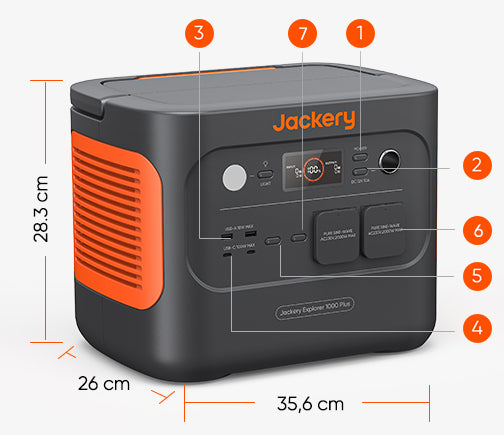
The Jackery Explorer 1000 Plus is a portable power station designed to store electricity and deliver it through AC outlets, USB ports, and a 12V car port. It works like a large rechargeable battery with built-in power controls and an inverter.
The key specifications include:
• Battery capacity: 1,264Wh
• Continuous AC output: 2,000W
• Short-term surge output: up to 4,000W
• Battery type: Lithium iron phosphate, also called LiFePO4
• Expansion: Supports additional battery packs, depending on the configuration
• AC charging: About 1.7 hours under ideal conditions
• Solar input: Up to 800W with compatible solar panels
• USB-C output: Up to 100W on supported ports
• App support: Yes, through the Jackery mobile app
• UPS function: Designed for short power interruptions and backup use
• Weight: About 32 pounds, depending on the exact regional model
The Explorer 1000 Plus is not a gas generator. It produces no exhaust, creates less noise, and can be used indoors when operated correctly. It also does not need fuel, oil changes, or engine maintenance.
That makes it useful for apartments, camping trips, road travel, home offices, and emergency power. Think of it as a quiet fuel tank for electricity. You charge it before use, then draw power when and where you need it.
Jackery Explorer 1000 Plus: Main Features
The Jackery Explorer 1000 Plus earns much of its appeal from a strong mix of capacity, output, and portability. Many power stations in this class offer one or two of these benefits, but fewer balance all three well.
1,264Wh battery capacity
A 1,264Wh battery gives the Explorer 1000 Plus enough stored energy for many common devices. The actual usable energy is lower because the inverter and battery system consume some power.
In practical use, you may get roughly:
• A smartphone: More than 50 charges
• A laptop: Around 15 to 20 charges
• A Wi-Fi router: About 15 to 25 hours
• A small refrigerator: Roughly 10 to 20 hours, depending on cycling
• A CPAP machine: One to three nights, depending on settings and humidifier use
• A 32-inch LED television: Around 10 to 15 hours
• A portable fan: Several days on low power
These figures are estimates. Appliances with motors, heating elements, or compressors can use much more energy during startup and operation.
For example, a refrigerator may use only 60 to 150 watts while running, but its compressor can briefly demand much more when it starts. The Explorer 1000 Plus has enough surge capacity for many small and medium appliances, but not every motor load behaves the same way.
2,000W continuous output
The 2,000W inverter is one of the biggest reasons the Jackery Explorer 1000 Plus stands out. It can run devices that smaller 500W or 1,000W power stations cannot handle.
It may support devices such as:
• Small microwave ovens
• Coffee makers
• Toasters
• Rice cookers
• Electric blankets
• Small power tools
• Hair dryers on lower settings
• Refrigerators and freezers
• CPAP machines and medical accessories
You still need to check the wattage label on each device. A 1,500W appliance can drain the battery quickly, even if the inverter can operate it safely.
A simple example helps. A 1,500W space heater could use almost the full battery in less than one hour after normal conversion losses. The power station can run it, but that does not mean it is an efficient use of stored energy.
LiFePO4 battery chemistry
The Explorer 1000 Plus uses LiFePO4 battery cells. This battery chemistry is known for a long cycle life, strong thermal stability, and better durability than older lithium-ion designs.
Jackery rates the battery for thousands of cycles before it reaches a lower percentage of its original capacity. In practice, battery life depends on heat, charging habits, storage level, and how often you use the full capacity.
The practical lesson is simple: LiFePO4 batteries are better suited to frequent use than many older portable power stations. If you camp often, work from remote locations, or use the unit for regular backup, this chemistry adds real value.
Expandable battery storage
The Explorer 1000 Plus can connect with extra battery packs to increase total storage. In a supported setup, the system can grow to several kilowatt-hours of capacity.
Expansion makes sense for:
• Long power outages
• Refrigerators and freezers
• Home offices
• Off-grid cabins
• Extended camping trips
• Backup systems that need more than one day of power
However, extra batteries increase cost and weight. If you only need to charge phones, cameras, and laptops, buying expansion packs may not be worthwhile.
Is the Jackery Explorer 1000 Plus Powerful Enough?
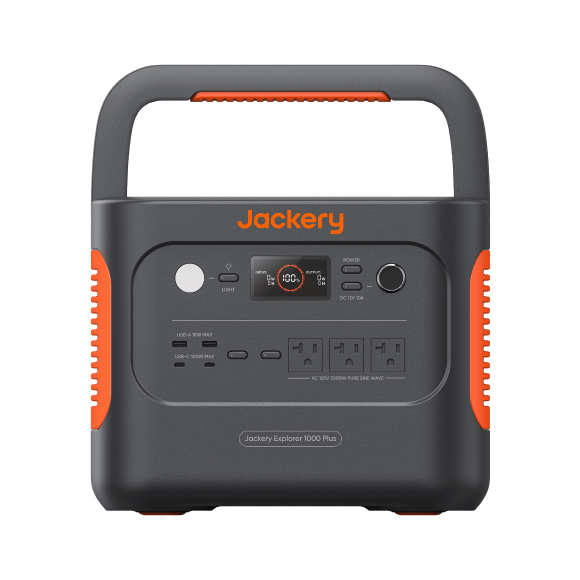
For most portable power needs, the Jackery Explorer 1000 Plus is powerful enough. Its 2,000W inverter gives it a useful advantage over many similarly sized units.
It can power several low-watt devices at once. For example, you could run a refrigerator, charge two laptops, power a router, and use LED lights without reaching the maximum output.
It may also run a high-watt appliance for a short period. A coffee maker, microwave, or small electric grill can draw between 800W and 1,500W. The Explorer 1000 Plus can handle these loads, but the battery will drain faster.
It is not designed to power an entire house. It cannot normally run central air conditioning, electric water heaters, electric furnaces, large ovens, or a full electric range for long. These devices use too much energy for a portable battery of this size.
When I assess portable power stations, I look at both inverter output and battery capacity. A high watt rating tells you what the unit can run. Watt-hours tell you how long it can run it. The Explorer 1000 Plus performs well because it offers a good balance of both.
How Long Will the Jackery Explorer 1000 Plus Run Your Devices?
Runtime depends on the device’s power draw, inverter efficiency, battery condition, and operating temperature. You can estimate runtime with this basic formula:
Runtime in hours = battery capacity in watt-hours × 0.85 ÷ device wattage
The 0.85 factor allows for normal conversion losses. Actual results may be higher or lower.
| Device | Estimated power use | Approximate runtime |
|---|---|---|
| Wi-Fi router | 10W | 100 hours |
| Laptop | 60W | 17 hours |
| CPAP machine | 40W | 27 hours |
| LED television | 80W | 13 hours |
| Mini refrigerator | 80W average | 13 hours |
| Coffee maker | 1,000W | About 1 hour total use |
| Microwave | 1,200W | About 50 minutes total use |
| Small fan | 30W | 35 hours |
The refrigerator estimate requires special care. A refrigerator does not pull its full rated wattage every minute. It cycles on and off, so the actual runtime can be much longer than a simple continuous-load calculation suggests.
For CPAP users, the humidifier and heated hose can significantly increase energy use. Turning off those features may extend battery life, but follow your medical provider’s instructions before changing therapy settings.
Charging Performance and Solar Input
The Jackery Explorer 1000 Plus supports several charging methods. You can charge it from a wall outlet, car socket, or compatible solar panels.
Wall charging
AC charging is the fastest and most convenient option. Under suitable conditions, the unit can recharge in around 1.7 hours. That is helpful before a storm or after a short outage.
Fast charging also reduces planning time. You do not need to leave the power station connected overnight every time you use it.
Solar charging
With up to 800W of solar input, the Explorer 1000 Plus can recharge much faster than older solar generators. In ideal sunlight, a full recharge may take several hours.
Real-world solar charging is slower because of:
• Clouds and shade
• Low sun angles
• Panel temperature
• Cable losses
• Dust on the panels
• Seasonal changes
• Panel placement
Solar panels rarely produce their maximum advertised output for a full day. A more realistic goal is to use solar as a strong top-up method rather than assume perfect all-day performance.
A common mistake is placing panels behind a window. Glass, shade, and poor angle can reduce output sharply. Put panels in direct sunlight, keep them clean, and adjust their angle during the day when practical.
Car charging
Car charging is useful during travel, but it is slower than wall charging. It can help maintain the battery during a road trip or restore some energy between destinations.
Do not assume every vehicle socket can deliver the same power. Check your vehicle’s fuse rating and charging limits before using the power station for long periods.

Is the Jackery Explorer 1000 Plus Good for Camping?
The Jackery Explorer 1000 Plus is a strong camping power station for people who want creature comforts. It can run lights, phones, cameras, laptops, fans, small refrigerators, and cooking devices.
It works especially well for:
• Car camping
• RV trips
• Outdoor events
• Photography and video work
• Weekend cabin stays
• Remote work
• Fishing and hunting camps
The main drawback is weight. At roughly 32 pounds, it is portable but not lightweight. It is easy to move from a car to a campsite, but less pleasant to carry over a long trail.
For simple backpacking, a smaller power bank is a better choice. For car camping, the Explorer 1000 Plus gives you far more comfort and power.
It is also quieter than a gas generator. That matters at a campsite, where engine noise can disturb your group and nearby campers. Still, the cooling fan may turn on under heavier loads, so “quiet” does not mean completely silent.
Is the Jackery Explorer 1000 Plus Good for Home Backup?
The Explorer 1000 Plus can provide useful emergency power, but it should be viewed as a targeted backup system rather than a whole-home generator.
It can keep important devices running during an outage:
• Refrigerator
• Medical equipment
• Internet modem and router
• Phones and laptops
• LED lamps
• Small fans
• Television
• Portable heaters with careful use
The built-in UPS feature can help protect a computer, router, or other sensitive device from brief interruptions. However, response times and compatibility can differ by device. Test your setup before an emergency instead of waiting for the power to fail.
The Explorer 1000 Plus does not replace a professionally installed transfer switch or standby generator. Do not connect it to a home wall outlet to backfeed household wiring. That can injure utility workers and damage your electrical system.
For outage planning, list your essential devices first. Measure their power use if possible, then decide whether one unit is enough or whether expansion batteries make financial sense.

Jackery Explorer 1000 Plus Pros and Cons
Advantages
• Strong 2,000W continuous AC output
• Useful 1,264Wh battery capacity
• Long-lasting LiFePO4 battery chemistry
• Fast wall charging
• High solar input potential
• Expandable battery storage
• No fuel, fumes, or oil maintenance
• App monitoring and control
• Suitable for camping and emergency use
• Can run many common household appliances
Limitations
• Heavier than smaller travel power stations
• More expensive than basic 1,000Wh models
• Solar performance depends heavily on weather
• High-watt appliances drain the battery quickly
• Not suitable for whole-home electricity
• Extra batteries raise the total cost
• Some devices may not work well with any portable inverter
• The maximum solar input may require several panels and extra equipment
The biggest mistake is judging value only by the 2,000W output. If you rarely use high-watt appliances, a less powerful model may offer better value. If you need reliable surge capacity and expansion, the Explorer 1000 Plus becomes more attractive.

Jackery Explorer 1000 Plus vs. Jackery Explorer 1000
The Explorer 1000 Plus is a more powerful and modern version of the original Explorer 1000 in several important ways.
| Feature | Explorer 1000 Plus | Explorer 1000 |
|---|---|---|
| Battery capacity | 1,264Wh | About 1,002Wh |
| Continuous output | 2,000W | About 1,000W |
| Battery chemistry | LiFePO4 | Lithium-ion in many versions |
| Expandable | Yes | Usually limited or unavailable |
| Solar input | Up to 800W | Lower, depending on model |
| Best for | Heavy loads and backup | Basic travel and light backup |
The original Explorer 1000 may still be a good buy if it is heavily discounted and your devices use modest power. It can charge electronics and run many small appliances.
The Explorer 1000 Plus is the better long-term choice for frequent use, high-watt appliances, and emergency preparation. Its larger inverter and LiFePO4 battery make it more flexible.
Check the exact model number before buying. Jackery has released multiple versions over time, and specifications can vary between regions and bundles.
Jackery Explorer 1000 Plus vs. Competitors
The portable power station market includes strong alternatives from EcoFlow, Bluetti, Anker, and other brands. Some competitors may charge faster, weigh less, offer more ports, or include a different warranty.
The Jackery Explorer 1000 Plus is most appealing when you value:
• A familiar brand with broad consumer support
• Simple controls
• Strong inverter output
• Expandable storage
• LiFePO4 battery life
• A balanced design for travel and backup
A competitor may be better if you need a lighter unit, a larger display, a longer warranty, a different solar setup, or a lower sale price.
Do not compare only the advertised watt-hour number. Also compare:
• Usable battery capacity
• Solar input limits
• Inverter surge rating
• UPS behavior
• Warranty terms
• Weight
• Number and type of ports
• Replacement battery availability
• App quality and firmware support
Price changes often, so the best value can shift during major sales. Compare the full package, including solar panels and extra batteries, rather than comparing the base unit alone.
Is the Jackery Explorer 1000 Plus Safe?
The Explorer 1000 Plus includes standard battery and inverter protections. These may include safeguards against overcharging, overheating, short circuits, overcurrent, and excessive discharge.
LiFePO4 chemistry is also known for strong thermal stability. That does not make the device risk-free. Every high-capacity battery should be treated with care.
Follow these safety practices:
• Keep the power station dry.
• Use it in a ventilated area.
• Do not cover the cooling vents.
• Avoid extreme heat and freezing conditions.
• Use approved cables and accessories.
• Inspect cables before each use.
• Do not open the battery case.
• Store it according to the manufacturer’s charge guidance.
• Keep it away from children and pets.
• Do not use damaged panels, plugs, or adapters.
Unlike a fuel generator, the Explorer 1000 Plus does not produce carbon monoxide during normal operation. That makes it more suitable for indoor emergency use, but you should still follow the manual and avoid wet or poorly ventilated environments.
How Much Does the Jackery Explorer 1000 Plus Cost to Run?
Portable power stations have no fuel cost, but electricity is not free. You pay for the energy used to recharge the battery.
A full recharge from a wall outlet uses slightly more than the battery’s rated capacity because of charging losses. If your electricity rate is 16 cents per kilowatt-hour, one full recharge may cost roughly 25 to 35 cents, depending on efficiency.
Solar charging can reduce ongoing energy costs. The panels cost more at the beginning, and you need enough sunlight to make the setup useful. Solar also adds cables, storage needs, setup time, and weather limits.
For occasional outages, the basic unit may be enough. For regular off-grid use, consider the total ownership cost:
• Power station
• Solar panels
• Expansion batteries
• Cables and adapters
• Protective storage
• Possible warranty or service needs
The Jackery Explorer 1000 Plus becomes more cost-effective when you use it often. If it sits in a closet for years, a smaller and cheaper battery may meet your needs.
Who Should Buy the Jackery Explorer 1000 Plus?
The Jackery Explorer 1000 Plus is worth considering if you need a portable battery that can handle more than small electronics.
It is a good fit for:
• Campers who bring refrigerators or cooking devices
• Remote workers who need several hours of backup
• Homeowners preparing for short outages
• RV users with moderate power needs
• Photographers and creators working away from outlets
• People who want solar charging
• Users who expect to expand battery capacity later
• Anyone who wants quiet emergency power without fuel
It may not be the right choice if you only need to charge a phone, tablet, or laptop. A compact power bank will be easier to carry and much cheaper.
It may also disappoint users who expect whole-house backup. Before buying, write down the devices you want to run, their wattage, and the number of hours you need. That small step prevents most buying mistakes.
Who Should Avoid the Jackery Explorer 1000 Plus?
The Jackery Explorer 1000 Plus may not be worth it for everyone.
Consider another option if:
• You need to carry the battery long distances.
• You only charge small electronics.
• You want to run central air conditioning.
• You need several days of high-watt heating.
• You require a permanent home backup system.
• Your budget is very limited.
• You do not plan to use solar or expansion features.
A smaller 300Wh or 500Wh model may be better for light travel. A larger 2,000Wh or 3,000Wh model may be better for extended outages. A gas or dual-fuel generator may be more suitable for long periods of heavy household demand, provided it is used outdoors and safely.
The right choice is not the most powerful model. It is the model that matches your actual load.
Tips to Get Better Performance
A few simple habits can improve battery life and runtime.
-
Charge the unit before severe weather arrives. Storms can cause outages and make solar charging less predictable.
-
Test your important devices in advance. Some refrigerators, medical devices, and motor loads behave differently than their labels suggest.
-
Turn off unused output ports. Keeping AC or USB outputs active can create a small but constant drain.
-
Use DC power when possible. A device connected directly through USB or 12V may waste less energy than using an AC adapter.
-
Keep the unit cool and dry. High heat can reduce battery performance and shorten service life.
-
Avoid deep discharge when you do not need it. Frequent full drains can create more stress than moderate cycling.
-
Store it at the recommended charge level. Check the current manual because storage guidance may change with firmware or model updates.
-
Use a power meter for large appliances. A low-cost meter can show the real energy draw and improve your runtime estimates.
One lesson worth remembering is that watt-hours disappear quietly. A 1,500W appliance may feel useful for a few minutes, but it can consume more energy than several days of phone and laptop charging.
Frequently Asked Questions About the Jackery Explorer 1000 Plus
Is the Jackery Explorer 1000 Plus worth buying?
The Jackery Explorer 1000 Plus is worth buying if you need 2,000W of output, LiFePO4 durability, solar charging, and expandable capacity. It may not be worth the added cost if you only need to charge small devices.
Can the Jackery Explorer 1000 Plus run a refrigerator?
Yes, it can run many refrigerators, including some full-size models, if the starting surge is within the inverter’s limits. Runtime depends on the refrigerator’s energy use, age, temperature, and compressor cycle.
Can the Jackery Explorer 1000 Plus power a house?
It can power selected essential devices, but it cannot normally run an entire house for long. It is not a replacement for a professionally installed whole-home backup system.
How long does the Jackery Explorer 1000 Plus last?
The LiFePO4 battery is designed for a long cycle life, but actual service life depends on heat, storage, charge habits, and frequency of use. With proper care, it should last much longer than many older lithium-ion portable power stations.
Can you use solar panels with the Jackery Explorer 1000 Plus?
Yes, the unit supports solar charging with compatible panels and can accept substantial solar input under suitable conditions. Cloud cover, shade, panel angle, heat, and cable setup can reduce real-world charging speed.
Can the Jackery Explorer 1000 Plus run a microwave?
Yes, it can run many microwaves because its inverter provides up to 2,000W of continuous output. A microwave will use battery power quickly, so it is best for short cooking periods.
Is the Jackery Explorer 1000 Plus safe indoors?
It does not produce exhaust or carbon monoxide like a fuel generator, so it is designed for indoor power use when operated according to the manual. Keep it dry, ventilated, uncovered, and away from heat sources.
Conclusion
The Jackery Explorer 1000 Plus is worth it for users who want a powerful, quiet, and expandable portable power station. Its 1,264Wh LiFePO4 battery, 2,000W inverter, fast charging, solar support, and useful app controls make it a flexible choice for camping, travel, home offices, and short power outages.
Its limits are just as important. It is heavy, costs more than basic models, and cannot replace a whole-home generator. The best buying decision starts with your real power needs, not the largest number on the product page.
List your essential devices, check their wattage, and estimate how long you need them to run. Then compare the Jackery Explorer 1000 Plus with current alternatives and bundle prices before making your purchase.