What Incline Should I Use on a Treadmill
A lot of people ask, "what incline should I use on a treadmill?" The honest answer is: it depends on your body, your goals, and what feels right. You might have seen the suggestion to use a 1% incline, but that's just the beginning.
The right setting can boost your calorie burn by 20% or more, but picking the wrong one can stress your joints. Let's figure out your perfect angle.
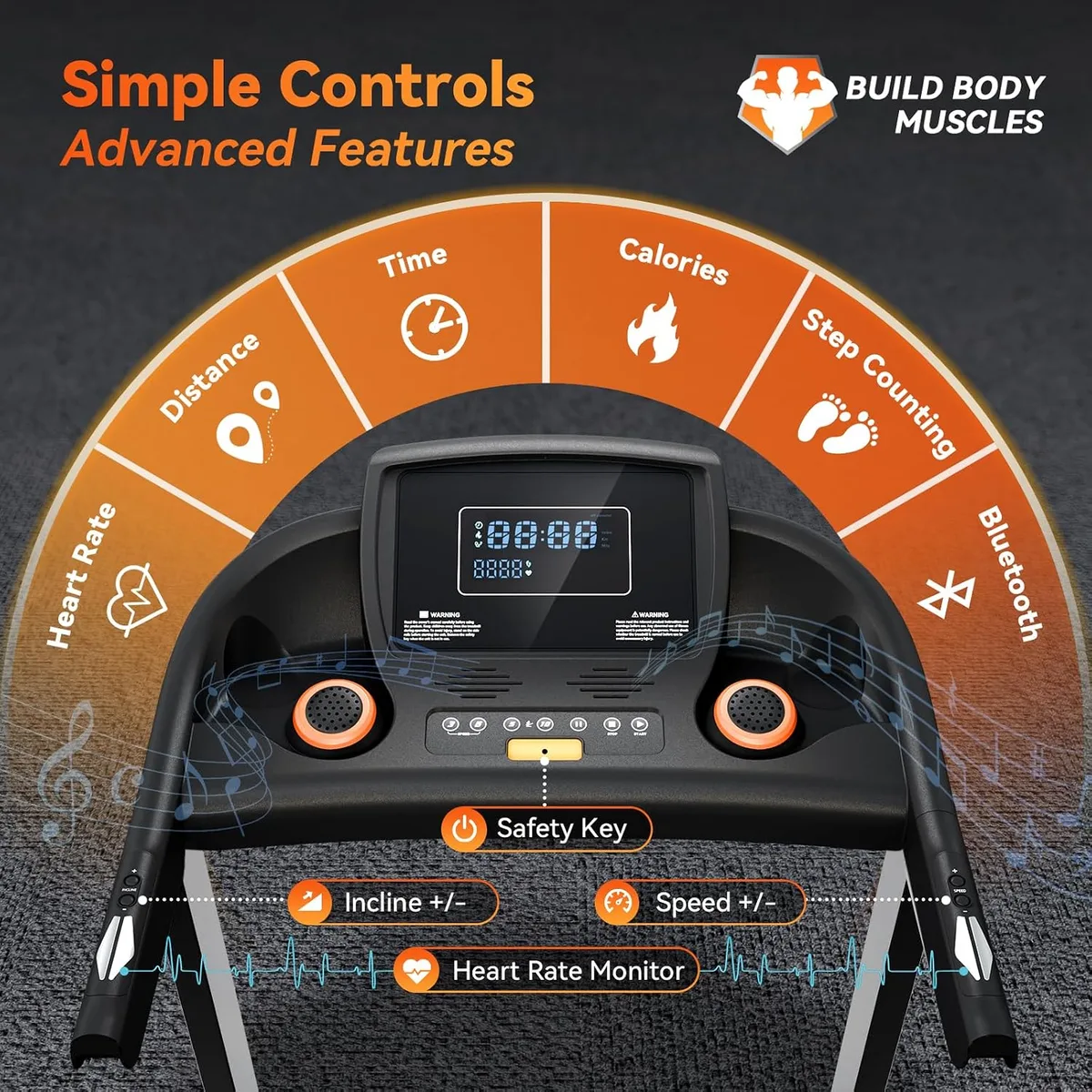
Image source: Bing (Web (fair-use with source credit))
Why "What Incline?" Is the Wrong First Question
The 1% treadmill incline rule comes from older research trying to mimic the air resistance of outdoor running. It helps, but it's not the magic number for everyone. Your workout should serve your specific purpose, whether that's joint-friendly walking or high-intensity hill training.
A standard treadmill goes up to 15% grade, which is incredibly steep. Your job is to find the sweet spot between that 1% baseline and the absolute max. This choice directly impacts which muscles you work and how much stress you put on your knees and ankles.
Think of incline as a tool. You wouldn't use a hammer for every job. Similarly, you shouldn't use the same incline for every workout.
Quick Answer: Start Here Based on Your Goal and Body
For general fitness, start between 2% and 4%. This engages your glutes without overwhelming your legs. If you're training for a hilly 5K, use interval sessions that spike to 8% or higher.
Walkers aiming for fat loss often work between 6% and 12% at a steady pace. Anyone rehabbing an injury should stick to 0% to 2% until cleared by a professional.
What Incline Should I Use on a Treadmill?
| Goal | Starting Incline |
|---|---|
| General fitness | 2% to 4% |
| Fat loss walking | 6% to 12% |
| Hill running training | Intervals of 6% to 12% |
| Beginner or rehab | 0% to 2% |
Use the talk test to gauge your effort. If you can't speak a full sentence, drop the grade by 2%. If you can sing, raise it by 1%.
Your target zone keeps you breathable but conversational.
What a Treadmill Incline Actually Does to Your Glutes, Heart, and Knees
Changing the incline shifts the workload from your quads to your posterior chain. The posterior chain includes your glutes, hamstrings, and calves. At a 0% incline, running is quad-dominant.
As you lift the treadmill deck, you engage your glutes significantly more.
This is why incline walking is such a popular low-impact cardio option. It builds strength and elevates your heart rate without the pounding of running. The American College of Sports Medicine notes that higher intensities, achieved through speed or incline, improve cardiovascular fitness more effectively.
Your ankle also has to work through a greater range of motion. For some, this feels fantastic. For others with limited mobility, it can be a problem.
This is where listening to your body becomes non-negotiable.
Muscle Activation Shifts With Grade
| Incline Grade | Primary Muscles Targeted |
|---|---|
| 0% to 1% | Quadriceps, Hip Flexors |
| 2% to 5% | Glutes, Calves Begin Engagement |
| 6% to 12% | Glutes, Hamstrings, Calves (High Activation) |
| 12%+ | Significant Posterior Chain, High Cardio Demand |
Decision Branches: Walking for Fat Loss, Training for Hills, or Rehabbing Joints
This is where we get practical. Your ideal incline depends on your primary objective. We'll use if/then logic to find your starting point.
Not sure the treadmill is right for you? Check how the elliptical compares to an exercise bike for your goals.
IF your goal is joint-friendly cardio, THEN start at 2-4%.
This range mimics a natural outdoor walk. It's gentle on your knees and ankles while still providing more resistance than a flat belt. It's perfect for daily movement and active recovery.
If this feels easy, you can gradually progress to 5-6%.
IF your goal is maximum calorie burn, THEN walk at a high incline.
Try setting the treadmill to 8-12% and walking at 3.0 to 3.5 mph. This is the famous "12-3-30" trend for a reason. It's incredibly effective.
You'll burn more calories per minute than jogging on a flat surface, with far less impact. This is a best-for-each-use-case scenario: high reward, moderate risk if you overdo it.
IF your goal is race-specific hill training, THEN use intervals.
Don't just walk uphill for 30 minutes. Simulate real hills. A simple protocol: run or jog at 0% for 3 minutes, then raise the incline to 6-10% for 1 minute.
Repeat. This builds the specific strength and mental grit you need for elevation changes.
IF you are a beginner or returning from injury, THEN stay low.
Start at 0-1% for the first 2-3 weeks. Your tendons and ligaments need time to adapt. Even a small incline changes the mechanics.
If you have a history of Achilles tendonitis or shin splints, progress by only 0.5% per week. Your first goal is consistency, not intensity.
Step-by-Step: The Incline Ramp-Up Protocol That Feels Right
Never jump to your target incline. A proper warm-up primes your muscles and cardiovascular system for the work ahead. This protocol works for walking or running.
Here is a simple five-step process. Follow it every time.
Start Flat for 2-3 Minutes. Begin at 0% incline. Walk or jog at a comfortable, easy pace. This gets blood flowing to your legs and allows your heart rate to rise gradually. Think of it as shaking off the cobwebs.
Increase by 1% Every 2 Minutes. After your initial flat warm-up, raise the incline to 1%. Maintain your pace. Two minutes later, increase it to 2%. Continue this slow, steady climb. This gradual adjustment prevents sudden shock to your calf muscles and Achilles tendon.
Reach Your Target Incline and Hold. Once you hit your goal grade (say, 6% for fat loss walking), lock it in. Now you can focus on your pace and breathing. This is your main workout set. Maintain good posture, standing tall and looking forward.
Use Intervals If Applicable. If your plan calls for hill repeats, now is the time. After holding your steady incline, drop it back down to 2% for a recovery minute. Then climb back up to your target. Alternate for the desired number of rounds.
Cool Down Gradually. Never stop from a high incline. During your last 5 minutes, lower the incline by 1% every minute. Finish flat or at 1% for the final minute. This helps clear metabolic waste from your muscles and brings your heart rate down safely.
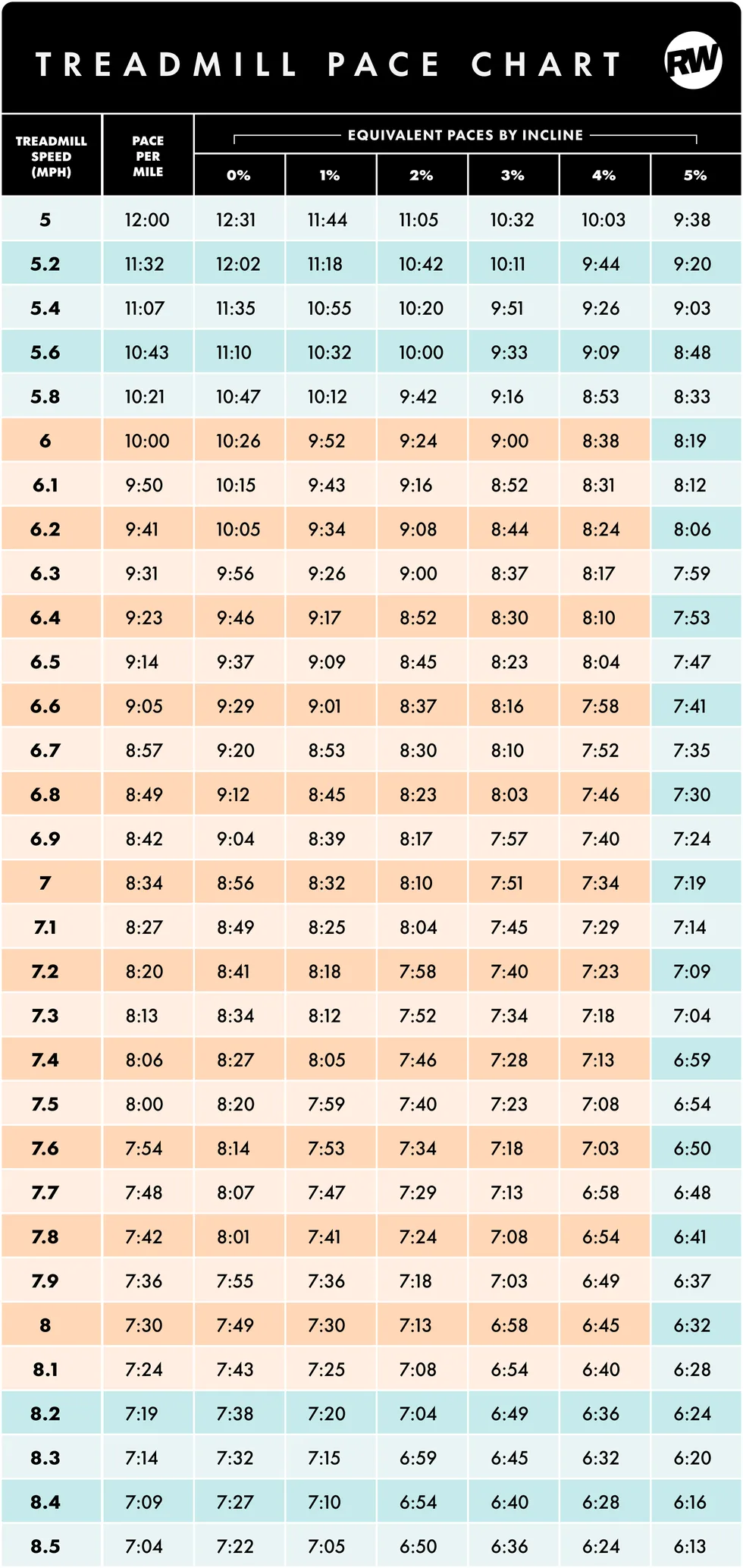
Image source: Bing (Web (fair-use with source credit))
Mistakes to Avoid: Handrail Gripping, Too-Steep Starts, and Flat-Only Workouts
The treadmill is full of subtle traps that can sabotage your results or lead to injury. Here are the three most common errors we see.
The #1 Mistake: Gripping the Handrails.
This is a huge no-no. When you hold on, you artificially support your body weight. This reduces the effort of your workout by up to 20%.
You think you're working harder because the treadmill is steep, but you're cheating your glutes and core. Your posture also suffers, leading to shoulder and back pain. Let go, swing your arms naturally, and engage your entire body.
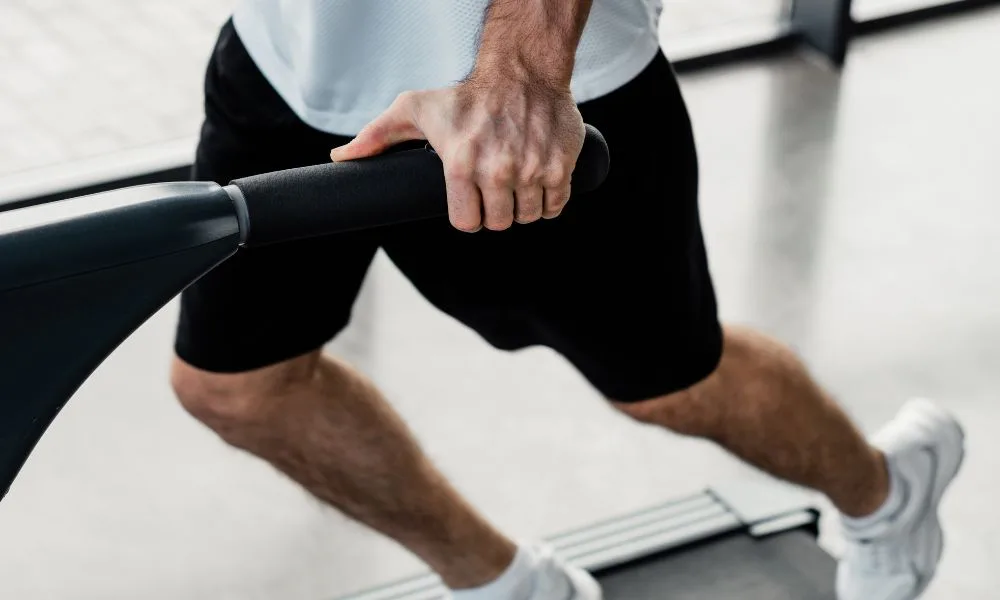
Image source: Bing (Web (fair-use with source credit))
The "Too Much, Too Soon" Error.
Someone who normally walks at 0% decides to try 10% because they read it burns more fat. The next day, their calves are in agony, and they can barely walk. This leads to skipping workouts.
Progression must be gradual. Follow the ramp-up protocol. Increase your standard incline by no more than 1% per week.
The "Flat-Only" Plateau.
If you always walk or run at the exact same speed on a flat belt, your body adapts. Your progress stalls. You need to vary the stimulus.
This can be through speed, time, or incline. Incorporating incline variation at least once or twice a week challenges your cardiovascular system and muscles in a new way. This is how you continue to see improvements.
Safety and Joint Protection: Keeping High Inclines Comfortable
Incline training is low-impact, not zero-impact. Your joints still absorb force, just less than when running. Protecting them should be a priority.
Footwear is non-negotiable. Wear shoes with proper cushioning and a heel-to-toe drop that matches your walking or running style. Worn-out soles lose their shock absorption, transferring more force to your ankles and knees. Replace them every 300 to 500 miles.
Listen to your body's signals. A muscle burn is normal. Sharp pain in a joint, tendon, or shin bone is not. If you feel a sharp pain, stop immediately.
Drop the incline to 0% and walk slowly. Persistent pain means you need to see a physical therapist or sports medicine doctor.
Form over incline. It's better to walk at a moderate 6% incline with perfect, upright posture than to slump at 15%. Leaning heavily on the console or hunching forward throws your spine out of alignment. Stand tall, brace your core lightly, and let your legs do the work.
Keep your steps short and quick at steep grades. Overstriding puts the brakes on and jolts your ankles. A faster cadence lets your calves absorb the load smoothly.
And if you feel any sharp pain near a joint, drop the incline immediately. Tendons don't heal overnight.
As of 2026, most home treadmill manufacturers recommend a maximum user weight for safe operation at high inclines. Check your manual. A heavier user on a machine at its maximum 15% incline puts different stresses on the frame and belt motor.
If your joints need a break, an elliptical session offers a solid cardio workout with zero impact. We compared the elliptical vs rowing machine if you want other low-impact options.
Frequently Asked Questions
Is 1% Incline Enough for a Workout?
Yes, but only for maintaining general fitness. A 1% grade helps mimic outdoor conditions and works slightly harder than a flat belt. Once your body adapts, you'll plateau.
To keep progress, you need to increase either speed, time, or incline. Don't stay stuck at 1% forever.
What Incline Is Best for Weight Loss?
For steady-state walking, aim for 6% to 12%. This elevates your heart rate and engages your glutes and hamstrings effectively. Start at 6% and work up gradually.
Remember, diet still matters. Comfortable shoes and good posture make a big difference at higher grades.
Should I Run or Walk on a High Incline?
Walking is safer at grades above 8%. Running on a steep incline forces your foot to strike harder and stresses your Achilles tendon. High-incline walking still gives you a serious cardio challenge and burns more calories per minute than flat jogging.
If you want a running challenge, keep the incline lower.
Why Does My Lower Back Hurt on Incline?
This usually happens from leaning forward or gripping the handrails. When you hold on, your posture compresses and your lower back overworks. Stand tall, brace your core, and let go.
If the pain persists, your incline may be too steep for your current core strength. Drop down a few grades and rebuild slowly.
How Fast Should I Walk at a High Incline?
Start at 2.5 to 3.0 miles per hour. At an 8% grade, that's already a solid challenge. Increase speed only after you can hold that pace for 30 minutes comfortably.
Better to keep the incline high and speed moderate.
Can I Use a Treadmill Incline Every Day?
Yes, if you keep the intensity moderate. Your muscles and joints need recovery, just like any other workout. Alternate days.
One day use a steep incline, the next day walk flat or use an elliptical for active recovery. If you feel tightness in your calves or knees, take a rest day and stretch.
Now you have a full plan. Pick your starting incline, track your numbers, and listen to your body. Adding a few dumbbell exercises can build the leg strength that makes steep grades feel easier.
Adjust as you get stronger, and you'll see steady, joint-friendly progress.