How to Run on a Treadmill Properly
Learning how to run on a treadmill properly comes down to a handful of habits most people skip. You step on, press start, and hope for the best. Without attention to posture, cadence, and the safety clip, that casual approach turns into sore knees and short-lived workouts.
Per ASTM F2115, the safety standard for motorized treadmills, every machine is built with cushioning and an emergency stop. Those features only help if your mechanics are sound. As of 2026, treadmills remain the default indoor cardio tool for millions of runners.
Here's what actually matters when you use one.
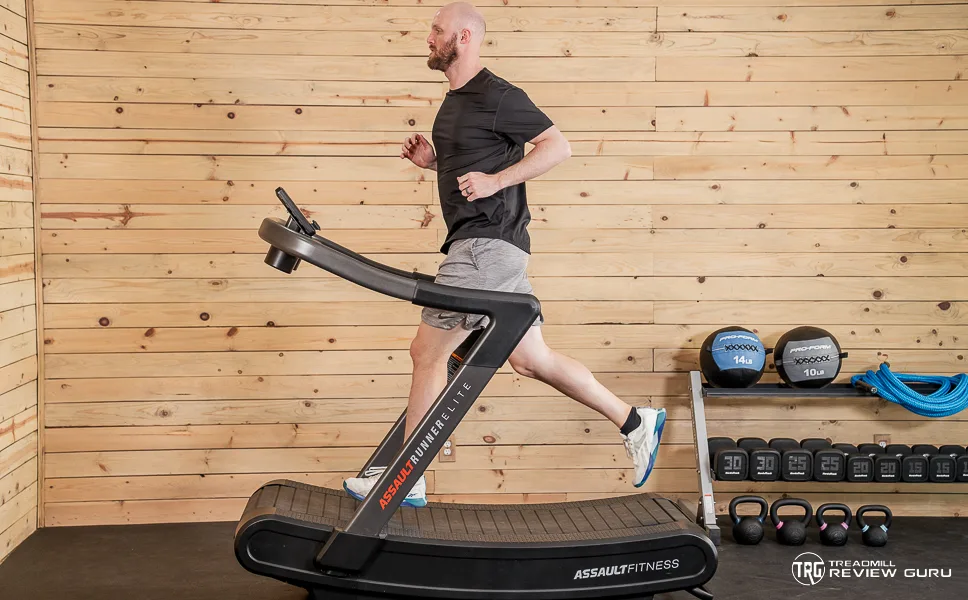
Image source: Bing (Web (fair-use with source credit))
Quick Answer
Running on a treadmill properly means standing tall. Land your feet under your hips. Keep your cadence quick.
Clip the safety lanyard before you start. Warm up with a 3-minute walk. Set the incline to 1% when you jog.
Keep your hands off the rails. Stop the belt before you step off.
Why Getting It Right on the Treadmill Matters
A few minutes of sloppy running can cause real problems. Overstriding, gripping the handrails, and letting your upper body collapse all change how force travels through your joints. The belt is forgiving at a walking pace.
At 6 mph and above, one bad step can send you flying.
The U.S. Consumer Product Safety Commission tracks thousands of treadmill-related injuries each year. Falls and muscle strains top the list.
The real issue is that a treadmill doesn't force you to move naturally. Outdoors, you adapt to terrain and wind without thinking.
On a belt, you just keep up with the pace. That passivity lets bad habits slide in. Your hips drop.
Your shoulders round. Your stride stretches out too far.
Over 30 minutes, those small errors add up. They show up as knee pain, shin splints, or a tight lower back. Better mechanics also mean less wasted energy and a smoother session overall.
Then there's the handrail problem. Gripping the rails takes load off your legs and glutes. It feels easier in the moment, but it steals most of the training effect from your lower body.
Runners who fix their form early stay consistent far longer.
The Core Elements of Proper Treadmill Form
Good form starts at the top and works down. Keep your neck long, your shoulders relaxed, and your torso tall. Picture a string pulling the crown of your head upward.
That small lift keeps your hips stacked and prevents the collapsed posture people slip into when tired.
Foot strike matters just as much. Aim for a midfoot landing under your center of mass. Heel-striking out in front of your body is overstriding.
It brakes your momentum and sends impact straight up your shins. Let your feet land quietly beneath your hips.
Cadence is the part most runners ignore. Sports science research points to 170 to 180 steps per minute as a healthy range for most people. The American College of Sports Medicine publishes running form guidance that favors a shorter, quicker stride.
You can measure your own by counting footfalls for 30 seconds and doubling that number.
Then there's the handrail rule. Don't use the rails while running. Gripping them curls your shoulders, shortens your stride, and unloads your legs.
Save your grip for stepping on and off.
How to Set Up and Run Safely: Step-by-Step
Start with the safety clip. Most treadmills ship with a magnetic lanyard that attaches to your clothing. If you fall, the magnet pulls free and the belt stops.
Skipping this step causes avoidable accidents. Check that the belt is centered before you press start.
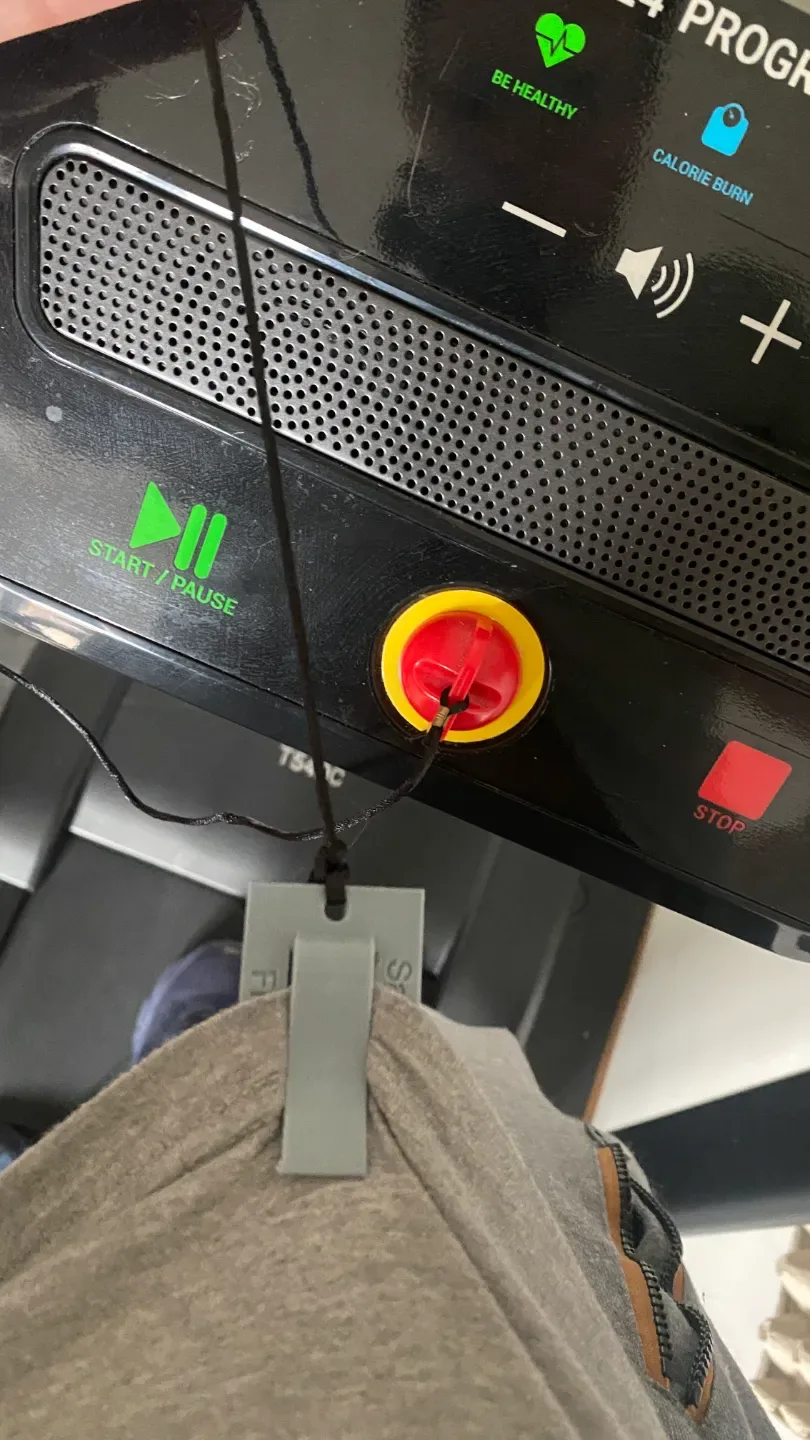
Image source: Bing (Web (fair-use with source credit))
- Clip the lanyard to your shirt or waistband.
- Straddle the belt with the machine off, then step on.
- Start at 2 mph and walk briskly for 3 to 5 minutes.
- Increase speed in 0.5 mph steps.
- Raise the incline to 1% once you settle into a jog.
That 1% incline rule makes treadmill running closer to road running. It accounts for the air resistance you'd normally face outside. Even a 1% grade changes your effort noticeably.
Most modern treadmills adjust it with a single press.
Cool down with a 3 to 5 minute walk. Stop the belt completely before stepping off. Hold the rails only when getting on or off.
The rest of the time, let your arms swing naturally.
The Biggest Treadmill Mistakes That Hurt Your Progress
Most form problems come from a short list of habits. Fix these and you'll skip a lot of pain.
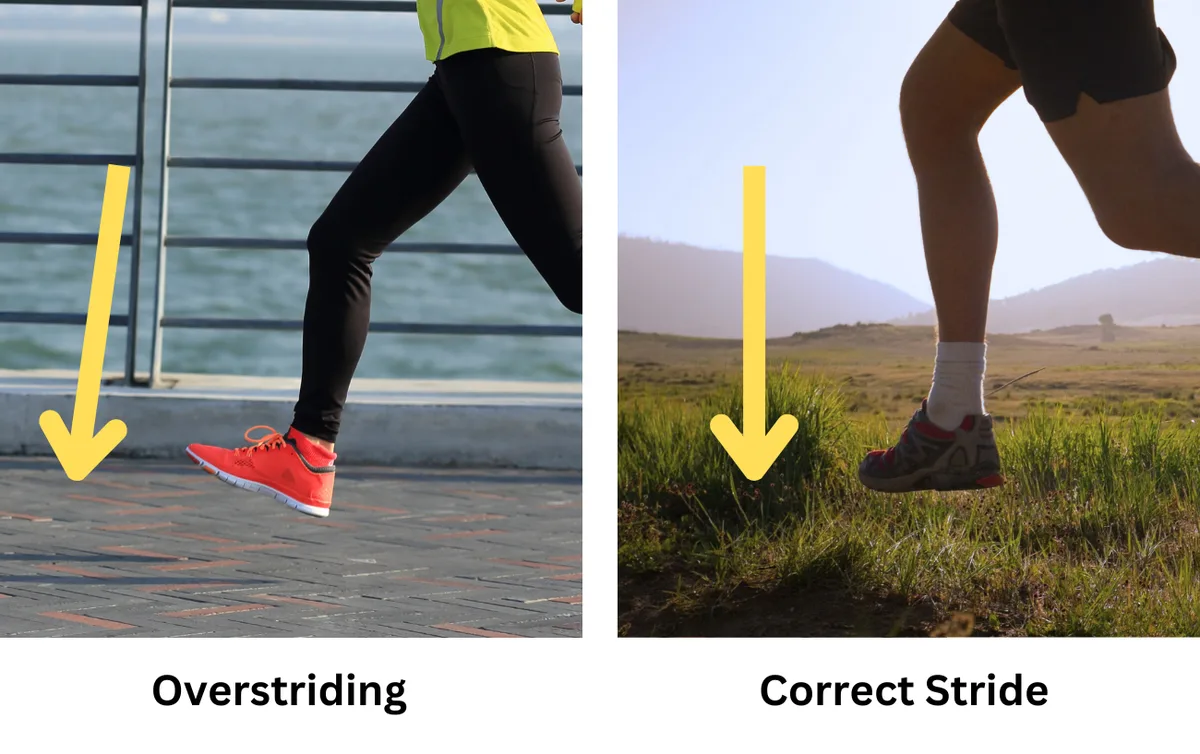
Image source: Bing (Web (fair-use with source credit))
Overstriding is the top offender. Your foot lands a few inches ahead of your body instead of underneath you. That jolts your knees and brakes your momentum.
On a treadmill, it usually happens when you crank the speed too high. The belt drags you into a longer stride than your body wants.
Looking down at your feet or the display comes second. It throws your neck out of line and rounds your upper back. Keep your gaze 10 to 20 feet ahead.
Glance at the console for a second, not a stare.
Holding the rails earns its own warning. It feels secure, but it wrecks your movement pattern. Shoulders tense, arm swing disappears, and your stride shortens.
You also lose the balance work that makes treadmill running a full-body activity.
Leaning forward from the waist shows up when you're tired and trying to keep pace. Lean from your ankles instead, with hips stacked over feet. That keeps a straight line from head to heel.
Last on the list: stepping off before the belt stops. That one second of impatience causes a lot of rolled ankles.
Adapting Your Form for Intervals, Hills, and Easy Runs
Your form shouldn't look identical across every workout. Different sessions call for small tweaks.
For fast intervals, raise your cadence and shorten your steps. Don't reach for a longer stride. That pushes you into heel striking and wastes energy.
Think light and springy. Let your feet bounce off the belt and keep your torso tall. The goal is turnover, not distance per step.
On hills, your stride shortens on its own. That's normal. Lean from your ankles, not your waist.
Drive your knees forward a little and pump your arms harder. A 4% to 6% grade for short repeats builds real strength. Just keep your shoulders down.
Recovery runs are where form falls apart. The pace feels slow, so people shuffle, slouch, or grab the rails. Treat easy days like a form drill.
Head up, light feet, steady cadence. You'll recover just as well and keep the habit locked in.
If you're weighing treadmill training against other home cardio, it helps to know how each machine loads your body. Some people prefer the impact-free motion of an elliptical versus a rowing machine, especially when joints are a concern. Others like the seated pedaling of an exercise bike compared to an elliptical.
The principle holds either way. Good form beats raw effort.
Safety Rules and When You Should Stop a Workout
Treadmill running is safe when you respect the machine, and risky the moment you ignore your body. The line between a hard session and a stop-now moment is clearer than most people think.
Stop right away if you feel chest pressure, dizziness, or unusual shortness of breath. CDC physical activity guidance treats those as signals to sit down and get medical advice. Muscle burn is normal.
Sharp joint pain is not.
| Warning Sign | What To Do |
|---|---|
| Chest pressure or tightness | Stop, sit down, seek help |
| Dizziness or nausea | Stop the belt, step off slowly |
| Sharp knee or shin pain | End the session, rest, reassess |
| Numbness or tingling | Check shoe fit and circulation |
Know where the emergency stop button sits before you press start. It kills the belt instantly. The lanyard does the same job automatically if you fall.
Test both features on any machine you haven't used before.
Maintenance counts as safety gear too. A loose belt can slip mid-stride. Wipe the deck weekly, check belt tension monthly, and clear dust from the motor housing every few months.
That same routine upkeep keeps any home cardio machine alive for years. If your treadmill squeaks or jerks, fix it before your next run.
Frequently Asked Questions About Treadmill Running
Is running on a treadmill easier than running outside?
Slightly, yes. The belt does part of the work, and there's no wind resistance. That's why a 1% incline is the standard fix.
It brings your effort closer to outdoor running without changing your pace much. Many runners also find pacing easier because the belt sets your speed for you.
What speed and incline should a beginner use?
Start at 2 mph and walk for 3 to 5 minutes. Build to a jog around 4 to 5 mph. Keep the incline at 1% once you're running steadily.
If you can't speak a full sentence, ease back. Effort should feel moderate, not desperate.
How many steps per minute should you aim for?
Most runners land between 170 and 180 steps per minute. Count your footfalls for 30 seconds and double it. If you're far below that range, shorten your stride and quicken your turnover.
Higher cadence usually means less impact through your knees and shins.
Can bad treadmill form cause injury?
It can, and it usually does over time. Holding the rails, overstriding, and staring down at the belt all change your mechanics. The repeated strain shows up as shin splints, knee pain, or lower back tightness.
Fix the form early and you'll avoid most of it.
How long should a treadmill session run?
For general fitness, 20 to 30 minutes of actual running works well. Beginners do better with 15 to 20 minutes plus a warm-up and cool-down. If you're training for endurance, build gradually.
A steady endurance session once a week gives you the base without wrecking recovery.
The Bottom Line: Run the Belt, Don't Let It Run You
Good treadmill running comes down to a short list. Stand tall. Land under your hips.
Keep your cadence quick and your hands off the rails. Clip the lanyard, warm up, and add that 1% incline once you're moving.
The machine is a tool, not a treadmill-shaped sofa. It rewards attention and punishes autopilot. If you catch yourself slouching or gripping the console, reset your posture and keep going.
Small corrections every few minutes beat one big overhaul after an injury.
If running isn't clicking for you, other cardio still builds fitness. Some people get better results from a lower-impact cardio option that spares the joints. Either way, the principles hold.
Move well, progress slowly, and listen when your body pushes back.
One last thing worth adding to the week: a couple of strength sessions with a pair of dumbbells. Strong glutes and calves hold your form together when fatigue sets in. That combo keeps you running properly long after the novelty of a new machine wears off.