Why Is My Treadmill Incline Not Working
We've all been there. You hit the incline button mid-workout, and nothing happens. So why is my treadmill incline not working?
The answer usually splits into a few predictable paths: a dead motor, a blown fuse, a stuck sensor, or a calibration glitch.
As of 2026, most home treadmills use a linear actuator rated for around 450 pounds of thrust. Per ASTM F2115 testing, these motors typically last three to seven years under normal use. Before calling for service, you can fix a surprising number of failures yourself.
Let's match your symptom to the culprit.
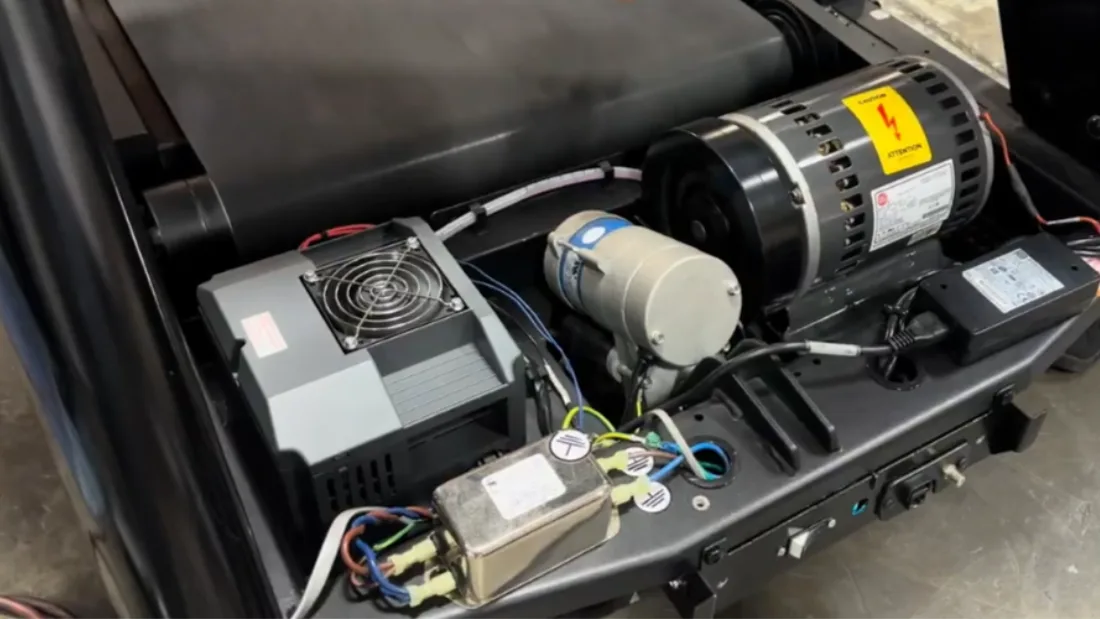
Image source: Bing (Web (fair-use with source credit))
How Treadmill Incline Actually Works (and What Breaks First)
At its core, an auto incline system is a simple linear actuator. That's a geared DC motor connected to a threaded rod. The motor turns, the rod spins, and the front of the deck rises or falls.
The key components are the motor, upper and lower limit switches, a controller board, and your console. The limit switches are tiny stops that tell the motor when to shut off at the top and bottom. If a switch sticks, the motor gets confused.
If the motor is stripped, it will click but produce zero lifting force.
This is where a lot of people get lost. They assume a non-moving deck means a dead motor. In our research, a stripped gear inside the actuator is just as common as a blown fuse.
Belt slippage, pinched wires where the folding deck pivots, and even a loose ground wire can all stop the system entirely.
Follow the deck pivot area and you'll often find the wire harness. Those wires flex every time you fold the treadmill. Over years, a wire can wear through and short out.
Use a multimeter to test continuity before replacing anything expensive.
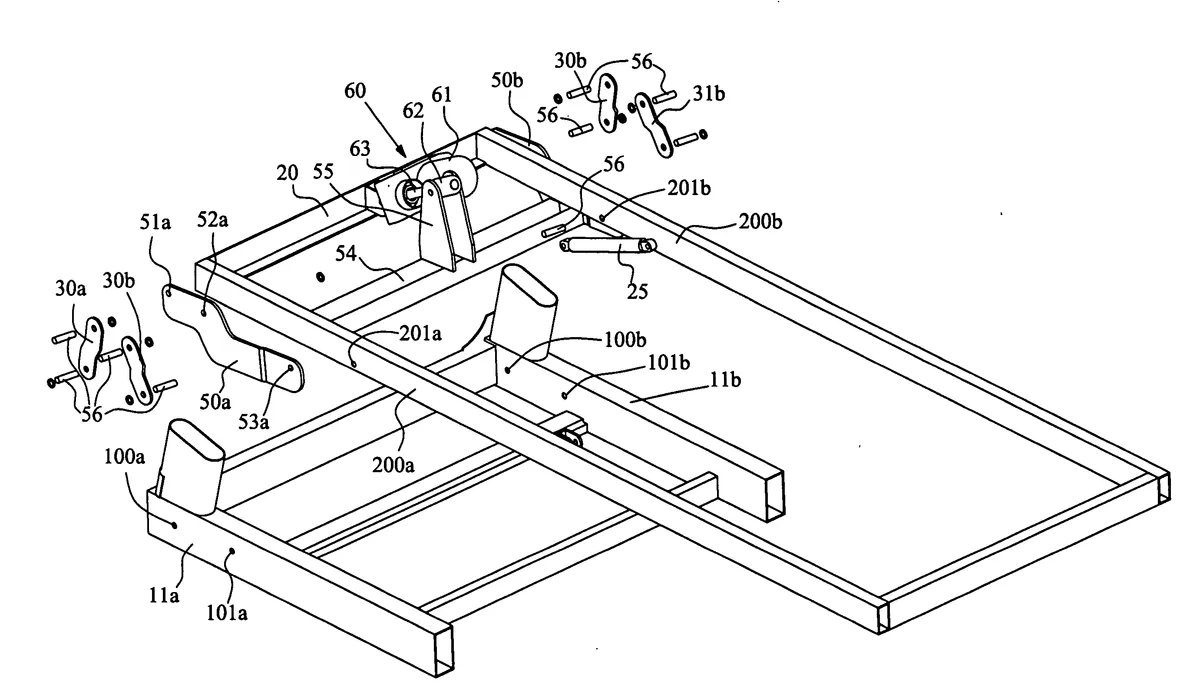
Image source: Bing (Web (fair-use with source credit))
This architecture is shared across many home cardio platforms. Understanding it helps when comparing your cardio options, whether you're on a belt deck or a rail system.
Quick Wins: Resets, Calibration, and Simple Checks Before You Panic
Before you buy anything, run through the cheap fixes. Nine times out of ten, a calibration glitch or a tripped breaker explains the whole problem.
Start by unplugging the treadmill. Wait a full 60 seconds. This clears the controller board and resets its internal memory.
While it's unplugged, check the wire harness under the hood for any visible crimps or rodent damage.
Next, inspect the safety key. If it's missing or worn, the console may refuse to start the incline. Replacement keys cost less than $10, and most brands use magnetic safety clips.
After that, run the built-in calibration. In most consoles, you hold down the incline up and down buttons together for five to ten seconds. It will move the deck from zero to max and back.
This reading tells you exactly where the problem is.
If the deck still won't move, check the limit switches. A stuck upper switch will keep the motor from lifting at all. It's a simple sensor replacement once you've located it.
Checking a noisy machine follows the same logic: rule out the cheap stuff first.
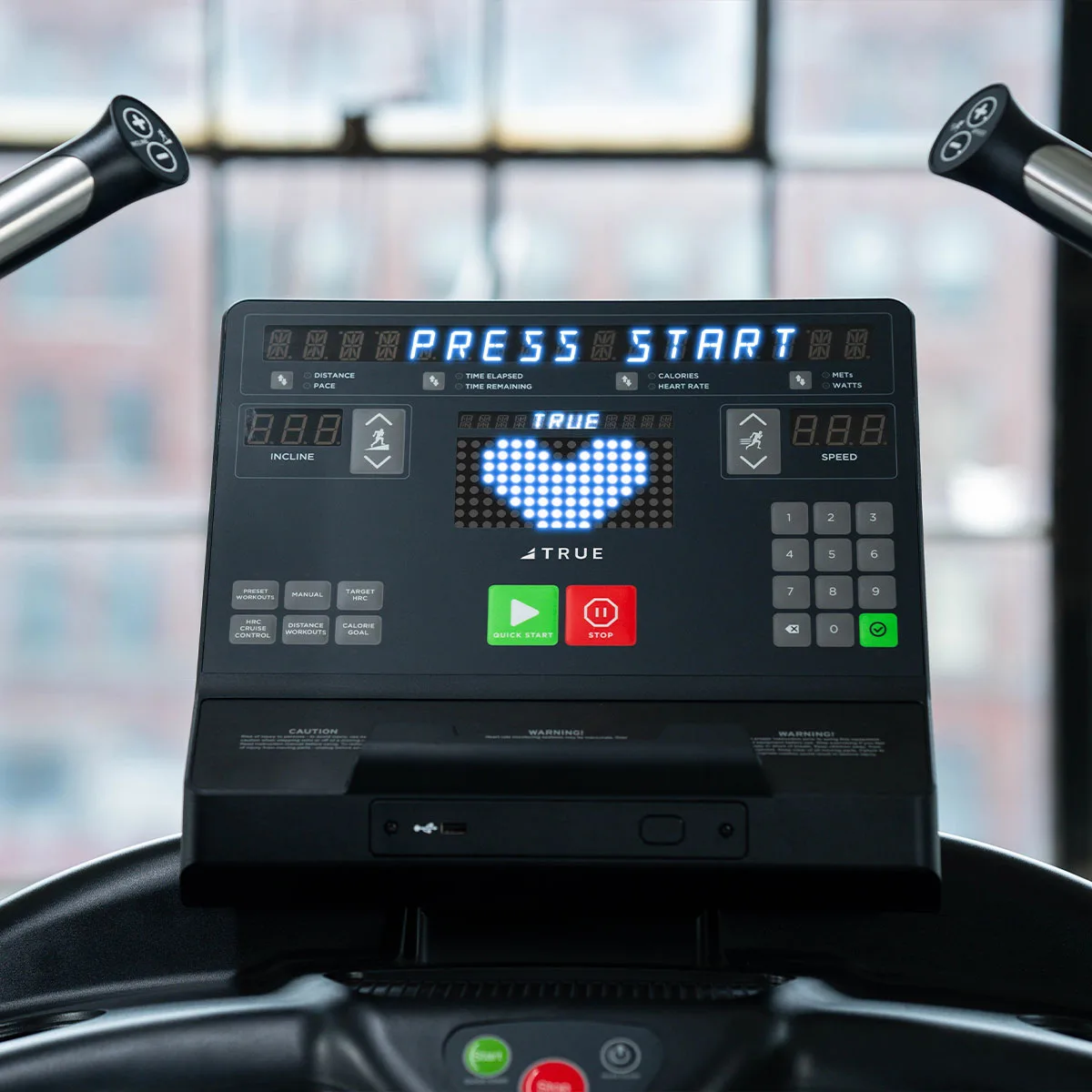
Image source: Bing (Web (fair-use with source credit))
The Decision Tree: Match Your Symptom to the Fix
The fastest way to diagnose this is to listen. Take a seat next to the deck and press the incline button. What do you hear?
Nothing? A click? A grinding sound?
Use the table below to match your symptom. Each path points to a different fix.
| Symptom | Likely Cause | First Action |
|---|---|---|
| Clicking but no movement | Stripped gear inside actuator | Replace incline motor |
| One side lifts, other stays | Bent lift rod or broken pivot pin | Inspect and straighten or replace |
| Stays at max and won't lower | Stuck upper limit switch or blown controller | Replace switch, then test board |
| No sound, no movement | Dead motor, loose wire, or blown fuse | Check power and continuity |
Clicking but the Deck Won't Move
This is a dying gearbox. The motor receives power, but the internal teeth are worn down. You can't grease this back to life.
You must replace the linear actuator motor.
One Side Lifts but the Other Stays Down
This is usually a structural issue. A lift rod has bent, or a pivot pin has fallen out. Raise the deck manually to inspect both rails.
Don't try to run the motor while it's bound up.
Deck Stays at Max Incline and Won't Lower
A stuck upper limit switch gives you this exact behavior. The motor thinks it's still okay to lift, but the switch fails to register the top. The controller board may also be fried.
A good rule of thumb: keeping sensors clean prevents a lot of phantom headaches.
No Sound, No Movement at All
Check the breaker and wiring. The motor armature could be open. If you have power but no action, test the motor brushes directly.
Replacing vs. Repairing: Costs, Parts, and When to Call a Pro
A replacement incline motor for most home treadmills runs $100 to $250. That's the part only. If you're handy with a wrench and a multimeter, swapping a motor takes about an hour.
Many owners have done it in the garage with basic tools.
The repair cost climbs fast if you hire a technician. Expect a $75 to $125 service call fee plus labor. That means a simple motor replacement might land near $350 total.
When is repair actually worth it? If you have a commercial-grade unit from Precor or Life Fitness, buy the part. Those machines are solid everywhere else.
For a budget treadmill that's over seven years old, the math flips. A $250 motor on a $600 treadmill is not a smart spend. Aggregate reviews report that most owners in this situation would be better off investing in new equipment.
Check your warranty first. Many residential treadmills carry a 5-year motor warranty. If yours is covered, the repair might cost nothing more than the service call.
It's always worth a phone call to the manufacturer.
For general home gym upkeep, a little regular attention goes a long way. Routine upkeep on your cardio gear prevents the small issues from becoming major repairs.
Mistakes That Make Treadmill Incline Problems Worse
One wrong move can turn a $150 repair into a $400 one. Here are the habits that cost people the most.
Never pry the deck up while the motor is engaged. You'll strip a gear that was perfectly healthy. If the motor is stuck, unplug the machine first, then lift by hand.
Don't spray lubricant on the motor or limit switches. Grease attracts dust and debris. Within weeks, the sensor gets contaminated and the error codes start.
Use silicone just on the pivot rails.
Ignoring the error codes on your console is another mistake. The codes are there to tell you exactly which component failed. Write the code down, look it up, and fix it properly.
Avoid cheap replacement parts on the controller board. A generic linear actuator might cost $60. But if the resistance values don't match, the board will burn out again.
Stick with OEM parts for the electronics.
Don't run the incline system if it makes a grinding sound. That's metal teeth scraping against each other. Running it longer only damages the frame brackets.
Follow the safety guidance from the Consumer Product Safety Commission when working around moving machinery. And use proper adjustment techniques to respect the mechanical limits of your gear.
Treadmill Incline Maintenance So It Doesn't Happen Again
A little routine care prevents most incline failures. The motor and lift rails need attention a few times a year.
Wipe the lift rails monthly with a dry cloth. Dust builds up on the pivot points and makes the motor work harder. After cleaning, apply a thin layer of silicone lubricant to the rails.
Never use oil-based sprays. They attract dust.
Check the wiring harness every three months. Look at the spot where the deck folds. Frayed wires are the number one cause of intermittent incline problems.
If you see exposed copper, replace the harness before it shorts.
Run a full calibration cycle every month. This keeps the limit switches and the controller board in sync. It also tells you early when something is starting to wear.
Test the incline motor manually once a season. Unplug the machine, lift the deck, and feel for looseness in the actuator shaft. Any wobble means the gearbox is failing.
Replace it before it fully dies.
If your treadmill sits in a garage or basement, consider humidity. Moisture corrodes limit switches and controller connections. A dehumidifier in the room goes a long way.
Treadmill Incline Not Working? FAQ
Why does my treadmill incline click but not move?
The internal gear is stripping. The motor receives power and tries to turn, but the teeth can't grip. Replace the linear actuator motor.
A clicking sound always means mechanical wear, not an electrical fault.
How do I reset my treadmill incline?
Unplug the treadmill for 60 seconds. Then hold the incline up and down buttons together for five to ten seconds. The deck will cycle to its limits and back.
Most brands follow this pattern, though some use specific key combinations from the owner's manual.
Can I fix a treadmill incline motor myself?
Yes, if you have basic tools and follow the owner's manual. The motor usually sits under the console and attaches to the lift frame with a few bolts. Expect a one to two hour job.
Unplug the machine first and chock the deck.
How much does it cost to replace a treadmill incline motor?
A replacement motor costs $100 to $250 for most home treadmills. Professional installation adds a $75 to $125 service fee. On budget treadmills, a motor replacement may cost more than the machine is worth.
Why does my incline work sometimes but not other times?
Intermittent failures point to wiring or limit switches. Frayed wires lose contact when the deck moves. A sticky limit switch registers falsely under vibration.
Test both with a multimeter before spending money on a new motor.