How Does an Elliptical Machine Work
Ever wondered how an elliptical machine gives you a killer cardio workout without pounding your knees into submission? It’s all about a clever, fluid motion that mimics natural movement but with significantly less impact. This unique design makes it a go-to for fitness enthusiasts and those recovering from injuries alike.
You get full-body engagement and serious calorie burn, all while feeling like you're gliding. The core mechanism relies on synchronized movement between your arms and legs, driven by a resistance system. According to manufacturer specifications, typical magnetic resistance systems offer between 8 to 20 levels of intensity, allowing for progressive training.
Let’s break down exactly how this magic happens.
Quick Answer
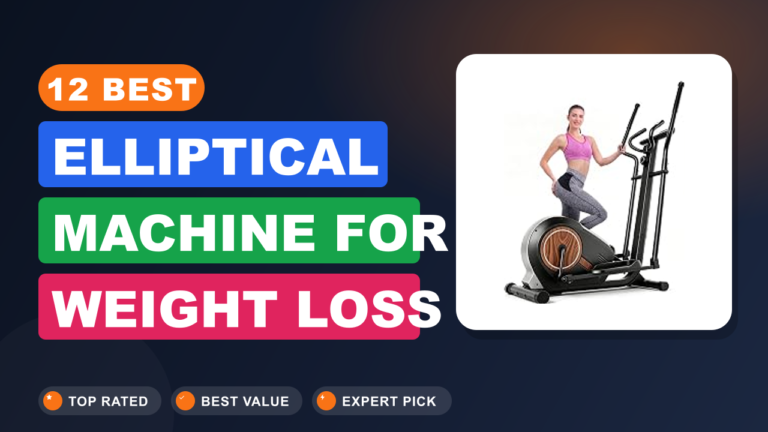
An elliptical machine works by using synchronized movement of pedals and handlebars to create a low-impact, gliding motion. Pedals move in an elliptical path, while connected handlebars provide an upper-body workout. A resistance mechanism, usually magnetic, controls the intensity of the workout.
This combination allows for cardiovascular exercise that engages multiple muscle groups without the jarring impact of running.
Core Explanation: The Mechanics Behind the Motion
At its heart, an elliptical machine is designed to simulate a natural walking or running motion, but with a crucial difference: there’s no heel strike. Instead, your feet stay planted on the pedals throughout the entire movement. This continuous contact is what eliminates the shock and impact your joints would normally endure.
Think of it like a smoothed-out combination of walking, running, and stair climbing.
The magic happens through a series of connected mechanical parts. Your pushing and pulling on the handlebars and pedals drive a flywheel. This flywheel’s momentum, combined with the machine's resistance system, dictates how much effort you need to exert.
The motion itself is designed to be fluid and continuous, ensuring that you’re always in motion, never experiencing a jarring stop or start.
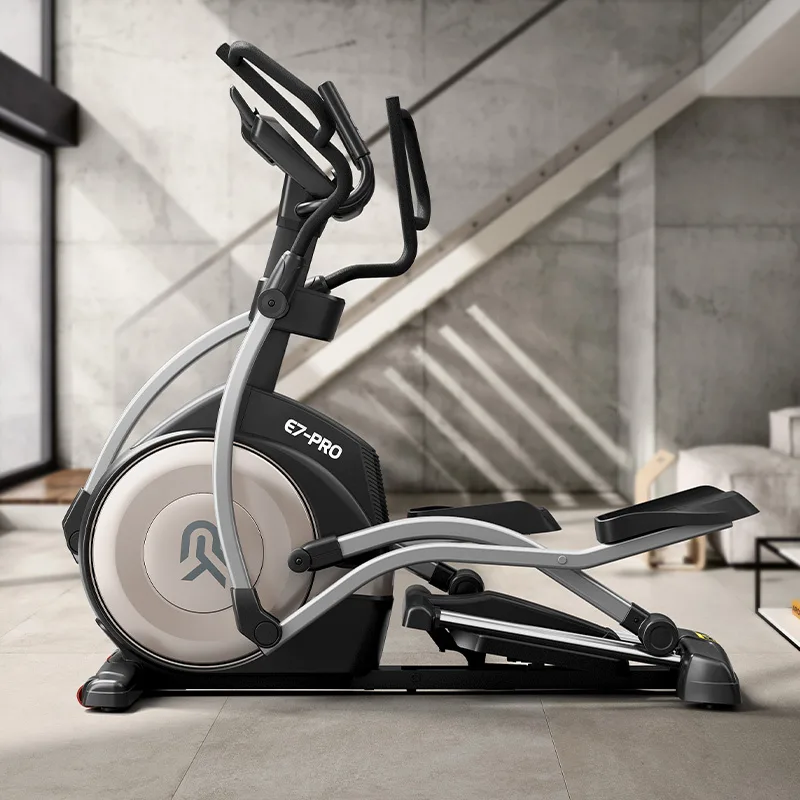
Image source: Bing (Web (fair-use with source credit))
What Makes an Elliptical Move: Key Components and How They Work Together
Understanding the individual parts helps clarify the whole picture. You've got your pedals, which are the footrests where your feet are secured. These are connected to a system of arms and links that create that characteristic elliptical path.
The moving handlebars are also linked to this system; as your legs push and pull, the handlebars reciprocate, allowing for an upper-body workout.
Then there's the resistance mechanism. Most modern ellipticals use magnetic resistance, which is quiet and smooth. This system uses magnets that get closer to or farther from a metal flywheel, creating more or less tension.
Some older or simpler models might use a fan (air resistance) or a friction brake. The flywheel itself stores rotational energy, contributing to the smooth, consistent feel of the motion. Manufacturer specifications often cite flywheel weights ranging from 15 to 30 pounds, with heavier flywheels generally providing a smoother workout.
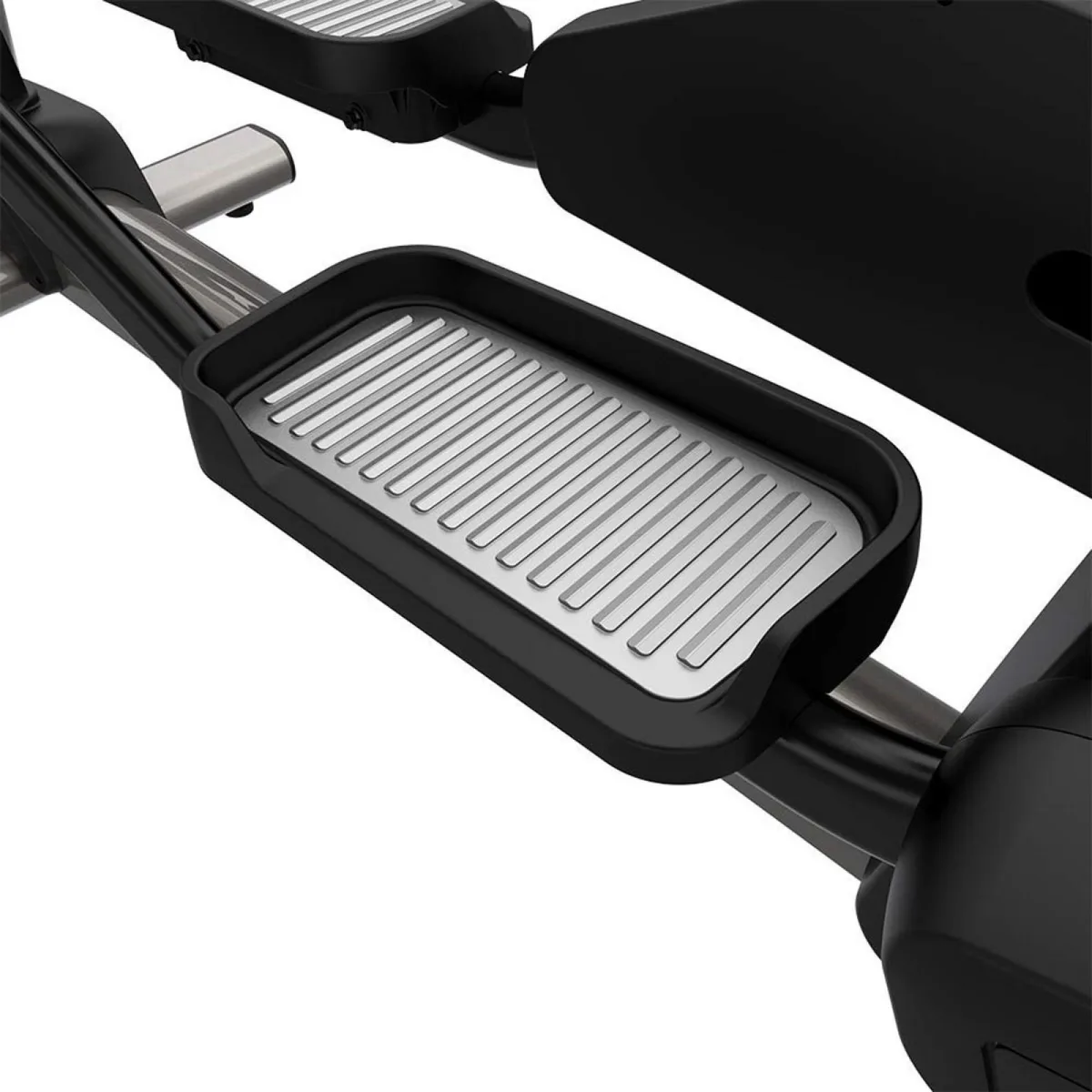
Image source: Bing (Web (fair-use with source credit))
The Benefits: Why Ellipticals Are Great for Your Joints and Fitness
The biggest draw for many people is the low impact. Because your feet never leave the pedals, there’s no pounding on your knees, hips, or ankles. This makes ellipticals an excellent choice for individuals with joint pain, arthritis, or those recovering from injuries.
It’s a way to get a fantastic cardiovascular workout without the high risk of joint damage.
Beyond joint-friendliness, ellipticals offer a superb full-body workout. When you actively engage the moving handlebars, you’re working your arms, shoulders, chest, and back simultaneously with your legs and glutes. This muscle engagement means you burn more calories in less time compared to workouts that isolate just one or two muscle groups.
Aggregate user reviews consistently highlight improved cardiovascular health and increased stamina as key benefits. This makes them a worthwhile addition to your home fitness setup, especially if you're looking for an efficient way to boost your overall well-being.
Image source: Web (Bing) / listal.com (Web image (fair-use with source credit))
Elliptical vs. Other Cardio Machines: What's the Right Fit for You?
When you're shopping for cardio equipment, the elliptical is just one option. How does it stack up against others? A treadmill, for instance, offers a more natural running or walking feel, but with significantly higher impact.
Your foot strikes the belt, sending shockwaves up through your legs and body.
A stationary bike, like an upright or recumbent model, is also low-impact but primarily targets your lower body and core. While there are variations that incorporate arm movements, the elliptical generally provides a more integrated upper- and lower-body experience. For a full-body, low-impact cardio session, the elliptical often hits a sweet spot that other machines don't quite reach.
For example, research suggests that ellipticals can engage up to 80% of the body's muscles when using the moving handlebars. This makes them a versatile tool for a comprehensive fitness routine, especially when compared to machines that focus more narrowly on the legs. If you're considering different types of cardio, understanding these distinctions is key.
Our breakdown on what is the difference between an exercise bike and a treadmill can help you compare your options.
Getting the Most From Your Elliptical: Tips for an Effective Workout
To really make an elliptical work for you, pay attention to your form and how you use the machine. First, ensure you have the right stride length for your body. Many ellipticals offer adjustable stride lengths, which can range from 16 to 22 inches as of 2026.
Finding one that comfortably matches your natural gait will prevent strain and maximize efficiency.
Don't neglect the handlebars! Actively push and pull with your arms, engaging your core to stabilize your body. This turns what could be a lower-body-only workout into a full-body exercise.
Think about keeping your posture upright and your movements smooth. Also, utilize the resistance settings. Start lower if you're new or recovering, and gradually increase it as you build strength and endurance.
Varying your resistance throughout a workout can also provide a more challenging and effective training session. Proper setup is also vital for comfort and performance; learning how to set up an exercise bike might offer some transferable insights into ensuring your equipment is ready for optimal use.

2 Comments