How to Maintain a Treadmill
If your treadmill belt has started slipping or squeaking, you're not alone. Knowing how to maintain a treadmill is the difference between a machine that lasts years and one that gives out after a few seasons. The good news?
The whole routine takes about 15 minutes per month. You just need to know what to look for and when to act.
Manufacturer specifications typically recommend lubricating the belt every three to six months. A solid benchmark is every 150 to 500 miles of running. We'll cover cleaning, tension, lube, and alignment so you can skip the costly service calls.
Let's walk through the exact process, step by step.
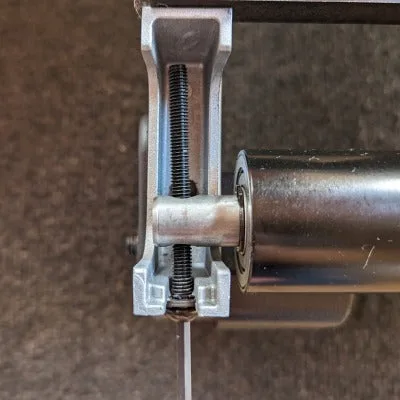
Image source: Bing (Web (fair-use with source credit))
The 5-Minute Treadmill Check That Prevents Most Repairs
Here's the short version: unplug the treadmill, wipe down the surfaces, vacuum underneath, and inspect the belt for wear. Do this monthly, or weekly if you run daily, and you'll dodge most common problems. Think of it as a quick health scan for your machine.
| Check | What to Look For | Action |
|---|---|---|
| Belt wear | Frayed edges, cracks, or shiny spots | Replace the belt if worn |
| Belt tracking | Off-center or rubbing the side rails | Realign with rear roller bolts |
| Deck cleanliness | Dust, debris, or black buildup | Vacuum and wipe down |
| Loose parts | Wobbling console, loose bolts | Tighten with a hex key |
The key is listening. If the belt stutters mid-run, stop and inspect the rollers. A squeak that wasn't there last week usually points to a dry deck.
Catch these signs early, and you'll save yourself an expensive repair later. This same repair logic applies across most home cardio equipment, so the habits carry over.
Here's a simple way to test tension. Press down at the center of the belt. You want roughly 1 to 2 inches of lift.
Too tight strains the motor. Too loose causes slipping. Getting this right prevents most of the problems we'll tackle below.
The Treadmill Maintenance Decision Tree: What's Your Symptom?
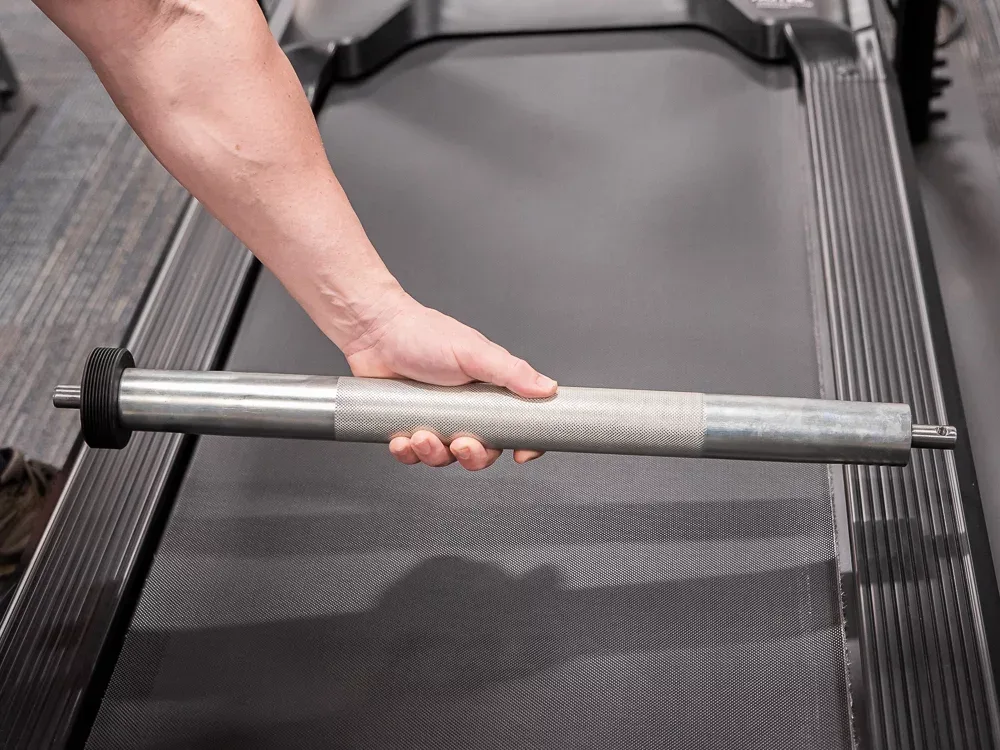
Image source: Bing (Web (fair-use with source credit))
Before you touch any bolts, identify what you're dealing with. The fix for a slipping belt is completely different from the fix for a grinding noise. Use the symptom branches below to jump straight to the correct action.
Belt Slipping or Stalling
This feels like running on ice. The belt moves slower than your stride, or it stops entirely when you push off. Usually, the belt is under-tensioned.
Grab your hex wrench and tighten both rear bolts evenly, a quarter turn at a time. Check the lift again after each adjustment. If it still slips after two full turns, the belt is likely worn out.
In that case, replacement is the honest answer.
Belt Wanders Off-Center
Start the treadmill at 2 mph and watch the belt's path. If it drifts right, turn the right rear bolt a quarter turn clockwise. If it drifts left, do the same on the left side.
Let the machine run for a minute to see the effect. Make adjustments slowly, and never reach near moving parts while it's running. This is a simple fix once you learn the tension and alignment tweaks that keep equipment tracking straight.
Squeaks, Grinds, or Burning Smell
A high-pitched squeak usually means the belt needs lubrication. Apply a silicone-based product and run the belt at low speed to spread it. A grinding sound points to roller friction, which requires deeper inspection.
And a burning rubber smell? Stop immediately. That's a dry deck with a belt that's been running unlubricated.
Let everything cool down before you apply any conditioner.
Step-by-Step Treadmill Maintenance: Clean, Tension, Lubricate, Align
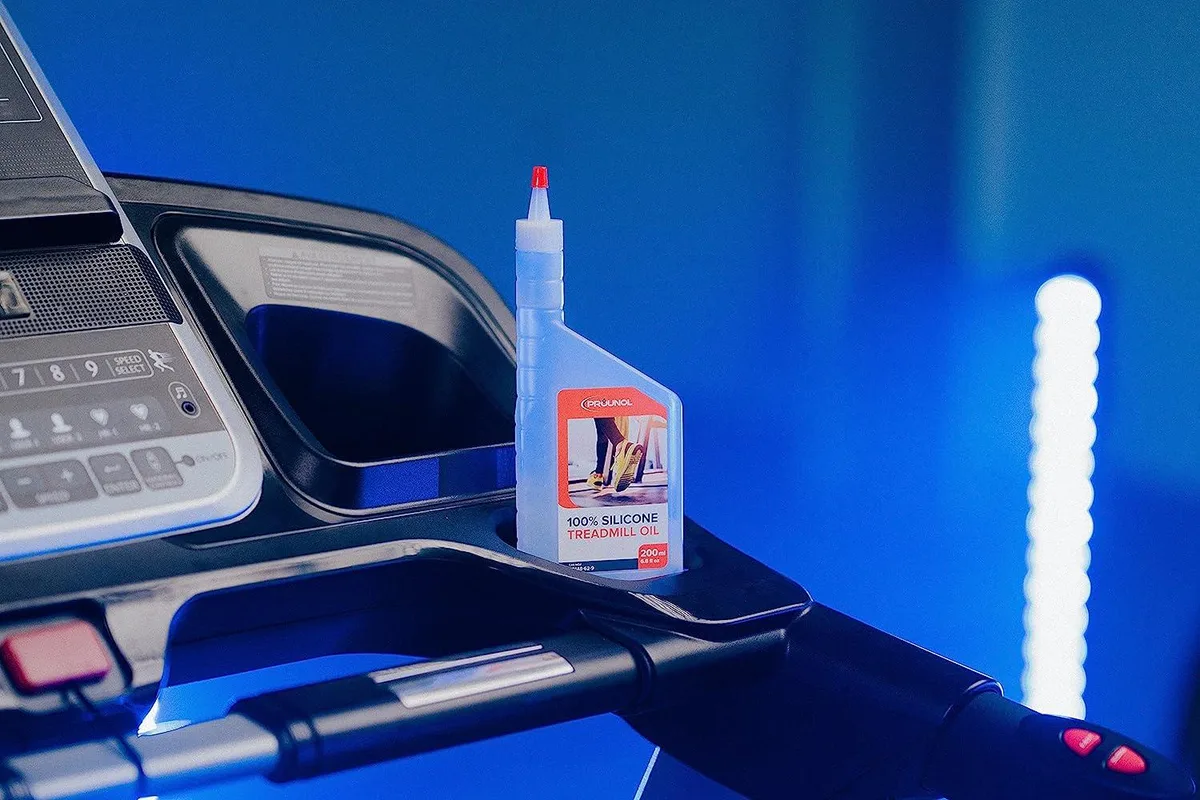
Image source: Bing (Web (fair-use with source credit))
Now we get into the full routine. It takes about 15 minutes, and it's the same process that most professional service technicians follow. Do this consistently, and you'll rarely need to call for help.
Step 1: Clean the surface and underside. Unplug the treadmill first. Wipe down the console, handlebars, and side rails with a microfiber cloth. Vacuum around the motor shroud and under the base.
Dust and lint are silent killers, they restrict airflow and cause the motor to overheat.
Step 2: Tension the belt. Perform the 1-to-2-inch lift test at the center. Adjust the rear bolts with a hex wrench, always in quarter-turn increments. Tighten both sides evenly so the belt stays centered on the rollers.
Step 3: Lubricate the deck. Use only a silicone-based treadmill lubricant. Squirt a small amount along the center of the deck, underneath the belt. Then run the treadmill at 2 to 3 mph for a few minutes to spread it evenly.
Here's a useful comparison:
| Lubricant Type | Best For | Frequency |
|---|---|---|
| Silicone liquid | Most home treadmills | Every 3 months or 500 miles |
| Teflon dry lube | Self-lubricating decks | Only if the manual specifies it |
Step 4: Align the belt. With the treadmill still running at low speed, watch the belt's tracking. If it drifts to the right, turn the right rear bolt a quarter turn clockwise. If it drifts left, do the same on the left.
Let it run for a minute, then recheck. This mirrors the routine upkeep you'd perform on other home gym machines.
How Often to Maintain a Treadmill: Real Timelines and Mileage
The right maintenance interval depends on your weekly mileage, not just the calendar. Someone who walks an hour every day needs more frequent care than a weekend jogger. Base your schedule on real usage data.
| Task | Frequency |
|---|---|
| Wipe down console and rails | After every workout |
| Vacuum under the treadmill | Weekly |
| Inspect belt tension and alignment | Monthly |
| Lubricate belt | Every 3 to 6 months, or 150 to 500 miles |
| Check deck wear and replace components | Every 6 to 12 months |
| Professional tune-up | Annually |
Track your mileage. Most modern consoles log this automatically. If yours doesn't, keep a small notebook near the machine or use a phone note.
Months alone don't tell the whole story, because two people can own the same treadmill and put vastly different wear on it.
As of 2026, many new treadmills feature self-lubricating decks. That can stretch the lube interval to once a year. But always check the manual.
The deck doesn't care what year the machine was made, it only cares about friction. When in doubt, stick to the shorter interval.
Your workout frequency matters more than the calendar. If you're running three miles a day, hit that lubrication mark at the three-month point. If you're a light walker, six months is fine.
Let your mileage be the guide.
Treadmill Maintenance Mistakes That Quietly Damage the Machine
Most of the damage we see in home treadmills comes down to a handful of well-meaning mistakes. Avoid these, and you'll extend the life of your machine by years.
- Using the wrong lubricant. WD-40, cooking spray, or general-purpose grease will ruin the deck. Only use silicone-based or Teflon-based products designed for treadmills.
- Over-lubricating. More lube isn't better. It attracts dust, creates a slippery surface, and makes a mess. Half an ounce is plenty for a standard application.
- Ignoring belt alignment. A belt that rubs against the housing will fray and crack. Fix the tracking issue before it damages the belt beyond repair.
- Over-tightening the bolts. You can over-tension the belt and burn out the motor. Always stick to the 1-to-2-inch lift test.
- Skipping the warm-up. Never apply lubricant and immediately start a sprint. Let the treadmill run at a slow speed for a few minutes to spread the product evenly.
- Forgetting to unplug. This is the biggest safety risk. The Consumer Product Safety Commission has documented injuries from exercise equipment, so unplug the machine before every maintenance task. You can review their safety guidelines at cpsc.gov.
The deck is the most expensive component to replace, and it's the one people ignore longest. If you notice black streak marks on the deck surface, that's friction damage. Treat it as your warning signal.
Start cleaning your home gym gear more regularly and address the root cause before it gets worse.
Belt and Deck Replacement: DIY or Call a Pro?
The belt and deck are the only major wear parts on a treadmill. A replacement belt costs between $50 and $150. That's manageable for most home owners.
Swapping it takes about an hour with a hex wrench and a screwdriver.
Here's the catch. The belt and deck work together as a friction pair. If you replace the belt but the deck is scratched or gouged, the new belt will wear out fast.
Inspect both before you buy anything.
| Part | DIY Difficulty | Typical Cost | When to Replace |
|---|---|---|---|
| Belt | Moderate | $50–$150 | Frayed, glazed, or slips after tensioning |
| Deck | High | $150–$300 | Grooves, deep scratches, or rough centerline |
Replacing the belt is a solid DIY project. You loosen the rear bolts, slide the old belt off the rollers, and position the new one. Run it at low speed and re-tension using the same quarter-turn method from the maintenance routine above.
If you can assemble flat-pack furniture, you can handle this.
Deck replacement is where we draw the line. The deck is a heavy slab of particle board coated with a friction-reducing surface. Mishandling it can crack the frame or strip mounting holes.
Professional installation averages $100 to $200, and that's worth it when you consider the cost of a new treadmill.
If you see error codes, smell burning wires, or notice the motor hesitating, skip the DIY route entirely. Those are electrical problems. A certified technician should handle them.
Regular upkeep on your other home machines will also help you catch these issues early.
Treadmill Maintenance FAQs
How often should I lubricate the treadmill belt?
Every three months or every 500 miles, whichever comes first. Light walkers can stretch that to six months. Daily runners should lube closer to the three-month mark.
Your owner's manual is the final authority here.
Why does my treadmill belt keep slipping?
The belt is too loose, or the deck is too slick from over-lubrication. Tighten the rear bolts a quarter turn at a time. If it still slips after two full turns, the belt is worn out and needs replacing.
Can I use WD-40 on my treadmill?
No. WD-40 is a solvent, not a lubricant. It will dry out the deck and damage the belt's underside.
Use a silicone-based treadmill lubricant or a Teflon dry lube, whichever your manual specifies.
When should I replace the treadmill belt?
Replace it when you see frayed edges, cracks, or a shiny glazed center. A belt that slips after tensioning also needs replacement. Most belts last 500 to 800 hours of use.
That equals roughly three to five years for a typical home runner.