How Often Should You Service a Treadmill
Let's get straight to it. How often should you service a treadmill? The answer is simpler than most manufacturers make it sound.
Once you track your usage, the right maintenance window becomes obvious.
Most home treadmill manuals recommend belt lubrication every 100 to 150 hours of actual run time. For a typical walker, that's about once every three months. A runner hits that mark in under six weeks.
That's the core rule of treadmill care. Once you see the numbers, everything else falls into place.
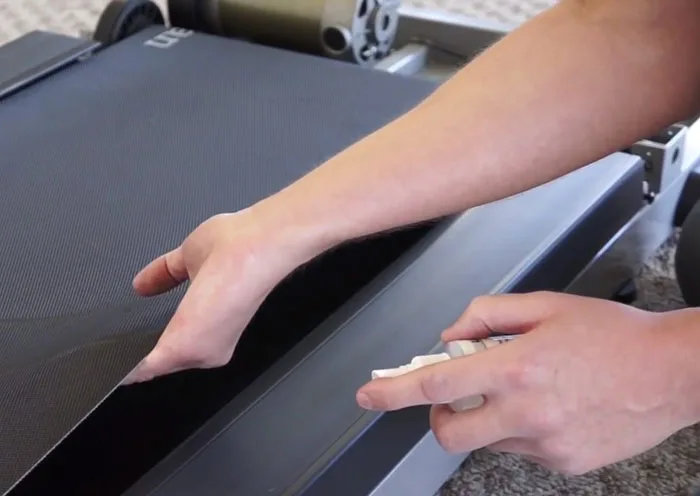
Image source: Bing (Web (fair-use with source credit))
Quick Answer
Service your treadmill based on hours of use, not calendar months. Light walkers can wait about three months. Joggers should lubricate every six to eight weeks.
Runners logging high mileage need monthly care. Annual professional servicing keeps the motor safe. Use the owner's manual as your final guide.
How to Tell Your Treadmill Needs Service (Before It Breaks)
Warning Signs You Shouldn't Ignore
Your treadmill talks to you. A chirping belt, a slight drag, or a warm motor smell are all early warnings. If you catch them early, you can often fix them in minutes.
Let them linger, and the damage spreads fast.
- Squeaking or chirping on each revolution
- Belt slips or hesitates when you push off
- Burning rubber smell near the motor
- Jerky speed, even at a steady pace
- Belt drifts sideways and rubs against the frame
If you've ever hunted down a squeak on other cardio gear, you know the pattern. Friction is the culprit there as well. The same logic applies to a treadmill that starts squeaking.
How Neglect Actually Damages the Belt, Deck, and Motor
A dry belt rubs directly on the deck, creating heat that melts the running surface's protective coating. Once that coating wears through, the belt grabs and slips. The motor then works harder, which drains the motor brushes faster.
Eventually the drive belt stretches and the rollers get scored. The U.S. Consumer Product Safety Commission warns that worn treadmill parts can throw the belt off track, increasing the risk of trips and falls.
That's why monthly checks matter. They keep small issues from turning into expensive repairs.
The Only Schedule That Matters: Match Servicing to Your Actual Usage
First, find your treadmill's motor hour meter. It's usually hidden in the console's service menu. This meter tracks actual run time, so you stop guessing and start measuring.

Image source: Bing (Web (fair-use with source credit))
| Usage Level | Weekly Hours | Lubrication Interval | Professional Tune-Up |
|---|---|---|---|
| Light walking | 3–4 | Every 3 months | Annual |
| Regular jogging | 5–7 | Every 6–8 weeks | Annual |
| High mileage / running | 8+ | Monthly | Twice a year |
| Commercial / multi-user | Daily | Every 2–4 weeks | Quarterly |
Light Walking: 3–4 Hours a Week
If you mainly walk and watch TV, your treadmill gets off easy. Lubricate every three months, and check belt tension monthly. Vacuum the motor area every two weeks.
That's it.
Regular Jogging: 5–7 Hours a Week
At this pace, your belt heats up regularly. Lubricate every six to eight weeks. Wipe the deck edges after workouts, because dust builds up faster.
A monthly bolt check is also smart.
High Mileage / Running: 8+ Hours a Week
This is where the schedule tightens. Lubricate once a month. Inspect the belt surface for fraying every week.
If you train on hills, add a little more silicone. The incline puts extra load on the belt and rollers.
Multi-User Households and Commercial Machines
Shared treadmills rack up more hours in a week than most owners realize. For these, switch to a biweekly lubrication schedule. Thoroughly clean around the motor monthly.
Book a professional tune-up every quarter, because the motor and drive belt wear faster under constant use.
The same tracking principle applies when keeping up with other home fitness equipment. A quick check of your elliptical's moving parts, for example, prevents the same kind of wear.
What to Service at Each Interval (Monthly, Quarterly, Annually)
Monthly Must-Do Checks
- Vacuum around the motor and deck
- Check belt tension and tracking
- Wipe down the console and handrails
- Tighten loose bolts
These five minutes of care catch most problems before they worsen. Set a reminder on your phone. The habit is the hard part, not the work.
Quarterly Belt and Deck Care
This is when the real maintenance happens. Lubricate the belt according to the manual. Clean the deck surface and check for cracks or flat spots on the belt.
If you notice any fraying, plan a replacement before the belt snaps mid-run.
Annual Professional Tune-Up
A certified technician will check the motor brushes, drive belt, and electrical connections. They'll also inspect the deck alignment. Think of it as a full physical.
For most home users, one visit per year is enough. For heavier use, book two.
Lubrication: The Most Overlooked Step, Done Right

Image source: Bing (Web (fair-use with source credit))
How to Read Your Owner's Manual for the Exact Lubricant
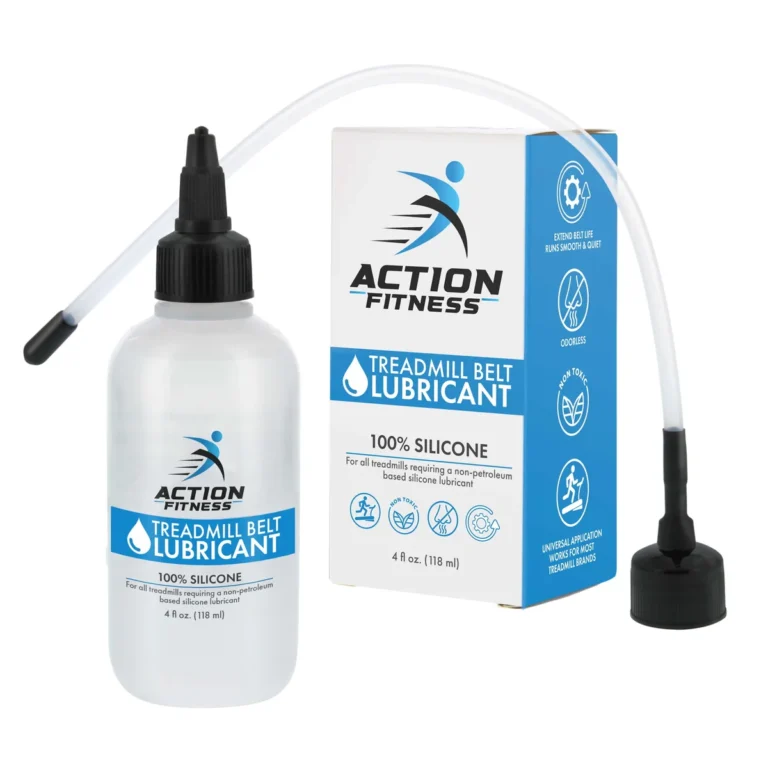
This step is non-negotiable. Check the manual for the exact type of lubricant, usually 100% silicone. Petroleum-based products break down the belt and deck.
The manual also tells you the right amount and application method.
Step-by-Step Belt Lubrication Workflow
- Unplug the treadmill and remove the safety key.
- Loosen the belt tension slightly to lift the belt.
- Spray silicone evenly across the deck's top surface.
- Rub it into a thin coat with a soft cloth.
- Run the belt at 1 mph for two minutes to spread it.
- Let it settle for ten minutes before use.
A sealed deck needs less lubricant. A non-sealed deck absorbs more. When in doubt, start with less.
You can always add a touch more later.
How Much Lubricant Is Actually Enough
One thin, even coat is the target. About 2 to 3 ounces for a standard 60-inch deck. If you see liquid pooling, you've overdone it.
Wipe off the excess immediately. Excess silicone attracts dust, which turns into a gritty paste that wears down the deck faster than no lubrication at all.
Treadmill Maintenance Mistakes That Shorten Its Life
Over-Lubricating or Using the Wrong Lubricant
More silicone isn't better. Excess lube attracts dust and creates a grinding paste. Petroleum-based lubricants can break down the rubber compounds in the belt.
Always follow the manual. When it comes to lubrication, precision beats volume.
Ignoring Belt Tracking and Tension
A loose belt slips. A tight belt overworks the motor. Both cause uneven wear on the deck.
Check tension monthly. Lift the center of the belt, and it should rise about 2 to 3 inches. Adjust the rear rollers with a hex key, half a turn at a time.
Also watch the belt's path. If it drifts to one side, fix it before it chews into the frame. A few minutes of alignment saves you from a costly belt replacement.
Cleaning Around the Motor the Wrong Way
Never angle a vacuum hose directly into the motor vents. It forces debris deeper into the windings. Instead, use the brush attachment and sweep gently.
Unplug the machine first. Electric shock is a real risk.
The same careful approach applies to all your gym equipment. If you're unsure how to deep-clean moving parts, a simple wipe-down routine on other machines keeps them running quietly too.
Treadmill Service Costs: DIY vs. Hiring a Pro
As of 2026, professional treadmill servicing runs between $75 and $200 per visit. A standard tune-up includes belt tension, deck lubrication, motor brush inspection, and a safety check. That's far cheaper than replacing a burned-out motor.
| Service | DIY Cost | Pro Cost | When Best |
|---|---|---|---|
| Belt lubrication | $10 to $15 | Included in tune-up | Every 3 months DIY |
| Annual tune-up | $0 to $50 in supplies | $75 to $200 | Once a year for home users |
| Belt replacement | $50 to $150 part | $150 to $300 total | Every 3 to 5 years heavy use |
| Motor brushes | $20 to $40 part | $100 to $200 total | Every 2,000 to 3,000 hours |
Most owners can handle monthly vacuuming and quarterly lubrication. That's why a tube of silicone costs less than a single service call. But don't ignore warning signs.
If you smell burning, hear grinding, or see error codes, call a technician before the damage spreads. You'd investigate a squeak on other cardio equipment, so treat this the same way.
Basic upkeep for other home gym machines follows the same pattern. Once you learn the routine, you'll never pay for simple repairs again. Over 10 years, DIY maintenance costs roughly $100 in lubricant and small parts.
Quick Decision Guide for Any Treadmill Owner
Here's the short version for your exact situation.
If you walk lightly: Lubricate every 3 months. Vacuum monthly. Book one pro tune-up per year.
If you jog a few times a week: Lubricate every 6 to 8 weeks. Check belt tension monthly. Schedule a pro visit twice a year.
If you run high mileage: Lubricate every 4 to 6 weeks. Inspect the belt edge weekly. Book a technician twice a year.
If you bought a used treadmill: Start with a full service. Replace the belt if it's frayed. Lubricate immediately.
You have no idea when the last owner cared for it.
If your treadmill is under warranty: Follow the owner's manual to the letter. Most warranties require proof of regular lubrication. Skipping it can void your coverage.
If you're still choosing between a treadmill and an elliptical: The maintenance logic is the same. See how the cardio options compare before you invest.
When in doubt, go by the motor hour meter. That number never lies. It tells you exactly when the belt needs attention.
Your cross-training schedule on an elliptical also benefits from the same discipline. Track hours, not months, and the machine stays in shape.
Treadmill Service FAQs
Do I Really Need to Service My Treadmill if It Runs Fine?
Yes. Running fine now doesn't mean it will stay that way. An unlubricated belt silently wears the deck.
Dust builds up in the motor housing. Annual service prevents sudden breakdowns and keeps your warranty valid.
How Do I Know if the Belt Needs Lubricant?
Lift the belt and touch the deck. If it feels dry or gritty, it needs lubricant. Listen for a squeak at low speed.
Run your hand along the belt edge for any fraying.
Can I Use Any Silicone Lubricant on the Deck?
No. Use only 100% silicone without additives. Petroleum-based grease breaks down the rubber belt and deck.
Check the manual for the exact type and amount. Getting this wrong causes more damage than not lubricating at all.
How Long Does a Treadmill Last With Regular Servicing?
With regular lubrication, a home treadmill lasts 10 to 15 years. High-mileage units often reach 7 to 10 years. Motor brushes may need replacement after 2,000 to 3,000 hours.
The same diligence applies when cleaning a different machine in your home gym.