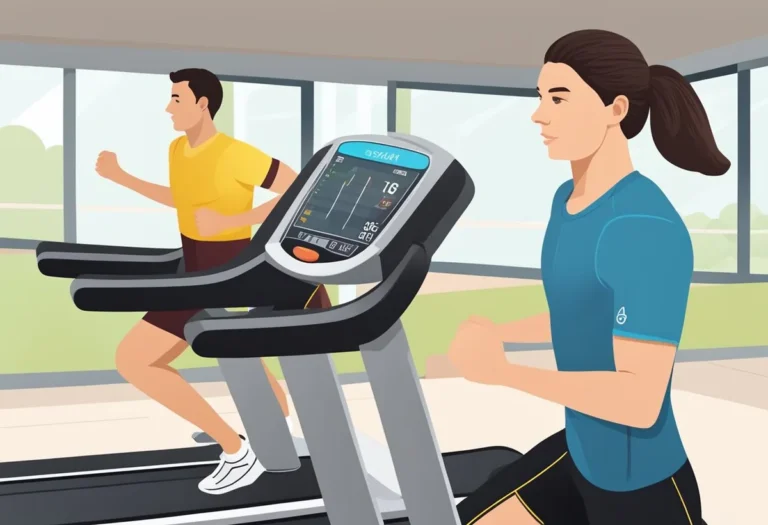
How Long Should You Run on a Treadmill
If you've ever wondered how long should you run on a treadmill, you probably wanted one clean number. Maybe 20 minutes. Maybe 45.
The answer isn't a single number, but it's practical and easy to figure out. Your ideal treadmill time depends on your goals, your current fitness, and how your body responds.
In our research across clinical guidelines, the clearest standard comes from the American College of Sports Medicine. It recommends at least 150 minutes of moderate-intensity cardio per week. That's the foundation.
Let's break down what it actually means for your treadmill sessions.
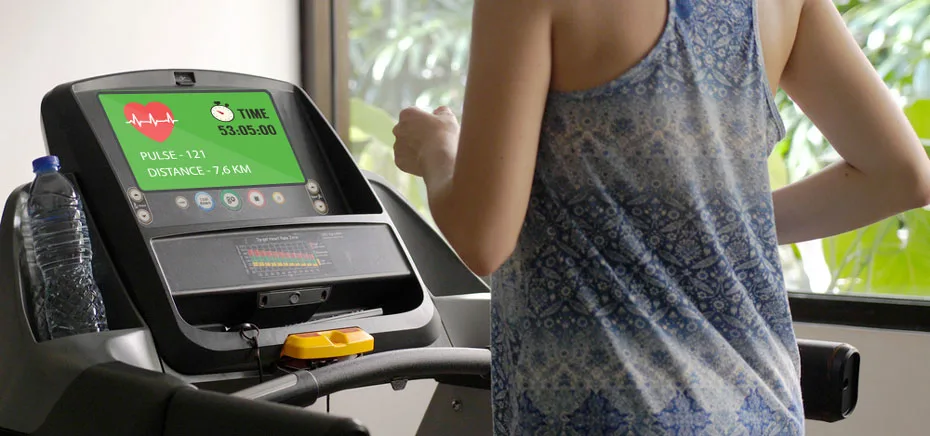
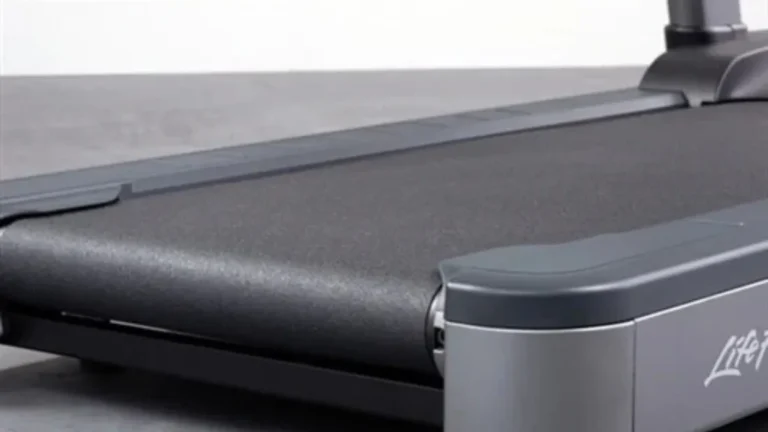
Image source: Bing (Web (fair-use with source credit))
Quick Answer
How long should you run on a treadmill? Most healthy adults should aim for 20 to 30 minutes per session. Do this three to five times a week.
Beginners can start with 10 to 15 minutes. Increase slowly to avoid injury.
Why "How Long Should I Run?" Is the Wrong First Question
If you ask ten coaches the same question, you'll get ten different answers. That's because the right duration is an outcome, not a starting point.
Your fitness level changes everything. A beginner doing 15 minutes at 4 mph will get a completely different result from a marathoner doing 60 minutes at 7 mph. Your goals matter too.
Weight loss, heart health, and endurance training each ask for different durations. Even your current health status plays a role. Joint pain, blood pressure, or a recent injury can all change the safe amount of time on the belt.
So before you set the timer, ask yourself what the run is for. That single question will guide every other choice, including pace, incline, and how often you train.
If you prefer low-impact cardio, the elliptical and rowing machine work differently than a treadmill. But they all follow the same principle: match the workout to your goal, not the other way around.
The Research-Backed Baseline: How Much Cardio Is Actually Healthy
The 150-minute weekly target from the Quick Answer comes from both the World Health Organization and the CDC. That's about 30 minutes, five days a week. Or you can do 75 minutes of vigorous exercise, like running, per week.
As of 2026, those guidelines remain the gold standard.
What does moderate actually mean on a treadmill? You can hold a conversation but can't sing. On the speed dial, that's roughly a brisk walk to a light jog.
Vigorous means you're running hard enough that talking feels difficult.
| Intensity | Treadmill pace | What it feels like |
|---|---|---|
| Light | 2 to 3 mph | Easy walk, barely effortful |
| Moderate | 3.5 to 4.5 mph | Brisk walk or light jog |
| Vigorous | 5 mph or faster | Running, hard to talk |
That baseline is enough for general health. But it's not automatically enough for weight loss or race training. You may need to go longer, go harder, or do both.
The CDC's physical activity guidelines are a solid reference if you want more detail.
If you're comparing workout options, the elliptical and exercise bike can also fit into a weekly cardio plan. They're easier on the joints, though they don't replace the impact training a treadmill gives you.
Matching Your Treadmill Time to Your Goal and Fitness Level
One duration doesn't fit everyone. Match it to what you're actually chasing.
Beginners: Walk First, Run Later
Start with 10 to 15 minutes of brisk walking, three times a week. Do that for two weeks. If it feels easy, add two minutes per session.
You can also mix in short jogging intervals: 1 minute jog, 2 minutes walk. Repeat that cycle for the full session.
General Fitness: The 20 to 30 Minute Sweet Spot
For most people, 20 to 30 minutes of steady cardio works well. You'll hit the weekly target in five sessions. This is enough to boost your heart health, lift your mood, and build a consistent habit.
Weight Loss: When Duration vs. Intensity Gets Tricky
Weight loss usually needs more than 30 minutes, or a higher intensity. A 45-minute steady run burns more calories than a 20-minute run. But intervals can shorten the workout while still burning plenty.
Try 30 seconds of fast running followed by 90 seconds of recovery, repeated eight to ten times.
Endurance Training: Why You Need More Than Just Time on a Treadmill
If you're training for a race, long runs of 45 to 90 minutes build aerobic capacity. But you also need variety. Add hills, tempo runs, and rest days.
Treadmill time alone won't fully prepare you for an outdoor course with uneven terrain.
| Goal | Suggested duration | Frequency |
|---|---|---|
| Beginner | 10 to 15 min | 3 times per week |
| General fitness | 20 to 30 min | 5 times per week |
| Weight loss | 30 to 45 min | 4 to 5 times per week |
| Endurance | 45 to 90 min | 3 to 4 times per week |
Want to cross-train on another machine? How regularly to use an elliptical is a different question, but the same logic applies. Base it on your goal and your recovery.
The Safe Progression Plan: How to Build Up Without Getting Hurt
Your body adapts when you push it slightly further than last time. Push too far, and you'll get hurt. The safest formula is the 10 percent rule.
The 10 percent rule says: increase your weekly time or distance by no more than 10 percent. If you ran 60 minutes total this week, run 66 next week. That gives your tendons, joints, and cardiovascular system time to adapt.

Image source: Web (Bing) / deviantart.com (Web image (fair-use with source credit))
Use Intervals to Get More Done in Less Time
Interval training lets you work harder in shorter bursts. Start with 5 minutes of easy jogging. Then run at a faster pace for 1 minute.
Follow that with 2 minutes of slow jogging or walking. Repeat four to six times. Finish with 5 minutes of easy walking to cool down.
Why Rest Days Are Part of the Plan
Rest days are when your body rebuilds. Running every single day is a fast route to overuse injuries. Plan at least one full rest day or easy recovery day between harder sessions.
Listen for warning signs. Sharp pain, dizziness, or chest tightness means stop immediately. If something feels off, take a day off instead of pushing through.
Common Mistakes That Ruin Your Results (and Your Joints)
Even with the right duration, small errors can stall your progress or cause pain. Let's fix the biggest ones.
Image source: Bing (Web (fair-use with source credit))
Holding the Handrails and Poor Posture
Holding the handrails takes weight off your legs and reduces calorie burn. It also shortens your stride and hurts your posture. Let go unless you truly need them for balance.
Look straight ahead, not down at the console. Keep your shoulders relaxed and your back tall.
Same-Speed Plateaus
Running the same speed every single day is another trap. Your body adapts quickly. Change the pace, add incline, or swap in intervals.
That's how you keep making progress.
Doing Too Much, Too Soon
Jumping from 10 minutes to 40 minutes is the fastest way to get injured. Build gradually instead. And never ignore pain.
Soreness the day after is normal. Sharp pain during the run is not.
If joint pain keeps flaring up, a treadmill may not be the best choice right now. Some people find low-impact machines worth the switch when their knees or hips complain. Choosing the option that keeps you moving safely is always the smarter move.
When to Stop, Slow Down, or Talk to a Doctor
The training plan matters, but your safety matters more. You can follow every guideline and still need to stop. The key is knowing when.
Red Flags You Should Never Run Through
Stop your treadmill immediately if you feel chest pain, pressure, or tightness. Dizziness, lightheadedness, or feeling faint are just as serious. Severe shortness of breath that doesn't improve when you slow down is another warning sign.
An irregular or racing heartbeat that feels different from normal exertion also deserves attention.
Don't assume it's just fatigue. According to MedlinePlus, these symptoms can signal a heart problem. Stop the belt, sit down, and call for medical help if they don't pass quickly.
Joint pain deserves the same caution. Sharp pain in your knee, hip, ankle, or shin is not normal. Soreness the next day is fine.
Pain during the run is a signal to stop. If it's sharp or persistent, see a doctor before your next session.
Getting Medical Clearance Before You Start
If you've been inactive for a while, have a chronic condition, or are over 45 for men and over 55 for women, the American College of Sports Medicine recommends talking to a doctor before starting vigorous exercise. That includes treadmill running.
The same applies to anyone with high blood pressure, heart disease, joint problems, or a history of strokes. A quick check-in with your physician can prevent a lot of harm. They might suggest starting with low-impact cardio instead.
Elliptical duration guidelines follow the same progression rules as treadmill sessions. Both need the same warm-up, gradual build-up, and scheduled rest.
Frequently Asked Questions
Is 20 Minutes on a Treadmill Enough?
Yes, 20 minutes is enough for general health. It's a solid step up from 10 to 15 minute beginner sessions. At moderate effort, you'll burn around 150 to 250 calories.
Do that three to five times a week and you're hitting the baseline health recommendations.
How Long Should I Run on a Treadmill to Lose Weight?
For weight loss, aim for 30 to 45 minutes per session. The extra time increases total calorie burn. It also lets your body tap into stored fat after the first 20 minutes.
Combine that with a small calorie deficit and you'll see real progress.
Is It Better to Run Longer or Faster on a Treadmill?
It depends on your goal. Longer runs build endurance and burn steady calories. Faster runs improve speed and cardiovascular power.
For fat loss, both work. For general health, a mix is best. Try steady sessions most days and add intervals once or twice a week.
Should I Run Every Day on the Treadmill?
No. Your muscles and joints need recovery time. Most guidelines recommend three to five days of cardio per week.
On off days, rest or take a gentle walk. Overuse injuries almost always come from too much, too soon, without rest.