How to Cook Jasmine Rice in a Rice Cooker
If you've ever opened the lid to find a gluey mess sticking to the paddle, you're not alone. Learning how to cook jasmine rice in a rice cooker is straightforward once you understand the ratio, the cup, and the waiting time. Most failures trace back to one small measuring mistake.
Our research and manufacturer specs show that most rice cookers ship with a 180 ml cup, not the 240 ml standard kitchen cup. Swapping those cups changes every water ratio and throws off the batch. Get that right, and you're most of the way to fluffy, separate grains.
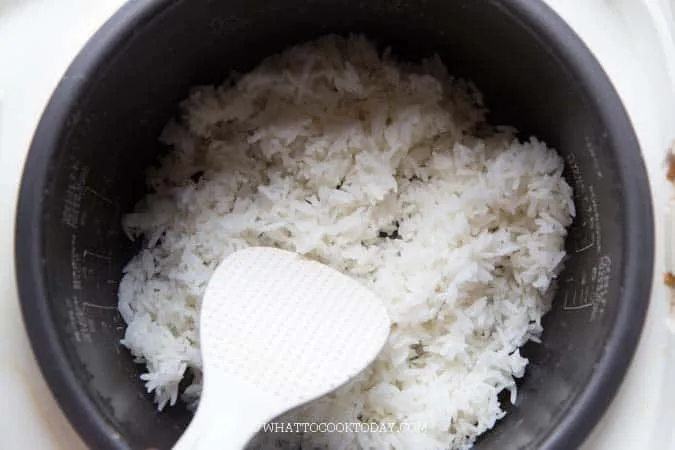
Image source: Bing (Web (fair-use with source credit))
Why Your Jasmine Rice Always Turns Out Wrong (or Just Okay)
The symptoms are easy to recognize:
- Mushy, sticky clumps usually mean too much water.
- Crunchy centers usually mean too little water or no resting time.
- A burnt bottom layer means the cooker stayed hot after the water ran out.
Each rice cooker behaves differently. A basic one-switch cooker runs at full power until the thermostat trips. A fuzzy-logic cooker adjusts heat gradually.
Both can cook jasmine rice well, but the water amount may need a small tweak.
Jasmine rice is a fragrant long-grain rice from Thailand. It cooks up softer and slightly stickier than plain long-grain rice, which makes it sensitive to small water changes. This is why bakers rely on precise flour weights to keep recipes consistent.
When measurements shift, results shift.
The Quick Answer: Your Base Ratio and Why It Works
To cook jasmine rice in a rice cooker, use a 1:1 rice-to-water ratio. That means one rice cooker cup of rice and one cup of water. Rinse the rice until the water runs clear.
Cook on the white rice setting. Rest it for 10 minutes before fluffing.
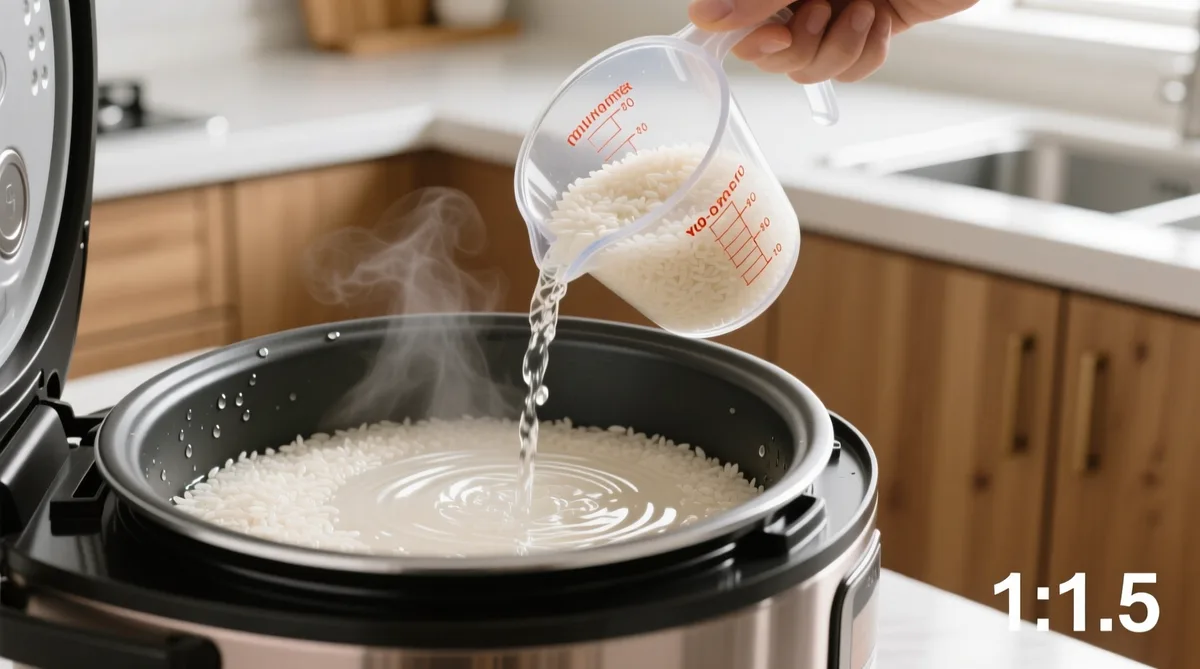
Image source: Bing (Web (fair-use with source credit))
This ratio assumes you are using the small cup that came with the cooker. As of 2026, most budget cookers still include a 180 ml cup. If you use a standard US cup, you'll add about 30 percent too much water.
| Texture | Rice : Water (rice cooker cups) |
|---|---|
| Firm, separate grains | 1 : 0.9 |
| Standard fluffy | 1 : 1 |
| Softer, stickier | 1 : 1.25 |
The markings inside the pot are not always reliable. Some cookers mark lines for sushi or mixed rice, not jasmine. That's why measuring with the same cup works better.
It's the same logic behind using an accurate kitchen scale for baking.
How a Rice Cooker Cooks Jasmine Rice (So You Can Adjust It)
Your rice cooker works by heating an inner pot until the water boils. The rice absorbs water, and steam cooks the grains. Once the water is gone, the temperature rises and the cooker switches to keep-warm.
Jasmine rice has a lower amylose starch content than basmati. Amylose is the starch that helps rice hold its shape and stay separate. With less of it, jasmine grains soften faster and clump a little.
That's not a flaw. It's the texture that makes jasmine rice great for Thai and Southeast Asian dishes.
If you own a basic cooker, it runs full power until the water evaporates. If you own a fuzzy-logic cooker, it adjusts temperature in stages to match the rice type. Both can produce good jasmine rice, but the fuzzy-logic model handles new-crop rice better.
Precision matters here, just like when you pick a kitchen scale with good repeatability for consistent baking.
The Step-by-Step Method: How to Cook Jasmine Rice in a Rice Cooker
Follow this order every time. It's short, but every step matters.
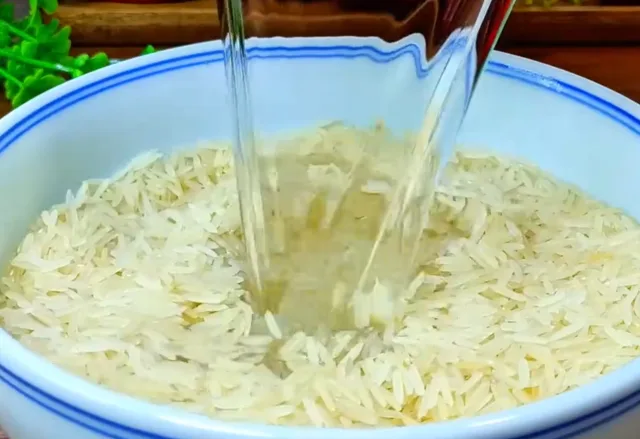
Image source: Bing (Web (fair-use with source credit))
- Measure the rice with the rice cooker cup. Level it off, don't heap it.
- Rinse the rice in a fine-mesh strainer or bowl. Swirl and drain until the water runs mostly clear.
- Drain well. Extra water left in the strainer changes the ratio.
- Return the rice to the cooker.
- Add fresh water using the same cup. One cup of rice gets one cup of water.
- Press the cook button.
- When the cycle finishes, let the rice rest for 10 minutes. Keep the lid closed.
- Fluff with the rice paddle, then serve.
Rinsing washes away surface starch that makes rice gummy. This step is the easiest to skip, and skipping it changes the texture. Think of it like zeroing out a bowl before you weigh ingredients.
One simple action prevents a messy outcome.
If you leave rice on keep-warm, keep it above 140°F. Per USDA food safety guidance, lower temperatures allow bacteria to grow. That's especially important if you're cooking ahead for meal prep.
Adjusting the Method: What Changes Based on Your Cooker and Rice
This is the decision tree part. Start with the 1:1 ratio, then adjust for your situation.
If you use a basic one-switch cooker
The base ratio works. If the bottom burns, add 1 to 2 tablespoons of water next time. If the rice stays crunchy, reduce the water slightly and let it rest longer.
If you use a fuzzy-logic or induction cooker
Use the jasmine or white rice menu. These cookers adjust temperature automatically, so they tolerate slightly wet or dry batches.
If your rice is old or new
New-crop rice is moist and sticky. Cut the water back a little. Aged rice absorbs more water, so let it soak for 15 to 30 minutes before cooking.
If you want firmer or softer texture
- Firm: 1 part rice to 0.9 parts water
- Standard: 1:1
- Soft: 1:1.25
If you cook brown jasmine rice
Use 1 part rice to 2.25 parts water. Cook time runs closer to 40 to 50 minutes. Soak it for 30 minutes to even out the bran.
If you live at high altitude
Water boils at a lower temperature. Add a little extra water and expect a longer cook cycle. You may need to test twice to find your local sweet spot.
Adjusting ratios is really just calibrating for the grain. It's the same principle as recalibration when readings start to drift. You change one variable, test, and confirm.
Mistakes to Avoid: Why Fixing the Water Isn't Always the Answer
Adding more water is the first thing most people try. Sometimes that makes things worse. Here are the most common mistakes we see in aggregate user reviews and recipe failure reports.
- Lifting the lid during the cook cycle. That releases steam and drops the internal temperature. The rice ends up uneven.
- Skipping the rest time. The rice looks done, but it's still steaming. Cutting it short leaves the center slightly firm and the bottom wet.
- Using the wrong measuring cup. The 180 ml rice cooker cup is not a standard US cup. Swapping them ruins the ratio instantly.
- Stirring the rice right after the cycle ends. That smashes the grains. Fluff gently with a paddle instead.
- Loading up the keep-warm function for hours. After four hours, the texture starts to dry out and clump.
A dirty inner pot can create hot spots. The same way a food scale with residue gives skewed readings, an unclean pot cooks unevenly. Burnt rice at the bottom is a separate issue.
In our research, that usually comes from a basic cooker with a thin pot. Add one tablespoon of extra water next time and unplug the cooker right after the cycle finishes.
FAQs: Quick Answers to Common Jasmine Rice Questions
Do I need to rinse jasmine rice before cooking?
Yes, rinse it until the water runs mostly clear. This removes surface starch, which is what makes rice gummy. A quick swirl in a bowl works perfectly.
Drain it well afterward so the leftover water doesn't alter your ratio.
Can I use the water line inside my rice cooker pot?
Only if your cooker has a specific jasmine rice line. Many pots mark lines for sushi rice or white rice, which absorb water differently. Using the same rice cooker cup for both rice and water is more reliable.
Why is my jasmine rice mushy?
Mushy rice almost always means too much water. Cut back to a 1:1 ratio, or even 0.9 parts water if you prefer firmer grains. Also check that you're not adding water left in the strainer after rinsing.
How long does jasmine rice take in a rice cooker?
A standard white rice cycle takes about 20 to 30 minutes. Then you need 10 minutes of rest time with the lid closed. Brown jasmine rice takes 40 to 50 minutes and needs more water.
What if I lost my rice cooker measuring cup?
Use a digital scale instead. One rice cooker cup of jasmine rice weighs about 150 grams. Weigh out 150 grams, then add 180 ml of water.
That gives you the same 1:1 ratio by volume. A digital kitchen scale makes this easy.
The Final Verdict: One Simple Rule for Perfect Jasmine Rice Every Time
Use the rice cooker cup that came with your machine. Measure one cup of rice, one cup of water. Rinse, drain, cook, rest, fluff.
That rule works for the vast majority of cookers and jasmine rice brands.
From there, you adjust based on your cooker type, rice age, and altitude. If your grains are too sticky, trim the water slightly. If they're crunchy, add a little and let the rice rest longer.
In our research, the 1:1 ratio is the sweet spot for most home cooks.
Jasmine rice is forgiving once you understand the basics. Nail the cup, respect the resting time, and you'll have fluffy, fragrant grains every time. It takes one batch to build the habit, and then you won't need a guide at all.