How to Choose a Kitchen Scale
Getting your measurements right in the kitchen can be the difference between a baking triumph and a soggy disappointment. If you've ever found yourself wrestling with inconsistent results from measuring cups, you're not alone. That's why knowing how to choose a kitchen scale is so important for anyone serious about cooking or baking.
A good kitchen scale brings precision to your recipes.
This guide will help you cut through the options and find a scale that fits your needs and your kitchen. We'll look at what makes one scale better than another, from its ability to measure in precise grams to how easy it is to use and clean. Manufacturer specifications often confirm that scales accurate to 1 gram are ideal for most culinary tasks.
Quick Answer
Choose a digital kitchen scale with at least 1-gram accuracy. Look for a tare function and unit conversion. Consider its weight capacity for your typical cooking tasks.
Opt for a compact, easy-to-clean model for everyday use.
Why a Kitchen Scale Beats Measuring Cups (And When It Doesn't)
Measuring cups are a kitchen staple, but their accuracy can be surprisingly inconsistent. They measure volume, which can change based on how you pack ingredients like flour. A scale measures weight, offering a far more precise way to ensure recipes turn out as intended.
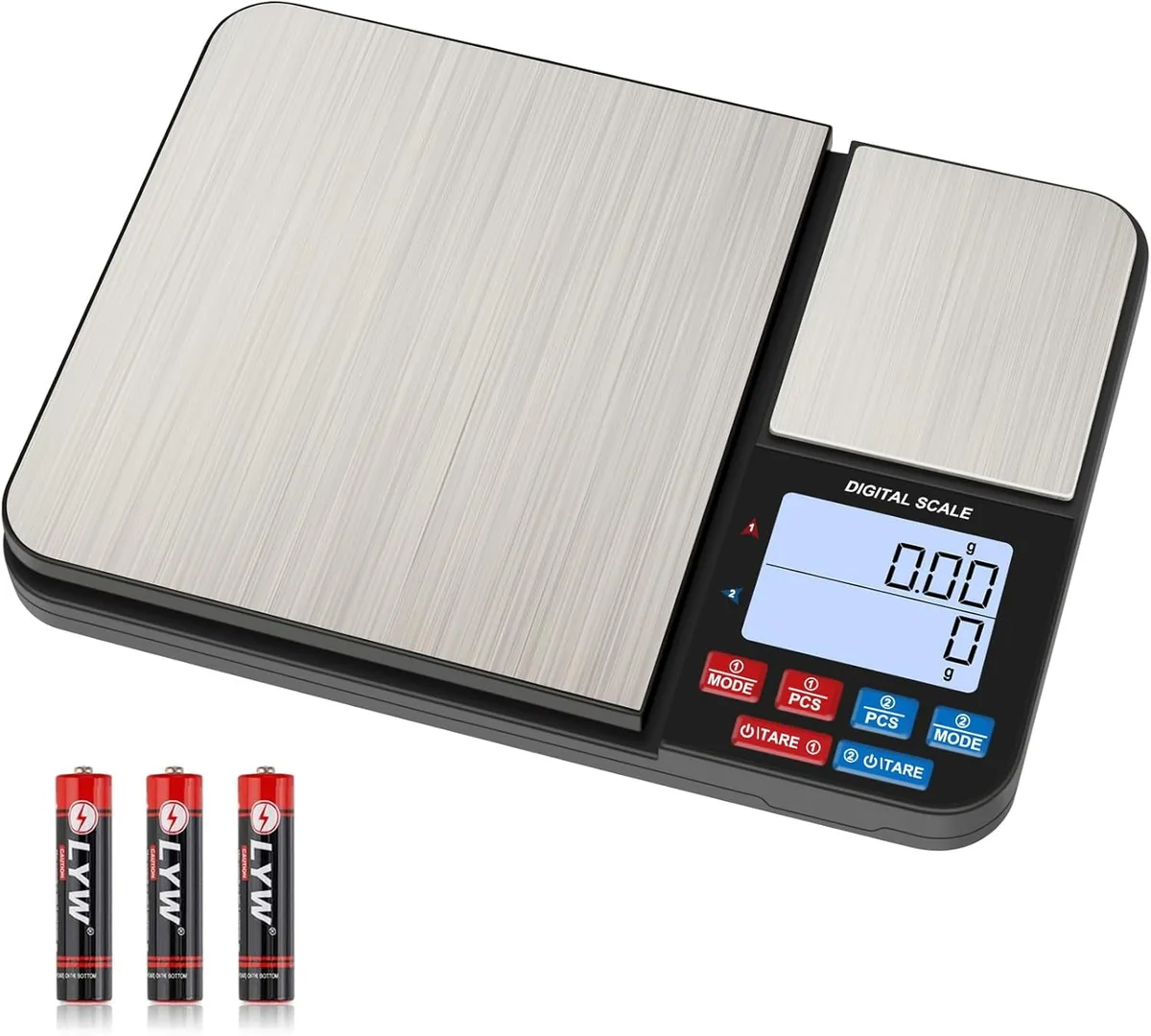
Image source: Bing (Web (fair-use with source credit))
Measuring Cups vs. Kitchen Scales: The Precision Showdown
When you're following a recipe, especially for baking, precision really matters. Measuring cups can be problematic because:
- Flour Density: How you scoop or pack flour into a cup can lead to significant variations. Overpacking can mean more than double the flour called for.
- Liquid vs. Dry: While there are different cups for liquids and dry ingredients, even dry measuring can be tricky.
- Ingredient Variations: Not all ingredients behave the same way when measured by volume.
A kitchen scale, on the other hand, measures mass directly. This means a gram is always a gram, regardless of how it's packed or its density. For instance, if a recipe calls for 250 grams of flour, weighing it ensures you get exactly that amount, every single time.
This consistency is invaluable for delicate baking, like macarons or soufflés. However, for very simple tasks where exact precision isn't critical, like measuring out a cup of water for pasta, a measuring cup might be quicker and perfectly adequate.
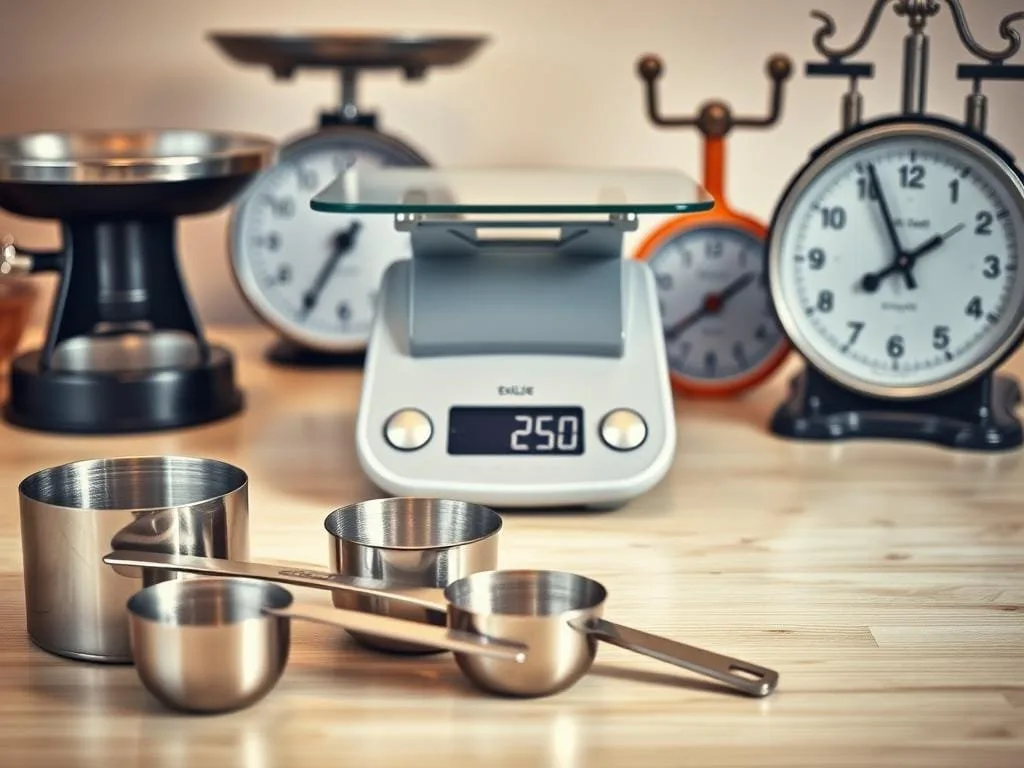
Image source: Bing (Web (fair-use with source credit))
What Makes a Kitchen Scale Good? Key Features to Look For
Not all kitchen scales are created equal. To find one that will genuinely make your time in the kitchen easier and more successful, you need to look at its core features and how they perform.
Accuracy & Precision: The Numbers That Matter
This is arguably the most important factor. You want a scale that can measure ingredients accurately, down to the smallest amounts.
- Accuracy: Refers to how close the scale's measurement is to the true weight of an object.
- Precision: Refers to the smallest increment the scale can display.
For most cooking and baking needs, a scale that measures in 1-gram increments is considered standard. For highly sensitive tasks, like weighing delicate spices or yeast, you might look for a scale with 0.1-gram precision. However, for the average home cook, 1 gram is usually sufficient and readily available from most reputable manufacturers.
Per NIST guidelines, accurate weighing equipment is fundamental for reproducible scientific and commercial results.
Capacity: What Can It Handle?
The capacity of a scale refers to the maximum weight it can measure. Most standard kitchen scales have a capacity of around 5 kilograms (approximately 11 pounds).
- Everyday Cooking: If you're mostly weighing out flour, sugar, spices, or smaller portions of food, a 5kg capacity is more than enough.
- Larger Batches: If you plan on weighing large batches of dough, ingredients for canning, or even pet food, you might need a scale with a higher capacity. Some models go up to 10kg or more, but these are less common for standard kitchen use.
Tare Function: Your Secret Weapon for Easy Measuring
The tare function is a feature you absolutely don't want to skip. It allows you to reset the scale to zero after you've placed a container on it.
- How it works: You place your mixing bowl on the scale, press the "tare" button, and the display reads zero. Then, you can add your ingredients directly into the bowl, and the scale will only show the weight of what you've added.
- Why it's great: This means you can weigh multiple ingredients in the same bowl without needing separate containers or doing any mental math. It simplifies your workflow and reduces the number of dishes you need to wash.
Unit Conversion: Speaking Every Recipe's Language
Recipes often come from different parts of the world, and they use different measurement systems. A scale with unit conversion capabilities is incredibly handy.
- Common Units: Most scales can switch between grams (g), ounces (oz), and pounds (lb).
- Liquid Measurement: Some advanced scales can also measure in milliliters (ml) or fluid ounces (fl oz) based on the density of water, which is useful for liquids.
Being able to switch units with the press of a button means you can follow recipes from anywhere without needing conversion charts or relying on potentially inaccurate estimations. This is particularly useful if you enjoy international cuisine or follow blogs from different countries. If you often find yourself needing to convert units, understanding the relationship between weight and volume for common ingredients is key.
Size, Material & Power: Practical Considerations
Beyond the core functions, a few practical aspects can make a big difference in your daily use.
- Size: Consider your counter space and storage. Compact scales are great for small kitchens, often featuring a slim profile that slides easily into drawers. Larger scales might feel more stable but require more storage.
- Material: Scales are typically made of plastic or stainless steel. Stainless steel surfaces can be more durable, easier to clean, and feel more premium. Plastic models are usually lighter and more budget-friendly.
- Power: Most digital scales run on batteries (AA or AAA are common). Look for models with an auto-shutoff feature to conserve battery life. Some higher-end models offer rechargeable batteries via USB, which can be a convenient alternative.
Who Needs a Kitchen Scale? Matching Scales to Your Kitchen Needs
You might be wondering if a kitchen scale is truly necessary for your cooking style. While not every home cook needs one, several groups can benefit immensely from the precision and convenience a good scale offers.
The Baking Enthusiast's Essential Tool
If baking is your passion, a kitchen scale isn't just helpful; it's practically indispensable. Baking relies on precise ratios of ingredients like flour, sugar, butter, and leavening agents. Measuring cups can lead to inconsistencies that affect the texture and rise of your baked goods.
- Consistent Results: Weighing ensures you're using the exact amount of each ingredient, leading to reliable and repeatable outcomes. This is crucial for delicate recipes like cakes, pastries, and bread.
- Scaling Recipes: Need to double a recipe or halve it? Weighing makes this process much simpler and more accurate than trying to adjust volume measurements.
- Understanding Formulas: Learning to bake by weight helps you understand the underlying chemistry of recipes, making you a more intuitive baker. For example, understanding how to calculate ingredient percentages is a core concept in professional baking, where scales are standard equipment.
For the Health-Conscious Cook & Portion Controller
If you're closely monitoring your food intake for health, fitness, or dietary reasons, a kitchen scale is a game-changer for accuracy.
- Accurate Portioning: Knowing the exact weight of your meals helps you stick to your calorie or macronutrient targets. Eyeballing portion sizes with cups can lead to significant under- or overestimation.
- Tracking Nutrients: When calculating carbs, protein, or fat content for specific diets (like keto or low-carb), precise measurements are vital. Many nutrition tracking apps allow you to input food by weight.
- Consistency: Whether you're tracking for weight loss, muscle gain, or managing a health condition, the consistency a scale provides is invaluable.
Beyond Baking: Other Smart Use Cases
While baking and dietary tracking are primary drivers, several other kitchen activities benefit from a scale's precision.
- Coffee Enthusiasts: For pour-over coffee or espresso, the ratio of coffee grounds to water is critical for flavor. Many baristas use scales to ensure the perfect brew. You can learn more about precise coffee preparation by understanding how to use a pour over coffee maker or how to use a French press.
- Crafting & DIY: Some non-culinary hobbies, like soap making or candle making, also require precise measurements of ingredients, making a kitchen scale useful beyond food.
- Meal Prepping: When preparing multiple meals at once, weighing ingredients ensures each portion is identical and correctly accounted for.
Common Kitchen Scale Pitfalls and How to Avoid Them
Even with a good scale, there are a few common mistakes people make that can lead to frustration or inaccurate results. Being aware of these can save you time and ensure you're getting the most out of your tool.
- Not Using the Tare Function: This is the most frequent oversight. People often try to weigh ingredients sequentially by subtracting the previous amount mentally or by adding to a scale that's already displaying a number. Always tare between ingredients for ease and accuracy.
- Weighing Hot Items Directly: Very hot items can sometimes affect the sensor's accuracy or even damage the scale over time. If weighing something hot, let it cool slightly in a suitable container first.
- Overloading the Scale: Exceeding the maximum capacity can damage the scale's internal mechanism or provide inaccurate readings. If you're weighing something heavy, consider if your scale's limit is sufficient.
- Placing the Scale on an Uneven Surface: Scales are designed to be used on flat, stable surfaces. Placing one on a tilted counter or a wobbly placemat can lead to inconsistent readings.
- Forgetting Battery Replacement: A low battery can cause erratic behavior or inaccurate measurements. Replace batteries proactively, especially if you use your scale frequently.
- Ignoring Cleaning Needs: Food spills or sticky residues can affect performance and hygiene. Clean your scale regularly according to manufacturer instructions. For instance, if a coffee maker's water reservoir needs cleaning, a scale's surface does too. See how to clean a coffee maker water reservoir for general cleaning principles.
Digital vs. Mechanical Scales: Which Is Right for You?
When you're shopping for a kitchen scale, you'll likely encounter two main types: digital and mechanical. Each has its own set of pros and cons, and the best choice depends on your priorities.
Digital Scales
These are the modern standard and the most common type you'll find today. They use electronic sensors to measure weight and display it on an LCD screen.
- Pros:
- High Accuracy: Generally offer greater precision, often measuring in 1-gram or even 0.1-gram increments.
- Tare Function: Almost all digital scales include this essential feature.
- Easy to Read: The digital display is clear and simple to interpret.
- Unit Conversion: Most models allow easy switching between units.
- Compact Design: Many are designed to be slim and easy to store.
- Cons:
- Requires Power: Needs batteries, which will eventually need replacing.
- Can Be Fragile: Sensitive electronics can be damaged by dropping or exposure to excessive moisture.

Image source: Bing (Web (fair-use with source credit))
Mechanical Scales (Spring Scales)
These are the older, more traditional style of kitchen scales. They use a spring mechanism to move a pointer across a dial to indicate weight.
- Pros:
- No Batteries Needed: They operate purely mechanically.
- Durable: Often built sturdier and can withstand more rough handling than digital models.
- Visual Appeal: Some people prefer the retro aesthetic.
- Cons:
- Lower Precision: Usually less accurate and may only measure in larger increments (e.g., 1/2 ounce or 10 grams).
- Tare Function: Most lack a reliable tare function, making multi-ingredient weighing cumbersome.
- Harder to Read: The dial can sometimes be difficult to read precisely, especially with smaller measurements.
- Bulkier: Tend to be larger and take up more storage space.
Who is each best for? If precision is your top priority, especially for baking or precise dietary tracking, a digital scale is the clear winner. For someone who simply needs a rough estimate for bulk ingredients and prefers a no-fuss, battery-free option, a mechanical scale might suffice, but it's generally less recommended for modern kitchen needs.
Your Final Kitchen Scale Recommendation
When it comes down to it, choosing the right kitchen scale comes down to matching its features with your cooking habits and kitchen space. For most home cooks in 2026, a digital scale is the way to go. It offers the accuracy, convenience, and versatility needed for everything from precise baking to simple meal prep.
Here's a quick recap to guide your decision:
- For Accuracy: Prioritize 1-gram precision and a reliable tare function.
- For Versatility: Look for unit conversion options (g, oz, lb).
- For Ease of Use: A clear digital display and an intuitive interface are key.
- For Space-Saving: Consider compact or slim designs if counter space is limited.
- For Durability: Stainless steel surfaces often offer better longevity and easier cleaning than plastic.
While mechanical scales have their charm, they simply can't match the precision and functionality of modern digital models for most everyday kitchen tasks. Investing in a quality digital scale will pay dividends in more consistent, delicious results.
Kitchen Scale FAQs: Answering Your Top Questions
How accurate do kitchen scales need to be?
For most baking and cooking, scales accurate to 1 gram (or 0.05 ounces) are perfectly sufficient. If you're dealing with very small, potent ingredients like spices or delicate yeast measurements, you might consider a scale with 0.1-gram precision.
Can I use a kitchen scale for liquids?
Some digital scales offer a liquid measurement mode (often in milliliters or fluid ounces). These typically calculate volume based on the density of water. However, for highly viscous liquids or recipes requiring precise liquid measurements, dedicated liquid measuring cups might still be more accurate.
How much should I expect to spend on a good kitchen scale?
You can find decent digital kitchen scales starting around $15-$25. Mid-range models with more features like higher capacity or better build quality typically fall between $30-$50. High-end or specialized scales can cost more.
How do I clean my kitchen scale?
Most kitchen scales can be cleaned with a damp cloth and mild soap. Avoid submerging the scale in water, as this can damage the electronics. For stainless steel surfaces, a quick wipe-down is usually all that's needed.
Always refer to the manufacturer's instructions for specific cleaning recommendations.


One Comment