How to Use Microwave Convection Mode
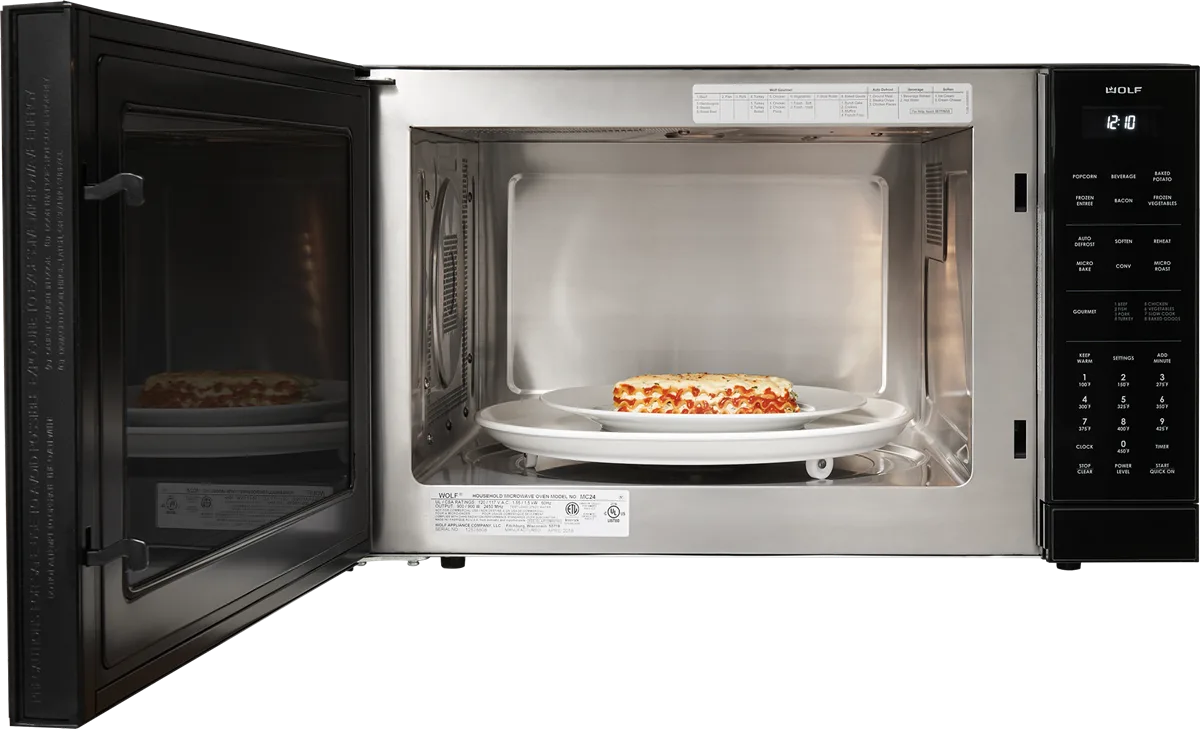
Image source: Bing (Web (fair-use with source credit))
Microwaves are fantastic for quick meals, but that convection button often sits unused. If you've ever wondered how to use microwave convection mode to get oven-like results without turning on your big oven, you're in the right place. It's a feature that can seriously upgrade your cooking game.
Manufacturer specifications confirm that adding convection to your microwave means you can bake, roast, and broil. This guide will walk you through the process, helping you decide when to use it and how to achieve delicious results.
Quick Answer
To use microwave convection mode, select the convection setting on your appliance and set a temperature. Use oven-safe cookware and preheat the oven. For combination cooking, choose a convection temperature and a microwave power level.
Always consult your appliance manual for specific instructions as models vary.
When to Use Convection Mode (and When Not To)
This is where we figure out if your microwave's convection feature is the right tool for the job. It’s not a magic bullet for everything, but for certain tasks, it’s a total game-changer. Manufacturer specifications confirm that convection adds a heating element and a fan to circulate hot air, mimicking a traditional oven.
This allows for browning and crisping, which standard microwave radiation alone cannot achieve.

What Convection Mode Is Great For
Think of convection as giving your microwave oven capabilities. If you want something to be browned, crispy, or have a nice exterior texture, convection is usually your best bet. It’s particularly useful for cooking smaller batches or when you don't want to heat up a large conventional oven.
- Crispy Textures: Roasted vegetables (like Brussels sprouts or potatoes), chicken wings, crispy pizza crusts, and even baked goods that need a golden top benefit immensely from convection.
- Baking Smaller Items: Need to bake a few cookies, a small cake, or some muffins? Convection is perfect. It preheats faster than a full-sized oven and cooks more evenly than a standard microwave setting for these portions.
- Roasting: You can achieve a lovely sear on meats or nicely caramelized vegetables.
- Finishing Touches: If you’ve already cooked something and want to add crispness, like toasting breadcrumbs on a casserole or making leftover pizza crispy, convection works wonders.
When a Standard Microwave or Conventional Oven is Better
On the flip side, convection mode isn't always the answer. If you need something steamed, moist, or perfectly tender without any browning, your standard microwave setting will do a better job. For example, steaming rice or cooking delicate fish where you want to preserve moisture and texture without browning is best left to the regular microwave function.
Also, if you’re cooking for a crowd and need to prepare large quantities of food, your main conventional oven will likely be more efficient and suitable. Manufacturer specifications often highlight that standard microwave functions are ideal for rapid reheating of liquids or steaming foods, while convection excels at achieving browning and crisping.
How Microwave Convection Actually Works
Understanding the mechanics behind convection mode helps you use it more effectively. It's not just a fancier microwave; it's a hybrid cooking system. Per standards set by appliance manufacturers, the core difference lies in the addition of a heating element and a fan to the microwave's existing magnetron technology.
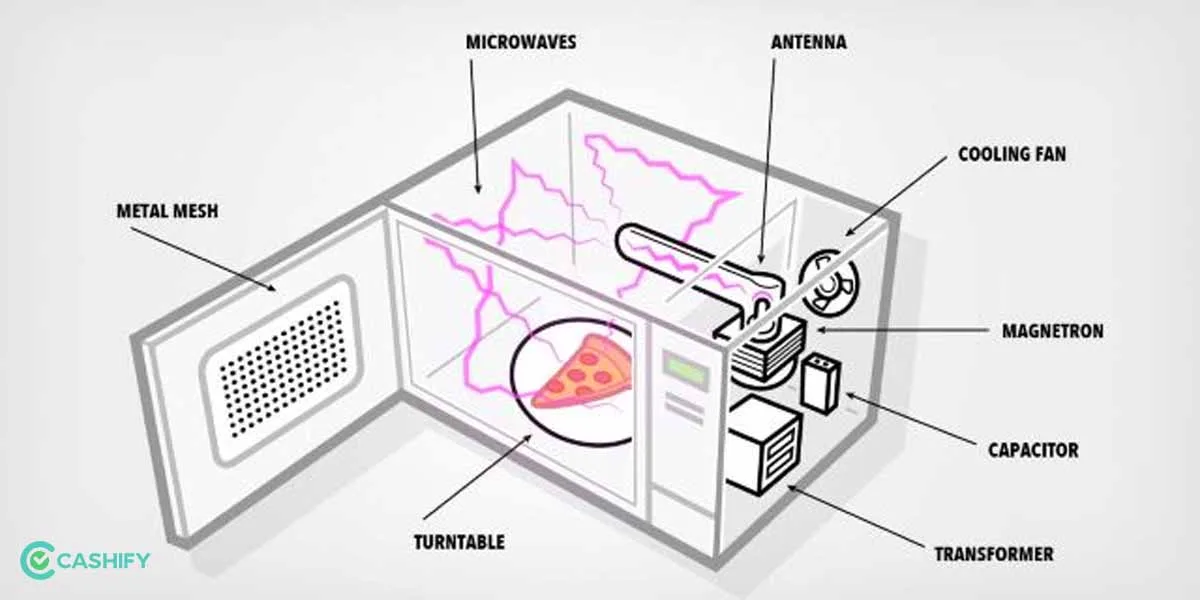
The Role of the Fan and Heating Element
In convection mode, a heating element (often located around the fan, usually at the back of the oven cavity) gets hot, similar to a conventional oven. The fan then circulates this hot air throughout the microwave cavity. This constant circulation ensures that food is surrounded by even heat, leading to more consistent cooking and browning than you'd get from radiant heat alone.
This is a key differentiator from standard microwave cooking, which uses electromagnetic waves to heat water molecules within food.
Understanding Combination Cooking
Many microwaves offer "combination cooking" modes. This is where you leverage both the microwave's radiation and the convection system simultaneously. Combination cooking can significantly reduce cooking times while still delivering desirable results like browning and crisping.
For instance, you might use a combination mode to roast chicken. The microwave function cooks the inside quickly, while the convection part ensures the skin becomes golden and crispy.
As of 2026, manufacturer documentation often details specific combination ratios for different foods. For example, a common setup might be 50% microwave power and 50% convection heat, or a specific temperature for convection alongside a chosen microwave power level. Learning which combination is best for your dish is part of mastering this versatile feature.
If you're interested in using appliances to cook a variety of grains, understanding how to choose the right rice cooker can also be helpful.
Your Step-by-Step Convection Cooking Workflow
Getting started with convection mode is straightforward once you know the steps. It's about making informed choices based on your food and desired outcome. Manufacturer specifications confirm that following a structured approach yields the best results, preventing common pitfalls.
Step 1: Choosing Your Cooking Mode (Convection vs. Combination)
This is your first decision point. Are you aiming for pure oven-like results, or do you want to speed things up?
- Convection Only: Use this mode when the recipe calls for conventional oven baking or roasting and you want that exact outcome. You’ll set a specific temperature, much like a regular oven. This is ideal for cakes, cookies, or anything where consistent, dry heat is crucial.
- Combination: This mode is your friend when you want the benefits of convection (browning, crisping) but also want to cut down on cooking time. You’ll typically select both a convection temperature and a microwave power level. This is great for roasting meats faster or when you need a dish to cook through and brown simultaneously.
Step 2: Setting Temperature and Time
Your appliance manual will be your best friend here, but general guidelines apply.
- Temperature: If your recipe calls for a specific temperature in a conventional oven, you’ll often set your microwave's convection mode to that same temperature. Some manufacturers suggest reducing the convection temperature by about 25°F (10°C) because convection cooking is more efficient. Always check your appliance's manual for specific recommendations.
- Time: Because convection cooks more evenly and can cook faster, you might need to reduce the cooking time suggested by a conventional oven recipe. It’s wise to start checking your food a bit earlier than the recipe indicates.
Step 3: Preheating and Cooking
Just like a conventional oven, most convection modes require preheating.
- Select your mode (Convection Only or Combination).
- Set the desired temperature and, if applicable, the microwave power level.
- Press Start to preheat. Your microwave will usually beep or display a message when it has reached the set temperature.
- Place your food inside using oven-safe cookware.
- Set the cooking time and press Start.
Step 4: Monitoring and Adjusting
Keep a close eye on your food, especially the first few times you use convection mode. Its efficiency means things can cook faster than expected. You may need to rotate or flip your food halfway through cooking to ensure even browning, just as you would in a conventional oven.
If you’re using a combination mode, be mindful of both the browning and the internal cooking.
Essential Cookware for Convection Microwave Cooking
Using the right cookware is crucial for safety and for achieving the best results when using your microwave's convection feature. Manufacturer specifications and safety standards are very clear on this. Unlike standard microwave cooking, where many materials are acceptable, convection uses heating elements that get very hot.
What's Safe and What's Not
Safe:
- Metal Bakeware: This includes aluminum foil (though avoid direct contact with oven walls unless specified by the manual), baking sheets, cake pans, and muffin tins. They conduct heat well and allow for browning.
- Oven-Safe Glass: Such as Pyrex or other heat-resistant glass dishes.
- Ceramic and Stoneware: As long as they are rated for oven use.
- Silicone: Many silicone bakeware items are oven-safe up to high temperatures. Always check the product's rating.
Not Safe:
- Plastic: Unless specifically labeled as convection-oven safe, plastics can melt or warp.
- Paper Products: Including regular paper plates or parchment paper (unless explicitly stated as oven-safe for a specific duration and temperature). They can scorch or even catch fire.
- Foam Containers: These will melt.
- Cardboard: Flammable.
- Your standard microwave-safe ceramic or glass dishes: These might not be rated for the higher, dry heat of convection cooking and could crack or break. Always look for an "oven-safe" label.
If you're unsure about a piece of cookware, it's best to err on the side of caution and use something you know is safe. Using incorrect materials can damage your appliance or, worse, pose a fire hazard.
Common Mistakes and How to Avoid Them
Even with clear instructions, it's easy to make a few missteps when you're new to convection cooking. Understanding these common errors can save you from burnt edges, undercooked centers, and general disappointment. Based on aggregate user feedback and manufacturer troubleshooting guides, these are the most frequent issues.
Overcrowding and Improper Placement
Just like in a traditional oven, air needs to circulate around your food for even cooking and browning.
- The Problem: Piling food too high or placing dishes too close together restricts airflow. This leads to hot spots and uneven results, where some parts might be perfectly cooked while others remain pale or underdone.
- The Fix: Ensure there's at least an inch or two of space around your cookware and between items on a baking sheet. If using multiple racks, consider rotating them during cooking. For items like cookies, leave adequate space between them on the baking sheet so hot air can reach all sides.
Ignoring Manufacturer Recommendations
Your specific microwave oven model has its own nuances. Relying solely on generic cooking advice can lead to suboptimal results.
- The Problem: Not consulting your appliance's manual means you might miss specific instructions on temperature adjustments, recommended cooking times, or approved cookware. This can lead to inaccurate cooking or even damage to the appliance. For example, some manuals provide charts for specific foods like how to steam chicken in a rice cooker, offering precise timing.
- The Fix: Always refer to your microwave's user manual. It's the most authoritative source for your specific model's capabilities and recommended usage. Pay attention to any warnings about cookware or settings.
Incorrect Temperature and Time Adjustments
A common pitfall is treating convection mode exactly like a standard microwave or assuming it cooks at the same speed as a conventional oven.
- The Problem: If you don't adjust temperature or time, you might burn the outside of your food while the inside remains raw, or conversely, your food might cook too quickly and dry out. This is especially true for combination cooking modes where both microwave and convection heat are active.
- The Fix: Start by reducing the temperature by about 25°F (10°C) and the cooking time by 10-20% compared to a conventional oven recipe. Always use a food thermometer to check for doneness. For combination modes, follow your manual's guidance on specific settings for different food types. If you're trying to cook grains, you might find it easier to refer to guides on how to cook white rice in a rice cooker, as that appliance is optimized for the task.
Expert Tips for Crispy, Even Results Every Time
Once you've got the basics down, a few pro tricks can elevate your convection cooking. These tips, gleaned from appliance engineering insights and experienced user feedback, focus on fine-tuning your approach for consistently excellent outcomes.
- Preheat Thoroughly: Don't rush the preheating process. Just like a conventional oven, the convection fan and heating element need time to reach the target temperature. A fully preheated oven ensures your food starts cooking immediately and evenly. Some advanced models may even offer faster preheat options, but patience often yields better results.
- Utilize the "Fan" Icon: Many microwaves will have a specific icon or button for the convection fan. Ensure this is activated for true convection cooking. Without the fan, it's just a regular oven function.
- Experiment with Combination Modes: Don't shy away from combination cooking. It’s a fantastic way to save time without sacrificing quality. For instance, roasting vegetables at 375°F (190°C) with 30% microwave power can drastically cut down on the time needed for that perfect tender-crisp texture and slight char.
- Consider Browning: If your recipe calls for a specific browning outcome (like a golden crust on a pie), you might want to finish it with a few minutes on "Broil" mode (if available) or increase the convection temperature slightly towards the end of cooking, always keeping a close eye on it.
Fine-Tuning Your Cooking
Every appliance performs slightly differently, and ingredient variations (like moisture content) also play a role. The key is to observe and learn.
- Start Low and Slow (with checks): For new recipes, set the time slightly shorter than you think you'll need. Check the food’s progress. You can always add more time, but you can't un-cook something that's burnt.
- Rotate for Evenness: If you notice uneven browning, a simple rotation of the dish (or the food within it) halfway through can make a big difference.
Leveraging Combination Settings for Speed
Combination settings are particularly useful for busy cooks.
- Roasting Meats: Using a combination of convection and microwave can reduce roasting time for chicken or pork by up to 30-50%. The microwave heats the interior quickly, while convection browns the exterior.
- Baking: For items like muffins or quick breads, a combination mode can speed up baking time while still achieving a good rise and golden-brown top. The microwave helps the inside cook through faster, and the convection provides the oven-like finish.
Frequently Asked Questions About Microwave Convection
What's the difference between convection and regular microwave cooking?
Regular microwave cooking uses electromagnetic waves to heat food from the inside out, primarily by agitating water molecules. Convection cooking uses a heating element and a fan to circulate hot air, cooking food more like a conventional oven, resulting in browning and crisping.
Can I use any cookware in convection mode?
No, you must use oven-safe cookware, such as metal bakeware, oven-safe glass, or ceramic dishes. Plastics and regular paper products are generally not safe for convection due to the high temperatures.
How do I know what temperature to set for convection mode?
Generally, set the convection temperature the same as a conventional oven recipe, or slightly lower (about 25°F or 10°C less), as convection cooks more efficiently. Always consult your appliance's manual for specific guidance.
Is combination cooking faster than regular microwave cooking?
Combination cooking can be faster for certain tasks than regular microwave cooking if the goal is browning or crisping along with cooking through. However, for simple reheating or steaming, regular microwave mode is usually quicker and more appropriate.
Do I need to preheat a microwave in convection mode?
Yes, most convection modes require preheating to ensure even cooking and browning. Your microwave will typically indicate when it has reached the set temperature.